
Last Updated on November 15, 2026
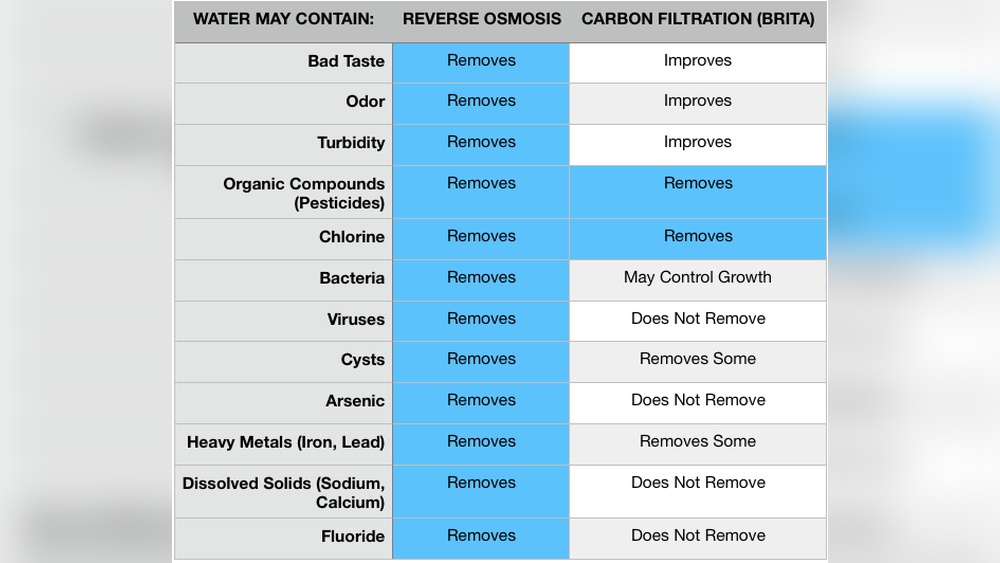
The 30-Second Answer: Brita vs reverse osmosis is a trade-off between convenience and how much you remove. A Brita pitcher improves taste and reduces chlorine and some metals; a reverse osmosis (RO) system removes far more, including most dissolved solids, fluoride, nitrates and arsenic.
- Choose Brita if your tap water is safe and you mainly want better taste; the Elite filter also reduces lead.
- Choose reverse osmosis if a water test shows contaminants like nitrates, arsenic, fluoride or high TDS.
- Easy RO without plumbing: a countertop RO unit such as DREO.
Test your water first; it tells you which filter you need. See the comparison.
A note on this guide: This comparison is based on manufacturer specs, NSF/ANSI certification claims and public guidance. Check each product’s certifications against your own water test.
Brita pitchers and reverse osmosis systems both sit under the “water filter” label, but they work very differently. A Brita uses activated carbon and ion exchange; reverse osmosis forces water through a very fine membrane.
This Brita vs reverse osmosis guide explains what each removes, cost, installation, waste water and which one fits your home.
In this guide
Brita vs Reverse Osmosis at a Glance
| Brita pitcher (Elite filter) | Reverse osmosis system | |
|---|---|---|
| How it works | Activated carbon and ion exchange | Multi-stage filters plus RO membrane |
| Reduces | Chlorine taste and odor, some metals; Elite also lead and some PFAS per Brita | Most dissolved solids, fluoride, nitrates, arsenic, lead, PFAS and more |
| Speed | Slow pour-through | Steady flow from a dedicated faucet |
| Install | None | Under-sink plumbing, or countertop units |
| Waste water | None | Yes, a drain line flushes rejected water |
| Upfront cost | Low | Medium to high |
| Ongoing cost | Filters every few months | Filters and membrane on a schedule |
What Each System Removes
Brita’s standard filters target taste and odor (chlorine) and some metals. Brita’s Elite filter is certified to reduce more contaminants, including lead, according to Brita. Neither pitcher filter is designed to remove fluoride, nitrates or most dissolved minerals.
Reverse osmosis membranes reject most dissolved solids. Multi-stage RO systems pair the membrane with carbon filters, so they also remove chlorine taste. Learn more in our guide to how reverse osmosis works and reverse osmosis water ppm.
Which Should You Choose?
- City water that tastes of chlorine: a Brita is usually enough.
- Older pipes or lead concern: a filter certified for lead, such as Brita Elite or an RO system.
- Private well: test first; wells can contain nitrates, arsenic or bacteria. See the EPA’s private well guidance.
- High TDS or fluoride removal wanted: reverse osmosis.
- Renting: a pitcher or countertop RO avoids plumbing changes.
If you’re also picking a brewer for that water, our guide to the types of coffee makers explains how each one works.
The Best Brita and Reverse Osmosis Options
1. Brita Large 10-Cup Elite Filter Pitcher (Best Brita Pitcher)
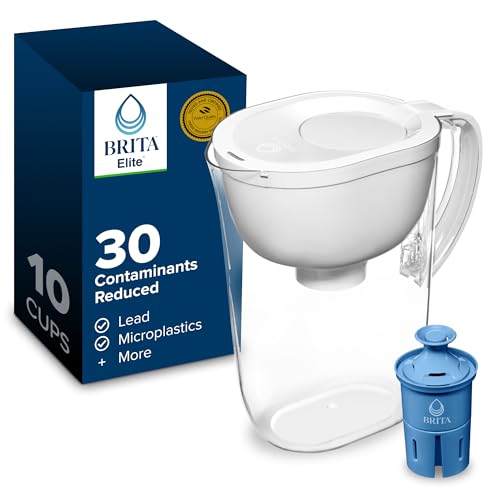
Brita’s 10-cup pitcher with an Elite filter is WQA and NSF/ANSI certified, according to the listing.
Why We Like It
Better-tasting water with no installation, and the Elite filter lasts longer than standard filters.
Flaws to Know
- Slow to refill
- Does not remove fluoride or most minerals
Buy it if: you want simple, better-tasting water. Skip it if: your water test shows nitrates or arsenic.
2. Brita X-Large 27-Cup Water Dispenser (Best for Families)
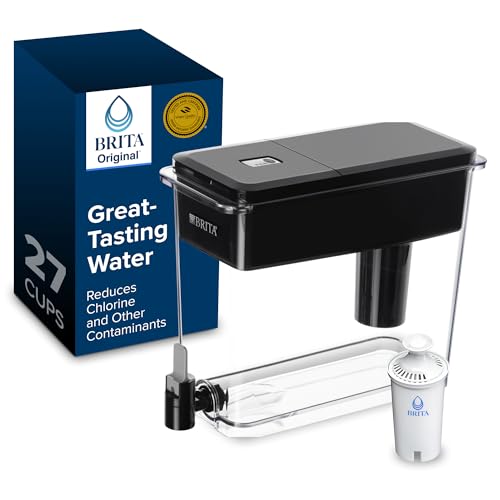
Brita’s 27-cup dispenser sits in the fridge with a spigot for easy pouring.
Why We Like It
Holds enough filtered water for a family without constant refills.
Flaws to Know
- Takes fridge space
- Filtering a full tank takes time
Buy it if: you drink a lot of filtered water. Skip it if: your fridge is small.
3. APEC Water RO-90 5-Stage Under-Sink Reverse Osmosis (Best Under-Sink RO)

APEC’s RO-90 is a 5-stage under-sink reverse osmosis system with its own faucet and storage tank.
Why We Like It
A long-running, well-known RO system with standard filter sizes that are easy to replace.
Flaws to Know
- Needs under-sink space and installation
- Tank takes cabinet room
Buy it if: you want whole-kitchen drinking water treatment. Skip it if: you rent and cannot drill.
4. Waterdrop G5P500A 8-Stage Reverse Osmosis System (Best Tankless RO)
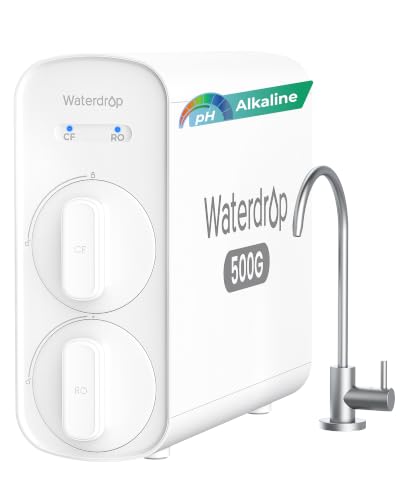
Waterdrop’s tankless RO system uses 8 stages of filtration in a compact unit.
Why We Like It
Tankless design saves cabinet space and delivers fresh water on demand.
Flaws to Know
- Needs an electrical outlet under the sink
- Proprietary filters
Buy it if: you want a compact, modern RO. Skip it if: you lack an outlet under the sink.
5. DREO Countertop Reverse Osmosis Water Filter (Best No-Install RO)
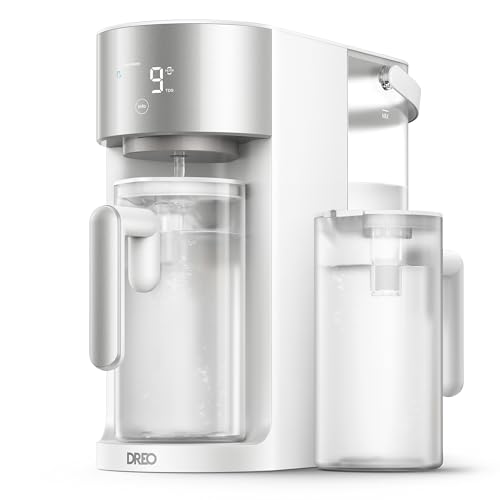
DREO’s countertop RO unit filters tap water without plumbing.
Why We Like It
RO-level filtration for renters and small kitchens.
Flaws to Know
- Takes counter space
- Refill the tank by hand
Buy it if: you want RO without installation. Skip it if: you want a dedicated faucet.
Cost and Maintenance
- Brita: low upfront cost; replace standard filters about every 2 months and Elite filters about every 6 months, per Brita.
- Reverse osmosis: higher upfront cost; replace pre-filters roughly every 6 to 12 months and the membrane every 2 to 3 years, depending on water.
- Waste water: RO sends some water to the drain; newer tankless systems waste less.
See how long reverse osmosis filters last, how to change reverse osmosis filters and reverse osmosis faucet placement. More science is in Wikipedia’s reverse osmosis article.
UK, Canada and EU Buyer Notes
- UK and Ireland: Brita is a German brand and widely sold; UK filters (Maxtra) differ from US filters. Hard water areas may prefer RO or limescale filters.
- Canada: Brita and NSF-certified RO systems are widely sold; check NSF/ANSI certification.
- Germany, France, Italy and Spain: search for Wasserfilter Umkehrosmose (DE), osmoseur (FR), osmosi inversa (IT) or ósmosis inversa (ES). Brita pitchers are sold as Wasserfilterkanne in Germany.
- Power: tankless RO systems with pumps need local-voltage models.
Frequently Asked Questions
Is reverse osmosis better than Brita?
RO removes far more contaminants. Brita is cheaper and simpler and is enough for many city water supplies.
Does Brita remove fluoride?
No. Brita pitcher filters are not designed to remove fluoride; RO systems remove most fluoride.
Does reverse osmosis remove minerals?
Yes, most dissolved minerals. Some systems add a remineralization stage.
Is reverse osmosis water safe to drink?
Yes. It is low in minerals, which some people prefer to add back for taste.
How do I know which filter I need?
Test your water or check your utility’s annual water quality report, then pick a filter certified for those contaminants.

Reviewed by Darren Kelly, Kitchenware Reviewer & Food Prep Tools Specialist. Darren has cooked for more than ten years, has reviewed kitchenware for The Kitchenware Journal since 2022, and covers peelers and choppers, water dispensers, tableware, cleaning tools and waffle makers. Our lab tests glassware and tableware for true capacity, balance, thermal shock and dishwasher durability. How we test.
Related guides: How Reverse Osmosis Works · How Long RO Filters Last · Reverse Osmosis Water PPM · How to Change RO Filters