
Last Updated on November 15, 2026
The 30-Second Answer: A built-in spice rack is any spice storage that’s part of your cabinets or walls instead of sitting on the counter. The best type depends on the space you have:
- A deep drawer near the stove: an in-drawer insert, no tools needed.
- A narrow gap beside the range or fridge: a pull-out filler rack on slides.
- An interior wall nearby: a recessed niche between the studs.
- Planning a backsplash remodel: a tiled niche behind the cooking area.
- Renting: tiered cabinet shelves or door racks that look built in but come out.
Recessed and backsplash niches add the most “custom kitchen” look. Inserts and pull-outs give the most storage for the least work.
Research note: We compared built-in options by space, install effort and typical US cost, based on standard cabinet sizes and common hardware. Prices are rough ranges and change with materials and labor.
A built-in spice rack is one of those upgrades that makes a kitchen feel custom without a full remodel. Spices are off the counter, labels face you, and nothing gets shoved to the back of a cabinet.
This guide is for people choosing between the built-in options. It covers what each type needs in terms of space and skill, then walks through the most popular true built-in, the recessed wall rack, step by step.
In this guide
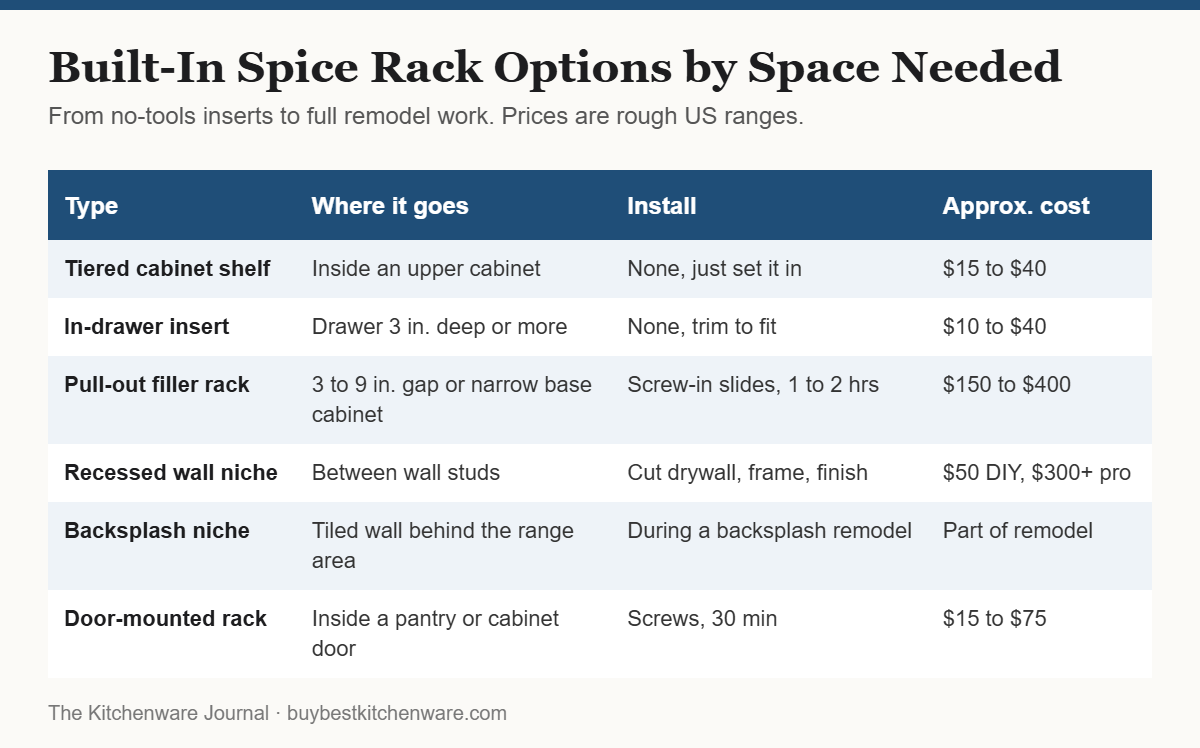
Which Built-In Spice Rack Fits Your Kitchen?
In-drawer inserts
If you have a drawer at least 3 inches deep near your prep area, this is the easiest win. Jars lie at an angle with labels up, so you see everything at a glance. Expandable bamboo inserts fit most drawer widths.
Pull-out filler racks
Those 3- to 9-inch gaps beside a range or fridge are usually wasted. A pull-out rack on full-extension slides turns that gap into a tall pantry for spices, oils and vinegars. Many fit standard base cabinet heights and install with a drill in an afternoon.
Recessed wall niches
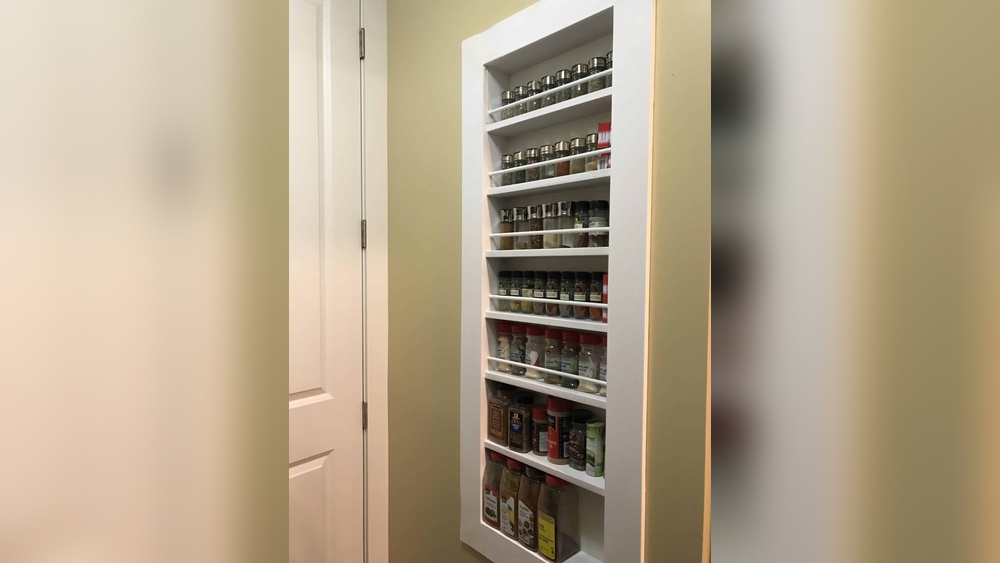
An interior wall usually has about 3½ inches of depth between the wall studs, just right for standard 4 oz jars. A recessed rack looks fully custom and takes up zero counter or cabinet space.
Backsplash niches
If you’re retiling, a niche in the backsplash is the most seamless option. Plan it with your tile installer and keep it to the side of the range rather than directly behind it, since heat and steam fade spices fast.
Cabinet and door systems
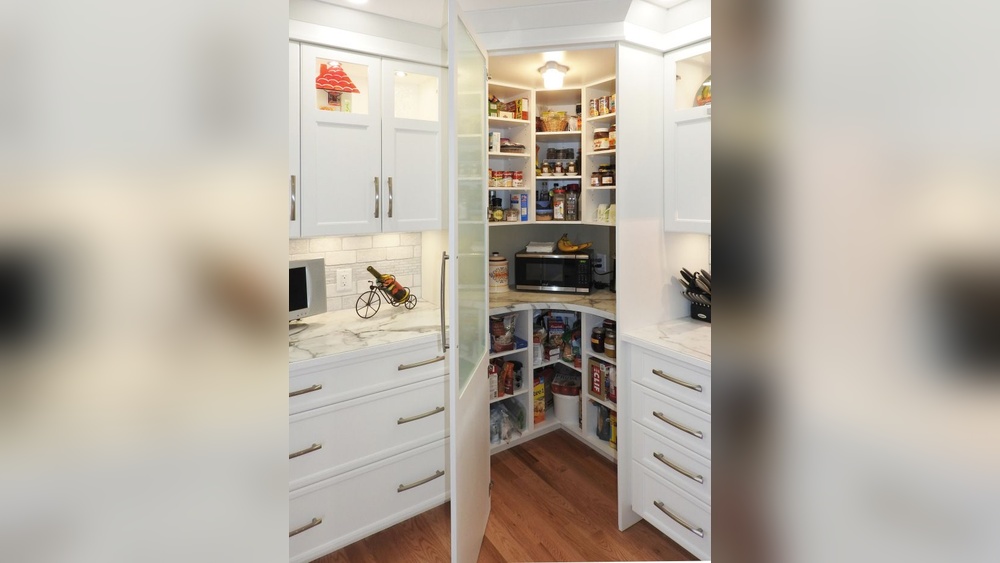
Tiered shelves inside an upper cabinet and racks on the inside of a pantry door aren’t technically built in, but they stay put and look integrated. They’re the go-to for renters.
How to Build a Recessed Built-In Spice Rack Between Studs
This is a solid weekend project for a confident DIYer. Pick an interior wall; exterior walls have insulation and sometimes vapor barriers you shouldn’t cut into.
- Find the studs and check for hazards. Use a stud finder with live-wire detection. Look for outlets, switches and plumbing above or below that suggest wires or pipes inside.
- Mark the opening. Standard stud spacing is 16 inches on center, which leaves about 14½ inches of clear width. Mark a rectangle between two studs at a comfortable height.
- Cut a small test hole first. Look inside with a flashlight before cutting the full opening.
- Cut the drywall with a drywall saw along your lines.
- Frame the top and bottom with 2×4 blocks screwed between the studs.
- Build the box. Make a 3½-inch-deep box from ½-inch plywood or 1×4 boards with shelves spaced jar height plus 1 inch.
- Install and trim. Slide the box in, screw it to the studs, then add trim around the edge to cover the cut drywall.
- Finish. Paint or seal to match your cabinets. Add a small front lip or rail on each shelf so jars don’t slide off.
Prefer a simpler weekend build without cutting walls? Our DIY spice rack guide has six easier projects, from door ledges to floating shelves.
Products for a Built-In Look
Not every built-in needs carpentry. These options cover the range from drop-in inserts to a true pull-out system, plus the one tool you need before cutting any wall.
1. Rev-A-Shelf Pullout Cabinet Organizer (best pull-out system)

A full-height slide-out rack with adjustable shelves for narrow base cabinets, fitting openings from 5½ inches wide.
Why We Like It
This is the real built-in experience: pull it out and every spice, oil and vinegar is in view. Adjustable shelves fit tall bottles and small jars.
Flaws to Know
- Pricey
- Measure your cabinet opening and depth carefully
Buy it if: you have a narrow base cabinet or are adding one. Skip it if: you rent or have no narrow cabinet.
2. SpaceAid Bamboo Spice Drawer Organizer (best in-drawer insert)

An expandable four-tier bamboo insert for drawers at least 3 inches deep.
Why We Like It
Fits most drawer widths and makes a plain drawer feel custom. Jars lie at an angle so every label is visible.
Flaws to Know
- Needs a 3-inch-deep drawer
- Bamboo can stain from spilled turmeric
Buy it if: you have a free drawer near the stove. Skip it if: your drawers are shallow.
3. 3-Tier Bamboo Expandable Cabinet Shelf (renter-friendly)
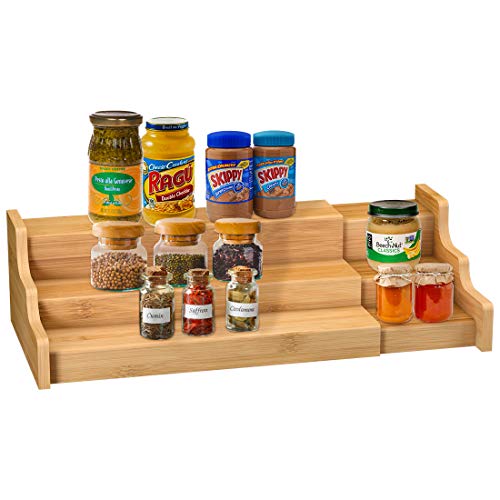
A tiered bamboo riser that expands to fit inside an upper cabinet.
Why We Like It
Stadium-style tiers let you see the back row. No install, so it’s ideal for renters or a quick upgrade.
Flaws to Know
- Takes cabinet space
- Jars at the back can be hard to reach in deep cabinets
Buy it if: you want a no-install upgrade. Skip it if: you want spices out of cabinets entirely.
4. 3-Tier Expandable Spice Rack Organizer (wider cabinets)
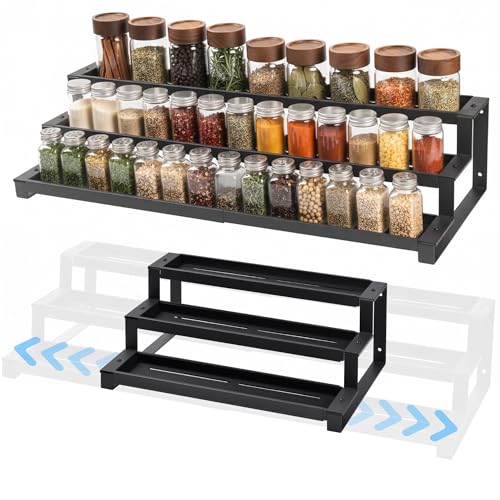
A three-tier organizer that expands from 16 to 29 inches for wide cabinets or pantry shelves.
Why We Like It
Covers a full cabinet width, so a big spice collection fits in one place.
Flaws to Know
- Check cabinet depth before buying
- Lighter build than bamboo
Buy it if: you have a wide upper cabinet or pantry shelf. Skip it if: your cabinets are narrow.
5. Franklin Sensors ProSensor M210 Stud Finder (before you cut a wall)
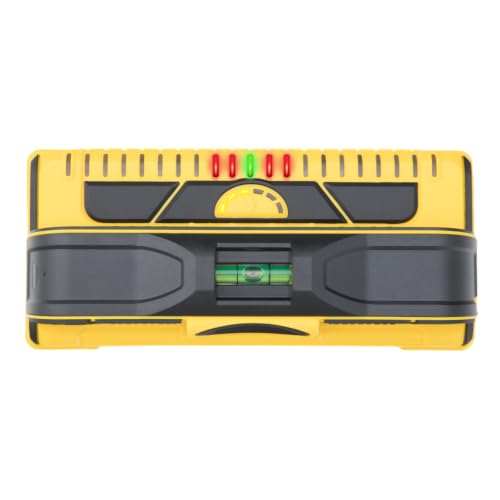
A 13-sensor stud finder that shows the full width of studs and flags live AC wires.
Why We Like It
For a recessed rack, knowing exactly where studs and live wires sit is the difference between a clean project and a dangerous one.
Flaws to Know
- Pricier than basic finders
- Can’t see plumbing
Buy it if: you’re building a recessed niche. Skip it if: you’re only using inserts or shelves.
Planning Tips Before You Commit
- Count your jars. Most home cooks have 25 to 40. Size the rack for at least 20% more.
- Stay within arm’s reach of the stove, but not above it.
- Match jars first, then size shelves to them.
- Think about lighting. A small LED strip in a recessed niche looks great and helps you read labels.
Built-ins stay cleaner when they’re part of a routine. Wipe shelves and toss expired spices once a year; our kitchen cleaning checklist includes that yearly pantry and spice clear-out.
Notes for the UK, Canada and EU
Many UK and European homes have masonry interior walls, which makes recessed niches much harder; stud walls are more common in newer builds and extensions. Pull-out “larder” units are widely sold in 150 mm and 300 mm widths to match European cabinet sizes, so measure in millimetres before ordering. Canadian kitchens follow US cabinet sizes.
Frequently Asked Questions
What is a built-in spice rack?
Spice storage that’s integrated into your cabinets, drawers or walls, like a pull-out rack, drawer insert or recessed wall niche.
How deep is a recessed spice rack?
About 3½ inches inside a standard 2×4 stud wall, enough for 4 oz spice jars.
Can you put a spice rack in an exterior wall?
It’s not recommended. Exterior walls contain insulation and sometimes vapor barriers that shouldn’t be cut.
How much does a built-in spice rack cost?
From about $15 for a drawer insert to $150 to $400 for a pull-out system, or more for a professionally built niche.
Where should a built-in spice rack go?
Close to your stove or prep area, but not directly above the range where heat and steam damage spices.

Reviewed by Dominik Hunt, Assistant Editor & Cookware/Appliance Specialist. Dominik has cooked for more than ten years, has reviewed kitchenware for The Kitchenware Journal since 2022, and covers pots and pans, cookware materials, bakeware, roasting pans, kitchen organization and griddles. Our lab tests organizers in real kitchen cabinets, drawers and pantries for fit, capacity and durability. How we test.
Related guides: Custom spice rack cabinet ideas · Pull-out spice cabinet guide · Inexpensive spice storage solutions · 10-inch deep cabinet ideas