Last Updated on November 6, 2026
How to clean a saucepan? Scrub a saucepan with a non-abrasive sponge and dish soap to clean it. Then, rinse it thoroughly with warm water.
This guide is part of our types of cookware.
Transform kitchen cleanup into a breeze with our ultimate guide on ‘How to Clean a Saucepan.’ Uncover quick and easy techniques for spotless cookware. Elevate your culinary experience with gleaming pans and stress-free maintenance!
Table of Contents
Reasons Why Saucepans Get Dirty
Grease and oil buildup: One of the main reasons saucepans get dirty is the accumulation of grease and oil from cooking. These substances can leave a sticky residue on the surface of the saucepan, making it more challenging to clean.
Food residue: Another common cause of dirty saucepans is leftover food residue. Bits of food can get stuck to the surface, especially if not properly washed off immediately after cooking. Over time, this residue can harden and become more difficult to remove.
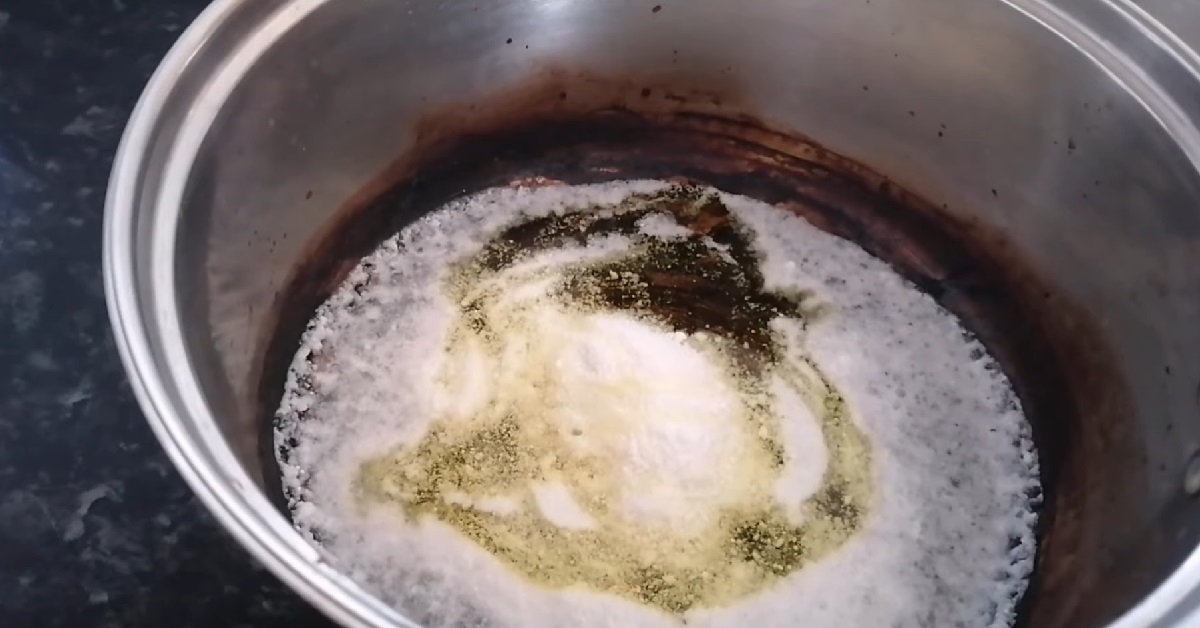
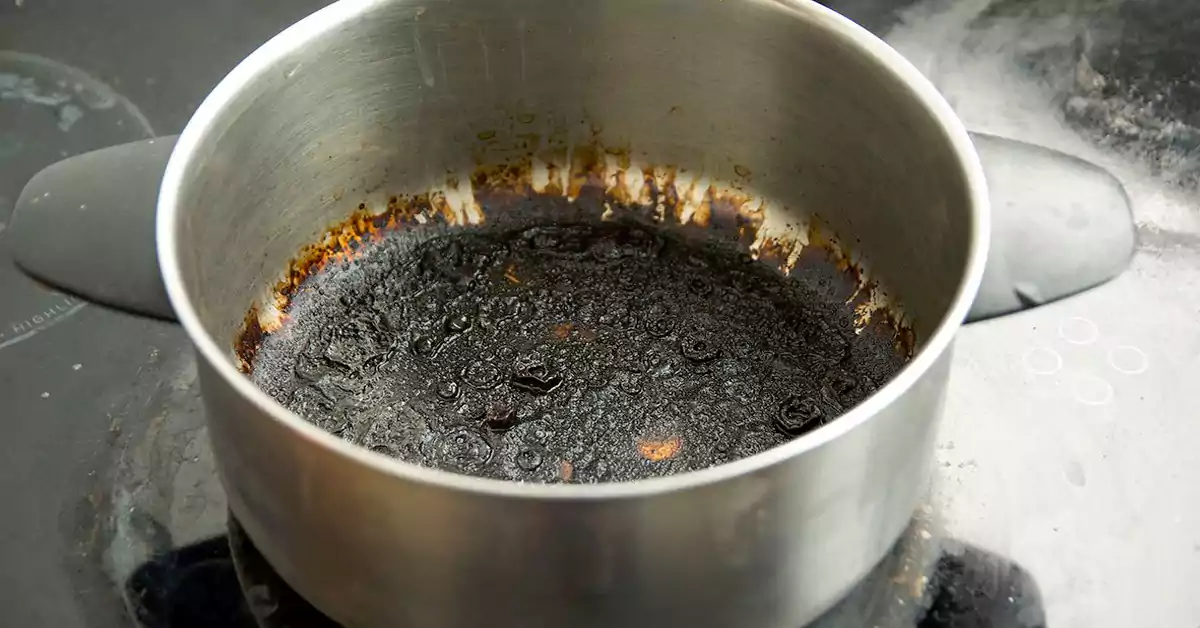
Burnt-on stains: Burnt-on stains are another culprit behind dirty saucepans. When food is left to burn and adhere to the pan’s surface, it creates stubborn stains that require extra effort to eliminate.

- Soft Dish Brush: Soft bristles are suitable to tackle grease and grime yet functional to use on non-stick cookware. Built in scraper on brush head easily srubs stuck-on food. Great for cleaning dishes, pans, pots, sink, stoves and kitchen utensils.
- Medium Pan Brush: Harder bristles are more suitable for cleaning stubborn stains, while effectively protecting the surface of kitchen items.
- Cast Iron Brush: Tough bristles made of heat-resisting material is designed to clean your cast iron cookware, keeping seasoned skillets, pots and pans sparkling clean without damage.
- Bamboo Handle: Our kitchen brushes built with natural bamboo handle. No strange smell and no damage to your kitchen utensils’ surface.
- Ergonomic Design: Dish brush can be holded comfortably, which makes the tough scrubbing much easier. And each brush features a rope at the handle end for hanging option which allows for air dry. Long handle brush will protect your hand from cleaning most things around the kitchen without getting your hands wet and touching washing-up liquid.
How To Clean A Saucepan With Burnt-on Stains
Learn how to effectively clean a saucepan with burnt-on stains using easy and accessible household ingredients.
Cleaning a saucepan with burnt-on stains can be challenging, but it can be restored to its original shine with the proper methods. Soaking the pan in hot water and dish soap is a significant initial step. Fill the pan with hot water, add a few drops of dish soap, and let it sit for at least an hour. This will loosen the burnt-on stains and make them easier to scrub off.
Another effective method is to use baking soda paste. Mix a tablespoon of baking soda with a small amount of water to form a paste. Apply the paste to the burnt-on stains and leave it for a few minutes. Then, scrub the pan with a non-abrasive sponge or brush, focusing on the stained areas. The abrasive nature of baking soda helps to remove stubborn stains.
Vinegar and water are natural and effective cleaning solutions. Mix equal parts of white vinegar and water in a saucepan and bring it to a boil. Let it simmer briefly, then remove it from the heat. Use a non-abrasive sponge or brush to scrub off the loosened stains. The acid in the vinegar helps to break down the burnt-on residue.
Always rinse the saucepan thoroughly after cleaning to remove any traces of soap, baking soda, or vinegar.
For safe cleaning and disinfecting practices, see the CDC’s guide to cleaning and disinfecting your home and University of Illinois Extension’s cleaning and sanitizing tips.
How To Clean A Saucepan With Stuck-on Food Residue
When it comes to cleaning a saucepan with stuck-on food residue, there are a few effective methods you can try. One option is to soak the pan in hot water with dish soap. Fill the pan with hot water and add a few drops of dish soap. Let it sit for at least 30 minutes or longer, depending on how stubborn the residue is. Hot water and soap will help loosen the food particles, making them easier to remove.
After soaking, you can scrub the pan using a non-abrasive sponge or brush. Gently scrub the pan’s surface in circular motions, focusing on the areas with the most residue. Rinse the pan thoroughly with warm water to remove any soap residue.
Another method is to use a mixture of vinegar and water. Fill the pan with equal parts vinegar and water and bring it to a boil. Let it simmer for a few minutes, remove it from the heat, and let it cool. The vinegar’s acidity helps break down and dissolve the stuck-on food. After cooling, scrub the pan as usual and rinse well.
Techniques For Removing Grease And Oil Buildup From A Saucepan
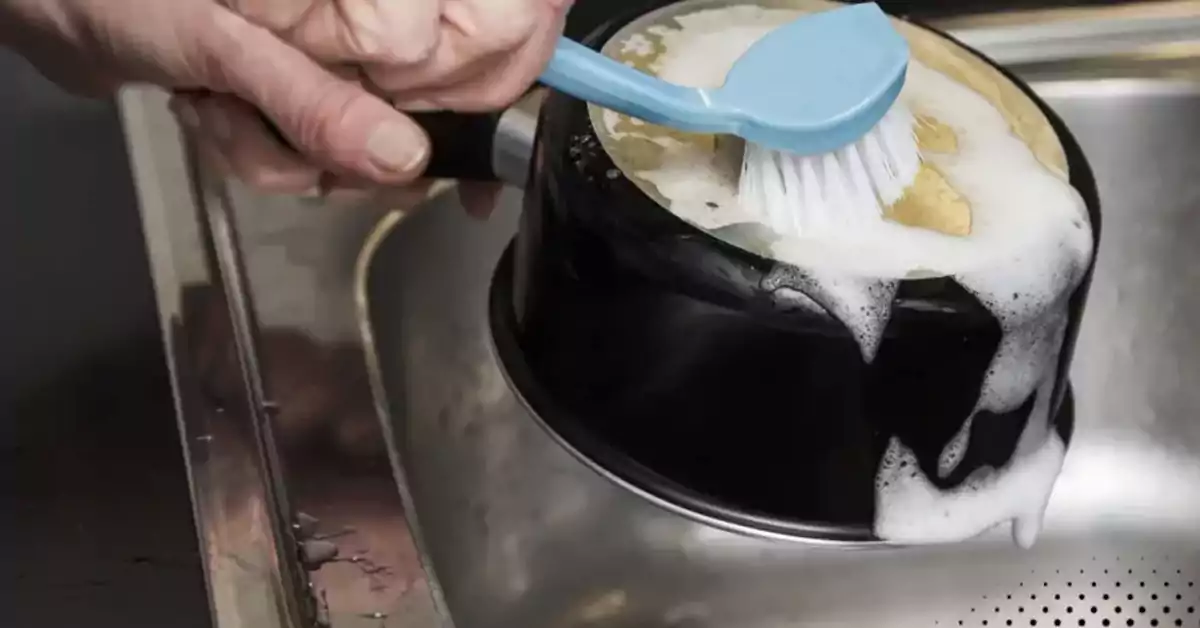
One effective technique for removing grease and oil buildup from a saucepan is to create a paste using baking soda and water. Mix equal parts of baking soda and water to form a thick paste. Apply the paste to the saucepan, focusing on the areas with the most buildup. Let it sit for a few minutes to let the baking soda break down the grease. Then, use a scrub brush or sponge to scrub the saucepan, rinsing it with water afterward.
Another method is to use a solution made with dish soap and vinegar. Fill the saucepan with water and add a few drops of dish soap and a splash of vinegar. Heat the mixture on low heat for a few minutes, allowing it to simmer. Afterward, let the solution cool down and use a sponge or scrub brush to clean the saucepan, rinsing it thoroughly.
A mixture of lemon and salt can be effective for more stubborn grease and oil buildup. Cut a lemon in half and dip the cut side in salt. Use the lemon to scrub the saucepan, applying pressure to break the buildup. Rinse the saucepan with water to remove any remaining residue.
Tips For Maintaining A Clean Saucepan
To maintain a clean saucepan, it is essential to follow these tips:
1. Avoid using metal utensils: Metal utensils can scratch the surface of the saucepan, making it more difficult to clean. Instead, use wooden or silicone utensils.
2. Use low heat when cooking: High heat can cause food to stick to the pan, making it harder to clean. By using low to medium heat, you can reduce the chances of food sticking.
3. Clean the pan immediately after use: It is best to clean the saucepan as soon as possible after cooking. This will prevent food residue from drying and becoming more stubborn to remove.
These tips can maintain a clean saucepan and make your cooking experience more enjoyable.
How To Prevent Burnt-on Stains In A Saucepan
Taking simple precautions is essential to prevent burnt-on stains in a saucepan. Before adding food, apply a thin layer of cooking oil or butter to the pan. This will create a barrier between the food and the pan’s surface, making it less likely to stick and burn. Additionally, stir the food regularly while cooking to prevent it from adhering to the bottom of the pan. This will help distribute heat evenly and reduce the chances of burnt-on stains.
Finally, using a timer is a helpful tool to avoid overcooking. Set a timer according to the cooking instructions or your desired doneness to ensure the food is cooked just right without leaving it in the pan for too long. Following these simple steps, you can keep your saucepan clean and free from burnt-on stains.
How To Prevent Food Residue From Sticking To A Saucepan
You can follow a few simple steps to prevent food residue from sticking to a saucepan. Firstly, make sure to use enough cooking oil to coat the bottom of the pan. This creates a barrier between the food and the pan’s surface, preventing sticking. Secondly, it’s best to use medium heat instead of high heat when cooking. High heat can cause food to burn and stick to the pan. Finally, consider using a non-stick cooking spray for extra protection. These sprays prevent food from adhering to the pan, making cleanup easier.
Maintaining A Grease-free Saucepan
Wash any excess grease with a paper towel before washing to maintain a grease-free saucepan. This will help prevent the grease from clogging your drains and make cleaning easier. For regular cleaning, use hot water and dish soap. Fill the saucepan with hot water and add a few drops of dish soap. Let it soak for a few minutes, then scrub it with a sponge or brush. Rinse thoroughly with hot water to remove all the soap residue.
Periodically, it’s essential to clean your saucepan deep. One effective method is using a vinegar and water solution. Fill the saucepan with equal parts vinegar and water, then bring it to a boil. Let it simmer for about 10 minutes, then remove from heat and cool. Scrub the saucepan with a sponge or brush, and rinse thoroughly with hot water. This will help remove any stubborn stains or residue.
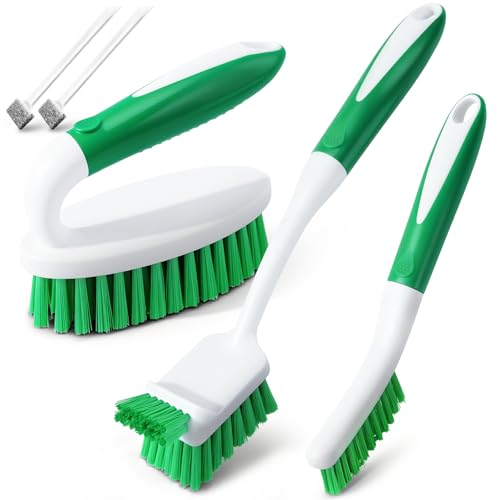
- Deep Cleaning Brush Set. Each stiff-bristle brush is engineered for specific cleaning tasks, yet versatile enough for universal use. It includes a Scrub Brush, Kitchen Brush, Tile & Grout Brush and 2 groove gap brushes. With a variety of cleaning brushes, you’ll easily take on everyday cleaning removing even the most stubborn dirt.
- Scrub brush with ergonomic design will give you a comfortable grip; It can clean the tub, faucet, tile, bathroom surface and etc.
- Tile lines brush can help to clean the corners of your home; It can clean the tile seam, car, tiny gap and etc.
- Kitchen Brush with long handle, which protects your hand from being scratched, offering ultra comfortable grips and fitting well with your brush. It is well used for cleaning cast iron skillet, steel pots, pans, dishes, sinks, vegetables and etc.
- Groove gap brush can be used to clean some extremely difficult stains; It can clean the kitchen stove, window cracks, stubborn stains and etc.
Frequently Asked Questions Of How To Clean A Saucepan
How Do You Clean Burnt Food Off A Saucepan?
To clean burnt food off a saucepan, fill it with water and add a few drops of dish soap. Boil the mixture for about 10 minutes, then remove from heat and let it cool. Scrub the pan with a non-abrasive sponge or brush; the burnt residue should come off quickly.
Can You Use Baking Soda To Clean A Saucepan?
Yes, baking soda is a great natural cleaner for saucepans. To clean a saucepan with baking soda, sprinkle it generously with baking soda and add enough hot water to make a paste. Let it sit for a few minutes, then scrub the pan with a sponge or brush.
Rinse thoroughly.
How Do You Remove Stains From A Saucepan?
To remove stains from a saucepan, fill it with equal amounts of water and vinegar. Bring the mixture to a boil, then simmer for a few minutes. Remove from heat and let it cool. Scrub the pan with a sponge or brush; the stains should come off.
Rinse well before using.
Conclusion
To sum up, keeping your saucepans clean is essential for maintaining their quality and longevity. Following the simple steps outlined in this blog post, you can easily remove stubborn stains and burnt-on food from your saucepan. Regular cleaning not only ensures a hygienic cooking experience but also enhances the flavors of your dishes.
Use gentle cleaning agents and avoid abrasive materials that may damage the pan’s surface. With these tips, you can enjoy hassle-free cooking and perfectly clean saucepans every time.
Related guides: How to Clean Saucepans · Saucepan Sizes Guide · What Material is Best for Saucepans · Best Budget Saucepans · How to Clean a Burnt Saucepan Bottom · Lightweight Saucepans for Weak Wrists