
Last Updated on November 6, 2026
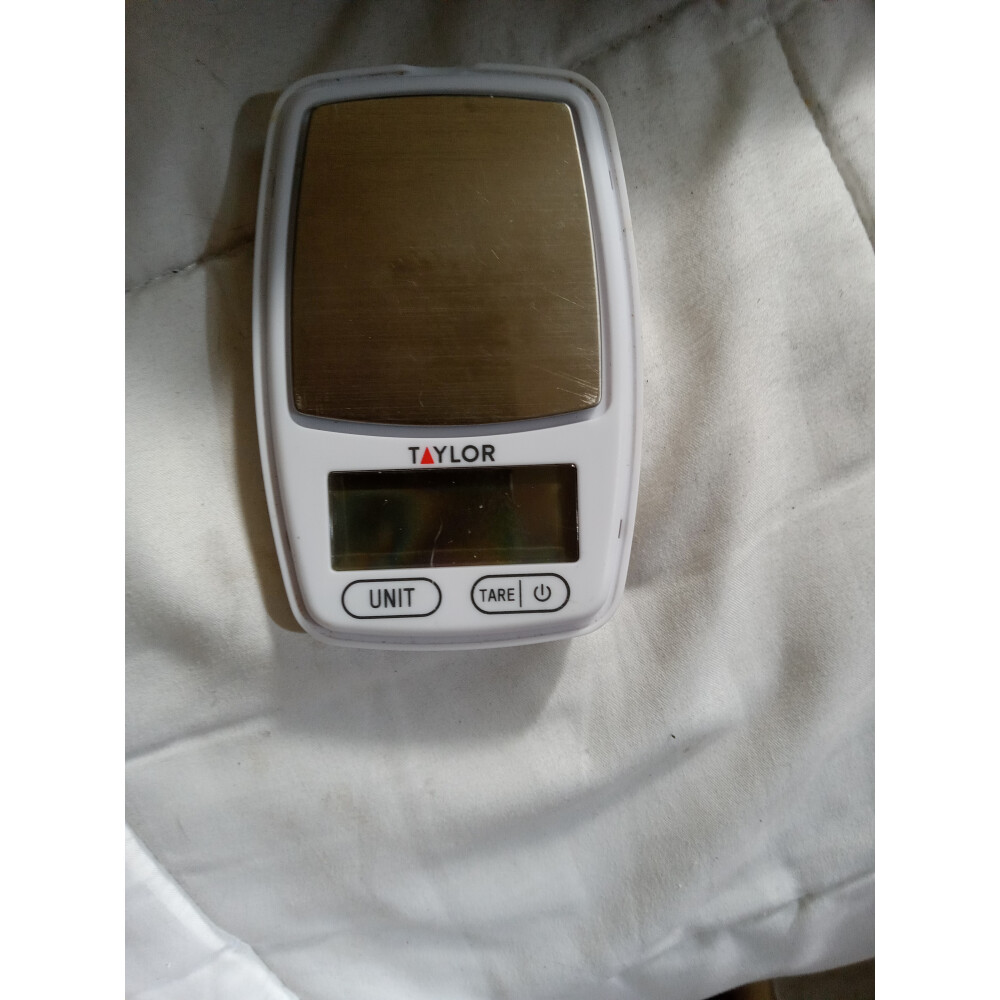
Are you struggling to get accurate readings from your Taylor scale? Calibration might be the missing step you haven’t tried yet.
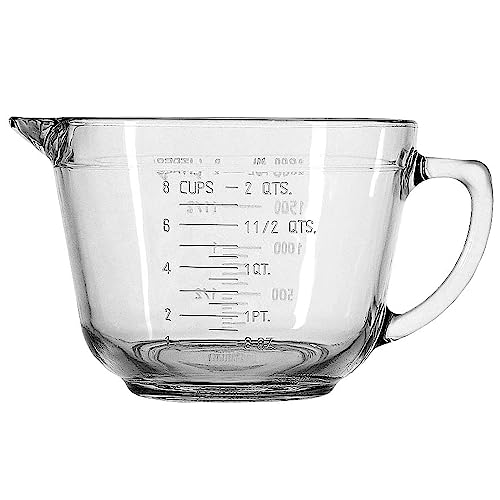
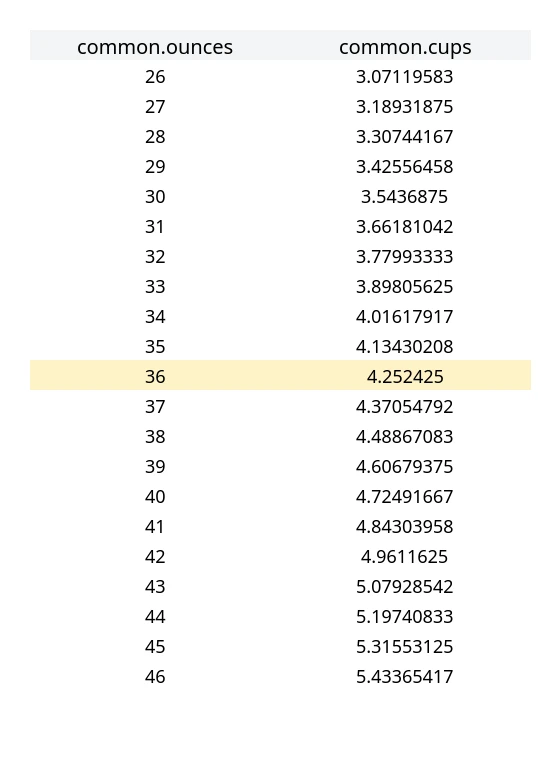
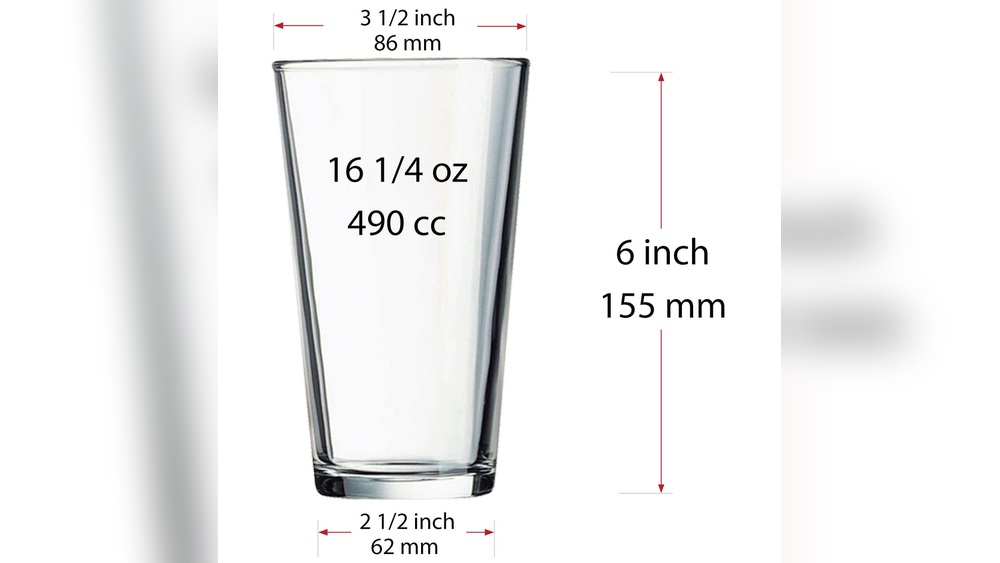
Need a different amount? Use our cups, ml and ounces converter.
When your scale isn’t properly calibrated, your measurements can be off, leading to wasted ingredients, incorrect recipes, or even costly mistakes. But don’t worry—calibrating your Taylor scale is easier than you think. You’ll discover simple, step-by-step instructions that anyone can follow to ensure your scale delivers precise results every time.
Keep reading, and take control of your measurements like a pro.

Credit: www.manua.ls
Importance Of Calibrating Taylor Scale
Calibrating a Taylor scale ensures accurate weight measurements. Without calibration, the scale may give wrong results. This can cause problems in cooking, health tracking, or any task needing exact weight. Regular calibration keeps the scale reliable and consistent over time.
Accuracy is key for good results. A well-calibrated Taylor scale helps you trust your measurements. It reduces errors and saves time by avoiding repeated weighing. Calibration also extends the life of the scale by keeping it in good working order.
Improves Measurement Accuracy
Calibration adjusts the scale to show the correct weight. It fixes any errors caused by wear or movement. Accurate readings mean you get precise results every time.
Ensures Consistent Results
Consistent measurements matter for tracking progress or recipes. Calibration prevents changes in weight readings over time. This consistency helps maintain trust in your Taylor scale.
Prevents Costly Mistakes
Wrong measurements can lead to waste or wrong doses. Calibration reduces the risk of costly errors. It helps avoid problems in cooking, health, or shipping.
Extends Scale Lifespan
Regular calibration keeps the scale parts working well. It prevents damage caused by incorrect use or wear. This care helps your Taylor scale last longer and perform better.
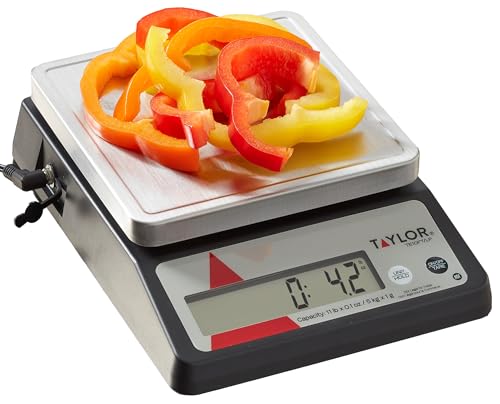
- PRECISE PORTION CONTROL: Weigh ingredients up to 11 lb (5 kg) in 0.1 oz (1 g) increments for consistent, accurate food preparation – ideal for meal prep, food portioning, and tracking macros with confidence every time.
- TARE AND HOLD FUNCTIONS: Zero out the weight of any container with the tare function, then lock in a reading with the Hold function – even after the food is removed; perfect for weighing multiple ingredients without losing your measurement.
- EASY-CLEAN STAINLESS STEEL PLATFORM: The 5.4-inch square stainless steel weighing surface features a marine edge to contain food and lifts off for quick, thorough cleaning – keeping your kitchen scale hygienic and ready to use.
- LARGE LCD DISPLAY AND RECALIBRATABLE ACCURACY: The 0.9-inch LCD screen delivers easy-to-read weight measurements at a glance; the recalibratable design helps maintain long-term accuracy for reliable food scale performance over time.
- DUAL POWER SUPPLY WITH AUTO-OFF CONTROL: Power with the included AC adapter for continuous commercial kitchen use, or use 2 AAA batteries (sold separately) for portable flexibility; the auto-off feature can be disabled when running on battery power.

Tools Needed For Calibration
Calibrating a Taylor scale requires a few basic tools. These tools ensure your scale measures accurately every time. Using the right tools makes the calibration process simple and effective.
Digital Calibration Weight
A digital calibration weight is essential for precise measurement. Choose a weight that matches the capacity of your Taylor scale. This helps verify the scale’s accuracy during calibration.
Screwdriver
A small screwdriver is needed to adjust the calibration screws. Most Taylor scales have screws to fine-tune the weight reading. Use a screwdriver that fits the screws well to avoid damage.
Flat, Stable Surface
Place your scale on a flat, stable surface before calibration. Uneven surfaces can cause incorrect readings. A stable area ensures consistent and reliable results.
Clean Cloth
Use a clean cloth to wipe the scale before starting. Dust and dirt can affect the scale’s performance. Cleaning helps maintain accuracy during calibration.
The conversion factors used here follow the US customary definitions in NIST’s kitchen measurement equivalencies; for converting ingredients by weight, King Arthur Baking’s ingredient weight chart is a reliable reference.
Preparing The Taylor Scale
Preparing the Taylor scale is a key step for accurate calibration. This step ensures the scale works properly. It helps avoid errors in weight measurement. Proper preparation makes calibration easier and more reliable.
Cleaning The Scale
Start by cleaning the Taylor scale carefully. Use a soft, dry cloth to remove dust and dirt. Avoid using water or harsh chemicals that can damage the scale. Clean the weighing platform and the body. Dirt can affect the scale’s accuracy and cause wrong readings.
Checking For Damage
Check the scale for any visible damage. Look for cracks, dents, or loose parts. Ensure the weighing platform moves smoothly without sticking. Any damage can affect the scale’s performance. Fix or replace damaged parts before calibration. This step helps keep your scale reliable and safe to use.

Credit: www.everydayhealth.com
Step-by-step Calibration Process
Calibrating a Taylor scale ensures accurate weight measurements. This process involves precise steps to adjust and verify the scale’s balance. Follow these instructions carefully for reliable results.
Setting Up A Reference Weight
Start by choosing a known reference weight. Use a standard weight that matches the scale’s capacity. Place this weight gently on the scale’s platform. This step creates a baseline for calibration.
Adjusting The Scale Balance
Look for the adjustment knob or screw on the scale. Turn it slowly to balance the scale with the reference weight in place. The pointer or dial should align with the zero mark. Make small adjustments until the scale is perfectly balanced.
Verifying Calibration Accuracy
Remove the reference weight and check if the scale returns to zero. Place the weight again to confirm consistent readings. Repeat this step a few times. Accurate calibration means the scale gives the same result each time.
Common Calibration Errors
Calibrating a Taylor scale ensures accurate weight measurements. Errors during calibration can cause wrong readings and affect results. Knowing common calibration errors helps prevent mistakes and saves time.
Incorrect Zeroing Of The Scale
Not setting the scale to zero before calibration leads to errors. The scale must read zero with no weight on it. Skipping this step causes all measurements to be off.
Using The Wrong Calibration Weight
Calibration weights must match the scale’s specifications. Using weights that are too heavy or too light skews the results. Always use certified weights for precise calibration.
Unstable Surface Placement
Placing the scale on an uneven or soft surface affects accuracy. The scale should sit on a flat, hard surface. Movement or tilting changes the readings during calibration.
Ignoring Environmental Factors
Temperature, humidity, and air currents impact scale performance. Calibrate in a stable environment with minimal disturbances. Avoid drafts or direct sunlight near the scale.
Rushing The Calibration Process
Calibration needs time for the scale to adjust after each step. Quickly adding weights or skipping waiting periods causes errors. Be patient to let the scale settle before recording values.
Maintaining Calibration Over Time
Maintaining calibration over time is key to keeping your Taylor scale accurate. Over time, scales can lose accuracy due to use, dust, or changes in the environment. Regular care helps prevent errors and extends the scale’s life. Follow simple steps to keep your scale reliable and precise.
Regular Calibration Schedule
Set a fixed schedule for calibration. Check the scale every month or every few weeks, based on usage. Use a known weight to test accuracy. If the scale shows wrong numbers, calibrate it immediately. Regular checks catch issues early before they affect results.
Proper Storage Tips
Store the scale in a dry, clean place. Avoid areas with heavy dust or moisture. Keep it away from direct sunlight and heat sources. Always place the scale on a flat, stable surface. Proper storage prevents damage and keeps the scale working well longer.
Credit: www.thehorecastore.com
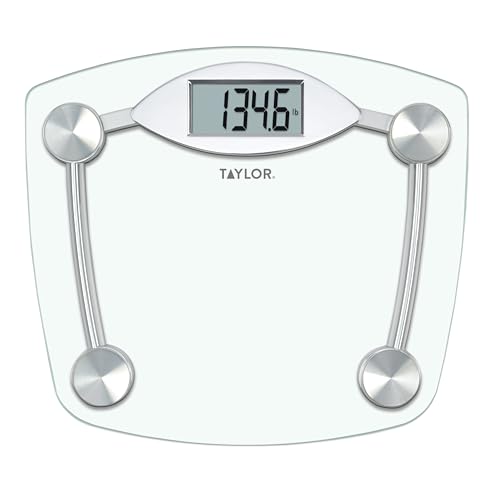
- CONSISTENT, RELIABLE READINGS: Four precision sensors deliver stable weight measurements in 0.2 lb increments on a firm, level surface; supports up to 400 lbs and displays in lb, kg, or st for flexible tracking
- CLEAR LCD DISPLAY: A 1.2-inch LCD readout shows your weight clearly – place the scale in a well-lit area for the easiest visibility; readings lock and hold for 5 seconds before auto-off to conserve battery life
- DURABLE TEMPERED GLASS PLATFORM: The 13.0 x 11.7 inch curved glass platform features 8 mm thick tempered glass mounted on a polished chrome base, providing a spacious, stable surface and a sleek modern look
- SMART, EFFORTLESS OPERATION: Step on to power on automatically – no buttons, no programming needed; auto-off, low-battery indicator, and included AAA batteries mean this scale is ready to use right out of the box
- TAYLOR PRECISION SINCE 1851: Designed, engineered, and supported in the USA; easy care requires only a soft, slightly damp cloth to clean exposed parts; a trusted tool for tracking your weight and fitness progress
Frequently Asked Questions
How Often Should I Calibrate My Taylor Scale?
Calibrate your Taylor scale every 6 to 12 months. Frequent use or heavy loads require more regular calibration. Proper calibration ensures accurate weight measurements and extends the scale’s lifespan.
What Tools Are Needed To Calibrate A Taylor Scale?
You need certified calibration weights and a screwdriver for adjustments. Using precise weights guarantees correct calibration. Avoid makeshift tools to maintain scale accuracy and prevent damage.
Can I Calibrate A Taylor Scale At Home?
Yes, you can calibrate it at home with proper tools. Follow the manufacturer’s instructions carefully for best results. If unsure, seek professional calibration to avoid errors.
Why Is Calibration Important For Taylor Scales?
Calibration ensures accurate and reliable weight readings. It prevents measurement errors that affect recipes or health tracking. Regular calibration maintains the scale’s performance and trustworthiness.
Conclusion
Calibrating your Taylor scale ensures accurate and consistent results. Regular checks keep measurements reliable over time. Follow the steps carefully to avoid errors. Using the right weights helps maintain precision. A well-calibrated scale saves time and frustration. Trust your readings for better decisions.
Small efforts lead to big improvements. Keep your scale in good shape for long use. Simple routines make calibration easy and quick. Stay confident with every measurement you take.
Related conversions: Manual Scales Kitchen · Scale for Liquids · Digital Scale Conversion · How to Use Etekcity Food Scale