
Last Updated on November 23, 2026
The 30-Second Answer: how long do pots and pans last? It depends mostly on the material: non-stick usually 2 to 5 years, ceramic non-stick 1 to 3 years, stainless steel and enameled cast iron for decades, and cast iron or carbon steel for a lifetime with care. Replace any pan that is warped, flaking or has a loose handle you cannot fix.
- Non-stick (PTFE): about 2 to 5 years.
- Ceramic non-stick: about 1 to 3 years.
- Stainless steel (clad): 20 years or more.
- Cast iron and carbon steel: generations.
- Enameled cast iron and copper: decades, if not chipped or worn through.
Lifespans are typical ranges; heat, utensils and dishwashers can shorten them a lot.
A note on this guide: Reviewing a product properly is not easy, and real testing takes time. For now, this guide is research-based, built on manufacturer specs, product details and verified owner feedback. Our team is testing these products in The Kitchenware Journal lab, and we will update this guide with our hands-on results and photos very soon.
Knowing how long pots and pans last helps you decide where to spend money. A cheap non-stick pan replaced every two years can cost more over time than a stainless pan you keep for twenty.
Our angle is cost per year. We pair typical lifespans with typical prices so you can see which cookware is the real bargain, then show how to make each material last longer.
In this guide
How Long Do Pots and Pans Last? Lifespan by Material
| Material | Typical lifespan | What wears out |
|---|---|---|
| PTFE non-stick | 2 to 5 years | Coating scratches and loses release |
| Ceramic non-stick | 1 to 3 years | Slickness fades quickly |
| Hard-anodized non-stick | 3 to 6 years | Coating, not the body |
| Stainless steel (clad) | 20+ years | Rarely; handles or warping |
| Cast iron | Lifetime | Seasoning (renewable) |
| Carbon steel | Lifetime | Seasoning (renewable) |
| Enameled cast iron | Decades | Chips and crazing |
| Copper (lined) | Decades | Tin lining needs re-tinning; stainless lining lasts |
Our guide to the types of cookware explains each of these materials in more depth.
Cost per Year: Which Cookware Is the Real Bargain?
| Pan (10 to 12 in) | Typical price | Typical life | Approx. cost per year |
|---|---|---|---|
| Budget non-stick | $20 to $35 | 2 to 3 years | $7 to $17 |
| Premium non-stick | $40 to $80 | 4 to 5 years | $8 to $20 |
| Clad stainless | $50 to $150 | 20+ years | $2.50 to $7.50 |
| Cast iron | $25 to $45 | Lifetime (say 30 years) | About $1 to $1.50 |
Prices are rough US ranges for illustration. Many cooks keep one non-stick pan for eggs and use stainless or cast iron for everything else.
7 Signs It Is Time to Replace a Pan
- The base is warped and rocks on a flat hob.
- Non-stick coating is scratched through, flaking or no longer releases eggs.
- The handle is loose and the rivets or screws cannot be tightened.
- Enamel is chipped on the cooking surface.
- Deep pitting or rust that does not clean off (stainless or enamel).
- Cast iron is cracked (not just rusty; rust can be fixed).
- Discolouration you cannot clean that affects flavour or sticking.
Long-Lasting Cookware Picks
1. Lodge Pre-Seasoned Cast Iron Skillet, 12 Inch (Lasts a Lifetime)
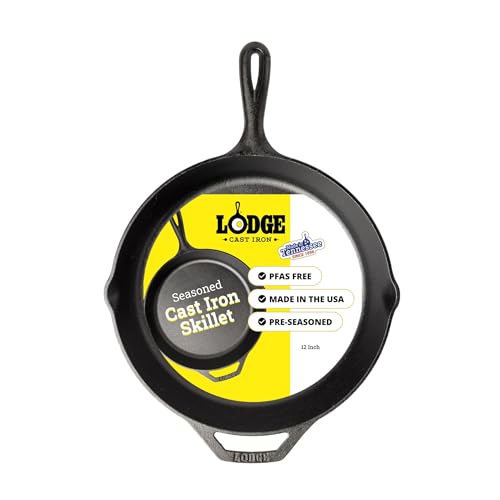
A classic American-made cast iron skillet.
Why We Like It
Cast iron has no coating to wear out; seasoning can always be restored, so it is the lowest cost-per-year pan you can buy.
Flaws to Know
- Heavy
- Needs drying and oiling
Buy it if: you want a pan for life. Skip it if: you cannot lift heavy pans.
Key Specs
- Size: 12 in
- Material: cast iron
- Made in: USA
2. Cuisinart MultiClad Pro 12-Piece Stainless Steel Set (Best Long-Life Set)
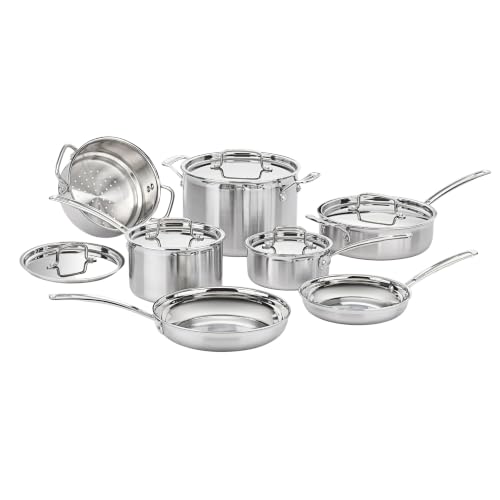
A fully clad tri-ply stainless set.
Why We Like It
Clad stainless resists warping and has nothing to peel, so a set can last decades.
Flaws to Know
- Learning curve for sticky foods
Buy it if: you are replacing worn non-stick. Skip it if: you only want one pan.
Key Specs
- Pieces: 12
- Construction: tri-ply
3. Tramontina Professional 10-Inch Non-Stick Fry Pan (Best Non-Stick to Replace)
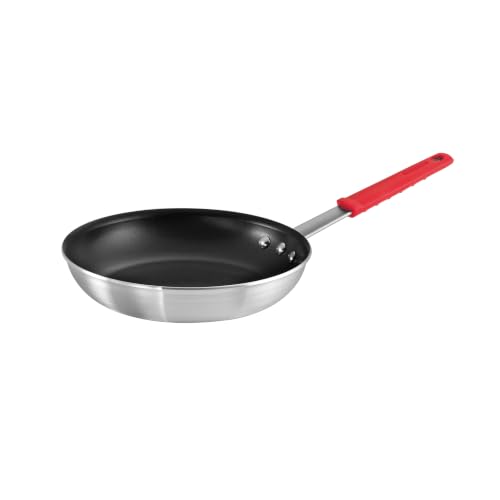
A heavy-gauge aluminium restaurant-style non-stick pan.
Why We Like It
If you need non-stick for eggs, a thick commercial pan resists warping and is cheap to replace when the coating wears.
Flaws to Know
- Coating still wears in a few years
Buy it if: you need an egg pan. Skip it if: you want a lifetime pan.
Key Specs
- Size: 10 in
- Material: aluminium, non-stick
4. Bar Keepers Friend Cookware Cleanser and Polish (Best for Extending Life)

A mild powdered cleanser for stainless, copper and enamel.
Why We Like It
Removes heat tint, mineral stains and stuck-on residue without scratching, keeping stainless and enamel performing like new.
Flaws to Know
- Not for non-stick coatings
Buy it if: you own stainless or enamel. Skip it if: you only own non-stick.
Key Specs
- Size: 12 oz
How to Make Pots and Pans Last Longer
- Non-stick: cook on low to medium heat, use silicone or wood utensils, hand wash and avoid cooking sprays.
- Stainless: preheat before adding oil, and clean heat tint with a mild cleanser.
- Cast iron and carbon steel: dry on the hob and wipe with a thin coat of oil.
- Enamel: avoid metal utensils and sudden temperature changes.
- All pans: do not plunge a hot pan into cold water; it can warp.
See how long stock pots last, stainless vs cast iron Dutch ovens and the best material for stock pots. The history of the cooking pot shows how long well-made cookware can survive.
Recycling Old Pans in the UK, Canada and the EU
UK: most councils accept metal pans at household waste recycling centres as scrap metal; non-stick pans are usually accepted too.
Canada: scrap metal recyclers and municipal depots take old pots and pans; check local rules for coated pans.
EU: metal cookware can typically go to municipal recycling centres (“Wertstoffhof” in Germany, “déchetterie” in France).
More Cookware Care Guides
This page is our starting point for cookware care questions. When you need a specific answer, these guides go deeper:
- Can Any Pot Go in the Oven? How to Check
- How to Clean Saucepans (Including Burnt Ones)
- How to Clean an Omelet Pan
- Black Coating Coming Off Cast Iron: Causes and Fixes
- How to Clean a Burnt Saucepan Bottom
- How to Clean an Enamel Roasting Pan
- How to Clean a Saucepan: Burnt, Stuck-On and Greasy
- How to Clean a Cast Iron Grill Pan (Step by Step)
- Pot and Pan Protectors: How to Stop Scratched Cookware
Frequently Asked Questions
How long do non-stick pans last?
Usually 2 to 5 years with normal use; less with high heat and metal utensils.
How long does stainless steel cookware last?
Decades. Good clad stainless can last a lifetime.
When should I throw away a non-stick pan?
When the coating flakes, is deeply scratched or food sticks despite proper use.
Can a warped pan be fixed?
Rarely at home. Warped pans heat unevenly and are best replaced.
Which cookware lasts the longest?
Cast iron and carbon steel, followed by clad stainless and enameled cast iron.

Reviewed by Dominik Hunt, Assistant Editor & Cookware/Appliance Specialist. Dominik has cooked for more than ten years, has reviewed kitchenware for The Kitchenware Journal since 2022, and covers pots and pans, cookware materials, bakeware, roasting pans, kitchen organization and griddles. Our lab tests organizers in real kitchen cabinets, drawers and pantries for fit, capacity and durability. How we test.
Related guides: How Long Do Stock Pots Last? · Best Pots and Pans for Dishwasher · Expensive Pots and Pans · Most Expensive Pots and Pans