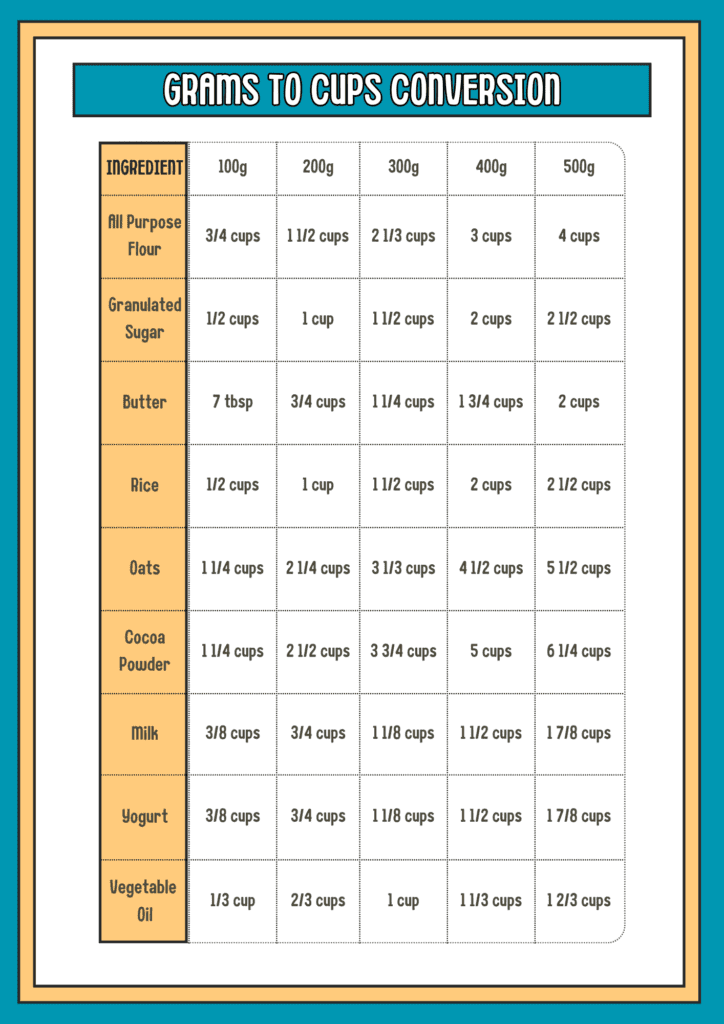

Last Updated on November 6, 2026
Are you trying to follow a recipe and wondering how much 1 cup of whole milk weighs in grams? Getting this right can make a big difference in your cooking or baking results.
Converting something else? Our full kitchen conversion chart and converter covers cups, ml, ounces, spoons and grams.
Knowing the exact measurement helps you avoid guesswork and ensures your dish turns out just the way you want. You’ll find the simple conversion you need, plus useful tips on measuring liquids accurately every time. Keep reading to make your next recipe a success!

Credit: www.reddit.com
Milk Measurement Basics
Measuring milk correctly is important for cooking and baking. Recipes often call for milk in cups or grams. Knowing how to measure milk helps get the right texture and taste. It also prevents mistakes that may affect your dish.
Milk can be measured by volume or weight. These two ways are different but both useful. Understanding these differences makes cooking easier and more accurate.
Why Accurate Measurement Matters
Using the right amount of milk changes the recipe result. Too much milk can make batter too thin. Too little milk can make it dry or dense. Accurate measurement keeps the balance of ingredients. It helps achieve the best flavor and texture every time.
Differences Between Volume And Weight
Volume measures space milk takes, like cups or milliliters. Weight measures how heavy milk is, usually in grams or ounces. One cup of milk weighs about 240 grams, but this can vary slightly.
Volume is easy to use with measuring cups. Weight is more precise, especially for baking. Knowing the difference helps you follow recipes better and avoid errors.

Credit: www.reddit.com
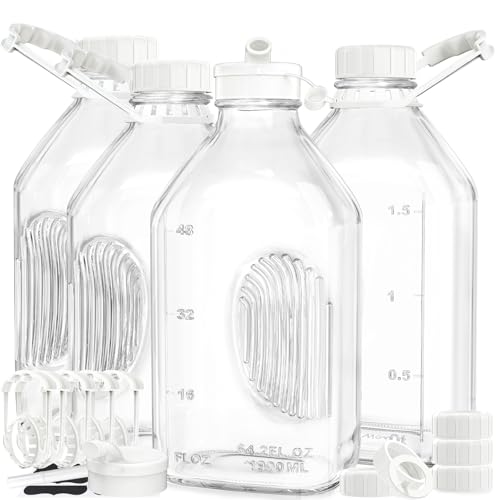
- Glass Jars and Reusable Strong Airtight Screw Lid: Glass milk jug with customized threaded lid and removable silicone sealing gasket, the lids are made of top quality material which are sturdy and will not cause cracking, easy to open and close, above all, provide a good seal and no leak
- With Scale-Each glass bottle comes with two scales: quarts and fluid ounce, the capacity of the water jug is 2 quarts/64 fl oz, can meet the needs of a family of four for breakfast
- Specification: The Height of glass pitcher with lid is 10 inches, the length is 5 inches and the width is 3.75 inches, the diameter of the mouth is 1.3 inches and is wide enough to put lemon slices and ice cubes
- Multi Uses: Glass carafe with lids not only can hold milk, cold water, cold beer, soy milk, almond milk, oat milk, milk, nut milk, ice coffee, lemonade, juice, liquor, beverage, drinks, syrup, but also can storage dry food as oats, nuts, beans, seeds
- Item List: All Glass Milk Jugs are packed in a securely package, and except for 4 glass containers with lid, also come with extra 4 Lids with silicone gaskets, 8 handles, 2 pour spouts, 4 stickers, meet daily needs, with longer usage time and save money
Grams In 1 Cup Of Whole Milk
Understanding how many grams are in 1 cup of whole milk is important for cooking and baking. Recipes often list ingredients by weight or volume. Knowing the weight helps measure accurately. This ensures better results in your dishes.
Standard Weight Of Whole Milk Per Cup
One cup of whole milk usually weighs about 240 grams. This is the standard measurement used in many recipes. It applies to liquid whole milk at room temperature. This weight helps convert between cups and grams easily.
Factors Affecting Milk Weight
Milk weight can change slightly based on temperature. Cold milk is denser and may weigh a bit more. Milk fat content also affects weight. Whole milk has more fat than skim milk, making it heavier. Measuring tools and technique can cause small differences too.
The conversion factors used here follow the US customary definitions in NIST’s kitchen measurement equivalencies; for converting ingredients by weight, King Arthur Baking’s ingredient weight chart is a reliable reference.
Measuring Milk For Recipes
Measuring milk correctly is key to making tasty recipes. Using the right amount keeps the texture and flavor just right. Recipes often ask for milk in cups, but grams can be more exact. Understanding how to measure milk in grams helps cooks of all levels.
Using Kitchen Scales
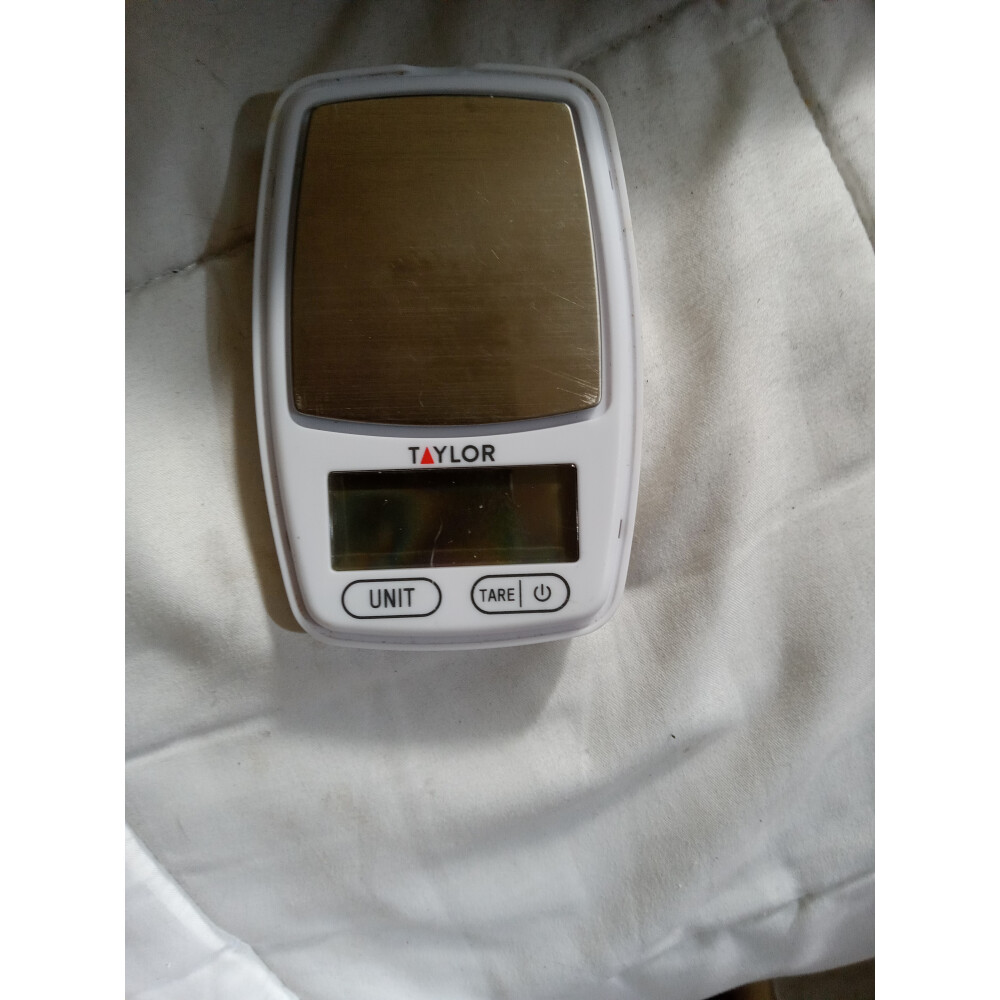
Kitchen scales give the most accurate milk measurement. Place a bowl on the scale and reset it to zero. Pour milk into the bowl slowly. Stop when the scale shows the needed grams. This method avoids guesswork and keeps the recipe balanced.
Converting Cups To Grams Easily
One cup of whole milk weighs about 240 grams. This simple number helps convert recipes quickly. Use it to change cup measurements to grams for better results. Remember, milk’s density makes this conversion reliable and easy to use.
Whole Milk Vs Other Milk Types
Whole milk is a popular choice for many recipes and daily use. It contains about 3.25% fat, giving it a creamy texture and rich flavor. Other milk types, like skim and 2%, vary in fat content and density. These differences affect weight, taste, and how recipes turn out.
Weight Differences Compared To Skim And 2% Milk
One cup of whole milk weighs about 245 grams. Skim milk weighs slightly less because it has almost no fat. A cup of skim milk is around 240 grams. Two percent milk sits between whole and skim, weighing close to 243 grams per cup. These small weight differences matter in baking and cooking measurements.
Impact On Recipe Outcomes
Whole milk adds creaminess and moisture to recipes. It works well in sauces, soups, and baked goods. Skim milk can make dishes thinner and less rich. Two percent milk offers a balance but may change texture slightly. Choosing the right milk type ensures better taste and texture in your dishes.
Tips For Precise Milk Measurement
Measuring milk accurately is key to great recipes and consistent results. Using the right tools and methods helps avoid mistakes. Small errors can change the taste and texture of your dish. Follow simple tips to get the exact amount of milk you need every time.
Common Measurement Mistakes
Many people use the wrong cup size or type for milk. Liquid measuring cups work best, not dry ones. Filling the cup too full or not reading the measurement at eye level causes errors. Pouring milk directly from the container without a steady surface leads to spills and inaccuracies.
Best Practices For Consistency
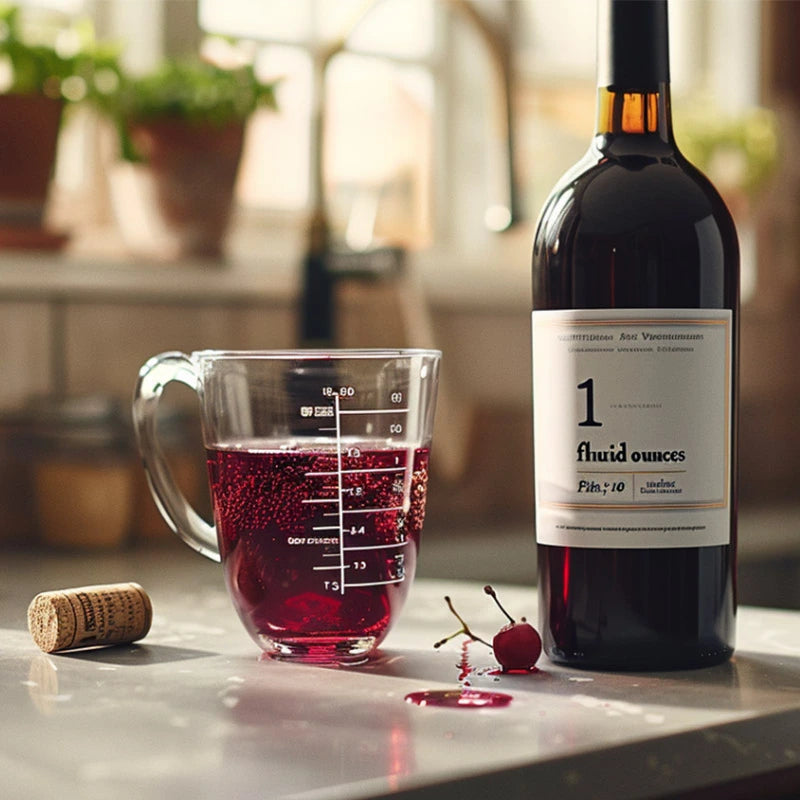
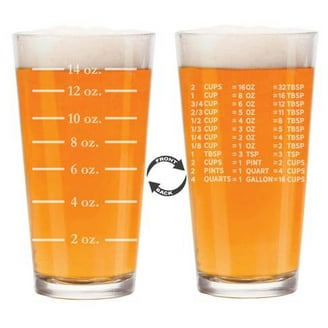
Use a clear liquid measuring cup with measurement marks. Place the cup on a flat surface before pouring milk. Check the measurement at eye level to avoid guessing. Pour slowly and stop at the correct line. Clean your measuring cup after each use to avoid mixing ingredients.

Credit: maolamilk.com
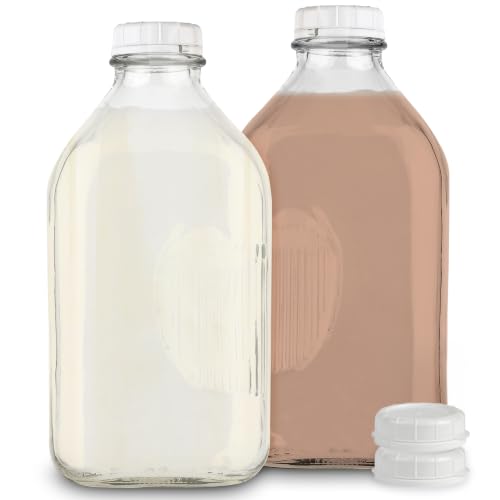
- Sustainable Glass: Made of premium quality, lead-free material, our crystal clear glass jugs are a great alternative to acrylic or plastic containers. Our milk bottles with lids are also recyclable and reusable.
- Dishwasher Safe: Our glass milk container is dishwasher safe and even easy to clean by hand. You’ll never have to worry about our milk jug warping from heat like plastic. It’s also stain and odor resistant. The caps are *Not* dishwasher safe.
- Versatile: Our glass juice bottles can be used as storage for bathroom accessories like bath salts and soap. Use them in your kitchen to store dried goods like seasonings, tea leaves, and sugar, or in your fridge for any kind of liquid.
- Great Value Pack: Comes with 2 jars and 4 white caps. Each have a maximum capacity of a half gallon (or 64 oz normal capacity). Dimensions are approximately 10 ½” Height, 5” Length, and 3 13/16” Width.
Frequently Asked Questions
How Many Grams Are In 1 Cup Of Whole Milk?
1 cup of whole milk weighs approximately 240 grams. This measurement is useful for cooking and baking recipes that require precision.
Does Whole Milk Weight Vary By Temperature?
Yes, whole milk weight can slightly change with temperature. Warmer milk may weigh less due to expansion, but the difference is minimal.
Can I Substitute Grams For Cups In Milk Recipes?
Yes, using grams for milk is more accurate in recipes. It ensures consistent results, especially in baking and cooking.
Is The Density Of Whole Milk Constant?
The density of whole milk is about 1. 03 grams per milliliter. This makes 1 cup roughly equal to 240 grams.
Conclusion
One cup of whole milk weighs about 240 grams. This measure helps with cooking and baking. Knowing this makes recipes easier to follow. It also ensures the right texture and taste. Always use a kitchen scale for best results. Simple steps like this improve your cooking skills.
Keep this fact in mind next time you cook. Accurate measurements bring better dishes every time.
Related conversions: How Many Ml is in 1 Gram · How to Weight Grams · 1 Gram Spoon · 1 /16 Teaspoon in Grams