Last Updated on August 9, 2026
Yes, coconut sugar can replace brown sugar in many recipes. It has a similar sweetness and texture.
But, there are some differences to consider. Coconut sugar has gained popularity as a natural sweetener. It’s often seen as a healthier alternative to regular sugars. Derived from the sap of coconut palm trees, it retains some nutrients. Brown sugar, on the other hand, is made from refined white sugar with added molasses.
While both sugars offer a caramel-like flavor, their nutritional content and glycemic index differ. This blog will explore whether coconut sugar is a good substitute for brown sugar. We will look at the taste, health benefits, and how they perform in cooking and baking. Stay tuned to learn if you can make the switch in your kitchen.
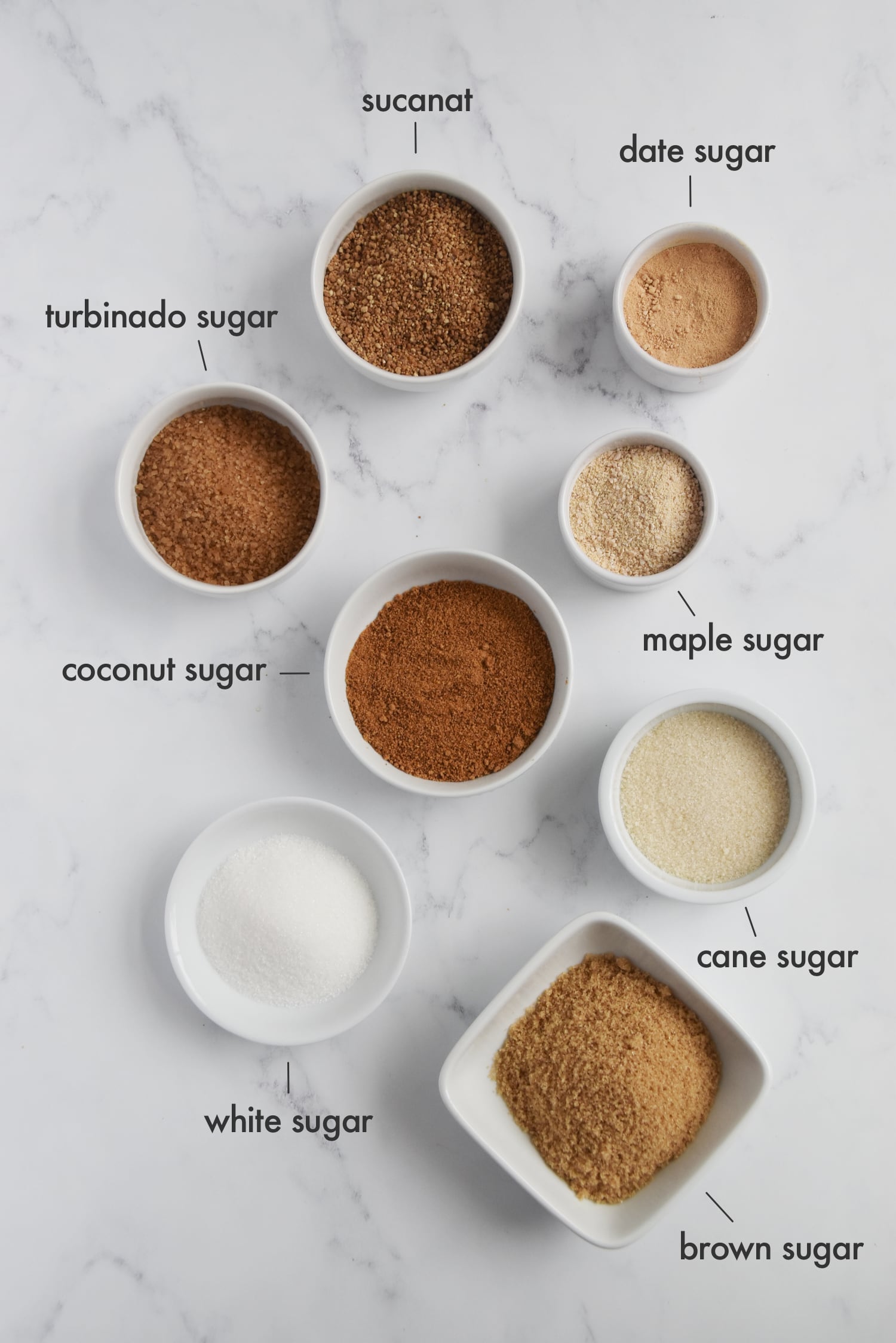
Credit: coconutsandkettlebells.com
Introduction To Coconut Sugar
In recent years, coconut sugar has gained popularity as a natural sweetener. But can it replace brown sugar in your recipes? Before diving into that, let’s first understand what coconut sugar is, how it’s made, and why it might be a good alternative. Welcome to our introduction to coconut sugar!
What Is Coconut Sugar?
Coconut sugar, also known as coconut palm sugar, is derived from the sap of the flower buds of the coconut palm tree. Unlike its name suggests, it doesn’t taste like coconut. Instead, it has a mild, caramel-like flavor that’s quite similar to brown sugar. This makes it a popular choice for those looking to reduce their refined sugar intake.
How Coconut Sugar Is Made
The process of making coconut sugar is surprisingly simple and natural. Here’s a step-by-step breakdown:
- Harvesting: Farmers tap the flower buds of the coconut palm to collect the sap.
- Boiling: The sap is then heated until most of the water evaporates, leaving behind a thick syrup.
- Drying: This syrup is allowed to dry and harden.
- Crushing: Finally, the hardened syrup is crushed into granules or powder, ready for use.
And there you have it – coconut sugar in your kitchen! This process ensures that coconut sugar retains many of its nutrients, making it a slightly healthier alternative to regular brown sugar.
So, are you ready to give coconut sugar a try in your favorite recipes? Stay tuned as we explore more about its benefits and how it stacks up against brown sugar in various dishes!
Nutritional Comparison
Coconut sugar and brown sugar are popular sweeteners. But how do they compare nutritionally? Understanding their nutritional differences can help you make informed choices. Let’s dive into the nutrients of each type of sugar.
Coconut Sugar Nutrients
Coconut sugar is derived from the sap of coconut palm trees. It contains vitamins and minerals. You can find potassium, magnesium, and iron in coconut sugar. It also has antioxidants. Coconut sugar has a lower glycemic index than brown sugar. This means it can cause a slower rise in blood sugar levels.
Brown Sugar Nutrients
Brown sugar is made from sugarcane or sugar beets. It contains molasses, which gives it a brown color. Brown sugar has calcium, potassium, and iron. But it has fewer nutrients than coconut sugar. Its glycemic index is higher. This means it can cause a faster rise in blood sugar levels.
Health Benefits
When it comes to sweeteners, many of us are on the lookout for healthier alternatives. Coconut sugar and brown sugar are two popular options, but can coconut sugar really replace brown sugar, especially when it comes to health benefits? Let’s dive into the health benefits of both to see how they compare.
Benefits Of Coconut Sugar
Coconut sugar has been gaining attention for its potential health benefits. Here are a few reasons why some people are making the switch:
- Lower Glycemic Index: Coconut sugar has a lower glycemic index (GI) than brown sugar. This means it causes a slower rise in blood sugar levels, which can be beneficial for those managing diabetes or looking to avoid blood sugar spikes.
- Nutrient-Rich: Unlike regular sugar, coconut sugar retains some of the nutrients found in the coconut palm, such as iron, zinc, calcium, and potassium. These minerals can contribute to your overall nutrient intake.
- Less Processed: Coconut sugar is less processed compared to brown sugar. It’s made by evaporating the sap of coconut palm flowers, which means it’s closer to its natural state.
- Environmental Impact: Coconut palms produce more sugar per acre than sugar cane and require fewer resources, making coconut sugar a more sustainable option.
Benefits Of Brown Sugar
Brown sugar, on the other hand, also has its own set of advantages. Here’s a quick look at what it brings to the table:
- Rich Flavor: Brown sugar has a distinct, rich flavor due to the molasses content. This can enhance the taste of baked goods and other recipes.
- Moisture Retention: The moisture in brown sugar can help keep baked goods soft and chewy, which is particularly useful in cookies and cakes.
- Trace Nutrients: Brown sugar contains small amounts of minerals like calcium, potassium, iron, and magnesium. However, these are present in very tiny amounts.
In conclusion, while both coconut sugar and brown sugar offer unique benefits, your choice might depend on your specific health goals and dietary needs. Coconut sugar’s lower glycemic index and nutrient content make it a compelling choice for those looking to manage their blood sugar levels and increase their nutrient intake. On the other hand, brown sugar’s rich flavor and moisture-retention properties are hard to beat in baking. Why not experiment with both and see which one suits your lifestyle better?
What about you? Have you tried substituting coconut sugar for brown sugar in your recipes? Share your experiences in the comments below!
Glycemic Index Impact
Have you ever wondered if coconut sugar could replace brown sugar in your diet? One key factor to consider is the glycemic index (GI) impact. The GI measures how quickly a food raises blood sugar levels. Let’s delve into the specifics of the glycemic index of coconut sugar and brown sugar, to see how they compare.
Coconut Sugar’s Glycemic Index
Coconut sugar has a glycemic index of around 35. This puts it in the low GI category. Low GI foods are digested slowly, causing a gradual rise in blood sugar. This makes coconut sugar a more stable choice for those watching their blood sugar levels. Using coconut sugar can help you avoid the quick spikes and crashes that come with high GI foods.
Here’s a simple table to illustrate:
| Sweetener | Glycemic Index |
|---|---|
| Coconut Sugar | 35 |
Choosing coconut sugar over higher GI sweeteners may help with sustained energy levels. Have you ever felt sluggish after a sugary snack? That’s often due to a high GI food causing a rapid blood sugar spike, followed by a crash.
Brown Sugar’s Glycemic Index
On the other hand, brown sugar has a glycemic index of around 64. This is considered a moderate GI. While it’s not as high as some other sweeteners, it still causes a quicker rise in blood sugar compared to coconut sugar.
Take a look at this comparison:
| Sweetener | Glycemic Index |
|---|---|
| Brown Sugar | 64 |
Using brown sugar might lead to those energy crashes. Do you remember the last time you felt a surge of energy after a sugary treat, only to feel tired shortly after? That could be the brown sugar at work.
In conclusion, if you’re considering switching from brown sugar to coconut sugar, the glycemic index is a compelling reason to make the change. Coconut sugar offers a slower, more stable energy release. Plus, it can help avoid those dreaded sugar crashes. Isn’t that sweet?
Flavor And Taste Differences
When it comes to baking or sweetening your coffee, the type of sugar you use can make a big difference. Coconut sugar and brown sugar are popular choices, but do they taste the same? In this section, we’ll dive into the flavor and taste differences of these two sugars. By understanding their unique profiles, you can make a better choice for your recipes.
Taste Profile Of Coconut Sugar
Coconut sugar is made from the sap of the coconut palm tree. It has a mild, caramel-like flavor. Some people even say it has a hint of butterscotch. Unlike white sugar, which is very sweet, coconut sugar has a more subtle sweetness. This makes it a good choice for those who prefer less sugary-tasting treats.
One thing to note is that coconut sugar has a slight coconut flavor. However, it is not overpowering. If you like the taste of coconut, you will probably enjoy using coconut sugar in your recipes.
Taste Profile Of Brown Sugar
Brown sugar is simply white sugar mixed with molasses. This gives it a rich, deep flavor. The molasses adds a touch of bitterness, which can balance out the sweetness. There are two types of brown sugar: light and dark. Light brown sugar has less molasses, making it milder in flavor. Dark brown sugar has more molasses, giving it a stronger taste.
Brown sugar is often used in baking because it adds moisture and a chewy texture to cookies and cakes. Its strong flavor can enhance the taste of many desserts. If you love rich, flavorful sweets, brown sugar is a great choice.
Baking And Cooking Uses
Coconut sugar and brown sugar are often compared in the kitchen. Both sweeteners bring unique flavors and textures to dishes. Let’s explore how each can be used in baking and cooking.
Using Coconut Sugar In Recipes
Coconut sugar is derived from coconut palm sap. It has a caramel-like taste. This makes it great for baked goods. Use it in cookies, cakes, and muffins. It melts well and adds a rich flavor. Coconut sugar is less refined. It retains some nutrients. It is a good choice for those seeking a less processed sweetener.
In savory dishes, coconut sugar adds depth. Use it in marinades and sauces. It works well with soy sauce and vinegar. This combination enhances flavors in dishes like stir-fries. Remember, coconut sugar is less sweet than brown sugar. You might need to use a bit more to achieve the desired sweetness.
Using Brown Sugar In Recipes
Brown sugar is a staple in many kitchens. It is made by adding molasses to refined white sugar. This gives it a moist texture and a deep flavor. Brown sugar is perfect for baked goods like brownies and gingerbread. It also helps baked goods stay moist longer.
In cooking, brown sugar is versatile. It works well in glazes for meats. It adds a sweet and tangy flavor. Use it in BBQ sauces and baked beans. The molasses in brown sugar adds a unique taste. This enhances both sweet and savory dishes. Brown sugar is sweeter than coconut sugar. Adjust the amount if substituting one for the other.
Environmental Impact
When considering alternative sweeteners, it’s important to look beyond taste and health benefits. The environmental impact of our choices plays a crucial role in sustainability. Let’s dive into the environmental aspects of two popular sweeteners: coconut sugar and brown sugar. We’ll explore their sustainability to help you make an informed decision that’s good for your taste buds and the planet.
Sustainability Of Coconut Sugar
Coconut sugar is derived from the sap of coconut palm trees. These trees are incredibly versatile and sustainable. Here’s why:
- Multi-purpose Trees: Coconut palms provide more than just sugar. They produce coconuts, coconut oil, and coconut water. This means one tree can give multiple products, reducing the need to plant more trees.
- Low Water Usage: Coconut palms require less water compared to sugarcane. This is great for areas with limited water resources.
- Long Lifespan: A coconut palm tree can produce sap for up to 70 years. Imagine the environmental savings over such a long period!
- Biodiversity: Coconut farming often supports diverse ecosystems, unlike mono-crop sugarcane plantations which can harm the environment.
In short, coconut sugar is not just a sweet treat; it’s a friend to the environment too!
Sustainability Of Brown Sugar
Brown sugar, on the other hand, is made from sugarcane or sugar beet. While it’s a common sweetener, its production process poses some environmental concerns:
- High Water Usage: Sugarcane needs a lot of water. This can be a problem in regions where water is scarce.
- Land Use: Sugar plantations take up large areas of land. This can lead to deforestation and loss of habitats for many species.
- Environmental Impact: The production process of brown sugar often involves chemicals and fertilizers that can harm the soil and water sources.
- Shorter Lifespan: Unlike coconut palms, sugarcane needs to be replanted every few years, which can strain the land.
While brown sugar is a beloved staple in many households, its production is not as gentle on the Earth.
So, next time you’re deciding between coconut sugar and brown sugar, remember the environmental impact. Choosing coconut sugar could be a sweeter deal for the planet!
Cost And Availability
When considering if coconut sugar can replace brown sugar, it’s important to look at both the cost and availability of these sweeteners. After all, if one is significantly more expensive or harder to find, it might not be a practical substitute. Let’s dive into the details.
Price Comparison
First, let’s talk about the price. Generally, coconut sugar tends to be more expensive than brown sugar. Why? It’s all about the process. Coconut sugar is made from the sap of the coconut palm, which is a labor-intensive process. Here’s a simple comparison:
| Sugar Type | Average Price per Pound |
|---|---|
| Brown Sugar | $1.50 – $2.00 |
| Coconut Sugar | $4.00 – $6.00 |
As you can see, coconut sugar can be double or even triple the price of brown sugar. If you’re watching your budget, this might be a significant consideration. However, some people find the taste and health benefits of coconut sugar worth the extra cost. It’s a bit like choosing between regular and organic produce at the grocery store.
Market Availability
Next, let’s consider how easy it is to find these sugars. Brown sugar is a staple in most grocery stores. You can find it in various forms, like light and dark brown sugar. It’s always there, ready for your baking needs.
On the other hand, coconut sugar might require a bit more hunting. Larger grocery stores and health food stores usually carry it, but smaller stores might not. It’s more common in specialty sections or online. Here’s a quick rundown:
- Brown Sugar: Widely available in most grocery stores.
- Coconut Sugar: Found in larger stores, health food stores, and online.
If you’re living in a big city, finding coconut sugar is probably no big deal. But in smaller towns or rural areas, it might be more of a challenge. It’s always a good idea to check your local options or consider online shopping for better availability.
Ultimately, if the cost and availability fit your needs, coconut sugar can be a great alternative to brown sugar. It all depends on your priorities and where you shop.
Making The Swap
Considering a healthier alternative to brown sugar? Coconut sugar might be your answer! This natural sweetener has been gaining popularity due to its lower glycemic index and rich, caramel-like flavor. But how do you make the switch in your favorite recipes? Let’s dive into the process of substituting coconut sugar and adjusting your recipes to ensure sweet success!
Substituting Coconut Sugar
Swapping coconut sugar for brown sugar is simpler than you might think. You can use a 1:1 ratio, meaning if your recipe calls for one cup of brown sugar, you can replace it with one cup of coconut sugar. Easy, right?
Here are a few tips to make the substitution smoother:
- Measure Accurately: Coconut sugar has a finer texture than brown sugar, so be sure to pack it down when measuring.
- Mix Well: Coconut sugar can clump, so mix it well into your dry ingredients to ensure even distribution.
- Adjust Moisture: Coconut sugar may absorb moisture differently, so keep an eye on the texture of your dough or batter.
With these tips, you can enjoy the benefits of coconut sugar in your baking without missing out on the sweetness you love.
Adjusting Recipes
Now that you know how to substitute coconut sugar, let’s talk about adjusting your recipes. While the 1:1 substitution works in most cases, you may need to tweak other ingredients to get the best results.
Here’s a simple guide to help you:
- Check the Flavor: Coconut sugar has a unique taste. While it’s delicious, it can change the flavor of your dish. Start with a small batch to see how you like it.
- Monitor Baking Time: Recipes with coconut sugar might bake faster. Keep an eye on your oven and check for doneness a few minutes earlier than the recipe suggests.
- Adjust Liquids: Because coconut sugar absorbs moisture differently, you may need to add a little extra liquid to your recipe. Start with a tablespoon of milk or water and adjust as needed.
By following these simple adjustments, you can enjoy your favorite treats with a healthier twist. Plus, experimenting in the kitchen is half the fun! Who knows, you might discover a new favorite recipe in the process.
So, are you ready to make the swap? Coconut sugar is a fantastic alternative to brown sugar, and with a few tweaks, you can enjoy all your beloved recipes in a healthier way. Happy baking!

Credit: www.healthline.com

Credit: www.amazon.com
Frequently Asked Questions
Can I Use Coconut Sugar Instead Of Brown Sugar?
Yes, you can use coconut sugar instead of brown sugar. It has a similar sweetness and works well in recipes.
What Is A Good Substitute For Brown Sugar?
A good substitute for brown sugar is white sugar mixed with molasses. Use 1 cup white sugar and 1 tablespoon molasses.
How Does Coconut Sugar Affect Baking?
Coconut sugar adds a mild caramel flavor to baked goods. It can make them slightly denser and moister. Substitute it 1:1 for white sugar.
Is Coconut Sugar Healthier Than White Or Brown Sugar?
Coconut sugar has a lower glycemic index than white or brown sugar. It contains small amounts of nutrients and antioxidants.
Conclusion
Coconut sugar can be a good alternative to brown sugar. It offers a unique flavor and lower glycemic index. You might enjoy experimenting with both in your recipes. Each sweetener has its own benefits and taste. Coconut sugar is less processed and more natural.
Brown sugar is familiar and widely used. Try both to see which suits your needs best. Your choice depends on personal preference and health goals. Either can enhance your dishes in a delicious way. Keep exploring and enjoy baking!