Last Updated on August 10, 2026
Can You Substitute Granulated Sugar for Brown Sugar in your go-to baking recipes without sacrificing taste or texture? Absolutely—you can substitute granulated sugar for brown sugar; this common sugar swap can save the day. But it may change the taste and texture.
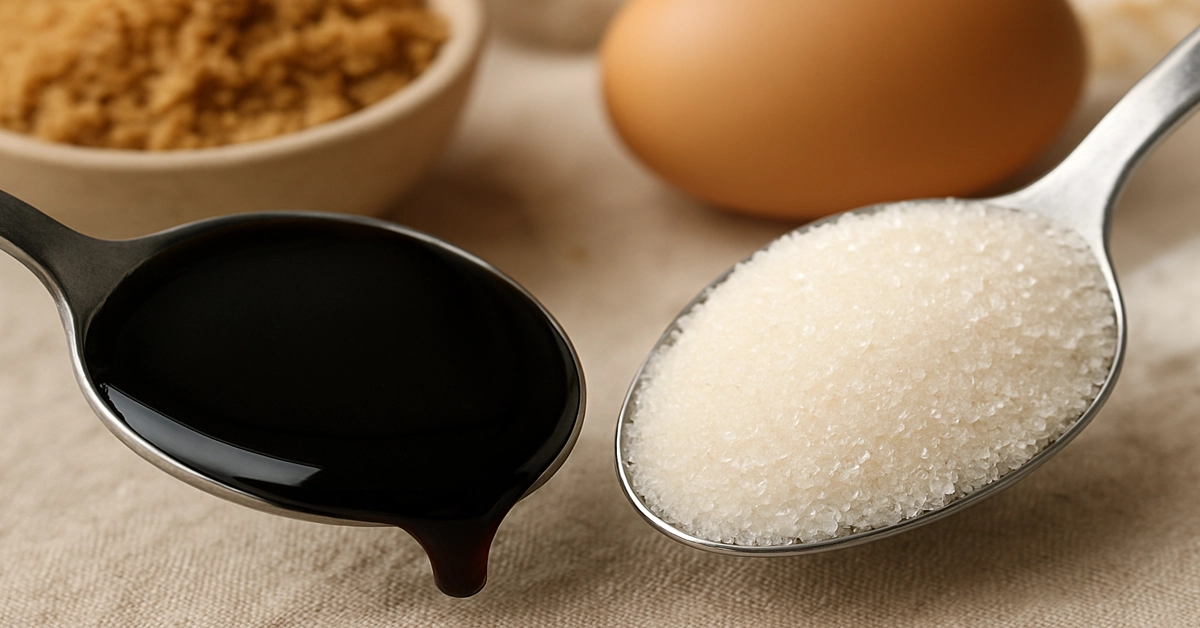
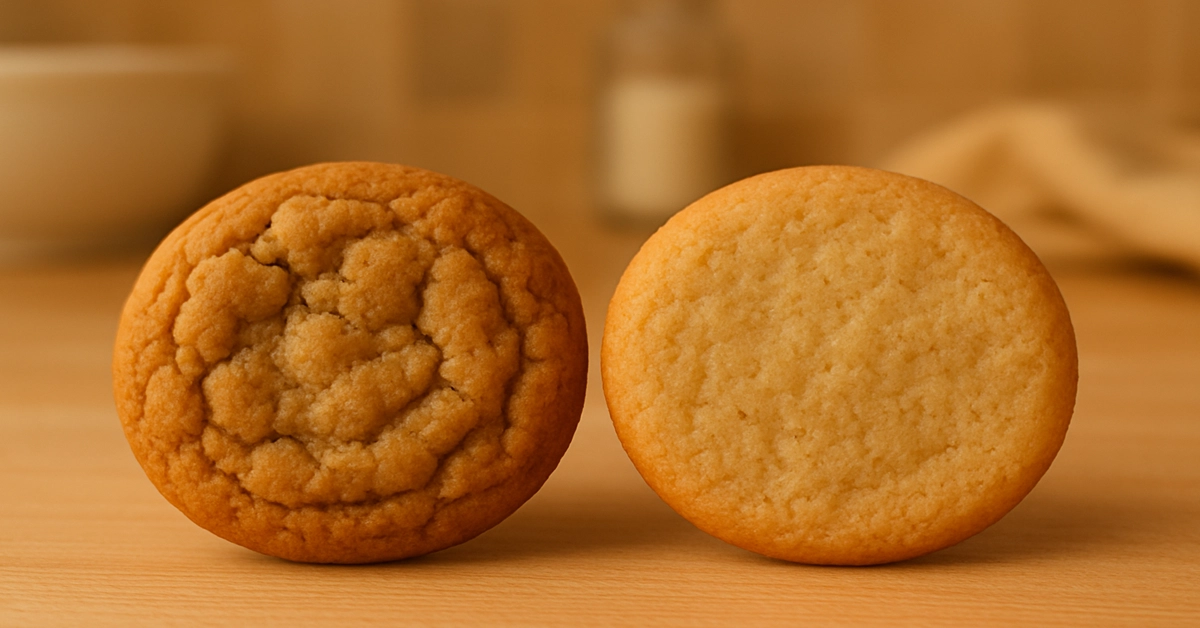
Understanding the differences between granulated sugar and brown sugar is key. Granulated sugar is white and more refined, while brown sugar contains molasses, giving it a moist texture and richer flavor. This can affect baking results, as brown sugar adds moisture and a distinct taste.
In this guide, we’ll explore the key differences between white granulated sugar and moist brown sugar, including how molasses affects moisture and flavor, and provide expert tips for seamless baking substitutions to ensure your cookies, cakes, and treats turn out perfectly every time.
Table of Contents

Granulated Sugar Vs. Brown Sugar
When it comes to baking and cooking, sugar is an essential ingredient. But did you know that not all sugars are created equal? Granulated sugar and brown sugar, for instance, have distinct characteristics that can affect the outcome of your recipes. So, can you substitute granulated sugar for brown sugar? Let’s dive into the key differences and common uses of these two types of sugar.
Key Differences
Understanding the differences between granulated sugar and brown sugar is crucial for any kitchen enthusiast.
- Appearance: Granulated sugar is white and fine, while brown sugar is, well, brown and moist.
- Taste: Brown sugar has a richer, more complex flavor due to the molasses content. Granulated sugar is sweeter with a more straightforward sweetness.
- Moisture Content: Brown sugar contains more moisture, which can affect the texture of your baked goods. Granulated sugar, on the other hand, is dry and can make your treats crispier.
Common Uses
Both types of sugar have their unique applications in cooking and baking.
| Granulated Sugar | Brown Sugar |
|---|---|
| Perfect for making candy, syrups, and light cakes. | Ideal for cookies, brownies, and other baked goods where a chewier texture is desired. |
| Often used in beverages like tea and coffee. | Great for adding depth to sauces and marinades. |
So, can you substitute one for the other? In a pinch, yes, but remember to consider the impact on flavor and texture. For a more authentic result, stick to the sugar type specified in your recipe. Happy baking!
Impact On Flavor
Substituting granulated sugar for brown sugar can change the flavor of your dish. Brown sugar has a rich, molasses-like taste, while granulated sugar is sweeter but less complex. Understanding these differences is crucial for baking and cooking. Let’s explore how this substitution impacts flavor in more detail.
Taste Profiles
Granulated sugar tastes sweet but neutral. It adds sweetness without changing the overall flavor. Brown sugar, on the other hand, has a deeper, caramel-like taste. This is due to the molasses content. Recipes calling for brown sugar often rely on this unique flavor. Switching to granulated sugar means losing that depth.
Recipe Adjustments
When substituting granulated sugar for brown sugar, consider how it affects moisture. Brown sugar adds moisture due to its molasses. Granulated sugar is dry and may lead to drier results. You might need to adjust liquids in your recipe. This ensures the final product stays moist and flavorful.
Also, check the sweetness level. Granulated sugar is slightly sweeter. You may need to use a bit less to avoid oversweetening. Start with a little less and taste as you go. This helps maintain the desired sweetness without overpowering other flavors.
Texture Considerations
When baking, the type of sugar you use can significantly impact the texture of your baked goods. The choice between granulated sugar and brown sugar isn’t just about flavor—it’s also about how they affect the moisture, structure, and overall finish of your treats. Let’s dive into the key texture considerations when substituting granulated sugar for brown sugar in your recipes.
Moisture Content
One of the main differences between granulated sugar and brown sugar is moisture content. Brown sugar contains molasses, which not only gives it its characteristic color and flavor but also adds moisture. This extra moisture can lead to baked goods that are softer and chewier.
For example, if you’re making cookies and you substitute granulated sugar for brown sugar, you might notice that the cookies turn out a bit crisper and less chewy. This is because granulated sugar lacks the moisture that brown sugar provides. However, if you prefer your cookies on the crispier side, this might be a desirable outcome!
Baking Results
The type of sugar you use can also affect the final baking results. Granulated sugar tends to create a more uniform and consistent texture. It dissolves easily and can give baked goods a light and airy quality, which is perfect for cakes and meringues.
On the other hand, brown sugar’s higher moisture content can lead to denser baked goods. If you’re making something like banana bread or brownies, brown sugar can help keep these items moist and rich. However, if you only have granulated sugar on hand and you’re aiming for a moist bake, consider adding a bit of extra liquid, such as milk or water, to your recipe to compensate for the moisture difference.
In conclusion, while substituting granulated sugar for brown sugar can work in a pinch, it’s important to consider how this swap will affect the texture of your baked goods. By understanding these texture considerations, you can make better-informed decisions and ensure your treats turn out just the way you like them!
Nutritional Differences
When it comes to baking, sugar is a staple ingredient. But what if you find yourself out of brown sugar? Can you substitute granulated sugar for brown sugar? Before you make the switch, it’s important to understand the nutritional differences between the two. Let’s break it down under a few key headings.
Caloric Content
Both granulated sugar and brown sugar are high in calories, but there are slight differences. Granulated sugar has about 16 calories per teaspoon. On the other hand, brown sugar contains around 17 calories per teaspoon. While this might not seem like much, those extra calories can add up over time, especially if you bake regularly.
Nutrient Variations
One of the main differences between granulated sugar and brown sugar is their nutrient content. Brown sugar contains molasses, which gives it its distinctive color and flavor. This also means it has trace amounts of minerals like calcium, potassium, iron, and magnesium. These nutrients are not present in granulated sugar.
However, the amount of these minerals in brown sugar is minimal. They are not enough to make a significant impact on your diet. So, if you’re looking for a healthier option, you might want to consider other alternatives, like honey or maple syrup, which contain more nutrients.
In conclusion, while you can substitute granulated sugar for brown sugar in most recipes, it’s important to be aware of the nutritional differences. Whether you choose one over the other will depend on your dietary needs and flavor preferences. Happy baking!
Expert Tips For Substitution
So, you’re in the middle of baking your favorite cookies when you realize you’ve run out of brown sugar. Don’t panic! With a few expert tips, you can successfully substitute granulated sugar for brown sugar and still achieve delicious results. Let’s dive into some practical advice that will save your recipe and your sanity.
Adjusting Measurements
First things first, let’s talk measurements. Brown sugar is known for its moisture content and molasses flavor, which means a direct substitution can be tricky. Here’s how you can adjust:
- Basic Swap: Use 1 cup of granulated sugar for 1 cup of brown sugar.
- Adding Moisture: To mimic the moisture in brown sugar, add 1 tablespoon of molasses per cup of granulated sugar.
Remember, a little tweak here and there can make a big difference. It’s all about balancing the ingredients to get that perfect taste and texture.
Enhancing Flavor
Missing that deep, rich flavor that brown sugar brings? Don’t worry! Here are some tips to enhance the taste of your substitute:
- Molasses Magic: As mentioned, adding molasses can help. If you don’t have molasses, honey or maple syrup can also work, though they will add their own unique flavors.
- Spice It Up: Consider adding a pinch of cinnamon or nutmeg. These spices can help replicate the warm flavor profile of brown sugar.
- Vanilla Extract: A splash of vanilla extract can enhance the overall flavor and bring a bit of depth to your baked goods.
Pro tip: Taste your mixture before baking. A little taste test can help you determine if you need to make any further adjustments.
For more in-depth guidance on making this swap work in various recipes, check out this resource on how to substitute white sugar for brown sugar.
Common Recipes For Substitution
When it comes to baking or cooking, sometimes you might find yourself in a pinch. You reach for the brown sugar, and lo and behold, it’s all gone! Don’t worry, granulated sugar can often save the day. Whether you’re baking cookies and cakes or whipping up sauces and glazes, there are times when you can substitute granulated sugar for brown sugar. Let’s dive into some everyday recipes where this switch can work.
Cookies And Cakes
Baking cookies and cakes is like a delicate dance. Each ingredient plays a crucial role, and sugar is no exception. Brown sugar gives your baked goods a chewy texture and a rich, caramel flavor. However, if you only have granulated sugar, you can still make it work. Here’s how:
- Cookies: When substituting granulated sugar for brown sugar in cookies, keep in mind that your cookies might turn out a bit crisper and lighter in color. To add back some of that lost moisture, consider adding a tablespoon of honey or molasses.
- Cakes: Using granulated sugar instead of brown sugar for cakes will result in a lighter texture and flavor. This might be beneficial for specific recipes, but if you miss the depth of brown sugar, try adding a bit of extra vanilla extract.
Sauces And Glazes
Sauces and glazes often rely on brown sugar for that deep, rich sweetness and color. But what if you’re out of brown sugar? Fear not! Granulated sugar can step in. Here’s what you need to know:
- Barbecue Sauce: If your barbecue sauce recipe calls for brown sugar, granulated sugar can be used in a pinch. The flavor will be slightly different, but you can add a touch of molasses or honey to mimic the depth of brown sugar.
- Glazes: For glazes on ham or other meats, granulated sugar will work, but might not caramelize as well as brown sugar. Adding a bit of molasses can help achieve that perfect glaze.
In conclusion, while brown sugar and granulated sugar are not identical, you can often substitute one for the other with some minor adjustments. Whether you are baking cookies and cakes or making sauces and glazes, understanding how to tweak your recipes will help you achieve delicious results even when you need to make a substitution.
Potential Pitfalls
Substituting granulated sugar for brown sugar in recipes can lead to issues. Both sugars have different properties. This can affect your baked goods. Below are some potential pitfalls to be aware of.
Overly Dry Texture
Granulated sugar lacks the moisture found in brown sugar. This can make your baked goods dry. Cookies may turn out crumbly. Cakes could be less moist. Adding extra liquid can help. But it may not always fix the issue.
Altered Caramelization
Brown sugar contains molasses. This affects how it caramelizes. Granulated sugar caramelizes differently. This can change the flavor and color of your baked goods. You might miss the rich, deep flavor of caramel. The texture might also be different. Your treats could end up with a less appealing finish.
Alternative Sweeteners
When it comes to baking, sugar is a vital ingredient that adds sweetness and helps with texture. But what if you don’t have brown sugar on hand? Can you substitute granulated sugar for brown sugar? The answer is yes, but with some considerations. Let’s explore some alternative sweeteners you can use when you’re in a pinch and want to maintain that deliciously sweet flavor in your recipes.
Honey And Maple Syrup
If you’re looking for a natural alternative to granulated and brown sugar, honey and maple syrup are excellent choices. They both add a unique flavor profile to your baked goods. Honey, with its floral notes, and maple syrup, with its rich, caramel-like taste, can elevate your desserts to a whole new level.
- Honey: Use about 3/4 cup of honey for every cup of brown sugar. Reduce the liquid in the recipe by 1/4 cup to account for the extra moisture in honey.
- Maple Syrup: Use 3/4 cup of maple syrup for each cup of brown sugar. Again, reduce the liquid in the recipe by 3 tablespoons.
Both honey and maple syrup can make your baked goods moist and flavorful. So, why not give them a try next time you’re out of brown sugar?
Coconut Sugar
Another fantastic alternative is coconut sugar. Derived from the sap of coconut palm trees, coconut sugar has a lower glycemic index compared to regular sugar, making it a slightly healthier option. It has a mild caramel flavor, similar to brown sugar, which makes it a great substitute.
- 1:1 Ratio: You can substitute coconut sugar for brown sugar in a 1:1 ratio—no need to adjust the liquid in your recipe.
- Texture: Coconut sugar has a coarser texture. If you prefer a smoother texture, you can pulse it in a food processor before using it.
Using coconut sugar is a win-win. You get the sweetness you need without compromising on flavor or health. It’s a simple swap that even beginners in baking can manage without a hitch.
In conclusion, while granulated sugar can be used as a substitute for brown sugar, exploring alternative sweeteners like honey, maple syrup, and coconut sugar can add a delightful twist to your recipes. These substitutes not only provide sweetness but also bring their own unique flavors and textures, making your baked goods even more enjoyable.
Related Baking Substitutions
Baking often involves quick swaps when ingredients run low. Beyond sugar substitutions, here are some other common alternatives to keep your recipes on track.
Substituting All Purpose for Cake Flour: A Simple Guide
Wondering how to substitute all-purpose flour for cake flour in recipes without compromising that light, airy texture? All-purpose flour, with its higher protein content, can stand in for cake flour in a pinch, but it requires simple adjustments to avoid dense results. Cake flour, known for its soft, airy results in delicate baked goods like angel food cake or sponge cake, has about 7-9% protein, while all-purpose flour clocks in at 10-12%, which can lead to denser textures if not modified.
For the best all-purpose flour swap for delicate cakes, mix 1 cup of all-purpose flour with 2 tablespoons of cornstarch (removing 2 tablespoons of flour first) to mimic cake flour’s lower protein and finer consistency. This baking alternative works wonders in sponge cakes, muffins, and pastries, ensuring tender crumbs every time. Explore more flour types and tips in our detailed guide on Substituting All-Purpose Flour for Cake Flour.
Buttermilk Substitute for Heavy Cream: Quick and Easy Options
If you’re out of heavy cream, a buttermilk substitute for heavy cream can save creamy sauces, soups, or baked goods. Mix 3/4 cup buttermilk with 1/4 cup melted butter for a 1:1 replacement that maintains richness and tang. This works well in recipes needing thickness without altering flavor drastically.
Choosing the Right Cookie Cake Pan
When swapping sugars in recipes like cookie cakes, the right tools make all the difference. A high-quality cookie cake pan ensures even baking and easy release for those giant, chewy treats perfect for celebrations. Whether you’re using granulated or brown sugar, explore our guide on selecting the best Cookie Cake Pan to elevate your baking game with professional results.
FAQ about “Can You Substitute Granulated Sugar for Brown Sugar“
Are Brown Sugar And Granulated Sugar Interchangeable?
Brown sugar and granulated sugar are not always interchangeable. Brown sugar has molasses, adding moisture and a distinct flavor.
How Do You Substitute White Sugar For Brown Sugar?
Use an equal amount of brown sugar to replace white sugar. Brown sugar adds moisture and a rich flavor.
What To Do If You Don’t Have Brown Sugar?
Use white sugar and molasses to make brown sugar. Mix 1 cup of sugar with 1 tablespoon of molasses.
Can You Make Brown Sugar From Granulated Sugar?
Yes, you can make brown sugar from granulated sugar. Mix one cup of granulated sugar with one tablespoon of molasses. Stir until fully combined.
Conclusion
Substituting granulated sugar for brown sugar can work in many recipes. Expect slight changes in taste and texture. Granulated sugar lacks molasses, making it less moist. Brown sugar adds a deeper flavor and more moisture. Adjust recipes as needed. Baking is flexible, so experiment.
Your desserts might taste a bit different, but still delicious. Enjoy trying new variations. Happy baking!