Last Updated on August 10, 2026
Active Dry Yeast Recipes bring magic to your kitchen. This tiny ingredient transforms dough into delicious bread and pastries.
Whether you’re a seasoned baker or just starting, active dry yeast is your friend. It makes bread rise, adds flavor, and creates fluffy textures. Imagine the smell of freshly baked bread wafting through your home. The joy of seeing dough double in size.
Baking with yeast connects you to traditions and cultures around the world. From pizza crusts to sweet rolls, the possibilities are endless. Dive into the art of baking with yeast. Discover recipes that will inspire and delight. Ready to explore the world of baking? Let’s get started with some amazing active dry yeast recipes!
Introduction To Active Dry Yeast
Active dry yeast is a staple ingredient in many kitchens. It’s a type of yeast used in baking that helps dough rise. This gives bread and other baked goods their light, airy texture. Understanding how to use active dry yeast can take your baking to the next level.
What Is Active Dry Yeast?
Active dry yeast is a dehydrated form of yeast. It consists of live yeast cells in a dormant state. When mixed with warm water, it reactivates. This process is called proofing. Proofing helps ensure the yeast is alive and ready to use. It is widely available in small packets or jars. You can find it in the baking aisle of most grocery stores.
Benefits In Baking
Active dry yeast offers several benefits in baking. First, it provides a consistent and reliable rise. This ensures your bread turns out fluffy and light every time. Second, it adds a distinct, rich flavor to baked goods. This flavor is hard to achieve with other leavening agents. Third, it extends the shelf life of bread. This keeps your homemade bread fresh for longer.
Using active dry yeast also allows for better control over the fermentation process. This can lead to more complex flavors and textures. So, the next time you bake, consider using active dry yeast. It can make a big difference in your final product.
Classic Bread Recipes
Active dry yeast recipes bring classic bread to life with ease. From fluffy loaves to crusty rolls, these recipes promise delightful results. Perfect for both beginner and seasoned bakers seeking reliable and tasty bread options.
Bread making is an art, and there’s something deeply satisfying about the smell of fresh bread wafting through your home. Using active dry yeast, you can create a variety of classic bread recipes that are both simple and delicious. Below, we delve into two of the most beloved types: Basic White Bread and Whole Wheat Variation. ###Basic White Bread
Basic white bread is a staple in many households. It’s perfect for sandwiches, toast, or just enjoying a slice with butter. To start, gather your ingredients: all-purpose flour, water, active dry yeast, sugar, salt, and a bit of oil. Mix the yeast with warm water and a pinch of sugar. Allow it to sit for about 10 minutes until it becomes frothy. Combine the flour and salt in a large bowl. Slowly add the yeast mixture and oil, mixing until a dough forms. Knead the dough on a floured surface for about 10 minutes. This step is crucial for developing the gluten. Let the dough rise in a warm place until it doubles in size, roughly one hour. Punch it down, shape it into a loaf, and place it in a greased loaf pan. Allow it to rise again for about 30 minutes. Bake in a preheated oven at 375°F (190°C) for 30-35 minutes or until golden brown. Isn’t it amazing how simple ingredients can create something so delightful? ###Whole Wheat Variation
If you’re looking for a healthier option, whole wheat bread is an excellent choice. It offers more fiber and nutrients without sacrificing taste. You’ll need whole wheat flour, active dry yeast, warm water, honey, salt, and oil. Start by mixing the yeast with warm water and honey. Let it sit until frothy. In a large bowl, combine the whole wheat flour and salt. Add the yeast mixture and oil, stirring until a dough forms. Knead the dough for about 10 minutes. Whole wheat dough may be a bit stickier, so flour your hands if needed. Allow the dough to rise in a warm place for about an hour. Once doubled, punch it down, shape it, and place it in a loaf pan. After a second rise of about 30 minutes, bake at 375°F (190°C) for 35-40 minutes. Do you see how easy it is to make nutritious bread at home? Both of these recipes are straightforward and rewarding. Give them a try, and you’ll never want store-bought bread again. What will you spread on your freshly baked bread?Sweet Treats
Discover delightful recipes with active dry yeast. Perfect for baking sweet breads, rolls, and pastries. Create mouth-watering treats for any occasion.
Are you ready to transform your kitchen into a haven of sweet aromas and delicious treats? Active dry yeast is your secret ingredient for creating delightful desserts that are not only easy to make but also irresistibly tasty. Whether you’re a seasoned baker or a beginner, these sweet treats will have you reaching for your apron and rolling pin in no time. Let’s dive into the world of sweet recipes that promise to satisfy your cravings and impress your family and friends.Cinnamon Rolls
Cinnamon rolls are the epitome of comfort food. Soft, fluffy, and filled with aromatic cinnamon sugar, they are perfect for breakfast or an afternoon snack. To make them, start by activating your yeast in warm milk. Once bubbly, mix it with flour, sugar, and a pinch of salt. Knead the dough until smooth and let it rise in a warm spot. Roll out the dough, spread a generous layer of butter, and sprinkle with cinnamon sugar. Roll it up, slice it, and let the rolls rise again. Bake until golden and drizzle with cream cheese icing. The hardest part? Waiting for them to cool!Sweet Buns
Sweet buns are a versatile treat that can be filled with anything from sweetened cream cheese to fruity jams. Start by dissolving active dry yeast in warm water with a touch of sugar to give it a boost. Combine the bubbly yeast with flour, eggs, and melted butter, creating a rich and pliable dough. Let the dough rise until it’s doubled in size. Divide into portions, flatten, and fill with your choice of filling. Shape them into buns and let them rise once more. Bake until golden brown and enjoy them warm. Imagine the delightful surprise on your guests’ faces when they bite into these homemade delights! Sweet treats like cinnamon rolls and sweet buns not only fill your home with heavenly scents but also bring joy to those who indulge in them. So, which sweet treat will you bake first? The comfort of a cinnamon roll or the surprise of a sweet bun?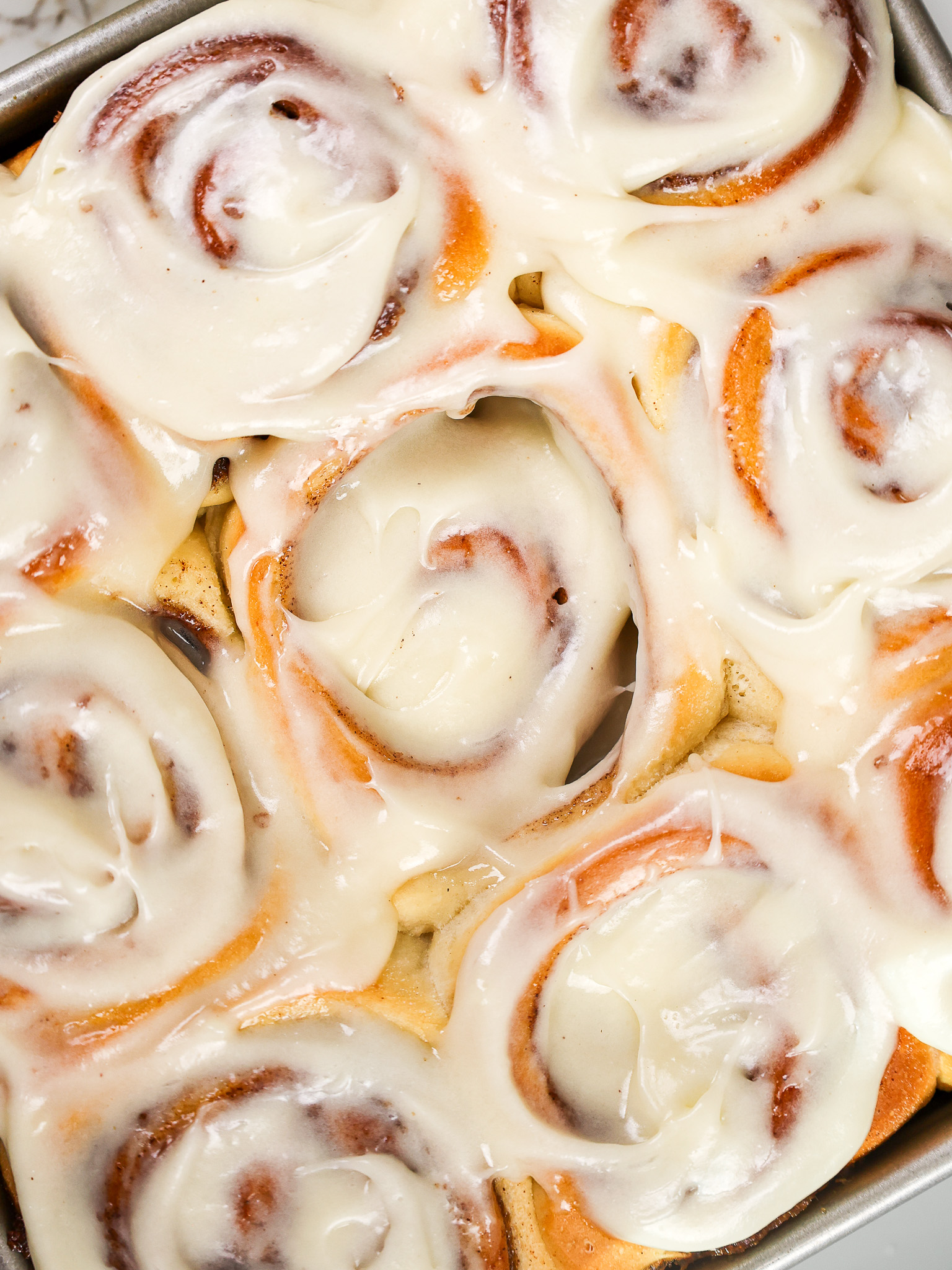
Credit: chelsweets.com
Savory Delights
Active dry yeast is perfect for savory dishes. It creates fluffy, tasty treats. Perfect for snacks or meals. Each bite is full of flavor.
Garlic Knots
Garlic knots are a classic favorite. Soft dough twisted with garlic butter. A simple yet delicious treat. Perfect for any gathering. Make these with fresh herbs for extra flavor.
Use active dry yeast for soft, chewy knots. Mix flour, water, and yeast. Let it rise until doubled. Shape the dough into knots. Brush with garlic butter. Bake until golden brown. Enjoy warm with a dipping sauce.
Cheese-stuffed Breadsticks
Cheese-stuffed breadsticks are a cheesy delight. Perfectly crisp outside and gooey inside. Ideal for cheese lovers. A great side dish for pasta or pizza.
Prepare dough with active dry yeast. Roll it flat and cut into strips. Place cheese in the center. Fold and seal each strip. Bake until golden and serve warm. Enjoy the melty cheese with every bite.
Pizza Dough Magic
There’s something truly magical about crafting your own pizza dough at home. The aroma fills your kitchen, promising a delicious meal ahead. Active dry yeast plays a vital role in this transformation, turning simple ingredients into a chewy, flavorful base for your favorite toppings.
Imagine being able to tailor your pizza dough to your exact preferences. Whether you’re craving a crispy thin crust or a hearty deep dish, the possibilities are endless. Let’s dive into two popular styles that you can easily master.
Thin Crust Pizza
Thin crust pizza offers a delightful crunch with every bite. It’s perfect for those who enjoy a less doughy experience. To achieve this, start by using less dough and rolling it out as thin as possible.
A tip from my kitchen: let the dough rest before rolling it out. This makes it easier to stretch without tearing. Brush a light layer of olive oil on the edges for added crispiness.
Have you ever tried adding herbs to your dough? A sprinkle of oregano or basil can enhance the flavor, giving your pizza a unique twist. Experiment with different combinations to find your perfect match.
Deep Dish Option
For those who love a heartier bite, deep dish pizza is the way to go. It offers a thicker, fluffier crust that can hold plenty of toppings and cheese. Use a bit more dough and let it rise longer for that signature texture.
Consider using a cast iron skillet or a special deep dish pan. This helps achieve even cooking and a crispy bottom. Don’t forget to preheat the pan before placing your dough in it.
If you enjoy a cheesy crust, add a layer of mozzarella between the dough and the pan. It melts beautifully, creating a gooey surprise with every slice. Have you tried this technique yet?
As you explore these pizza dough options, remember that active dry yeast is your ally. It brings life to your creations, offering endless possibilities for a perfect homemade pizza. What will you create next?
Breakfast Specials
Breakfast is a magical time when you can indulge in delightful treats that make you feel cozy and satisfied. Active dry yeast can transform your morning meals into something extraordinary. It’s amazing how a pinch of yeast can turn simple ingredients into a sumptuous breakfast experience that you will remember throughout the day.
Fluffy Pancakes
Imagine waking up to the smell of freshly made pancakes, light and airy, ready to melt in your mouth. Using active dry yeast in your pancake batter can make this dream a reality. The yeast ferments overnight, creating tiny bubbles that give your pancakes an irresistible fluffiness.
Here’s a tip: Start the batter the night before. Mix your ingredients, including the yeast, and let it sit in the fridge. This way, you wake up to a ready-to-cook batter that’s primed for fluffiness.
Flip those pancakes on a hot griddle. Watch them rise and turn golden brown. Serve with a drizzle of maple syrup, and you’ve got a breakfast that feels like a warm hug.
Buttery Croissants
There’s something luxurious about biting into a croissant, especially if it’s homemade. Active dry yeast is a key player in achieving the perfect layers and flakiness. It helps the dough to rise, creating those delightful pockets of air.
Wondering how to master croissants at home? Patience is your best friend. Layer the dough with butter, fold it, and allow it to rise. The yeast works its magic while you enjoy your morning coffee.
Can you feel the buttery goodness already? When you bake these beauties, the aroma fills your kitchen, promising a breakfast that’s worth every effort. Pair with your favorite jam or eat them plain. Either way, they’re a treat!
Have you ever thought about how a simple ingredient like yeast can redefine your breakfast? Next time you’re planning a special morning meal, consider these yeast recipes. You might just create a new breakfast tradition in your home!
Gluten-free Baking
Gluten-free baking can seem daunting, especially when you’re craving the warm, comforting aroma of freshly baked bread. However, with active dry yeast and the right recipes, you can create delicious gluten-free baked goods that rival traditional recipes. Understanding the nuances of gluten-free ingredients and techniques is key to achieving that soft, airy texture we all love in baked bread.
Gluten-free Bread
Have you ever tried baking gluten-free bread and found it dense or crumbly? Achieving the perfect loaf starts with understanding your ingredients. Active dry yeast is a game-changer in gluten-free baking. It helps your bread rise and develop a delightful texture. Pair it with a mix of gluten-free flours like rice flour, tapioca starch, and potato starch for the best results.
Consider using psyllium husk or xanthan gum. These ingredients mimic the elasticity of gluten, giving your bread structure. A little experimentation with these can make a huge difference. Remember, the dough for gluten-free bread is usually more batter-like than traditional dough. Don’t be alarmed by the sticky consistency; it’s perfectly normal.
Tips For Success
Have you ever wondered why your gluten-free bread doesn’t rise as expected? The trick is in the proofing. Let your dough rise in a warm, draft-free environment. An oven with the light on often provides just the right warmth.
Temperature is crucial in gluten-free baking. Use a thermometer to ensure your baked bread reaches an internal temperature of 200°F. This ensures the center is cooked through, preventing any gummy texture.
Patience is key. Allow your bread to cool completely before slicing. Cutting into it too soon can result in a gummy crumb. Invest in a good quality serrated knife for clean cuts.
What challenges do you face in gluten-free baking? Sometimes, the smallest tweak can lead to the perfect loaf. Embrace trial and error, and soon you’ll be enjoying homemade gluten-free bread that’s soft, fluffy, and full of flavor.

Credit: www.recipetineats.com
Troubleshooting And Tips
Active dry yeast is a staple in many kitchens. Yet, using it can sometimes be tricky. Understanding common issues and practical tips is crucial. This section offers insights to help you achieve perfect results.
Common Mistakes
One frequent mistake is using expired yeast. Expired yeast won’t rise properly. Always check the expiration date before using it. Another common error is water temperature. Yeast needs warm water, not hot. Hot water can kill yeast cells. Use a thermometer to ensure the right temperature. Mixing yeast with salt directly is also a mistake. Salt can inhibit yeast growth. Always mix yeast with flour first. Lastly, not allowing dough to rise fully can affect texture. Patience is key for fluffy bread.
Storage And Shelf Life
Proper storage extends yeast’s shelf life. Store yeast in a cool, dry place. Keep it away from moisture and heat. Refrigerate opened yeast packets to maintain freshness. Yeast typically lasts six months in the fridge. Freezing yeast can extend its life further. Use airtight containers for storing yeast in the freezer. Always label containers with the date of purchase. Check yeast regularly for any signs of spoilage.
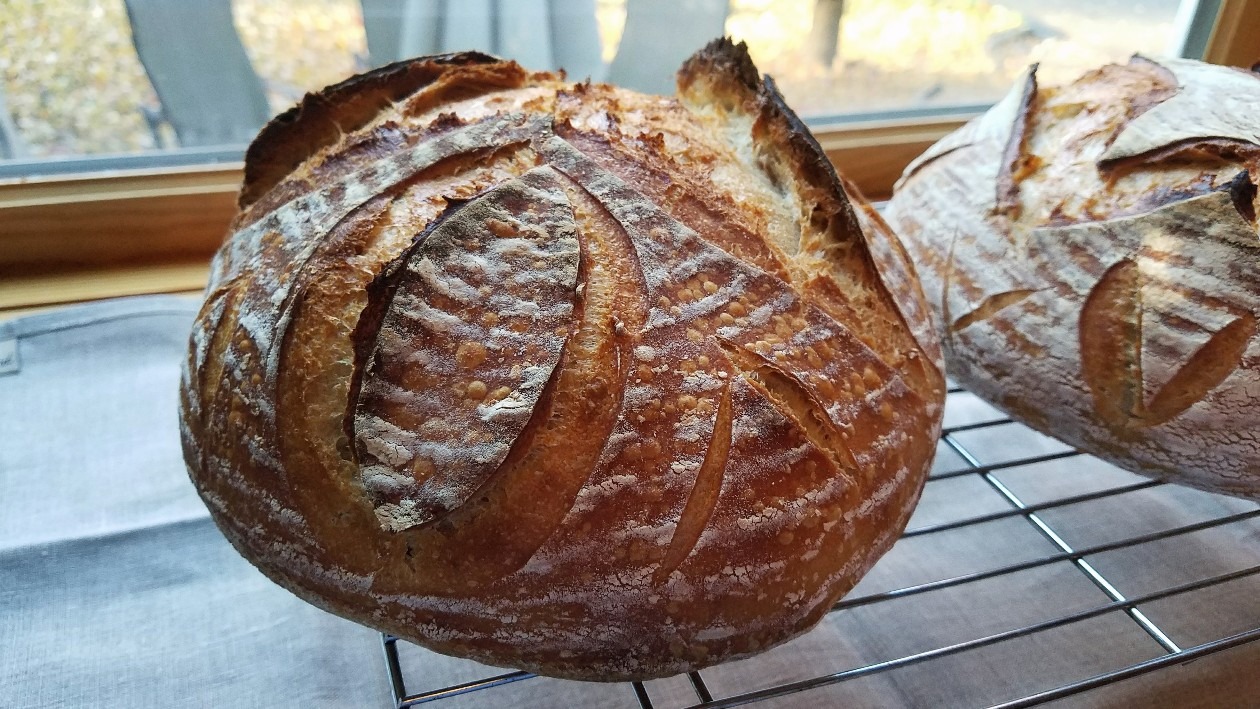
Credit: breadtopia.com
Frequently Asked Questions
What Can You Make With Dry Active Yeast?
You can make bread, pizza dough, rolls, cinnamon buns, pretzels, and other baked goods with dry active yeast.
What Do You Use Active Dry Yeast For?
Active dry yeast is used for baking bread, pizza dough, and pastries. It helps dough rise and enhances texture.
What Are The Disadvantages Of Active Dry Yeast?
Active dry yeast requires rehydration, which can slow down the baking process. It may cause inconsistent results in sensitive recipes. The yeast’s slower fermentation rate can lead to less robust flavor and texture. It’s less reliable in cold environments compared to fresh yeast.
What Would You Do If Using Active Dried Yeast?
Mix active dried yeast with warm water to activate. Let it sit for 5-10 minutes until frothy. Use as directed in your recipe.
Conclusion
Enjoy experimenting with these active dry yeast recipes. Baking at home is fun. You can create delicious bread and pastries. Each recipe adds a unique flavor. Try them and see what you like best. Share your creations with friends and family.
They will love your homemade treats. Keep baking and exploring new recipes. Your skills will improve with practice. Happy baking!