Last Updated on August 11, 2026
Baking soda is a key ingredient in cookies. It helps them rise and become fluffy.
Cookies are a beloved treat around the world, delighting both young and old alike. Baking soda, a simple kitchen staple, plays a crucial role in transforming cookie dough into mouthwatering delights. The magic begins when baking soda interacts with other ingredients.
It releases carbon dioxide bubbles, causing the dough to expand. This process not only gives cookies their soft and chewy texture but also enhances their flavor. Understanding how baking soda works can elevate your baking skills. It ensures each batch is perfect. Whether you’re a seasoned baker or just starting out, grasping the importance of this ingredient can make all the difference in your cookie creations. Dive into the world of baking soda and discover the secrets to perfect cookies.
Role Of Baking Soda In Cookies
Baking soda helps cookies rise and become fluffy. It reacts with acidic ingredients, creating carbon dioxide bubbles. These bubbles make cookies light and airy. Without it, cookies might turn out dense and flat.
Baking soda is a crucial ingredient in creating the perfect cookies that are soft, chewy, and delicious. Have you ever wondered why some cookies rise beautifully while others remain flat? The secret often lies in baking soda. Understanding its role can elevate your cookie-baking skills to new heights.Leavening Agent
Baking soda acts as a leavening agent, which means it helps cookies rise. When mixed with moisture and an acidic ingredient, like brown sugar, it produces carbon dioxide gas. This gas forms bubbles in the dough, causing it to expand and create a fluffy texture. Without baking soda, your cookies might turn out dense and heavy. It’s the difference between biting into a cloud and chewing on a brick. Next time you bake, check if your recipe has enough baking soda to give your cookies the lift they deserve.Texture Enhancement
In addition to helping cookies rise, baking soda also enhances texture. It affects how cookies spread during baking, contributing to their overall chewiness. A small amount of baking soda can make a huge difference. Think about those beautifully golden-brown cookies with a tender interior. That’s baking soda at work, providing the right balance between softness and crispness. Adjusting the baking soda level can help you achieve the perfect texture for your taste. Have you ever experimented with different amounts of baking soda in your cookie recipes? It’s fascinating to see how the changes affect the final product. Give it a try and see how your cookies transform from ordinary to extraordinary. Baking soda is more than just a pantry staple. Its role in cookie baking is pivotal, impacting both rise and texture. So, next time you reach for that little box, remember the science and magic it brings to your baking adventures.
Credit: www.instagram.com
Baking Soda Vs Baking Powder
Baking soda and baking powder create different textures in cookies. Baking soda spreads cookies, making them thin and crispy. Baking powder gives cookies a soft, fluffy texture. Choose wisely for your desired cookie outcome.
When baking cookies, the choice between baking soda and baking powder can significantly impact the final product. Both are leavening agents that help cookies rise, but they aren’t interchangeable. Understanding their differences can elevate your baking game and ensure your cookies are always a hit.Chemical Differences
Baking soda is pure sodium bicarbonate. It requires an acidic ingredient to activate, like lemon juice or brown sugar. This reaction produces carbon dioxide, which helps dough rise. Baking powder, on the other hand, contains both sodium bicarbonate and an acid. It only needs moisture to activate. This makes it versatile for recipes without additional acidic ingredients. Think of baking soda as a reactive powerhouse. It’s strong and fast, while baking powder is more balanced, providing a slower rise. Which one do you think your cookies need?Impact On Cookie Taste
Baking soda can enhance browning and flavor. It gives cookies a slightly crisp edge and a chewy center. If you’ve ever tasted a cookie with a distinct molasses or caramel flavor, baking soda likely played a role. Baking powder offers a lighter texture. Cookies made with it are softer and fluffier. If you prefer a cake-like cookie, baking powder might be your best friend. Consider your favorite cookie recipe. Does it have a tangy sweetness or a soft, airy texture? The choice of leavening agent could be the key to achieving that perfect bite. Understanding these differences empowers you to tweak your recipes. Next time you bake, think about the texture and flavor you want. You might just discover a new cookie masterpiece.Choosing The Right Baking Soda
Baking cookies is an art, and choosing the right baking soda can make all the difference. This simple ingredient might seem insignificant, but it can impact the taste, texture, and appearance of your cookies. If you’ve ever wondered why your cookies are flat or overly crumbly, the type and quality of baking soda might be the culprit. Let’s dive into how to choose the best baking soda for your baking adventures.
Brands And Quality
Not all baking soda is created equal. Some brands offer more consistent quality than others. Look for trusted names that have been around for decades. They often have a reputation to uphold, ensuring their product is reliable.
Try different brands to see which one works best for your cookie recipes. You might find that a specific brand gives your cookies a fluffy texture or a unique flavor. It’s worth experimenting to find your favorite.
Consider reading reviews online or asking friends for recommendations. A little research can lead to a big improvement in your cookie baking.
Freshness And Storage
How fresh is your baking soda? If it’s been sitting in your pantry for years, it might not be as effective. Fresh baking soda reacts better, giving your cookies the perfect rise.
Store your baking soda in a cool, dry place. Moisture can cause it to clump and lose effectiveness. A tightly sealed container is your best friend here.
Check the expiration date before using. An expired box might be the reason your cookies aren’t turning out as planned. Keep it fresh, and you’ll notice the difference.
Choosing the right baking soda might seem trivial, but it’s a key factor in cookie perfection. Have you ever wondered why some batches are better than others? Next time, pay attention to your baking soda, and you might unlock a new level of deliciousness. What are your baking experiences with different brands? Share your thoughts below!
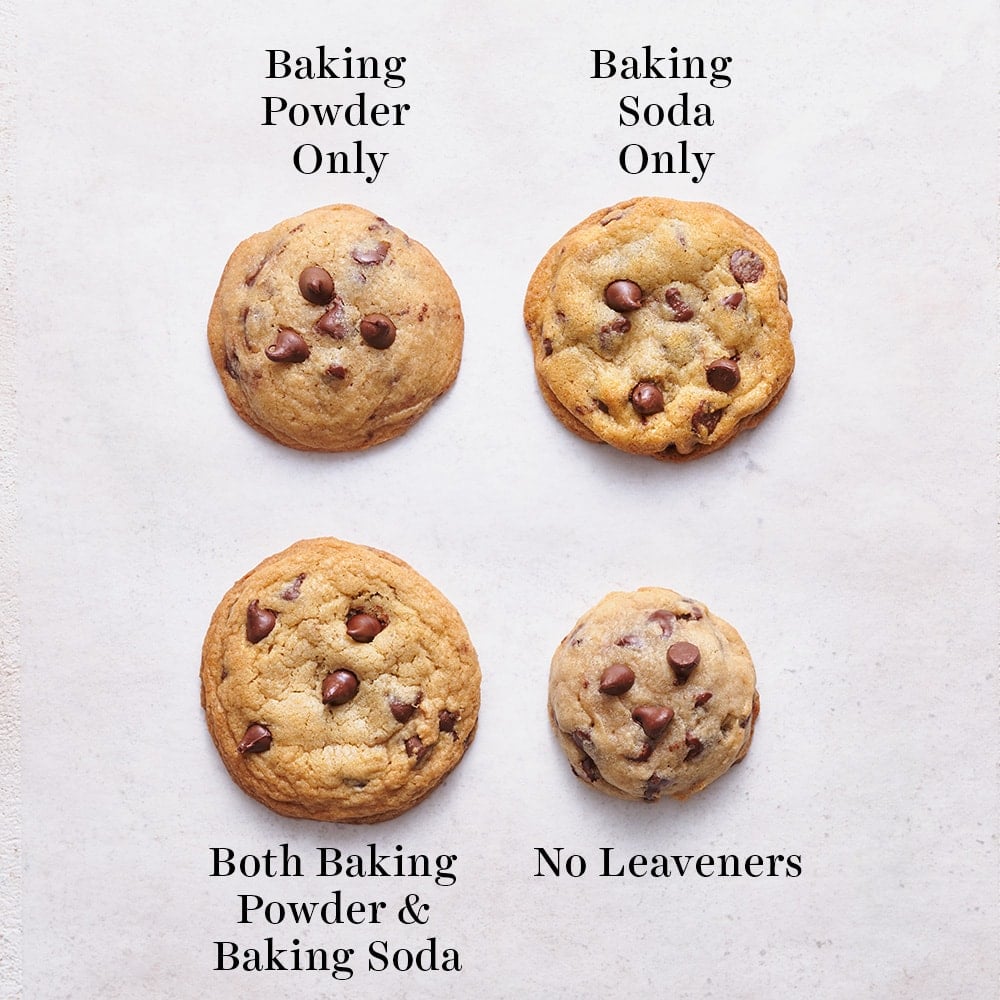
Credit: handletheheat.com
Perfect Cookie Ingredients
Baking soda is crucial for perfect cookies. It helps cookies rise and become fluffy. Without it, cookies might be flat and dense.
Baking cookies is both an art and a science, with ingredients playing a crucial role in determining the final taste and texture. Each element, from flour to sweeteners, contributes to the cookie’s character. Understanding the function of each ingredient can elevate your cookie game to new heights. Have you ever wondered why your cookies don’t turn out quite right? It might be as simple as reassessing your ingredient choices. Let’s dive into the key components that make the perfect cookie.Flour Selection
Choosing the right flour is foundational. All-purpose flour is a common choice due to its balanced protein content, which provides structure without making cookies too dense. But if you’re aiming for a softer, chewier cookie, consider using cake flour. It has a lower protein content, resulting in a tender texture. On the flip side, bread flour, with its higher protein content, can add a delightful chewiness to your cookies. What’s your ideal cookie texture?Sweeteners And Additives
Sugar isn’t just for sweetness; it affects texture and color. Brown sugar, for example, adds moisture and depth, producing a softer and more flavorful cookie. White sugar, however, contributes to a crispier texture. Experiment with a mix of both to find your perfect balance. Add-ins like chocolate chips, nuts, or dried fruits can transform a basic dough into something extraordinary. They offer bursts of flavor and texture, making every bite unique. Have you tried adding a pinch of sea salt to your cookies? It enhances sweetness and adds an intriguing contrast. Crafting your perfect cookie is a journey of experimenting and discovering what combinations work best for you. Each ingredient plays its part, so why not play around and see what delicious creations you can bake up?Cookie Dough Preparation
Baking soda plays a vital role in cookie dough preparation, ensuring cookies rise and spread evenly. It reacts with acidic ingredients, creating a light and fluffy texture. Proper use of baking soda can enhance the flavor and appearance of your cookies.
When it comes to baking cookies, the magic often begins with the preparation of cookie dough. This stage is crucial because it sets the foundation for your cookies’ taste and texture. Whether you’re a seasoned baker or just starting out, knowing how to prepare your dough can make all the difference. Let’s dive into some essential techniques that ensure your cookies come out perfect every time.Mixing Techniques
Mixing cookie dough requires precision. It’s not just about tossing ingredients together. Start by creaming your butter and sugar. This step is key as it impacts the texture of your cookies. The aim is to achieve a light and fluffy consistency. Once you add eggs and vanilla extract, mix until fully incorporated. But be cautious—overmixing can lead to tough cookies. When you add baking soda, it helps cookies rise and spread evenly. A tip? Mix it with flour before adding to the dough for even distribution. Are you using a stand mixer or doing it by hand? Both work well, but using a stand mixer can save time and ensure a consistent mix.Chilling The Dough
Chilling the dough is a step many skip but shouldn’t. It enhances flavor and texture. Why chill? It allows the butter to firm up. This helps cookies maintain their shape during baking. Ever noticed your cookies spread too much? Chilling can prevent this. A quick 30-minute chill in the fridge can make all the difference. Plan ahead. If you’re not baking immediately, you can chill the dough for up to 24 hours. This can intensify flavors, giving you richer cookies. Consider wrapping the dough in plastic wrap or using an airtight container. This keeps it fresh and prevents drying out. Have you ever tried chilling the dough overnight? What was your experience? Share your insights in the comments! Next time you’re preparing cookie dough, remember these tips. They can transform your baking from good to great. Happy baking!Baking Techniques For Cookies
Baking cookies is an art that combines precision and creativity. From choosing the right ingredients to perfecting your baking techniques, every step influences the final product. One key aspect often overlooked is how you handle your oven settings and baking time. These elements can make or break your cookies, transforming them from ordinary to extraordinary. But how do you know if you’re doing it right? Let’s dive into the essential techniques that can elevate your cookie-baking game.
Oven Settings
Your oven settings play a critical role in cookie baking. The right temperature can mean the difference between a chewy delight and a disappointing crunch. Set your oven to the temperature specified in your recipe. But don’t just rely on the dial—use an oven thermometer to ensure accuracy. Many home ovens vary, leading to unexpected results. Have you ever thought your cookies were baking at 350°F, only to find out it’s actually 375°F? That slight difference can affect texture and flavor. Adjust your settings accordingly to achieve consistent results.
Baking Time Adjustments
Timing is everything. The baking time listed in a recipe is often a guideline, not a rule. Watch your cookies closely and learn to recognize visual cues. A golden edge with a slightly soft center usually indicates a perfect bake. Experiment with baking times to achieve your preferred texture—some like them crisp, others chewy. What if your cookies need more time than the recipe suggests? Trust your instincts and adjust as needed. Remember, every oven is unique, so your cookie journey will be too.
Troubleshooting Cookie Issues
Cookies are a beloved treat, but they don’t always turn out perfect. When you’re baking, issues can arise, leaving you puzzled over what went wrong. Whether your cookies are flat or have burnt edges, understanding these common problems can help you achieve cookie perfection. Let’s dive into some troubleshooting tips to ensure your cookies are as delightful as you imagine them to be.
Flat Cookies
Ever wondered why your cookies spread out like pancakes? The culprit could be the baking soda. Baking soda is a leavening agent, but using too much can cause cookies to flatten excessively. Measure carefully to ensure just the right amount.
Another reason for flat cookies might be warm dough. If your dough is too warm, it can cause cookies to spread more than desired. Try chilling the dough for about 30 minutes before baking.
Are your cookies lacking structure? The type of butter you use matters. Softened butter works best, but if it’s too melted, it can lead to flat cookies. A quick solution: use butter that’s firm enough to retain its shape.
Burnt Edges
Burnt edges can ruin a cookie experience. If you face this issue, check your oven temperature. An overheated oven can easily scorch the edges while leaving the center underbaked. Use an oven thermometer to verify the temperature.
Placement on the baking sheet is crucial. If cookies are too close to the edge, they might burn faster than those in the center. Arrange your cookies evenly across the sheet for consistent baking.
Consider your baking time. Sometimes, all it takes is to pull your cookies out a minute earlier. Keep an eye on the baking process. It might surprise you how small adjustments can make a big difference.
Ever experienced these cookie dilemmas? Share your stories or questions in the comments. What other baking secrets have you uncovered in your kitchen adventures?
Credit: www.reddit.com
Innovative Cookie Recipes
Cookies are a beloved treat across the globe. Baking soda plays a crucial role in their texture. But why stop at the traditional? Unleash your creativity and try innovative cookie recipes. These recipes bring new flavors and health benefits to your table.
Experimenting With Flavors
Step beyond the usual chocolate chip. Try adding unexpected ingredients. How about a hint of lavender? Or perhaps a sprinkle of sea salt caramel? Baking soda helps these flavors blend beautifully. Let your taste buds explore new horizons.
Think about spices like cardamom or ginger. They add warmth and depth. Nuts like pistachios or walnuts can add crunch. Mix and match to find your perfect combination. The possibilities are endless.
Healthy Cookie Variants
Cookies don’t have to be guilty pleasures. You can create healthy cookie variants easily. Use whole wheat flour instead of white. Baking soda helps maintain the light texture. Add oats for fiber and chewiness.
Consider using honey or maple syrup as sweeteners. These are healthier than sugar. Incorporate fruits like apples or bananas for natural sweetness. This way, you enjoy cookies without compromising health.
Experiment with different nuts and seeds. They add protein and healthy fats. Flaxseeds or chia seeds can enhance nutrition. These ingredients work well with baking soda for delicious, healthy cookies.
Frequently Asked Questions
How Does Baking Soda Affect Cookies?
Baking soda helps cookies spread and rise, creating a soft texture. It neutralizes acidic ingredients, enhancing flavor.
What Happens If I Don’t Put Baking Soda In Cookies?
Cookies may not rise properly and could become dense without baking soda. The texture may turn out flat and chewy. Baking soda helps cookies spread and gives them a tender crumb. Without it, flavor might lack the usual tang from browned edges.
Does Baking Soda Make Cookies Soft Or Hard?
Baking soda makes cookies soft and chewy. It creates carbon dioxide, causing dough to rise and spread. This results in a tender texture. Adjust the amount for desired softness.
Can I Replace Baking Powder With Baking Soda For Cookies?
Baking soda can replace baking powder if you add an acid, like lemon juice or vinegar. Use one-third the amount of baking soda compared to baking powder. Adjust sweetness and flavor accordingly for best results in cookies.
Conclusion
Baking cookies is an enjoyable process. Baking soda plays a key role. It helps cookies rise and creates a soft texture. Without it, cookies might turn flat. Experimenting with amounts can be fun. Try different recipes and see what you like best.
Remember, baking is about creativity and taste. Enjoy the sweet rewards of your efforts. Baking soda can transform simple ingredients into delicious treats. Next time you bake, appreciate its magic. Happy baking and enjoy your cookies!