Last Updated on August 12, 2026
Sweet treats need the perfect finishing touch. White frosting is a classic choice.
It’s versatile, smooth, and adds a delightful sweetness to your desserts. Whether you’re decorating cupcakes, cakes, or cookies, mastering a white frosting recipe is essential. This simple guide will help you create a frosting that elevates any dessert. Made with basic ingredients, it offers a creamy texture and a delicious taste.
Ideal for beginners or seasoned bakers, this recipe provides flexibility in flavor and consistency. You can make it fluffy or rich, depending on your preference. It’s perfect for any occasion, from birthdays to weddings. Get ready to wow your guests with homemade frosting that looks and tastes amazing. Dive into this frosting journey and discover the art of baking perfection.
Ingredients For White Frosting
Crafting a delicious white frosting requires just a few simple ingredients. Mix powdered sugar, butter, vanilla extract, and a splash of milk. Achieve a creamy and smooth texture perfect for cakes and cupcakes.
Creating the perfect white frosting is like finding the key to a world of delightful desserts. It’s the simple yet versatile topping that can turn any cake, cupcake, or cookie into a masterpiece. But what makes a white frosting truly exceptional? It starts with the right ingredients. Let’s dive into the essentials and extras that can elevate your frosting to new heights.Essential Components
The core of a classic white frosting is a balance of sweetness and smooth texture. Powdered sugar is a must; it dissolves easily, creating a silky finish that’s perfect for spreading. You’ll also need unsalted butter, which adds richness and creaminess. Make sure it’s softened at room temperature for easy mixing. Vanilla extract is another crucial ingredient. It infuses the frosting with a warm, sweet aroma that’s irresistible. A dash of salt helps to balance the flavors, ensuring your frosting isn’t overwhelmingly sweet. Milk or cream is used to adjust the consistency. For a thicker frosting, add less; for a more spreadable one, add a bit more. It’s all about achieving the texture you love.Optional Additions
Want to personalize your frosting? Consider adding almond extract for a nutty twist or coconut extract for a tropical flair. These subtle changes can make your frosting unique and memorable. Adding a few drops of food coloring can transform your white frosting into any color of the rainbow, making it perfect for themed parties or holidays. Looking for a touch of sparkle? A sprinkle of edible glitter or pearl dust can make your desserts shine. Have you ever tried infusing your frosting with a hint of lemon zest? It adds a refreshing brightness that’s perfect for summer treats. What will you experiment with next? Remember, the beauty of white frosting is in its versatility. Your creativity is the only limit.Preparation Tools
Creating the perfect white frosting requires the right tools. Proper equipment ensures your frosting achieves the right texture. Ease of preparation depends on having these tools at hand.
Recommended Equipment
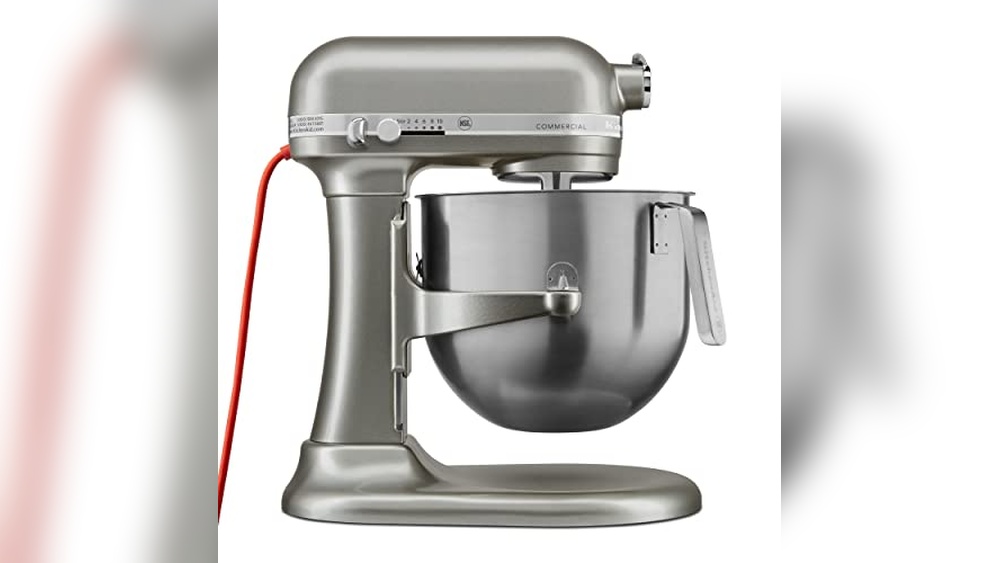
A stand mixer is ideal for making white frosting. Its powerful motor blends ingredients smoothly. Use a whisk attachment for light and fluffy results. A rubber spatula helps in scraping down the sides of the bowl. It ensures all ingredients mix evenly. Measuring cups and spoons are essential for accuracy. Precise measurements lead to consistent taste and texture.
Alternative Tools
If you don’t have a stand mixer, use a hand mixer. It can also blend frosting well. A large mixing bowl is necessary to avoid spills. For manual mixing, a sturdy whisk works, but requires more effort. A butter knife or offset spatula is useful for spreading the frosting. It helps achieve a smooth, even layer on cakes or cupcakes.
Step-by-step Mixing
Create a smooth white frosting by mixing powdered sugar, butter, vanilla, and milk. Blend until creamy and fluffy. Perfect for cakes and cupcakes, this simple recipe delivers sweet and delicious results.
Creating the perfect white frosting can be a delightful experience, especially when you follow a step-by-step mixing process. Whether you’re preparing a cake for a birthday or simply indulging in some baking therapy, mastering the mixing technique ensures your frosting is smooth and creamy. This section will guide you through the journey of achieving that ideal frosting texture, breaking down the process into manageable steps.Initial Blending
Start with softened butter. It’s crucial for a smooth blend. Firm butter can lead to lumps, making your frosting uneven. Add powdered sugar gradually. This prevents it from flying all over your kitchen. You wouldn’t want to spend extra time cleaning up, right? Mix on low speed initially. This helps combine the ingredients gently, avoiding a mess. Once the sugar is integrated, you can increase the speed.Achieving Perfect Texture
Consider the consistency. Is it too thick or too runny? Adjust by adding small amounts of milk or cream until it feels just right. Taste your frosting. A little vanilla extract can make a big difference, adding a burst of flavor that complements your cake perfectly. Always scrape the bowl. Ensure every bit of butter and sugar is mixed well. This simple step can transform your frosting from good to great. Have you ever found yourself questioning whether your frosting is ready? A quick test is to swipe a spoon through it—if it holds its shape, you’re good to go! Mixing frosting is as much an art as it is a science. By focusing on each step and tweaking as needed, you can achieve a frosting that not only tastes delicious but also looks stunning. So, next time you’re in the kitchen, remember these steps and enjoy the process of creating your masterpiece.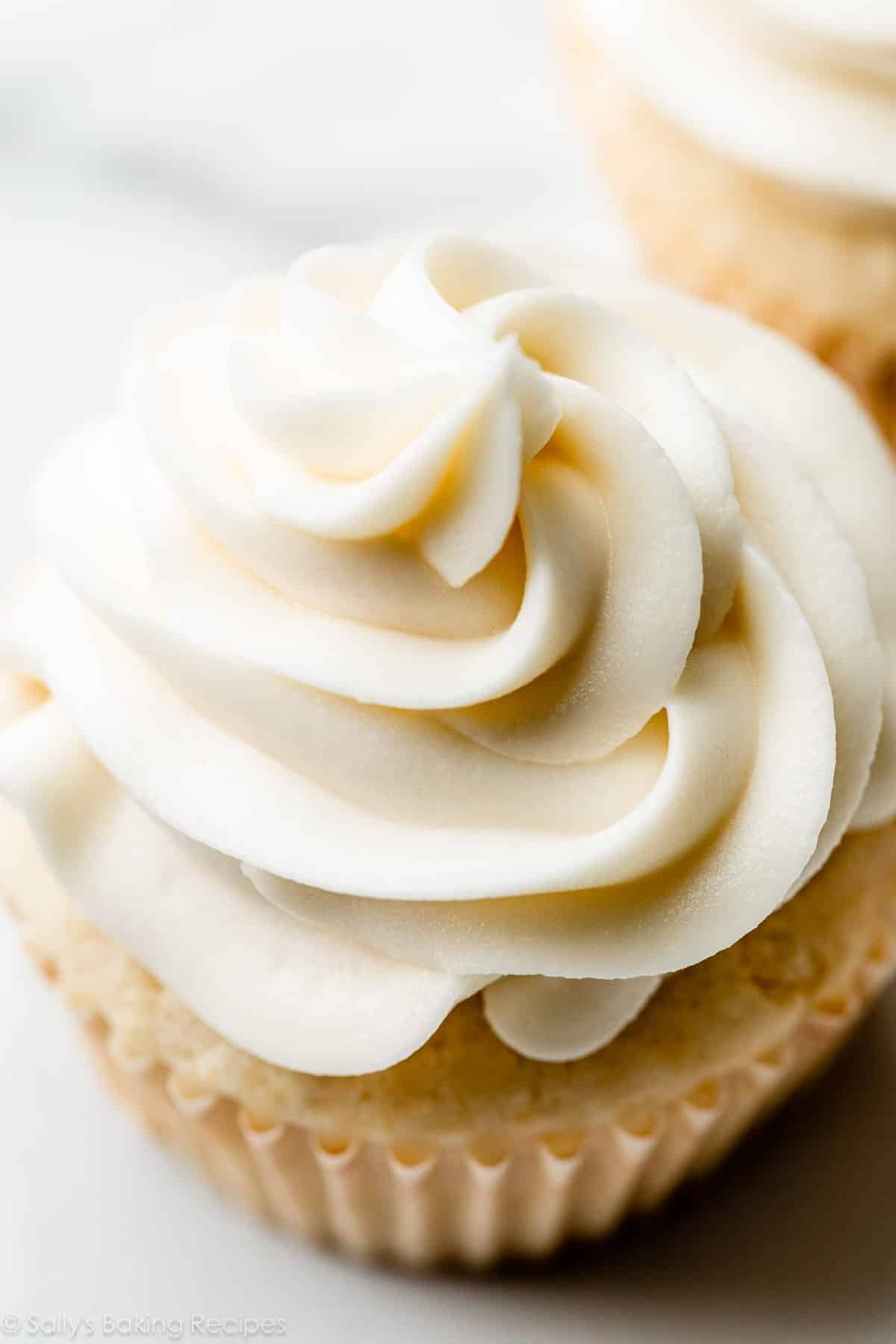
Credit: sallysbakingaddiction.com
Troubleshooting Common Issues
White frosting can be tricky. It looks simple, but issues can arise. Two common problems are graininess and separation. Fixing these ensures a smooth, creamy finish. Let’s explore solutions to these challenges.
Avoiding Graininess
Grainy frosting is unpleasant. It can ruin the texture. Always sift powdered sugar before use. This removes clumps. Beat the frosting for the right time. Usually, about five minutes. Ensure butter is at room temperature. Cold butter won’t blend smoothly.
Preventing Separation
Separation makes frosting look oily. It affects the consistency. Use ingredients at the same temperature. If butter is too warm, chill it slightly. Add sugar gradually. Mixing too fast can cause separation. Keep the mixing speed low. This helps maintain a stable mixture.
Flavor Enhancements
Enhancing the flavor of white frosting can transform a simple cake into a masterpiece. Imagine tasting a frosting that makes you pause and think, “What makes this so unique?” Flavor enhancements can achieve just that. They add depth, making each bite memorable. Below, we explore two popular flavor enhancements that can elevate your white frosting to new heights.
Vanilla Infusion
Vanilla is not just a flavor; it’s an experience. Adding vanilla extract to your white frosting can make a world of difference. It provides a subtle sweetness and a comforting aroma.
Consider using pure vanilla extract for a rich, authentic taste. Or try vanilla bean paste for those beautiful specks and a more intense flavor. If you’re feeling adventurous, add a splash of vanilla syrup. You’ll be amazed at how it can uplift your frosting.
Have you ever noticed how vanilla can evoke nostalgia? A vanilla-infused frosting might remind you of childhood birthday cakes. It’s this kind of emotional connection that makes food so enjoyable.
Citrus Twist
If you crave a refreshing and zesty flavor, citrus is your answer. Lemon, lime, or orange zest can add a vibrant kick to your frosting. It’s a perfect way to balance sweetness with tanginess.
Imagine grating a fresh lemon to reveal its fragrant oils. This simple step can make your frosting lively and invigorating. Or try mixing in a bit of citrus juice for an extra punch.
Have you ever tried pairing citrus frosting with a berry cake? The combination can be a delightful surprise. The hint of citrus can make your dessert feel light and summery.
As you explore these flavor enhancements, think about the story you want your frosting to tell. What emotions do you wish to evoke with your dessert? Your choice of flavors can speak volumes. Which flavor enhancement will you try first, and why?
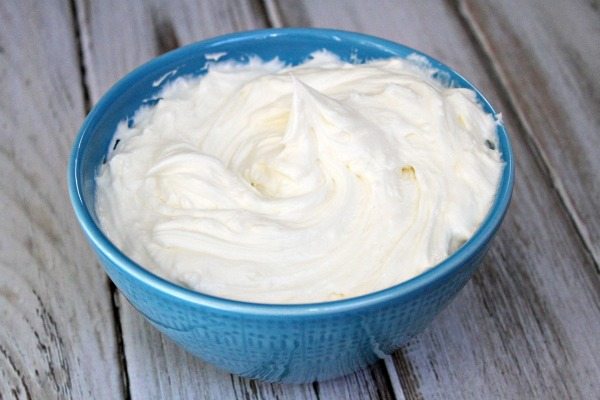
Credit: www.recipegirl.com
Decorating Tips
Decorating with white frosting can transform any cake into a masterpiece. This simple yet elegant touch adds a classic finish to your baked goods. Whether creating smooth finishes or intricate designs, these tips will help you elevate your cake decorating skills.
Creating Smooth Finishes
Achieving a smooth finish starts with the right tools. Use a spatula to spread the frosting evenly. Warm the spatula for a smoother glide. Chill the cake for 30 minutes before applying the final layer. This helps the frosting set and prevents crumbs. Rotate the cake as you smooth out the edges. This technique creates an even surface.
Piping Techniques
Piping adds beautiful details to your cakes. Begin with a piping bag and nozzle. Fill the bag with frosting and twist the top. Practice different pressures for varied designs. Start with simple borders and work your way to complex flowers. Hold the bag at a 45-degree angle. This gives better control over the icing. Experiment with different nozzles for unique patterns.
Storage And Shelf Life
White frosting can be stored in an airtight container in the refrigerator. It stays fresh for up to one week. For longer storage, freeze it for up to three months. Before using, let it sit at room temperature until it softens.
Storing your homemade white frosting properly can make all the difference in maintaining its taste and texture. Whether you’re a baking enthusiast or someone who occasionally whips up sweet treats, understanding how to store frosting can save you time and prevent unnecessary waste. Have you ever opened your fridge to find your frosting has lost its creamy consistency or developed an off taste? Let’s dive into practical storage tips and longevity insights to keep your frosting fresh and delightful.Proper Storage Methods
To keep your white frosting fresh, store it in an airtight container. This prevents air from drying out the frosting and helps retain moisture. If you’ve made a large batch, divide it into smaller portions before storing. This way, you only need to open a small amount at a time, reducing exposure to air. Refrigerate your frosting if you plan to use it within a week. If you need it to last longer, consider freezing. Make sure the container is labeled with the date to track its freshness.Longevity Tips
Maintaining the quality of your frosting is key to its longevity. When refrigerating, keep the temperature consistent to avoid any texture changes. Frosting can absorb odors from other foods, so be mindful of what you store it next to. Frozen frosting can last up to three months. Thaw it in the refrigerator when you’re ready to use it. Stir well before applying to your cakes or cupcakes to restore its smooth texture. What storage hacks do you swear by? Share your tips for keeping frosting fresh in the comments below! Engaging with fellow bakers can unlock new ideas and ensure your frosting is always ready to spread on your next creation.Serving Suggestions
White frosting adds a touch of elegance to any dessert. This versatile topping can enhance cakes, cupcakes, cookies, and pastries. Discover creative ways to serve and present this delightful frosting.
Pairing With Desserts
White frosting pairs beautifully with chocolate cakes. The contrast creates a visually appealing treat. Try it with vanilla cupcakes for a classic combo. It complements fruit cakes, adding sweetness without overpowering flavors. Use it on sugar cookies for a simple yet tasty decoration.
For a unique twist, pair with red velvet cake. The white frosting highlights the cake’s rich color. It also works well with lemon desserts. The frosting balances the tartness, offering a harmonious taste.
Presentation Ideas
Pipe white frosting in swirls on cupcakes. This gives a professional look. Use a star tip for textured designs. Create rosettes on cakes for a floral touch. Add sprinkles for a pop of color.
Try a smooth finish on cookies. Spread evenly for a polished appearance. Decorate with edible glitter for sparkle. Arrange pastries with frosting on a tiered stand. This creates an elegant display.
For special occasions, use food coloring. Create pastel shades for themed events. Add fresh fruits on top for a burst of flavor. This adds a natural element to your presentation.
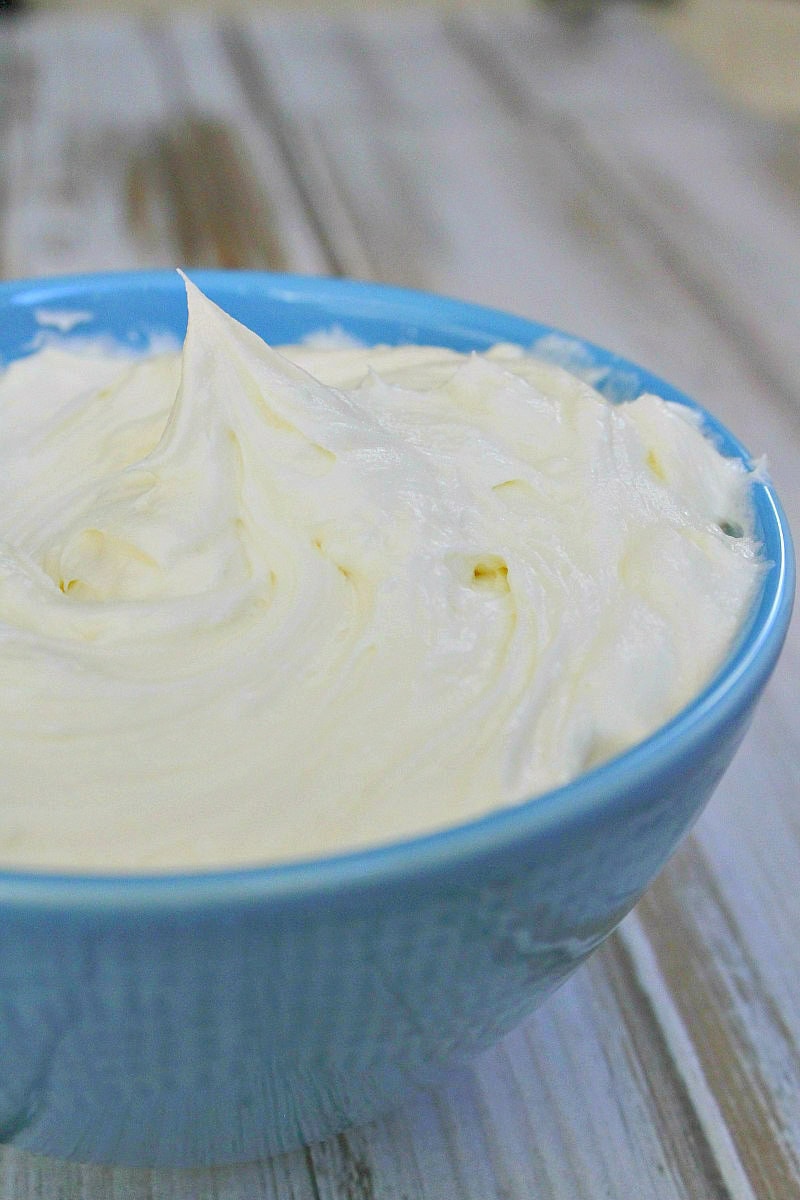
Credit: www.recipegirl.com
Frequently Asked Questions
How Do You Make White Frosting?
Mix 3 cups powdered sugar, 1 cup softened butter, and 2 teaspoons vanilla extract. Gradually add 2-4 tablespoons milk. Beat until smooth and creamy. Adjust milk for desired consistency. Use immediately or store in the fridge.
How To Make Basic White Icing?
Mix 2 cups powdered sugar, 2 tablespoons milk, and 1 teaspoon vanilla extract. Stir until smooth. Adjust thickness by adding more milk or sugar. Use immediately for best results.
What Are The Three Ingredients In Frosting?
Frosting typically includes three main ingredients: powdered sugar, butter, and milk or cream. These create a smooth, sweet texture. Powdered sugar provides sweetness, butter adds creaminess, and milk or cream achieves the desired consistency. Adjust quantities for taste and texture preferences.
How To Make Homemade White Frosting With Powdered Sugar?
Combine powdered sugar, butter, vanilla extract, and milk in a bowl. Mix until smooth and creamy. Adjust consistency by adding more milk or sugar as needed. This simple frosting is perfect for cakes and cupcakes, adding a sweet and delightful touch.
Enjoy your homemade creation!
Conclusion
Creating white frosting is simple and rewarding. This recipe adds sweetness to cakes and cupcakes. Perfect for birthdays, weddings, or any celebration. Customize it with flavors like vanilla or almond. The creamy texture spreads easily, making your desserts look beautiful.
Share this recipe with friends and family. They’ll love the taste and simplicity. Try it today and impress your guests. You’ll have a delightful treat in no time. Happy baking!