Last Updated on August 19, 2026
Have you ever found yourself staring at a recipe or a food label wondering, “How much is 6 ounces really?” You’re not alone. Whether you’re cooking, measuring ingredients, or tracking your diet, understanding what 6 ounces looks like can make a big difference.
You’ll discover simple ways to visualize and measure 6 ounces with ease. Keep reading, and you’ll never have to guess again.
Credit: www.recipesandplaces.com
Convert 6 Ounces To Common Units
Understanding how to convert 6 ounces into common units helps in cooking, baking, and measuring. It makes recipes easier to follow and ingredients clearer to use. Different units show the same amount in ways you might better understand. Here is how 6 ounces changes into grams, milliliters, and cups.
Ounces To Grams
Six ounces equal about 170 grams. Grams are a metric unit used worldwide. This conversion helps when recipes use grams instead of ounces. It is simple to remember: 1 ounce is approximately 28.35 grams.
Ounces To Milliliters
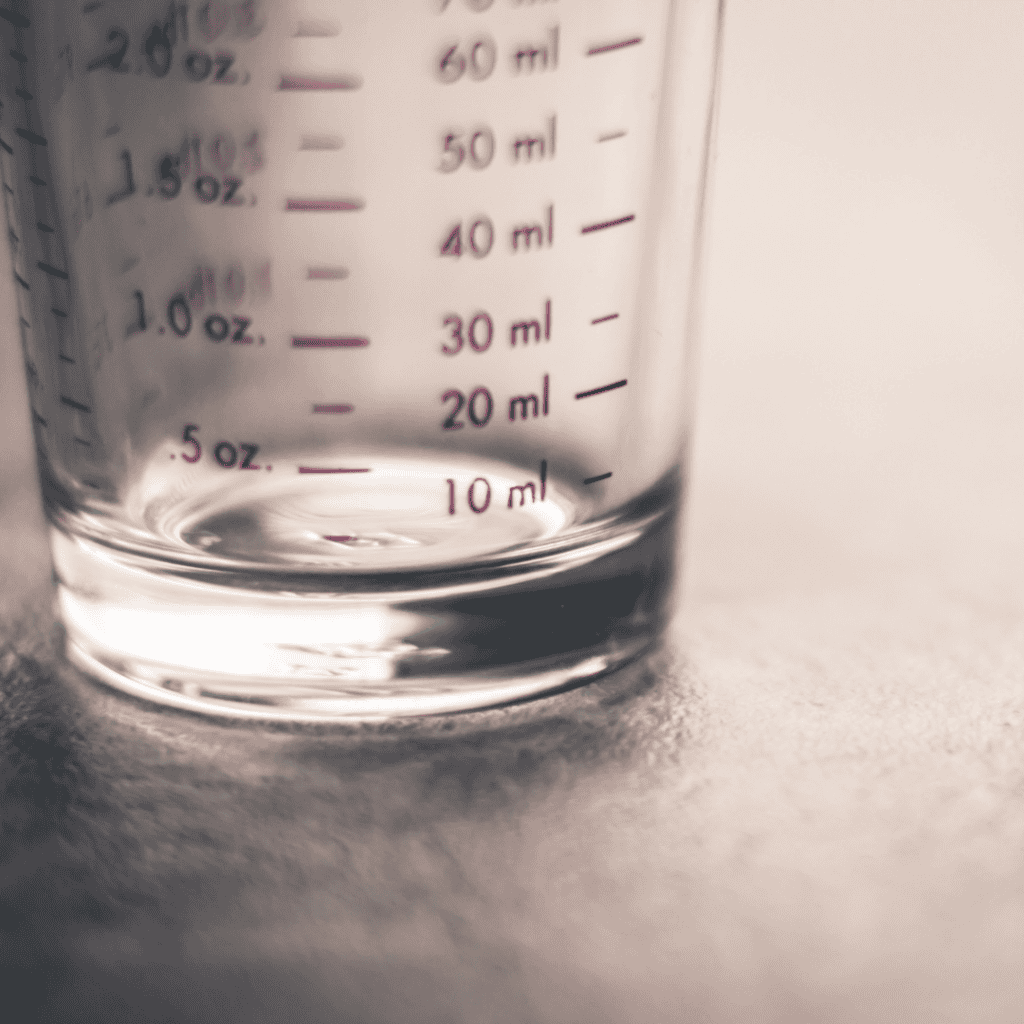
Six ounces equal about 177 milliliters. Milliliters measure liquid volume. This is useful for liquids like water, milk, or oil. Note that 1 ounce equals about 29.57 milliliters. Use this to find the right liquid amount.
Ounces To Cups
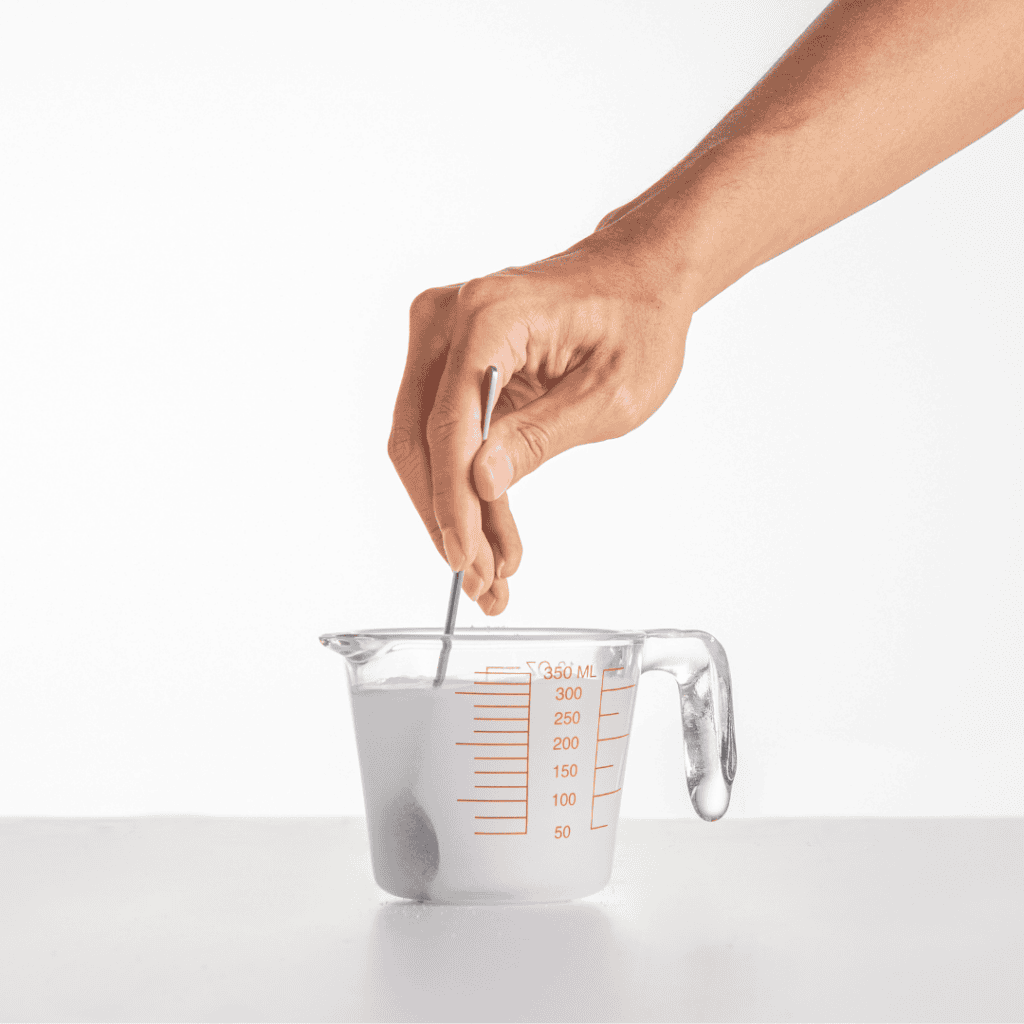
Six ounces is three-quarters of a cup. Cups are common in cooking, especially in the US. One cup equals 8 ounces. Knowing this helps when measuring dry or liquid ingredients. It makes following recipes easier and more accurate.
Credit: www.recipesandplaces.com
Measuring 6 Ounces In Cooking
Measuring 6 ounces in cooking is a common task. It helps keep recipes accurate and food tasty. Knowing how to measure 6 ounces correctly saves time and avoids mistakes. This guide explains easy ways to measure 6 ounces for both liquids and solids.
Using Kitchen Scales
Kitchen scales give the most exact measurement for 6 ounces. Place the container on the scale. Press the tare button to reset to zero. Add the ingredient until the scale reads 6 ounces. Digital scales are fast and simple to use. They work well for both dry and wet ingredients.
Measuring Liquids Vs Solids
Measuring liquids and solids is not the same. Liquids are measured in fluid ounces, which is volume. Solids are measured in weight ounces. Use a liquid measuring cup for liquids like water or milk. Use a kitchen scale for solids like flour or cheese. This method gives the best cooking results.
Common Ingredients Weighing 6 Ounces
Some common ingredients weigh about 6 ounces. Examples include a small apple, a cup of chopped vegetables, or 6 ounces of cooked meat. For liquids, 6 fluid ounces equals about three-quarters of a cup. Knowing these examples helps estimate amounts without a scale. It makes cooking easier and faster.
Tools For Accurate Measurement
Measuring ingredients with accuracy is key to good cooking and baking. Using the right tools helps you get the exact amount needed. This avoids mistakes and keeps recipes consistent. Here are some common tools that make measuring simple and precise.
Digital Scales
Digital scales show the weight of ingredients in ounces or grams. They offer precise measurements, often down to a fraction of an ounce. Place your bowl on the scale, zero it, then add your ingredient. Digital scales are perfect for dry and liquid items. They ensure you use exactly 6 ounces, no guessing.
Measuring Cups And Spoons
Measuring cups and spoons are easy tools for volume measurement. Cups usually measure liquids and dry goods in cups and ounces. Spoons measure smaller amounts, like teaspoons and tablespoons. Use a clear cup with marked lines for liquids. Level off dry ingredients for accuracy. These tools work well for common kitchen tasks.
Using Conversion Charts
Conversion charts help change units from ounces to grams or cups. They are handy when a recipe uses different measurements. Check the chart to see how much 6 ounces equals in other units. This way, you use the right tool and amount. Keep a chart nearby for quick reference.
Tips For Precise Measurements
Getting the exact amount of 6 ounces is important for many tasks. Small errors can change results. Use simple tips for precise measurements. These tips help you get the right amount every time.
Calibrating Your Scale
Check your scale before each use. Place a known weight on it to test accuracy. Reset the scale to zero before weighing. This avoids adding extra weight from containers. Keep your scale clean for best results.
Avoiding Common Mistakes
Do not guess the weight. Use a scale or measuring cup. Measure on a flat, stable surface. Avoid shaking or moving the scale during use. Read the measurement at eye level to prevent errors.
Measuring In Different Temperatures
Temperature can change the weight of some items. Cold items may weigh more due to moisture. Warm items might lose weight if water evaporates. Measure at room temperature for best accuracy. Adjust your process if temperature varies.
Why Accurate Measurement Matters
Measuring ingredients correctly is key in cooking and baking. Six ounces might seem small, but it can change the outcome of your dish. Accurate measurement helps keep flavors balanced and textures right. It also ensures you get the nutrition you expect. Let’s explore why getting six ounces exact really matters.
Impact On Recipe Results
Recipes rely on precise amounts. Six ounces too much or too little can change taste and texture. Baking is especially sensitive to measurements. Too much flour or sugar can ruin your cake. Cooking can also be affected by wrong amounts. Accurate measures make sure your food turns out as planned.
Nutritional Accuracy
Knowing exact weights helps track calories and nutrients. Six ounces of chicken has a different calorie count than six ounces of cheese. This matters for diet plans and health goals. Accurate measurements keep your nutrition info correct. This way, you can manage your meals better.
Consistency In Cooking
Cooking the same way every time builds good habits. Using six ounces precisely helps you repeat great results. It avoids surprises in taste and appearance. Consistency is important for learning and sharing recipes. Accurate measurement makes your cooking reliable and predictable.
Credit: www.ecopulppack.com
Frequently Asked Questions
How Much Does 6 Ounces Weigh In Grams?
6 ounces equals approximately 170. 1 grams. This conversion is useful for recipes and scientific measurements. One ounce equals 28. 35 grams, so multiply 6 by 28. 35 to get 170. 1 grams.
What Is 6 Ounces In Cups For Liquids?
6 ounces of liquid is equal to 0. 75 cups. Since 1 cup equals 8 fluid ounces, divide 6 by 8. This helps in cooking and baking measurements.
How Many Tablespoons Are In 6 Ounces?
There are 12 tablespoons in 6 fluid ounces. One fluid ounce equals 2 tablespoons, so multiply 6 by 2 for accurate measurement.
Is 6 Ounces Heavy Or Light For Food Servings?
A 6-ounce serving is moderate and common for meats. It fits typical portion sizes and dietary recommendations for protein intake.
Conclusion
Six ounces can mean different things depending on what you measure. It equals about 170 grams in weight. For liquids, six ounces is close to three-quarters of a cup. Knowing this helps in cooking, shopping, or any daily task. Always check if you need weight or volume.
Understanding these small conversions makes life easier. Keep this simple fact in mind for your next recipe or project. It saves time and avoids mistakes. Simple and clear—just what you need.