Last Updated on August 20, 2026
Have you ever found yourself stuck, wondering how to quickly convert teaspoons to other measurements while cooking or baking? You’re not alone.
Getting the right amount of an ingredient can make all the difference in your recipe’s success. Understanding tsp conversion is simpler than you think, and mastering it can save you time, reduce mistakes, and boost your confidence in the kitchen.
Keep reading, and you’ll discover easy tricks and clear explanations that will make measuring ingredients a breeze every time.

Credit: whatsnasreencooking.com
Why Tsp Conversion Matters
Measuring ingredients correctly is key to good cooking. Small mistakes can change the taste and texture of food. This is why converting teaspoons properly matters. It helps keep recipes accurate and dishes delicious.
Tsp conversion is simple but important. It ensures you use the right amount of spices, liquids, or powders. This prevents dishes from being too strong or too weak in flavor. It also keeps baking results consistent every time.
Common Measurement Mistakes
Many people confuse teaspoons with tablespoons. One tablespoon equals three teaspoons. Using the wrong size spoons causes wrong amounts. Sometimes, people guess instead of measuring. This leads to uneven taste and texture.
Another mistake is not leveling the spoon. A heaping teaspoon holds more than a level one. This can make recipes too salty or sweet. Measuring spoons must be flat and even for best results.
Impact On Recipe Outcomes
Wrong tsp conversions change how food turns out. Too much salt or spice can ruin a dish. Too little can make it bland and boring. Baking is even more sensitive. Incorrect measures affect rise, texture, and taste.
Accurate tsp conversion keeps recipes consistent. It helps recreate favorite dishes perfectly. Also, it saves money by avoiding wasted ingredients. Good measuring habits make cooking easier and more fun.
Basic Tsp Conversion Facts
Understanding basic teaspoon (tsp) conversions is useful in everyday cooking. Recipes often use teaspoons for measuring spices, liquids, and powders. Knowing the exact amounts helps avoid mistakes and ensures good results.
Teaspoon conversions involve changing tsp into tablespoons, milliliters, or grams. Each conversion serves a different purpose depending on the ingredient or measurement system.
Tsp To Tablespoons
One tablespoon equals three teaspoons. To convert tsp to tablespoons, divide the number of teaspoons by three. For example, 6 tsp equals 2 tablespoons. This conversion is common in American recipes.
Tsp To Milliliters
One teaspoon equals about 4.93 milliliters. For ease, many round it to 5 milliliters. This conversion is helpful for measuring liquids like vanilla extract or lemon juice in cooking.
Tsp To Grams
Teaspoons to grams conversion depends on the ingredient’s density. For example, 1 tsp of sugar weighs about 4 grams. Flour is lighter, about 2.6 grams per teaspoon. Check specific ingredients for accurate conversion.
Quick Conversion Tips
Quick conversion tips make measuring easier and faster. Knowing how to convert teaspoons can save time in cooking and baking. Simple tools and tricks help avoid mistakes and improve accuracy.
Using Conversion Charts
Conversion charts show common measurements side by side. They provide quick answers without doing math. Keep a chart in the kitchen for easy access. This helps in converting teaspoons to tablespoons or milliliters fast.
Digital Tools And Apps
Many apps convert teaspoons with a tap. Digital tools reduce errors and speed up the process. Use smartphone apps or online converters for quick results. These tools work well for beginners and experts alike.
Memorizing Key Values
Remembering simple values helps in quick conversions. For example, 3 teaspoons equal 1 tablespoon. Knowing these basics reduces the need for charts or apps. Practice these numbers to improve your cooking flow.
Converting Tsp For Different Ingredients
Understanding how to convert teaspoons (tsp) for different ingredients makes cooking easier. Each ingredient has unique properties that affect how it measures. This guide helps you convert tsp accurately for dry ingredients, liquids, spices, and herbs.
Dry Ingredients
Dry ingredients like flour, sugar, and baking powder need careful conversion. A level teaspoon holds less flour than brown sugar because of density. Spoon the dry ingredient lightly and level it with a knife for best results. Avoid packing the ingredient, or the amount will be too much.
Liquid Ingredients
Liquid ingredients such as water, oil, and milk measure differently. A teaspoon of liquid is always the same volume, about 5 milliliters. Use a proper liquid measuring spoon for accuracy. Pour slowly and fill the spoon to the top without spilling.
Spices And Herbs
Spices and herbs are strong, so small differences matter. Ground spices pack more tightly than dried leaves. For herbs, loosely fill the teaspoon without pressing down. Adjust the amount based on taste, especially if the recipe calls for fresh or dried forms.
Avoiding Common Conversion Errors
Converting teaspoons correctly matters a lot in cooking and baking. Small mistakes can change the taste and texture of your dish. Avoiding common conversion errors keeps your recipes reliable and tasty. Focus on how you measure and the type of ingredient you use. These details help you get better results every time.
Measuring Level Vs. Rounded Tsp
Measuring a teaspoon can be tricky. A level teaspoon means filling the spoon exactly to the edge. No extra or missing. A rounded teaspoon means the ingredient piles up a little above the spoon. This can add extra volume and change the amount. Always check your recipe to see which one it needs. Using the wrong method can cause your recipe to fail.
Adjusting For Ingredient Density
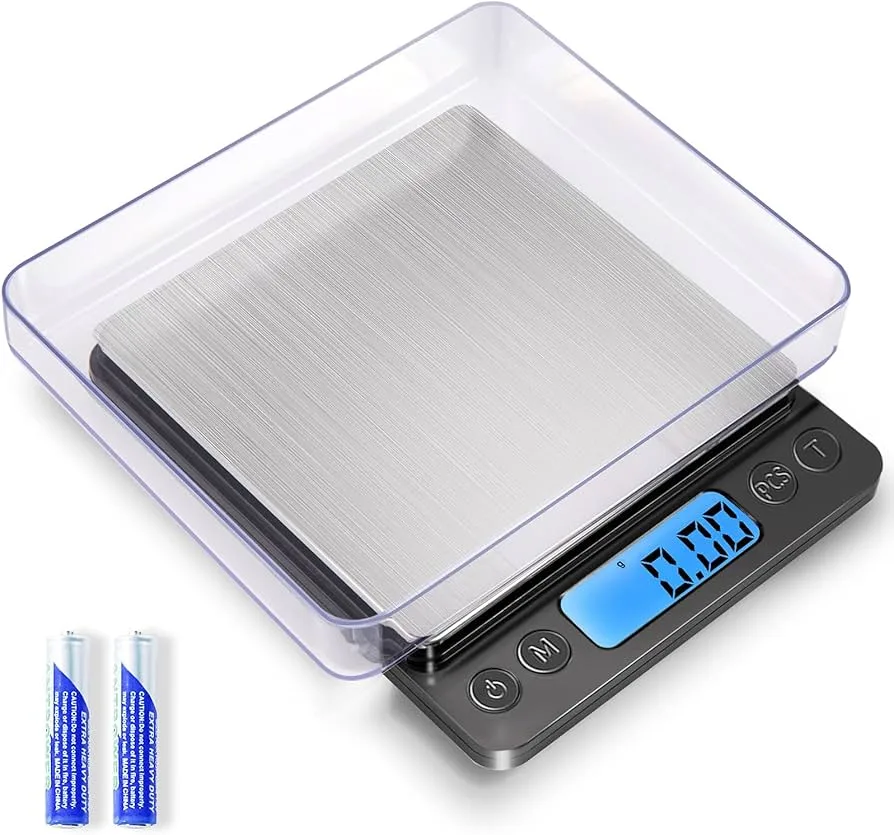
Not all ingredients have the same weight for one teaspoon. Sugar, salt, and flour each pack differently. Some are heavier or lighter. This affects how much you actually add. Use a kitchen scale if possible. Adjust conversions based on ingredient density. This avoids adding too much or too little to your dish. Precision makes your cooking consistent and delicious.

Credit: us.amazon.com
Speeding Up Your Tsp Conversion Process
Speeding up your teaspoon (tsp) conversion process saves time and reduces errors. Quick conversions help you cook or measure ingredients more efficiently. Simple methods and tools make the process faster and easier.
Batch Conversion Strategies
Convert multiple measurements at once to save time. Group similar measurements together for quick calculation. Use a chart or list to track your conversions. This method reduces repetitive work and confusion. It also helps you stay organized during cooking or mixing.
Using Standardized Measuring Tools
Use standard measuring spoons for consistent results. These tools show exact teaspoon amounts. They eliminate guesswork and speed up your work. Having the right tools makes conversions simple and accurate. Always keep your measuring spoons clean and ready to use.
Practical Examples
Understanding teaspoon (tsp) conversions helps in cooking and baking. It makes recipes easy to follow and change. Here are some practical examples to show how tsp conversions work in real life. These examples help you adjust recipes and scale servings correctly.
Recipe Adjustments
Imagine a recipe calls for 1 tablespoon of sugar. You only have teaspoons. Since 1 tablespoon equals 3 teaspoons, you use 3 tsp instead. This simple swap keeps the taste the same.
Another example is reducing salt. The recipe needs 2 teaspoons, but you want less. Use 1 teaspoon for a milder flavor. Tsp conversion lets you change amounts without guesswork.
Scaling Servings
Recipes often serve 4, but you need to feed 6 people. Multiply each ingredient by 1.5. For example, 2 teaspoons of vanilla become 3 teaspoons. This keeps the flavor balanced for more servings.
For half the servings, divide the tsp amount by 2. If the recipe uses 4 teaspoons of oil, use 2 teaspoons. Scaling servings is easy with tsp conversions.

Credit: www.amazon.co.uk
Frequently Asked Questions
What Is The Tsp Conversion To Tablespoons?
1 teaspoon (tsp) equals 1/3 tablespoon (tbsp). This conversion helps in cooking and baking measurements.
How Many Milliliters Are In One Teaspoon?
One teaspoon equals approximately 4. 93 milliliters. This metric conversion is useful for precise liquid measurements.
How Do You Convert Teaspoons To Cups?
There are 48 teaspoons in one cup. Divide the number of teaspoons by 48 to get cups.
Why Is Tsp Conversion Important In Recipes?
Tsp conversion ensures accurate ingredient measurements. It helps maintain recipe consistency and desired taste.
Conclusion
Tsp conversion is simple with the right guide. Always keep a small chart or tool nearby. It helps save time and avoid mistakes. Cooking and baking become easier and more fun. Knowing these conversions makes recipes clearer. You can measure ingredients correctly every time.
Practice a little, and it will feel natural. Precision matters in the kitchen. Use what you learned today to cook with confidence.