Last Updated on August 20, 2026
Have you ever found yourself stuck, trying to figure out how many teaspoons make a cup? Whether you’re cooking, baking, or mixing drinks, knowing the right measurements can save you from mistakes and wasted ingredients.
Imagine getting your recipe just right every time without second-guessing. In this post, you’ll discover simple, clear conversions from teaspoon to cup that make your kitchen tasks easier and your results better. Keep reading—you’re about to master measurements like a pro.
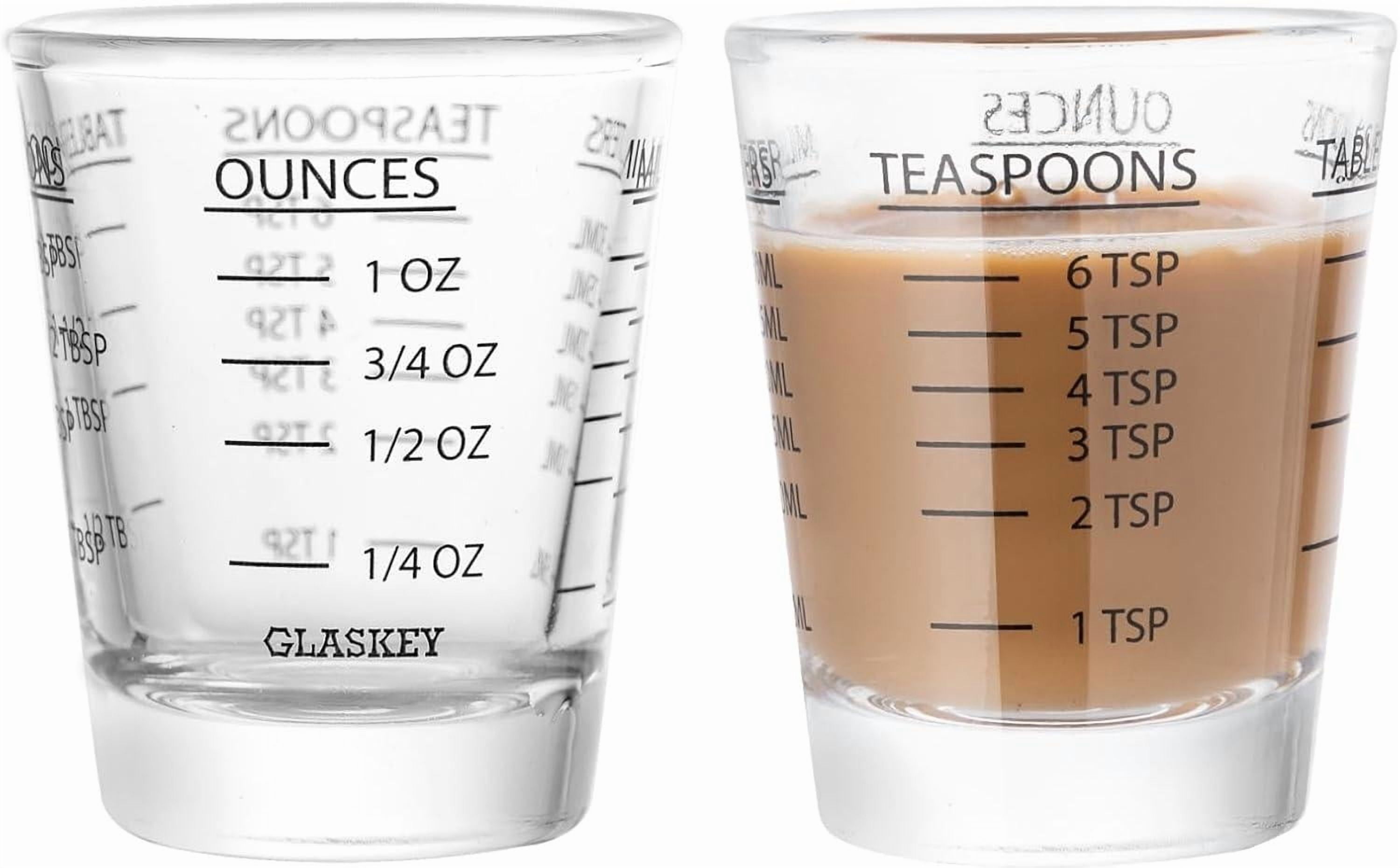
Credit: www.walmart.com
Common Baking Measurements
Baking needs precise measurements for the best results. Knowing common baking measurements helps you follow recipes correctly. It also makes your baking easier and more consistent.
Teaspoons And Tablespoons
Teaspoons (tsp) and tablespoons (tbsp) measure small amounts of ingredients. One tablespoon equals three teaspoons. These units are often used for spices, baking powder, and vanilla extract. Using the right spoon size keeps flavors balanced and dough texture right.
Cups And Pints
Cups and pints measure larger ingredient amounts. One pint equals two cups. Cups are common for flour, sugar, and liquids like milk. Measuring cups help you add the right volume. Pints are useful for liquids and some soft ingredients.
Ounces And Grams
Ounces (oz) and grams (g) measure weight, not volume. Weight gives more accuracy in baking. One ounce equals about 28 grams. Many recipes use grams for dry ingredients like flour and nuts. Using a kitchen scale improves precision and baking success.
Essential Conversion Ratios
Knowing essential conversion ratios makes cooking and baking easier. Recipes often list ingredients in different units. Understanding these conversions saves time and prevents mistakes. This guide covers basic conversions from teaspoons to cups and beyond.
Simple ratios help measure ingredients correctly. These conversions also improve consistency in your dishes. Let’s explore the key conversion ratios to remember.
Teaspoons To Tablespoons
Three teaspoons equal one tablespoon. This is a common conversion for small amounts. Use it to measure spices, baking powder, or liquids. It helps when a recipe calls for tablespoons but you only have teaspoons. Remember: 3 tsp = 1 tbsp.
Tablespoons To Cups
Sixteen tablespoons make one cup. This conversion works for both dry and liquid ingredients. Use it for flour, sugar, or milk. If you need one cup but only have tablespoons, count out sixteen. Keep this in mind for easier measuring.
Cups To Milliliters
One cup equals 240 milliliters. This is useful when using metric recipes. It helps convert cups into milliliters for liquids or powders. Knowing this ratio improves accuracy in cooking and baking. So, 1 cup = 240 ml.
Measuring Dry Ingredients
Measuring dry ingredients correctly is key for baking success. Using the right amount keeps your recipes balanced. Small mistakes can change texture and taste. Understanding common ingredients helps measure them well.
Flour
Flour is light and fluffy but can pack down easily. Scoop it gently into your measuring cup. Level it off with a flat edge for accuracy. Avoid tapping or shaking the cup. Too much flour makes baked goods dry and heavy.
Sugar
Sugar granules are denser than flour. Spoon sugar into the measuring cup and level it off. Do not pack sugar down. Proper measuring keeps sweetness balanced. Too much sugar can make desserts overly sweet and sticky.
Cocoa Powder
Cocoa powder is fine and light. Spoon it into the cup lightly. Level with a knife or spatula. Do not press or pack it. Too much cocoa powder makes recipes bitter and dry. Accurate measuring keeps the chocolate flavor just right.
Measuring Liquid Ingredients
Measuring liquid ingredients correctly is key to cooking and baking success. Small mistakes can change the texture and taste of your dish. Using the right tools and knowing how to convert teaspoons to cups helps you follow recipes accurately.
Liquids come in different types and thicknesses. Each needs a careful approach for precise measurement. Below are tips for common liquid ingredients.
Water And Milk
Water and milk are common liquids in many recipes. Use a clear measuring cup with marked lines. Place the cup on a flat surface and check the level at eye height. This method prevents overpouring or underpouring. Remember, 1 cup equals 48 teaspoons. Measure slowly to get exact amounts.
Oils And Extracts
Oils and extracts are thicker and sometimes strong in flavor. Use small measuring spoons for teaspoons and a liquid measuring cup for larger amounts. Pour gently to avoid spills. Extracts are very concentrated, so small errors affect taste a lot. Always measure carefully and level the liquid with the spoon edge.
Honey And Syrups
Honey and syrups are sticky and heavy. Measuring them needs extra care. Use a liquid measuring cup or spoon coated lightly with oil. This helps the honey or syrup slide out easily. Spoon the honey slowly to avoid bubbles. Remember, sticky liquids take up more space, so measure precisely for best results.
Tips For Accurate Measuring
Measuring ingredients right is key for good cooking and baking. Small errors can change the taste and texture. Follow these tips for accurate measuring every time. They help get the right amount from teaspoon to cup.
Using Measuring Spoons Correctly
Choose the right size spoon for each ingredient. Fill the spoon fully without packing it down. Hold the spoon level to avoid spills. Use a knife to remove extra ingredient for dry items. This gives a precise measure.
Leveling Dry Ingredients
Dry ingredients like flour or sugar should be leveled. Scoop into the spoon or cup and then smooth the top. Use the flat edge of a knife or spatula. This stops adding too much, which can spoil the recipe.
Avoiding Common Mistakes
Don’t shake or tap the spoon to settle ingredients. It can cause too much to fit in. Avoid using spoons that are bent or damaged. Clean spoons before measuring sticky ingredients. These steps keep measurements exact and consistent.
Digital Tools And Apps
Measuring ingredients can be tricky, especially when recipes use different units. Digital tools and apps simplify this process. They help convert teaspoons to cups quickly and accurately. These tools save time and reduce errors in the kitchen.
Conversion Calculators
Conversion calculators are online tools that change teaspoons into cups instantly. Enter the amount, and the calculator does the math. They work for other measurements too, like tablespoons or milliliters. These calculators make cooking easier for all skill levels.
Measurement Apps
Measurement apps offer more than conversions. They provide cooking tips and store your favorite recipes. Many apps include built-in calculators for volume and weight. This makes following recipes simple and precise every time.
Smart Kitchen Gadgets
Smart kitchen gadgets use digital screens to show exact measurements. Some gadgets connect to apps for easy tracking. They can measure teaspoons and cups without manual tools. These gadgets help cooks focus on cooking, not measuring.
Printable Conversion Charts
Printable conversion charts make cooking and baking easier. They help you change teaspoons into cups quickly. No more guessing or mistakes in your recipes. Just print and keep the chart in your kitchen.
These charts save time and reduce errors. You can measure ingredients accurately every time. This is important for perfect results in cooking and baking.
Teaspoon To Cup Conversion Chart
This chart shows how many teaspoons make a cup. It lists common measurements clearly. You can see that 48 teaspoons equal one cup. This helps with precise cooking and baking.
Common Ingredient Conversions
Different ingredients have different weights. This chart shows conversions for sugar, flour, and butter. It makes measuring easier for each ingredient. You will get better results in your recipes.
How To Use The Printable Charts
Print the chart and place it in your kitchen. Use it every time you measure ingredients. Match teaspoons to cups easily and quickly. This keeps your cooking accurate and stress-free.
Credit: www.reddit.com

Credit: www.thingscope.cs.columbia.edu
Frequently Asked Questions
What Is The Conversion From Teaspoon To Cup?
One cup equals 48 teaspoons. To convert, divide teaspoons by 48. This helps in accurate recipe measurements.
How Many Teaspoons Make One Cup In Baking?
In baking, 48 teaspoons equal one cup. Precise measurement ensures consistent results and proper ingredient balance.
Why Convert Teaspoons To Cups In Cooking?
Converting teaspoons to cups simplifies measuring larger ingredient quantities. It saves time and improves recipe accuracy.
Can I Use Teaspoons Instead Of Cups?
Yes, but it requires many teaspoons. It’s less efficient and may cause errors in large quantities.
Conclusion
Knowing how to convert teaspoons to cups saves time in the kitchen. It helps you follow recipes with ease and avoid mistakes. Small measurements add up quickly, so accuracy matters. Keep a simple chart or use a reliable tool for quick checks.
Cooking becomes less stressful and more fun with clear measurements. Practice these conversions to boost your confidence while cooking or baking. Simple steps lead to better results every time.