Last Updated on August 20, 2026
Have you ever paused while cooking or reading a recipe and wondered, “What exactly is a teaspoon?” You’re not alone. Understanding what a teaspoon measures can make your cooking more precise and your recipes turn out just right.
Whether you’re baking a cake or mixing a drink, knowing this simple measurement can save you from costly mistakes. Keep reading, and you’ll discover everything you need to know about a teaspoon – in the easiest way possible.

Credit: www.reddit.com
Teaspoon Basics
The teaspoon is a small but important tool in cooking and baking. It helps measure small amounts of ingredients. Understanding its basics can make recipes easier to follow. This section explains what a teaspoon is, its size, history, and how it differs from a tablespoon.
Standard Teaspoon Size
A standard teaspoon holds about 5 milliliters of liquid. This size is common in most countries. Measuring spoons usually come in sets with this standard size. It helps ensure recipes turn out right every time.
History Of The Teaspoon
The teaspoon has been used since the 17th century. Originally, it was a small spoon used for stirring tea. Over time, it became a unit of measurement in cooking. Today, it is one of the most common measuring spoons worldwide.
Teaspoon Vs Tablespoon
A tablespoon is larger than a teaspoon. One tablespoon equals three teaspoons. Recipes often use both for different ingredient amounts. Using the right spoon keeps the taste balanced and consistent.
Measuring With Teaspoons
Measuring with teaspoons is a basic skill in cooking and baking. It helps ensure the right amount of ingredients go into your recipe. Using teaspoons correctly affects the taste and texture of food. Small changes in measurement can make a big difference.
Liquid Vs Dry Ingredients
Teaspoons measure both liquid and dry ingredients. Liquids like oil or water fill the spoon smoothly. Dry ingredients like sugar or salt need to be leveled. Liquids should be measured at eye level to avoid spills. Dry ingredients should be packed or leveled for accuracy.
Leveling Techniques
Leveling means removing extra ingredient from the spoon. Use a flat edge like a knife or spatula. Slide it across the spoon’s top to make a flat surface. This gives an exact measure for dry ingredients. Not leveling can cause too much or too little ingredient.
Common Measuring Tools
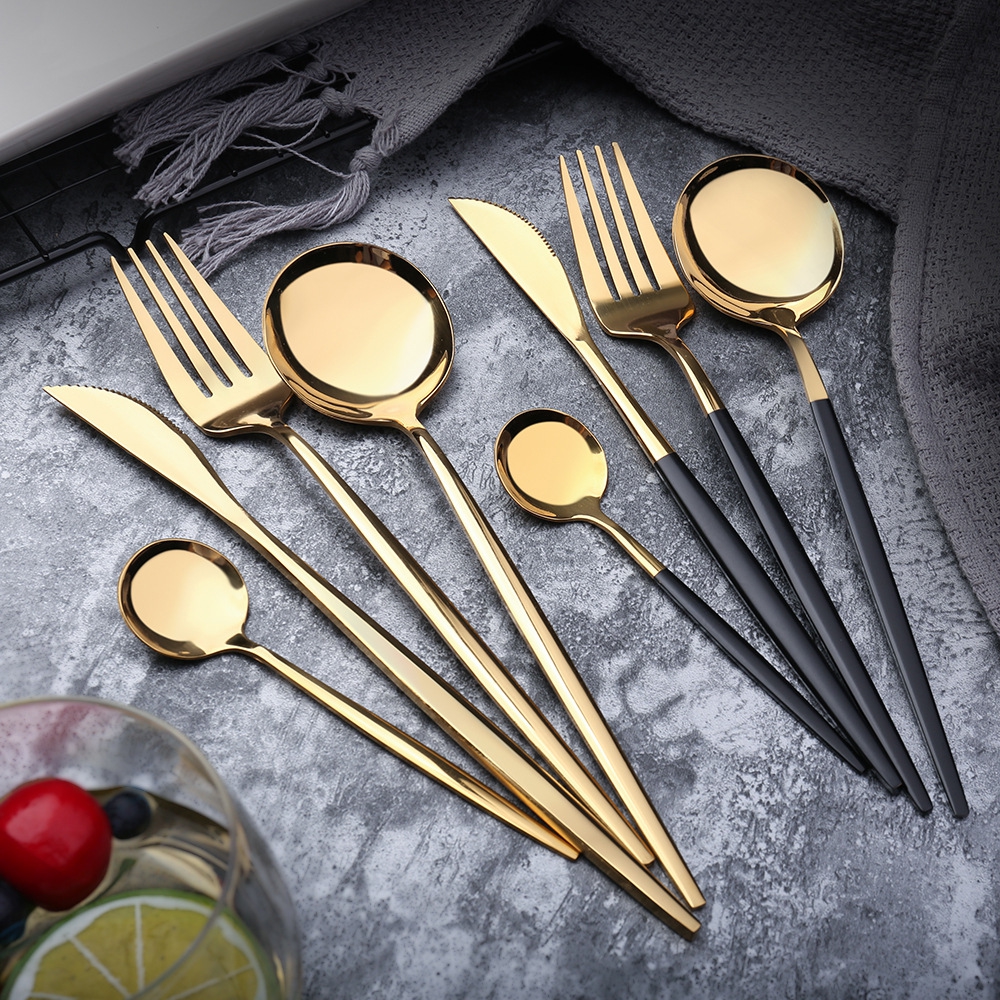
Teaspoons come in sets with tablespoons and other sizes. Metal or plastic spoons are common choices. Some spoons have marks for different levels. Measuring spoons provide better accuracy than guessing. Always use a spoon meant for measuring, not a regular spoon.
Conversions And Equivalents
Understanding teaspoon conversions helps in cooking and baking accuracy. Recipes often list ingredients in teaspoons. Knowing how to convert teaspoons to other measurements avoids mistakes. It ensures the right amount of each ingredient is used. This section explains common conversions and equivalents for teaspoons.
Teaspoons To Milliliters
One teaspoon equals 5 milliliters. This is a standard volume measurement. Milliliters measure liquid ingredients in many recipes. Using milliliters can be more precise than teaspoons. Measuring spoons usually show both teaspoons and milliliters.
Teaspoons To Grams
Teaspoons do not convert directly to grams. Grams measure weight, not volume. Conversion depends on the ingredient density. For example, one teaspoon of sugar weighs about 4 grams. One teaspoon of flour weighs about 2.6 grams. Check ingredient-specific charts for exact conversions.
Teaspoons In Cooking
Teaspoons are common in cooking and baking recipes. They measure small amounts of spices, baking powder, and liquids. Accurate measurement affects flavor and texture. Using the correct teaspoon size ensures recipe success. Teaspoons help keep ingredients balanced and consistent.
Credit: www.homefelt.net
Tips For Accurate Measurement
Measuring a teaspoon accurately is important for good cooking and baking. Small changes in measurement can affect taste and texture. Here are some helpful tips to measure a teaspoon right every time.
Avoiding Common Mistakes
Do not pack ingredients too tightly in the teaspoon. Level off dry ingredients with a flat edge like a knife. Avoid shaking or tapping the spoon to settle the ingredient. Liquid measurements should be checked at eye level for accuracy.
Using Digital Scales
Digital scales provide precise measurement in grams or ounces. Use them for better accuracy than spoons. Place a small bowl on the scale and zero it before adding the ingredient. This method works well for both dry and wet ingredients.
Adjusting For Ingredient Density
Not all ingredients have the same weight in a teaspoon. For example, a teaspoon of flour weighs less than a teaspoon of sugar. Check ingredient density charts if you need exact conversions. This helps in recipes requiring precise measurements.
Global Variations
The size of a teaspoon varies across the world. This small difference can change a recipe’s outcome. Knowing these variations helps in cooking and baking with accuracy. It also avoids confusion when reading recipes from other countries.
Teaspoon Sizes Worldwide
Different countries measure a teaspoon differently. In the United States, a teaspoon is about 4.93 milliliters. In the United Kingdom, it is usually 5.9 milliliters. Australia and Canada often use 5 milliliters as a standard size. These small changes affect ingredient amounts in recipes.
Metric Vs Imperial Systems
Two main measurement systems exist: metric and imperial. The metric system uses milliliters and liters. It is common in most parts of the world. The imperial system uses teaspoons and tablespoons. It is mostly used in the United States. Understanding these systems helps in converting recipes correctly.
Adapting Recipes Internationally
Adjusting recipes from other countries requires care. Use the correct teaspoon size for the recipe’s origin. Measuring spoons marked with milliliters help make precise adjustments. Small errors in measurements can change taste and texture. Always double-check conversions to ensure the best results.
Practical Uses
The teaspoon is a small but very useful tool in daily life. It helps measure small amounts of ingredients and liquids. This makes tasks easier and more accurate. Many people use teaspoons for cooking, medicine, and drinks. Understanding these uses can help you use teaspoons better.
Cooking And Baking
Teaspoons measure spices, baking powder, and other small ingredients. Recipes often need exact amounts for good results. Using a teaspoon prevents adding too much or too little. It helps keep flavors balanced and dishes tasty. Baking especially needs precise measurements, where teaspoons are very helpful.
Medicine Dosage
Teaspoons help measure liquid medicine doses at home. Many medicines come with dosing instructions in teaspoons. This makes it simple to give the right amount. Using a teaspoon avoids mistakes that can harm health. It also helps children get the correct medicine amount safely.
Mixing Drinks
Teaspoons stir tea, coffee, and cocktails perfectly. They mix sugar, cream, or flavorings evenly. A teaspoon also helps measure small amounts of ingredients for drinks. It keeps drinks well blended and tasty. Bartenders and home users both find teaspoons useful for this.

Credit: mandiofthemountains.com
Frequently Asked Questions
What Is The Exact Measurement Of A Teaspoon?
A teaspoon equals 5 milliliters or about 1/3 of a tablespoon. It is a standard cooking measurement used worldwide for small ingredient quantities.
How Does A Teaspoon Differ From A Tablespoon?
A tablespoon is three times larger than a teaspoon. One tablespoon equals 15 milliliters, while a teaspoon holds 5 milliliters, making it ideal for measuring smaller amounts.
Can I Use A Regular Spoon As A Teaspoon?
Regular spoons vary in size and are not precise. Using a standard teaspoon measure ensures accuracy, especially in cooking and baking recipes requiring exact measurements.
Why Is Teaspoon Measurement Important In Recipes?
Teaspoon measurements ensure recipe consistency and flavor balance. Precise amounts prevent overpowering or underwhelming taste, making your dishes turn out as intended every time.
Conclusion
A teaspoon is a small but important kitchen tool. It helps measure ingredients with ease. Knowing its size makes cooking and baking simple. Recipes often rely on teaspoons for accuracy. Using the right amount ensures better taste and texture. Keep a teaspoon handy for daily cooking tasks.
This small measure saves time and avoids mistakes. Understanding what a teaspoon is can improve your meals. Simple, clear, and useful—just like cooking should be.