Last Updated on August 21, 2026
Have you ever struggled to shred cheese or zest a lemon evenly? The grater utensil might be the simple kitchen tool you’ve been overlooking.
Whether you’re a cooking beginner or a seasoned chef, having the right grater can save you time and effort while adding texture and flavor to your dishes. You’ll discover why the grater is a must-have in your kitchen, how to choose the best one for your needs, and tips to use it safely and effectively.
Ready to upgrade your cooking game? Keep reading—you’re about to make your food preparation easier and more enjoyable.

Credit: garboglass.en.made-in-china.com
Types Of Graters
Graters are essential tools in every kitchen. They help to shred, slice, and zest ingredients quickly. Different types of graters serve different purposes. Understanding these types can help you choose the right one for your cooking needs.
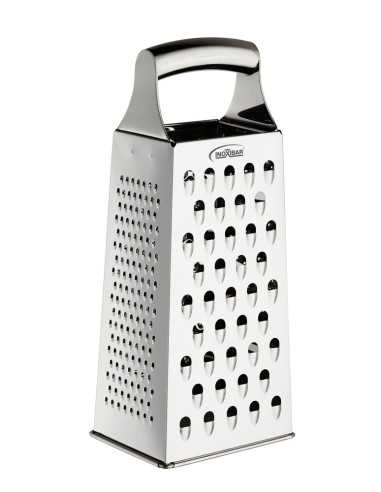
Box Graters
Box graters are the most common type. They have four sides with different grating surfaces. Each side offers a unique texture, from fine to coarse. You can grate cheese, vegetables, and even zest citrus fruits. Their sturdy design makes them easy to hold and use.
Microplane Graters
Microplane graters have sharp, tiny blades. They create very fine shreds. Perfect for zesting lemons or grating hard spices like nutmeg. They are slim and easy to handle. Microplane graters also work well for garlic and ginger.
Rotary Graters
Rotary graters use a hand crank to grate food. Place the ingredient inside the drum and turn the handle. This design makes grating faster and safer. They work well for cheese and nuts. Rotary graters reduce hand fatigue during long grating tasks.
Electric Graters
Electric graters offer speed and convenience. Just press the button, and the machine does the work. Ideal for large quantities of cheese or vegetables. They come with different drum sizes for various textures. Electric graters save time and effort in busy kitchens.
Credit: inoxibar.com
Choosing The Right Grater
Choosing the right grater is important for your kitchen tasks. It affects how fast and easy you prepare food. Picking the best one depends on several factors. These include the material, size, blade types, and safety features. This guide helps you find the right grater that fits your needs.
Material And Build
Graters come in stainless steel, plastic, and sometimes ceramic. Stainless steel is strong and lasts longer. Plastic graters are lighter but less durable. Look for rust-resistant materials. A sturdy build ensures the grater does not bend during use. Choose a grater with a solid handle for better grip.
Size And Portability
Graters vary in size from small handheld to large box types. Small graters are easy to store and carry. Large graters can handle more food at once. Think about your kitchen space. Also, consider if you need a grater to carry outside or for travel.
Blade Variety
Different blades serve different purposes. Some blades shred, some slice, and some zest. A grater with multiple blades offers more options. Choose blades that match the foods you often prepare. Sharp blades make grating smoother and faster. Dull blades can be frustrating and unsafe.
Safety Features
Safety matters to avoid cuts and accidents. Look for graters with protective covers. Non-slip bases keep the grater steady on the surface. Handles should be comfortable and slip-resistant. Some graters have finger guards for extra protection. These features make grating safer and more comfortable.
Grating Techniques
Grating is a basic kitchen skill that helps prepare many dishes. Using the right technique makes grating easier and safer. It also improves the texture of your food. Below are key tips on how to grate like a pro.
Proper Hand Positioning
Hold the grater firmly with one hand. Keep your fingers away from the sharp edges. Use your other hand to press the food against the grater. Move the food up and down with steady control. This prevents slipping and cuts.
Grating Different Foods
Soft foods like cheese need gentle pressure. Hard foods like carrots require stronger force. Use the large holes for coarse grating. Small holes are good for fine grating or zesting. Adjust your grip and angle based on the food’s shape.
Speed And Pressure Tips
Grate slowly at first to avoid accidents. Increase speed as you get comfortable. Apply even pressure to get consistent shreds. Avoid pressing too hard to protect your fingers. Let the grater do the work, not your strength.
Cleaning And Maintenance
Keeping your grater clean and well-maintained makes it last longer. A clean grater works better and stays safe for food. Proper care stops damage and keeps the blade sharp.
Follow simple steps to remove stuck food, prevent rust, and store the grater properly. These tips save time and keep your kitchen tools ready to use.
Removing Food Residue
Use a brush or sponge to clean the grater after each use. Rinse it under warm water to wash away small bits. For stuck pieces, soak the grater in warm soapy water for a few minutes. Use a soft brush to remove food from the holes. Avoid using sharp objects that can dull the blade.
Preventing Rust
Dry the grater immediately after washing. Water left on metal causes rust quickly. Wipe the grater with a clean towel or air dry it completely. Store it in a dry place to keep moisture away. Some graters benefit from a light coating of cooking oil to stop rust.
Storage Tips
Store the grater where it won’t get bent or damaged. Hanging it keeps it safe and dry. Use a protective cover if available to avoid cuts and keep it clean. Keep the grater separate from heavy utensils that can cause dents or scratches. Proper storage helps the grater stay sharp and ready for use.
Creative Uses Beyond Cheese
The grater utensil is more useful than just shredding cheese. It helps prepare many ingredients quickly and easily. Discover creative ways to use a grater in your kitchen beyond cheese.
Grating Vegetables
Graters work well with many vegetables. Use them to shred carrots for salads or cakes. Grated zucchini adds moisture to breads and muffins. Cabbage grated finely is perfect for coleslaw. Grating makes vegetables cook faster in soups and stir-fries.
Zesting Citrus
A fine grater is perfect for zesting lemons, limes, and oranges. The zest adds fresh flavor to dishes and drinks. It brightens desserts, sauces, and marinades. Zesting with a grater is quick and easy. Avoid grating the bitter white pith under the skin.
Grating Spices And Nuts
Use a grater to fresh-grate spices like nutmeg or ginger. Fresh spices have stronger, richer flavors than ground ones. Grating nuts like almonds or walnuts adds texture to recipes. It works well for garnishing cakes and salads. A grater helps release natural oils and aromas.
Common Mistakes To Avoid
Using a grater utensil seems simple, but many make common mistakes. These errors can waste food, cause injury, or spoil your dish. Avoid these pitfalls to get better results and stay safe.
Over-grating
Grating too much can ruin the texture of your food. For example, over-grating cheese makes it clumpy and hard to melt. Stop grating once you have the right amount. This keeps your dish balanced and tasty.
Using The Wrong Side
Most graters have multiple sides for different uses. Using the wrong side may give you the wrong texture. Large holes create thick shreds, while small holes produce fine zest. Choose the correct side based on your recipe needs.
Ignoring Safety
Graters are sharp tools. Careless use leads to cuts on fingers. Hold the food firmly and grate slowly. Use a protective glove or a guard if available. Always pay attention to avoid accidents.
Top Brands And Models
Choosing the right grater utensil can make food preparation easier and faster. Several brands offer quality graters that fit different needs and budgets. Some focus on affordability, while others provide professional-grade tools for serious cooks. Customer favorites often combine good design with reliable performance.
Budget-friendly Options
Affordable graters work well for everyday kitchen tasks. Brands like OXO and Cuisinart offer solid options under $20. These graters are sturdy and easy to use. They usually feature multiple grating surfaces for versatility. Ideal for people who need a simple tool without extra cost.
Professional Grade Choices
High-end graters are built for heavy use and durability. Microplane is a top brand in this category. Their graters have sharp, long-lasting blades made from stainless steel. Many chefs prefer these for zesting, shredding, and fine grating. Professional models often have ergonomic handles for comfort.
Customer Favorites
Some graters stand out due to positive user reviews. The KitchenAid box grater is popular for its solid build and ease of cleaning. Another favorite is the Zyliss Classic Rotary Grater, praised for its unique design. These models balance performance, price, and durability. Many users say they feel good to hold and easy to store.

Credit: garboglass.en.made-in-china.com
Frequently Asked Questions
What Is A Grater Utensil Used For?
A grater utensil is used to shred or grate food into small pieces. It helps prepare ingredients like cheese, vegetables, and spices efficiently. It enhances texture and flavor in cooking and baking.
How Do I Choose The Best Grater Utensil?
Choose a grater with sharp blades and sturdy material like stainless steel. Consider size, handle comfort, and blade variety based on your cooking needs. Easy cleaning and storage features are also important.
Can Graters Be Used For Multiple Foods?
Yes, graters work well on cheese, carrots, potatoes, ginger, and more. Different sides or blades allow fine to coarse grating for various recipes. This versatility makes it an essential kitchen tool.
How To Clean A Grater Utensil Safely?
Clean a grater immediately after use with warm soapy water. Use a brush or sponge to avoid blade injury. Dry it thoroughly to prevent rust and maintain sharpness.
Conclusion
A grater utensil makes food preparation quick and easy. It helps you shred cheese, vegetables, and fruits with little effort. Choosing the right grater improves your cooking experience. Keep it clean to last longer and work better. Simple, useful, and practical—graters belong in every kitchen.
Try one today to enjoy fresh, finely grated ingredients in your meals.