Last Updated on August 24, 2026
Are you tired of soggy salads that ruin your meals? Learning how to use a salad spinner can change the way you prepare greens forever.
It’s a simple tool, but when used right, it makes your lettuce crisp, fresh, and ready to enjoy in seconds. In this guide, you’ll discover easy steps to get perfectly dried salad every time. Keep reading, and you’ll never struggle with wet, limp leaves again!
Choosing The Right Salad Spinner
Choosing the right salad spinner helps you enjoy fresh, crisp greens every time. The right spinner saves time and effort in drying your salad. Different types suit different kitchens and needs. Consider how often you make salads and how much space you have.
Manual Vs. Electric Spinners
Manual spinners use a hand crank or pull cord to spin the basket. They are simple, cost less, and need no power source. Good for small kitchens and quick salads. Electric spinners work with a button press. They spin faster and need less effort. Best for frequent salad makers or large batches.
Material And Size Options
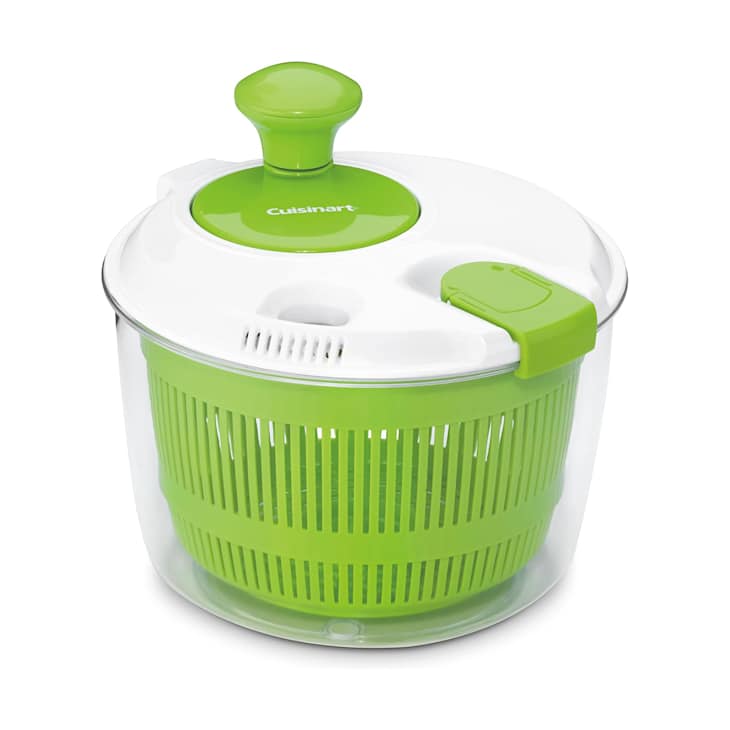
Salad spinners come in plastic, stainless steel, or glass. Plastic is light and affordable but may stain over time. Stainless steel looks nice and lasts longer. Glass is heavy and breaks easily but is stain-resistant. Sizes range from small (3-4 cups) to large (8-10 cups). Choose size based on how many people you serve. Bigger spinners handle more greens but take more space.

Credit: www.youtube.com
Preparing Greens For Spinning
Preparing greens before using a salad spinner is very important. Clean and ready leaves spin better and dry faster. This step helps remove dirt and tiny bugs. It also makes your salad fresh and tasty.
Washing Leaves Thoroughly
Start by placing the greens in a large bowl or sink full of cold water. Gently move the leaves around to loosen dirt. Let them sit for a minute to allow debris to fall off. Lift the leaves out carefully, leaving the dirt behind. Repeat this process if the leaves still look dirty.
Trimming And Sorting
Check the leaves for any bad spots or wilted parts. Cut off these parts with a knife or scissors. Remove thick stems that are hard to chew. Sort the leaves by size to help them dry evenly. Smaller leaves dry faster and will be ready to eat sooner.
Step-by-step Spinning Process
Using a salad spinner is a simple way to dry your greens quickly. The spinning process removes water that can make salads soggy. Follow these steps to get the best results from your salad spinner.
Loading The Basket Correctly
Start by placing the salad spinner basket on a flat surface. Add your washed salad leaves or vegetables into the basket. Do not overfill it; leave space for the leaves to move freely. Overloading can block water from spinning out properly. Spread the leaves evenly for balanced spinning.
Spinning Techniques For Best Results
Close the spinner lid tightly before spinning. Use a smooth, steady motion to spin the basket. Spin for about 20 to 30 seconds. Stop and check if the leaves are dry enough. If not, spin again in short bursts. Avoid spinning too fast, which may damage delicate leaves. After spinning, remove the basket and gently shake off any remaining water.
Credit: www.apartmenttherapy.com
Tips To Maximize Crispness
Using a salad spinner correctly can make your greens crisp and fresh. The key is to remove water efficiently without damaging the leaves. Simple steps can help you get the best results every time.
Proper Drying Time
Spin the salad for about 20 to 30 seconds. This time removes most of the water from the leaves. Stop spinning once water stops flying out. Too little time leaves leaves wet and soggy. Too long can bruise the greens.
Avoiding Overloading
Fill the spinner only halfway with greens. Overloading stops water from leaving all leaves. Crowded leaves stay wet and limp. Spin in small batches for better crispness. This keeps each leaf dry and fresh.
Cleaning And Maintaining Your Spinner
Cleaning and maintaining your salad spinner keeps it working well for a long time. Dirt and leftover bits can make it less effective. Regular care stops bad smells and mold from forming.
Simple cleaning steps help keep the spinner fresh and safe for salads. Proper storage also protects it from damage and dust. Follow these easy tips to enjoy crisp, clean greens every time.
Disassembling For Cleaning
Take the spinner apart before washing. Remove the lid, basket, and bowl carefully. Use warm water and mild soap to clean each part. A soft sponge works best to avoid scratches. Rinse well to remove all soap. Let the parts dry completely before putting them back.
Storage Recommendations
Store the salad spinner in a dry place. Keep it away from direct sunlight to prevent damage. Make sure all parts are dry before storing. This stops mold and bad smells. Store the spinner with the lid off to allow air flow. This keeps it fresh for the next use.
Creative Uses Beyond Salad
The salad spinner is not just for salads. It has many other uses in the kitchen. This tool can save time and effort in many tasks. Using it creatively can make cooking easier and more fun.
Drying Herbs And Berries
Herbs and berries can hold a lot of water after washing. The salad spinner helps remove this water quickly. Place the herbs or berries inside and spin gently. This keeps them fresh and ready for cooking or storing. It also prevents sogginess and mold growth.
Washing And Draining Pasta
A salad spinner can rinse small pasta shapes effectively. After cooking, put the pasta inside the spinner basket. Rinse with cold water and spin to drain excess water. This method is faster than using a colander. It also stops the pasta from sticking together.

Credit: www.goodhousekeeping.com
Frequently Asked Questions
How Do You Properly Use A Salad Spinner?
To use a salad spinner, place washed greens inside the basket. Close the lid securely. Spin the handle or press the button to remove water. Stop spinning, open the lid, and enjoy dry, crisp salad leaves.
Can A Salad Spinner Clean Vegetables Effectively?
Yes, a salad spinner can clean vegetables well. It rinses dirt and debris while spinning removes excess water. This prevents sogginess and keeps greens fresh longer. Always wash veggies thoroughly before spinning for best results.
What Types Of Greens Work Best In A Salad Spinner?
Leafy greens like lettuce, spinach, kale, and arugula work best. They dry quickly and evenly in a salad spinner. Avoid using dense vegetables that don’t need drying, such as carrots or cucumbers.
How Often Should You Clean Your Salad Spinner?
Clean your salad spinner after every use. Disassemble all parts and wash with warm, soapy water. Dry completely before reassembling. Regular cleaning prevents bacteria buildup and keeps your spinner functioning well.
Conclusion
Using a salad spinner saves time and keeps greens fresh. It removes water quickly, making salads crisp and tasty. Clean leaves dry faster, helping dressings stick better. This tool is simple to use and easy to clean. Try it for healthier, more enjoyable meals.
A small step that improves your kitchen routine. Keep your salads fresh and ready to eat. Give your greens the care they deserve.