Last Updated on August 24, 2026
You love fresh fruit, but have you ever stopped to think about what’s really on their skin? Dirt, pesticides, and bacteria can hide in the crevices of your favorite apples, berries, and grapes.
Simply rinsing with water might not be enough to remove these unseen threats. That’s where a fruit wash comes in. If you want to protect your health and enjoy cleaner, safer fruit every time, understanding how fruit wash works and why it matters is key.
Keep reading to discover how you can make your fruit safer with just a simple step.
Why Wash Fruits
Fruits look fresh and clean, but they can carry dirt and germs. Washing fruits helps remove these unwanted substances. It makes fruits safer to eat and more enjoyable. Clean fruits also taste better and last longer.
Washing fruits before eating lowers the risk of illness. It is a simple step that protects your health. Many people skip this step, but it is important. Knowing what is on your fruit helps understand why washing matters.
Common Contaminants On Fruits
Fruits can have dirt, dust, and tiny bugs on their surface. Farmers use pesticides to protect crops, but some may stay on fruits. Bacteria from soil, water, or handling can also be present. These contaminants are invisible but can cause problems.
Handling fruits with dirty hands spreads germs. Fruits in markets or stores may touch many surfaces. These contacts increase the chance of contamination. Washing helps remove most of these unwanted materials.
Health Risks Of Unwashed Fruits
Eating unwashed fruits can cause stomach pain and diarrhea. Harmful bacteria like E. coli and Salmonella hide on unclean fruits. These germs can cause food poisoning, especially in children and older adults. Pesticide residues may also harm your body over time.
Washing fruits reduces these health risks. It lowers the chances of infections and allergic reactions. Clean fruits support a healthy diet without added danger. It is a small effort with big health benefits.
Best Methods To Wash Fruits
Washing fruits is an important step to keep them safe and clean. Dirt, bacteria, and pesticides can stay on the surface. Using the right washing method helps remove these unwanted substances. Different fruits need different care. Here are some effective ways to wash fruits at home.
Using Cold Water
Cold water is the simplest way to clean fruits. Rinse each fruit under running water. Rub gently with your hands to remove dirt. This method works best for fruits with firm skin. Avoid soaking fruits like berries, which can absorb water.
Vinegar Solutions
Vinegar kills many bacteria and removes pesticides. Mix one part vinegar with three parts water. Soak fruits in the solution for five to ten minutes. Rinse well with cold water after soaking. This method is safe for most fruits and vegetables.
Baking Soda Wash
Baking soda helps break down wax and chemicals. Add one teaspoon of baking soda to two cups of water. Soak fruits for about 15 minutes. Gently scrub fruits with a soft brush if needed. Rinse thoroughly with clean water before eating.
Commercial Fruit Washes
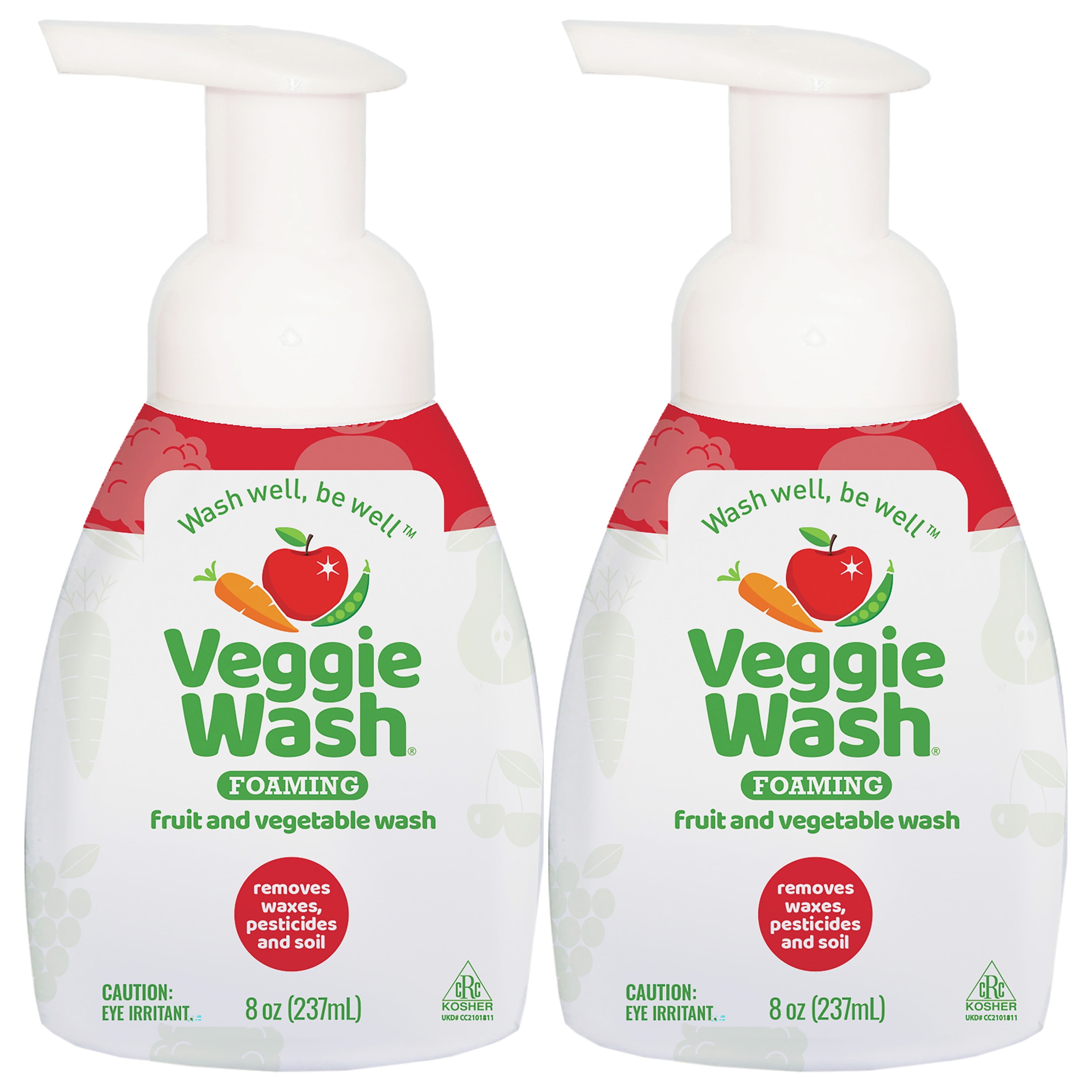
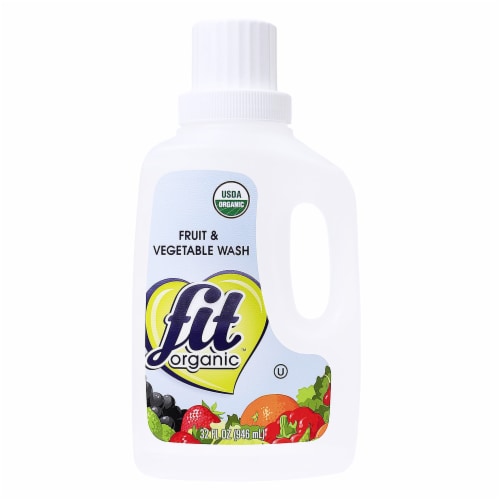
Fruit washes are specially made to clean produce. Follow the instructions on the product label. Most washes require rinsing fruits after use. These can be useful for extra cleaning but are not always necessary. Always choose trusted brands with safe ingredients.
Step-by-step Fruit Washing Process
Washing fruit properly removes dirt, bacteria, and chemicals. A good washing process keeps your fruit safe and fresh. Follow these clear steps to clean your fruit well before eating or cooking.
Preparing Your Washing Area
Start by cleaning your sink or bowl. Use warm water and soap to remove germs. Rinse well to avoid soap on fruit. Gather all tools like a brush or colander. Have a clean towel or paper towels ready for drying.
Soaking And Rinsing Techniques
Fill the sink or a large bowl with cold water. Place your fruit in the water and soak for a few minutes. This loosens dirt and residues. Gently rub each fruit under running water. Use a soft brush for tough-skinned fruits like apples or potatoes. Avoid soap or detergents on fruit. Rinse thoroughly to remove all dirt and particles.
Drying Fruits Safely
Dry fruit with a clean towel or paper towels. This removes moisture that can cause mold. Air drying on a clean rack is also good. Avoid using the same towel for raw meat and fruit. Store fruit in a dry, clean place after drying. Dry fruit stays fresh longer and tastes better.
Credit: www.walmart.com
Fruits That Need Extra Care
Some fruits need more careful cleaning than others. Dirt, pesticides, and bacteria often hide in their tiny crevices. Proper washing helps remove these harmful substances. This section explains which fruits require extra care and why.
Berries And Soft Fruits
Berries like strawberries, raspberries, and blueberries have soft skins. Their delicate surface traps dirt and germs easily. Washing gently with fruit wash removes residues without damaging them. Avoid soaking berries too long to keep their texture fresh.
Leafy Fruits And Greens
Leafy fruits such as grapes and greens like spinach have many folds. Dirt and bugs hide in these tight spaces. Rinsing under running water alone may not clean them well. Using fruit wash helps break down wax and pesticide layers effectively.
Fruits With Thick Skins
Fruits like melons, pineapples, and avocados have tough outer layers. These skins can hold dirt and bacteria firmly. Scrubbing with a brush and fruit wash removes contaminants before cutting. This step prevents dirt from transferring inside the fruit.
Common Mistakes To Avoid
Cleaning fruits properly is important for health. Many people make small mistakes that reduce the benefits of fruit wash. Avoiding these errors helps keep fruits clean and safe. Here are some common mistakes to watch out for.
Using Soap Or Detergents
Soap and detergents are not safe for washing fruits. They leave harmful residues on the surface. These chemicals can cause stomach problems. Water or a specially made fruit wash is best for cleaning. Avoid using any household soap on fruits.
Skipping The Drying Step
Drying fruits after washing is often ignored. Wet fruits can spoil faster and grow bacteria. Use a clean towel or paper towel to dry fruits. Drying also removes any leftover dirt or chemicals. This step improves the taste and shelf life of fruits.
Washing Too Early Or Too Late
Washing fruits too early can cause them to spoil before use. Washing too late may not remove all dirt and germs. Wash fruits just before eating or cooking. This keeps them fresh and clean for longer. Timing matters for the best results.
Credit: www.ralphs.com
Storage Tips After Washing
Washing fruits removes dirt and pesticides, but proper storage keeps them fresh. Storing fruits correctly after washing helps prevent spoilage and keeps taste intact. Follow simple steps to maintain fruit quality and safety.
Proper Refrigeration
Place washed fruits in clean containers or plastic bags. Keep them in the fridge’s crisper drawer. This area has the right humidity to slow down spoilage. Avoid overpacking to allow air circulation around fruits.
Avoiding Cross-contamination
Store different fruits separately to stop flavors and bacteria from spreading. Use separate containers for fruits and vegetables. Keep raw meats far from washed fruits to prevent germs from transferring.
Keeping Fruits Fresh Longer
Dry fruits well before storing to reduce moisture buildup. Use paper towels to absorb excess water inside containers. Check fruits daily and remove any that start to spoil. This prevents bad fruits from affecting others.

Credit: trulyfreehome.com
Frequently Asked Questions
What Is Fruit Wash And Why Use It?
Fruit wash is a natural cleaner designed to remove dirt, pesticides, and bacteria from fruits. It helps ensure safer consumption and extends fruit freshness. Using fruit wash reduces potential health risks from chemical residues and improves the taste and quality of your fruits.
How Do I Properly Use Fruit Wash?
To use fruit wash, dilute it with water as per the instructions. Soak or spray fruits, then gently scrub and rinse thoroughly. This process removes contaminants effectively without damaging the fruit’s surface or flavor, ensuring cleaner and safer fruits for consumption.
Is Fruit Wash Safe For All Types Of Fruits?
Yes, fruit wash is generally safe for all types of fruits, including berries, apples, and citrus. However, always check product guidelines, especially for delicate fruits. Proper rinsing after use is crucial to avoid any residue or taste alteration on the fruit.
Can Fruit Wash Remove Pesticides Effectively?
Fruit wash can significantly reduce pesticide residues on fruit surfaces. It breaks down chemicals and washes away dirt and bacteria. While it may not eliminate all pesticides, it is more effective than water alone and provides an extra layer of food safety.
Conclusion
Washing fruit keeps dirt and germs away. Clean fruit tastes better and is safer to eat. Using a fruit wash helps remove pesticides and bacteria. Rinsing fruits well under running water also helps. Always wash fruit before cutting or eating it.
Healthy habits start with clean food. Simple steps protect your family’s health every day. Keep fruit fresh and safe with good washing. It’s a small effort with big benefits. Try it and enjoy cleaner, safer fruit today.