Last Updated on September 13, 2026
Are you struggling to get the perfect taste from your cold drip coffee? One simple change could make all the difference: the grind size.
Using the right grind size can unlock richer flavors, smoother textures, and a better overall experience. You’ll discover exactly how to choose the ideal grind size for your cold drip setup. By the end, you’ll know how to brew coffee that tastes just the way you want it—bold, balanced, and refreshing.
Keep reading, and get ready to transform your cold drip game.
Cold Drip Basics
Cold drip coffee offers a unique way to enjoy rich, smooth flavors. It uses cold water slowly dripping through coffee grounds. This process takes hours but creates a delicate taste. Understanding the basics helps you make better cold drip coffee at home.
Grind size plays a key role in this brewing method. It affects how water interacts with coffee. The right grind size balances extraction and flow rate. This balance leads to a perfect cup.
How Cold Drip Works
Cold drip uses cold water dripping slowly over coffee grounds. The water extracts flavors gently without heat. This slow drip allows more control over taste. The coffee brews for several hours. It results in a smooth and less bitter drink.
The process starts with setting cold water at the top. Water passes through coffee grounds in the middle. Finally, it collects at the bottom as brewed coffee. The slow speed helps capture subtle flavor notes.
Why Grind Size Matters
The grind size affects how water flows through coffee. Too fine a grind slows water down too much. This can cause over-extraction and bitter taste. Too coarse a grind lets water pass too fast. This leads to weak, under-extracted coffee.
The right grind size lets water flow evenly. It extracts enough flavor without bitterness. For cold drip, a medium to medium-coarse grind works best. This size keeps the drip steady and the taste balanced.

Credit: truegrindcoffee.com
Grind Size Categories
Grind size plays a big role in cold drip coffee. It controls how water flows through the coffee and how flavors come out. There are three main grind size categories for cold drip: coarse, medium, and fine. Each size works differently and creates unique tastes.
Coarse Grind
Coarse grind looks like sea salt. The particles are big and chunky. Water moves slowly through this grind. It makes a smoother and less bitter coffee. Coarse grind is good for long cold drip brews. It keeps the coffee balanced and clean.
Medium Grind
Medium grind is like sand. It is smaller than coarse but not too fine. This grind allows water to flow at a moderate speed. Medium grind creates a coffee with more body and flavor. It is a popular choice for cold drip lovers.
Fine Grind
Fine grind is powdery, like table salt. Water passes quickly through this grind. It results in a strong and intense coffee. Fine grind can make the coffee bitter if brewed too long. Use it for short cold drip times to avoid harsh flavors.
Impact Of Grind Size On Flavor
The grind size of coffee beans plays a key role in shaping cold drip flavor. It controls how water flows through the grounds. This affects the taste and overall experience of your cold brew.
Adjusting grind size changes the contact time between water and coffee. This alters extraction and the balance of flavors you get. Understanding these effects helps craft the perfect cup.
Extraction Rate And Taste
Finer grinds increase surface area. Water extracts coffee compounds faster. This can lead to a stronger, bolder taste. Coarser grinds slow extraction. Resulting flavors tend to be lighter and more subtle.
Too fine a grind risks over-extraction. This brings out harsh, bitter notes. Too coarse a grind causes under-extraction. The brew may taste weak and sour.
Bitterness And Acidity
Grind size influences bitterness and acidity levels. Fine grinds can raise bitterness because of over-extraction. Acidity might also increase but in a sharper way.
Coarse grinds often highlight acidity in a smoother form. Bitterness stays low. This balance can suit those who prefer bright, clean flavors.
Body And Mouthfeel
Grind size affects body and mouthfeel too. Finer grinds create a thicker, fuller body. The brew feels richer and heavier on the tongue.
Coarser grinds produce lighter body. The mouthfeel is cleaner and more refreshing. This suits drinkers who enjoy a crisp, easy-to-drink coffee.
Choosing The Right Grind Size
Choosing the right grind size for cold drip coffee is very important. It affects the taste, strength, and clarity of your brew. The grind size controls how fast water passes through the coffee. This changes how much flavor the water takes from the grounds.
A proper grind size helps you get the best balance of taste and extraction. Too fine, and the coffee can taste bitter or over-extracted. Too coarse, and it might be weak or sour. Understanding how to pick the right grind size improves your cold drip experience.
Factors To Consider
Start with the type of coffee beans you use. Fresh beans often need a slightly coarser grind. Your equipment also matters. Different cold drip devices work better with certain grind sizes. The water temperature and quality can change extraction too. Lastly, your taste preference plays a role. Some like stronger coffee, others prefer a lighter taste.
Matching Grind To Brewing Time
The brewing time and grind size go hand in hand. Longer brewing times need a coarser grind. This prevents over-extraction and bitterness. Shorter brewing times call for a finer grind. It allows water to extract enough flavor quickly. Adjust grind size if you change your drip time. This keeps the taste balanced and smooth.
Adjusting For Coffee Type
Different coffee types react differently to grind size. Light roasts usually need a finer grind for full flavor. Dark roasts work well with a coarser grind. Single-origin coffees might need special adjustments. Blends often have more flexibility in grind size. Experiment a little to find what suits your coffee best.
Grinding Techniques For Cold Drip
Grinding coffee for cold drip is a key step to get the best flavor. The right grind size affects how water flows and extracts taste. Different grinding methods can change the coffee texture and taste.
Choosing the right technique helps make smooth, rich cold drip coffee. Let’s explore the best ways to grind for cold drip brewing.
Manual Vs Electric Grinders
Manual grinders give control over grind size. They often produce a more consistent grind. Grinding by hand takes time and effort. Great for small batches and slow brewing.
Electric grinders work fast and are easy to use. They handle large amounts of coffee quickly. Some models may create uneven grinds. Choose one with burrs for better consistency.
Consistency And Particle Size
Cold drip needs a coarse grind to slow water flow. Uniform particle size ensures even extraction. Uneven grind causes over or under-extraction. Use burr grinders for steady and consistent results.
Test your grind by rubbing between fingers. It should feel like coarse sand. Adjust grind size if water drips too fast or too slow.
Storage Tips For Ground Coffee
Ground coffee loses freshness quickly. Store it in an airtight container. Keep it away from heat, light, and moisture. Grind only before brewing for best taste.
If storing longer, use a small container to reduce air exposure. Fresh coffee means better flavor and aroma in your cold drip.
Troubleshooting Common Issues
Troubleshooting common issues with cold drip grind size helps improve your coffee taste. Adjusting grind size affects extraction quality. Understanding the signs of over or under extraction guides your adjustments. This section helps you identify problems and fix them easily.
Over Extraction Signs
Bitter or harsh flavors mean over extraction. Coffee tastes dry or hollow. The brew feels heavy or thick in your mouth. Over extraction happens when grind size is too fine. Water extracts too many compounds, causing bad taste.
Under Extraction Signs
Sour or weak taste shows under extraction. Coffee lacks depth and feels watery. The flavor is flat and light. Under extraction occurs if grind size is too coarse. Water passes through too quickly, leaving flavors behind.
How To Correct Grind Size
Start with a medium grind for cold drip coffee. If coffee tastes bitter, coarsen the grind slightly. If coffee tastes sour or weak, make the grind finer. Adjust grind size in small steps. Test brew after each change for best results.
Experimenting With Grind Size
Experimenting with grind size is a key step in cold drip coffee brewing. The grind size changes how water flows through the coffee grounds. This affects the flavor and strength of your brew. Trying different grind sizes helps find what suits your taste best.
Start with a medium grind. Then adjust coarser or finer based on taste and brew time. Small changes can make a big difference. Keep testing to get closer to your ideal cup.
Tasting And Adjusting
Taste your coffee after each brew. Note if it tastes too strong, bitter, or weak. A coarse grind may cause weak coffee. A fine grind might make it bitter or sour. Adjust the grind size slightly to balance flavor and strength. Repeat tasting and adjusting until satisfied.
Keeping A Brewing Journal
Write down the grind size used for each batch. Record brew time, water amount, and taste notes. A journal helps track what works and what does not. Over time, you build a guide for your perfect cold drip coffee. This saves time and improves your results.
Tips For Refining Your Process
Use a consistent grind size for each test. Change only one factor at a time. This helps understand how grind size affects taste. Use a burr grinder for uniform grind size. Clean your grinder regularly to avoid old coffee residue. Patience is key. Small changes lead to better coffee.
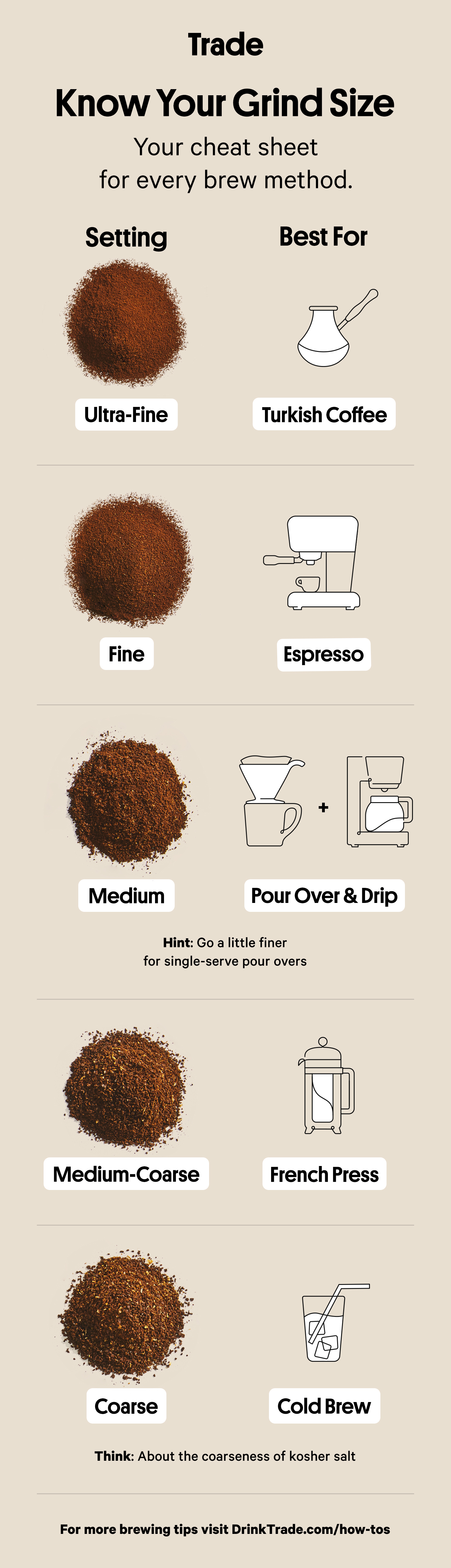
Credit: www.drinktrade.com

Credit: thebasicbarista.com
Frequently Asked Questions
What Grind Size Is Best For Cold Drip Coffee?
A medium-coarse grind size works best for cold drip coffee. It allows slow water flow and proper extraction. Too fine a grind can cause over-extraction and bitterness. Too coarse may result in weak flavor. Medium-coarse balances taste and brewing time perfectly.
How Does Grind Size Affect Cold Drip Brewing?
Grind size controls extraction speed and flavor intensity. Finer grinds extract faster, risking bitterness. Coarser grinds extract slower, leading to milder taste. Proper grind size ensures balanced extraction and smooth cold drip coffee. Adjust grind size to optimize taste and brewing duration.
Can I Use Espresso Grind For Cold Drip?
Espresso grind is too fine for cold drip coffee. It restricts water flow and causes over-extraction. This results in a bitter and harsh flavor. Always use a medium-coarse grind to ensure smooth, balanced cold drip coffee extraction.
Why Is Grind Size Crucial In Cold Drip Coffee?
Grind size affects water flow rate and extraction quality. Correct grind size prevents over or under-extraction. It ensures balanced flavor, aroma, and body in cold drip coffee. Choosing the right grind size is key for brewing consistent, delicious cold drip coffee.
Conclusion
Choosing the right grind size matters for cold drip coffee. A coarse grind lets water flow slowly, making smooth flavors. Too fine a grind can cause bitterness and clogging. Adjusting grind size helps balance taste and brewing time. Experiment with your grind to find what suits you best.
Enjoy your cold drip coffee with a perfect grind every time. Simple changes make a big difference in your cup. Keep it easy, keep it tasty.