Last Updated on September 14, 2026
You love the rich, bold taste of espresso, but making it at home feels tricky. What if you could brew the perfect shot every time, right in your kitchen?
Imagine waking up to that strong, smooth coffee that energizes your day without spending a fortune at a café. In this guide, you’ll discover simple steps and insider tips to make espresso like a pro. Ready to unlock the secret to your new favorite cup?
Keep reading—your perfect espresso awaits.

Credit: www.pactcoffee.com
Choosing The Right Beans
Choosing the right coffee beans is key to making great espresso. The beans affect flavor, strength, and aroma. Picking beans that suit your taste helps create the perfect cup. Focus on the type of beans, roast level, and freshness for the best results.
Arabica Vs Robusta
Arabica beans have a mild, sweet taste. They offer fruity and floral notes. Robusta beans taste stronger and more bitter. They have more caffeine and a heavier body. Most espresso blends use a mix of both beans. This gives balance and depth to the espresso.
Roast Levels
Light roast beans keep more of their original flavors. They are acidic and bright. Medium roasts have a balanced taste and aroma. Dark roasts are bold and smoky. They are common for espresso because they create a rich crema. Choose a roast that matches your flavor preference.
Freshness Matters
Fresh beans make better espresso. Coffee loses flavor soon after roasting. Buy beans from a local roaster or fresh pack. Use beans within two weeks of roasting. Store beans in an airtight container away from light. Freshness ensures strong aroma and full taste in every shot.
Essential Equipment
Making a great espresso starts with the right tools. Each piece of equipment plays a key role. Good tools help brew strong and tasty espresso at home.
Choosing the right equipment is simple if you know what to look for. The main tools include the espresso machine, grinder, and tamper. Each one affects the flavor and quality of the coffee.
Espresso Machines Types
Espresso machines come in different types. Manual machines need you to control pressure and timing. They offer more control but need practice.
Semi-automatic machines use electric pumps for pressure. You control the brewing time. These machines are popular for home use.
Automatic machines handle both pressure and timing. They are easy to use but less flexible. Super-automatic machines grind, tamp, and brew with one button. They suit busy people who want quick coffee.
Grinders And Their Role
Grinding coffee beans right is very important. Freshly ground beans make better espresso. Burr grinders crush beans evenly. This helps the water extract good flavors.
Blade grinders cut beans unevenly. They can cause bad taste. Choose a burr grinder for consistent results. Adjust the grind size to match your machine and taste.
Tamping Tools
Tamping packs coffee grounds firmly in the portafilter. This helps water flow evenly through the coffee. Use a tamper that fits your portafilter size. Press down with steady, even pressure.
Good tamping prevents channeling, which can make espresso weak. A smooth and even surface is best for extraction. Tamping tools come in many shapes and materials. Pick one that feels comfortable and easy to use.
Grinding Coffee Beans
Grinding coffee beans is a crucial step to make a good espresso. The grind affects the flavor, strength, and texture of your espresso. Freshly ground beans release more aroma and taste. Using the right grind size ensures water flows correctly through the coffee. Too coarse or too fine grind can spoil the espresso.
Grind Size For Espresso
Espresso needs a very fine grind. It looks like powdered sugar but not too powdery. Fine grind slows down water flow. This allows full extraction of flavors in a short time. Coarse grind makes water flow too fast. It results in weak and sour espresso. Use a burr grinder for best results. Burr grinders give a consistent fine grind.
Adjusting Grind Consistency
Grind consistency means how even the coffee particles are. Uneven grind causes over-extraction or under-extraction. Over-extracted coffee tastes bitter. Under-extracted coffee tastes sour and watery. Adjust your grinder to get uniform particles. Test small amounts and change settings if needed. Keep notes for your perfect grind setting. Clean your grinder regularly to avoid old coffee affecting taste.
Credit: www.kitchenaid.com
Preparing The Portafilter
Preparing the portafilter is a key step in making a great espresso. It holds the coffee grounds and helps create the right pressure for extraction. A clean and well-prepared portafilter ensures a balanced and flavorful shot.
Focus on dosing the coffee evenly and tamping it firmly. These actions affect the flow of water and the taste of the espresso. Taking time to prepare the portafilter properly leads to better results in every cup.
Dosing The Coffee
Use a scale for an accurate coffee dose. The amount usually ranges from 18 to 20 grams. Too little coffee causes weak espresso. Too much coffee can block water flow.
Distribute the coffee evenly inside the portafilter. Avoid clumps or gaps. Even distribution helps water pass through the coffee smoothly. This improves extraction and taste.
Tamping Techniques
Use a tamper to press the coffee firmly. Apply about 30 pounds of pressure. Press straight down to avoid uneven coffee levels. An uneven tamp causes water to flow too fast in some spots.
Check the surface after tamping. It should be flat and smooth. A good tamp creates resistance for the water. This resistance extracts rich flavors from the coffee.
Extracting The Espresso Shot
Extracting the espresso shot is the heart of making espresso. It affects the taste, aroma, and texture of your coffee. This step means pushing hot water through finely ground coffee under pressure. The right extraction brings out rich flavors and a smooth crema. Too fast or too slow changes the taste a lot.
Optimal Water Temperature
Water temperature affects how coffee flavors dissolve. The best range is between 195°F and 205°F (90°C to 96°C). Water cooler than this won’t extract enough flavor. Hotter water can burn the coffee, making it bitter. Keeping water in this range ensures balanced taste.
Extraction Time
The time water spends in contact with coffee is crucial. Usually, 25 to 30 seconds is ideal. Less time means weak, sour espresso. More time results in bitter, over-extracted coffee. Watch the timer closely to get a good shot every time.
Shot Volume And Yield
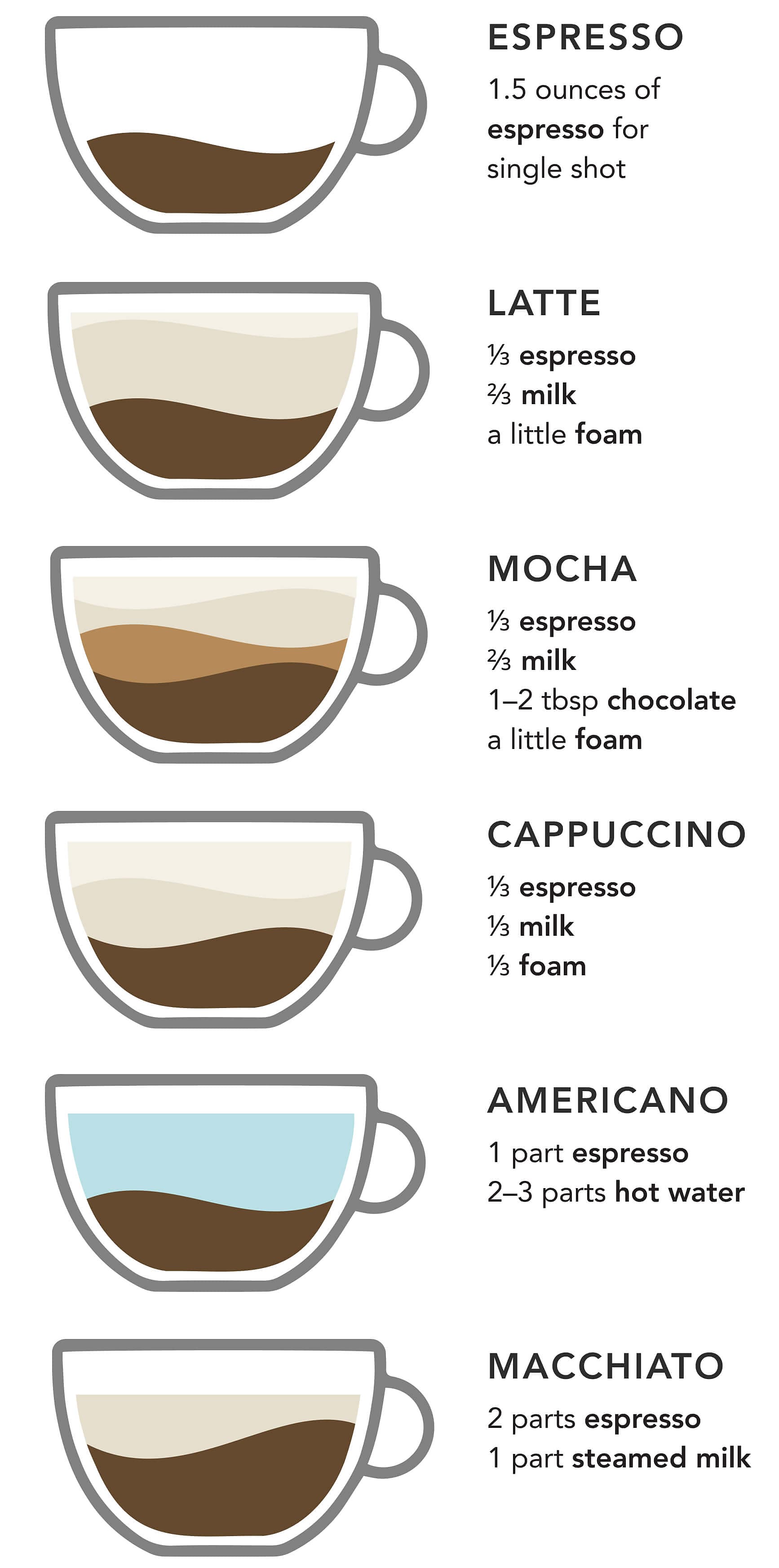
Shot volume is the amount of espresso you get. A standard single shot is about 1 ounce (30 ml). Yield means the weight of espresso from the coffee grounds. Typical yield is around 25 to 30 grams. Measuring yield helps keep the taste consistent.
Troubleshooting Common Issues
Making espresso is an art. Sometimes, problems happen during brewing. These common issues affect taste and texture. Fixing them improves your coffee experience. Here are simple solutions to typical espresso problems.
Bitter Or Sour Taste
Bitter espresso often means over-extraction. Coffee stays too long in hot water. Try using a coarser grind or shorter brew time. Sour taste means under-extraction. Coffee brews too fast or grind is too coarse. Use finer grind or increase brew time. Adjust water temperature to about 195-205°F for balance.
Crema Problems
Crema is the golden foam on espresso. Thin or no crema shows weak extraction. Use fresh coffee beans for better crema. Check grind size and tamp pressure. Too coarse grind or light tamping lowers crema. Clean your espresso machine regularly. Old oils and residue reduce crema quality.
Under Or Over Extraction
Under-extraction tastes sour and weak. Try a finer grind or longer brew. Over-extraction tastes bitter and harsh. Use coarser grind or shorter brew. Dose coffee correctly—too much or too little causes problems. Aim for 25-30 seconds extraction time for best results.
Advanced Tips For Barista-level Espresso
Advanced tips help you craft espresso like a skilled barista. These techniques improve flavor, texture, and aroma. Small changes make a big difference in your coffee. Explore these methods to elevate your espresso experience.
Pre-infusion Techniques
Pre-infusion wets the coffee grounds gently before full pressure. It helps release gases and evens extraction. This step avoids channeling and bitter taste. Use low pressure for 3 to 5 seconds. It prepares the coffee for smoother brewing.
Pressure Profiling
Pressure profiling means adjusting pressure during extraction. Start with low pressure, then increase gradually. This controls flow and brings out complex flavors. Pressure changes affect crema and body of espresso. Experiment with pressure steps to find your perfect shot.
Experimenting With Blends
Try different coffee bean blends for unique flavors. Mix beans from various regions or roast levels. Blends balance acidity, sweetness, and bitterness. Testing blends helps you discover preferred tastes. Keep notes on each blend’s results for improvement.

Credit: shop.carusoscoffee.com
Frequently Asked Questions
What Equipment Do I Need To Make Espresso?
You need an espresso machine, a grinder, fresh coffee beans, and a tamper. Quality equipment ensures rich flavor and proper extraction.
How Fine Should Espresso Coffee Grounds Be?
Espresso coffee grounds should be very fine, almost powdery. This helps extract maximum flavor quickly during brewing.
How Much Coffee Is Used For A Single Espresso Shot?
A single espresso shot requires about 18-20 grams of coffee. Using the right amount ensures balanced strength and taste.
What Is The Ideal Water Temperature For Espresso?
The ideal water temperature is between 90-96°C (194-205°F). Proper temperature avoids bitterness and extracts optimal coffee flavor.
Conclusion
Making espresso at home is simple with the right steps. Fresh coffee beans and clean equipment matter most. Grind beans finely and use the right water temperature. Press the coffee firmly and brew for about 25 seconds. Taste your espresso and adjust the process if needed.
Practice helps improve your skills over time. Enjoying a rich, strong espresso is rewarding and fun. Keep trying and soon you’ll brew like a pro. Your perfect espresso awaits—give it a shot today.