Last Updated on September 14, 2026
Are you ready to enjoy smooth, rich coffee that’s perfect for hot days or anytime you want a refreshing boost? Making cold brew at home is easier than you think, and once you try it, you’ll never want to go back.
Imagine waking up to a glass of delicious, low-acid coffee that you made yourself—with just a few simple steps. In this guide, you’ll discover exactly how to make cold brew that tastes just like your favorite café’s, saving you money and giving you full control over the flavor.
Keep reading, and soon you’ll be sipping on your own perfect cold brew!
Choosing The Right Coffee Beans
Choosing the right coffee beans is key to making great cold brew. The beans affect the taste, strength, and smoothness of your drink. Using fresh, quality beans brings out the best flavors. Different beans create different experiences. Understanding the types helps you pick what suits your taste.
Best Coffee Types For Cold Brew
Medium and dark roast beans work best for cold brew. They give a rich, smooth flavor. Light roasts can taste sour or weak in cold brew. Beans from regions like Brazil, Colombia, or Ethiopia have unique flavors. Brazilian beans offer nutty and chocolate notes. Colombian beans tend to be balanced and mild. Ethiopian beans have fruity and floral hints. Choose beans based on flavor you prefer.
Grinding Coffee For Optimal Flavor
Grind size changes how coffee tastes in cold brew. Use a coarse grind, like sea salt. Fine grinds create bitter flavors and make filtering hard. Coarse grounds allow slow extraction, making smooth coffee. Grind just before brewing for fresh taste. Store beans in an airtight container to keep them fresh.
Essential Equipment
Making cold brew coffee at home is simple with the right tools. Having the essential equipment helps you brew smooth, flavorful coffee every time. It also saves time and effort. Let’s explore the key items you need.
Cold Brew Makers And Alternatives
Cold brew makers are designed to make the process easy. These devices usually have a large jar and a filter basket. You add coffee grounds and water, then let it steep for hours. Popular brands offer models with built-in filters and easy-pour lids.
If you don’t have a cold brew maker, no worries. You can use a large mason jar or any glass container. Just add coffee and water, then cover it. For filtering, use a fine mesh sieve or cheesecloth. These alternatives work well and cost less.
Filters And Storage Containers
Good filters are important to keep your cold brew clear and grit-free. Paper filters, metal mesh, or cloth filters all work. Cloth filters are reusable and eco-friendly. Paper filters catch even the smallest grounds but create more waste.
Storage containers keep your cold brew fresh. Glass bottles with tight lids are best. They do not absorb flavors or odors. Store your brew in the fridge to keep it cold and tasty for up to two weeks.
Step-by-step Brewing Process
Making cold brew coffee at home is simple and rewarding. Follow these clear steps to get a smooth, rich coffee concentrate. The process needs patience but very little effort. Let’s break down the brewing into easy parts.
Measuring Coffee And Water
Start by measuring your coffee grounds and water. Use coarsely ground coffee for the best taste. A good ratio is 1 cup of coffee to 4 cups of cold water. This balance ensures strong, smooth coffee without bitterness.
Mixing And Steeping Time
Combine the coffee grounds and cold water in a large jar or pitcher. Stir gently to wet all the grounds evenly. Cover the container and let it steep. Steeping time should be 12 to 24 hours. The longer it steeps, the stronger the flavor.
Straining The Brew
After steeping, strain the coffee to separate the grounds. Use a fine mesh sieve or a coffee filter. Strain slowly to avoid disturbing the grounds. Repeat if needed to remove all sediment. Store the cold brew in a clean bottle in the fridge.
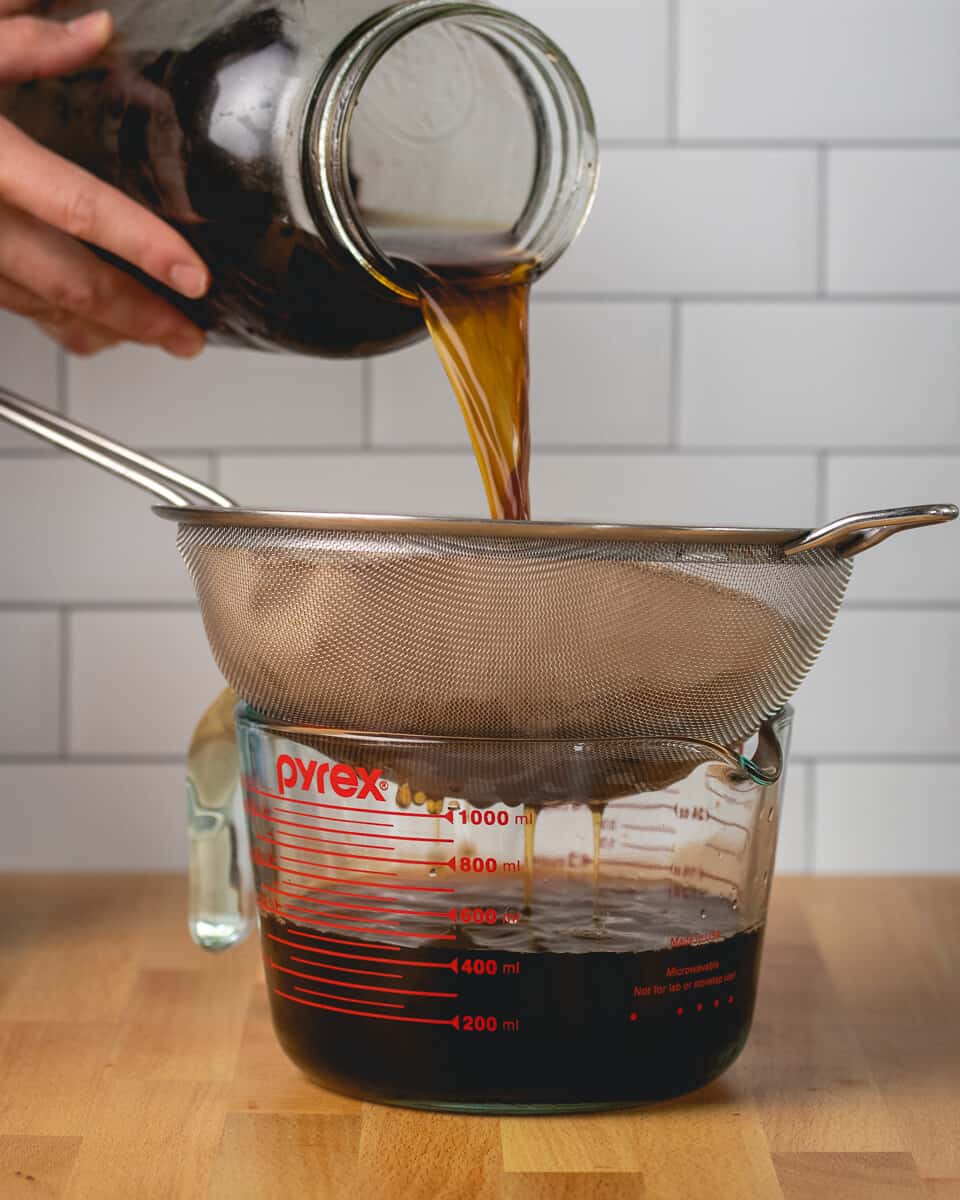
Credit: sarahsvegankitchen.com
Serving Suggestions
Cold brew coffee is smooth and rich on its own. Serving it well makes it even better. Small changes can bring new flavors and textures. This section shares simple ways to serve your cold brew.
Diluting And Sweetening
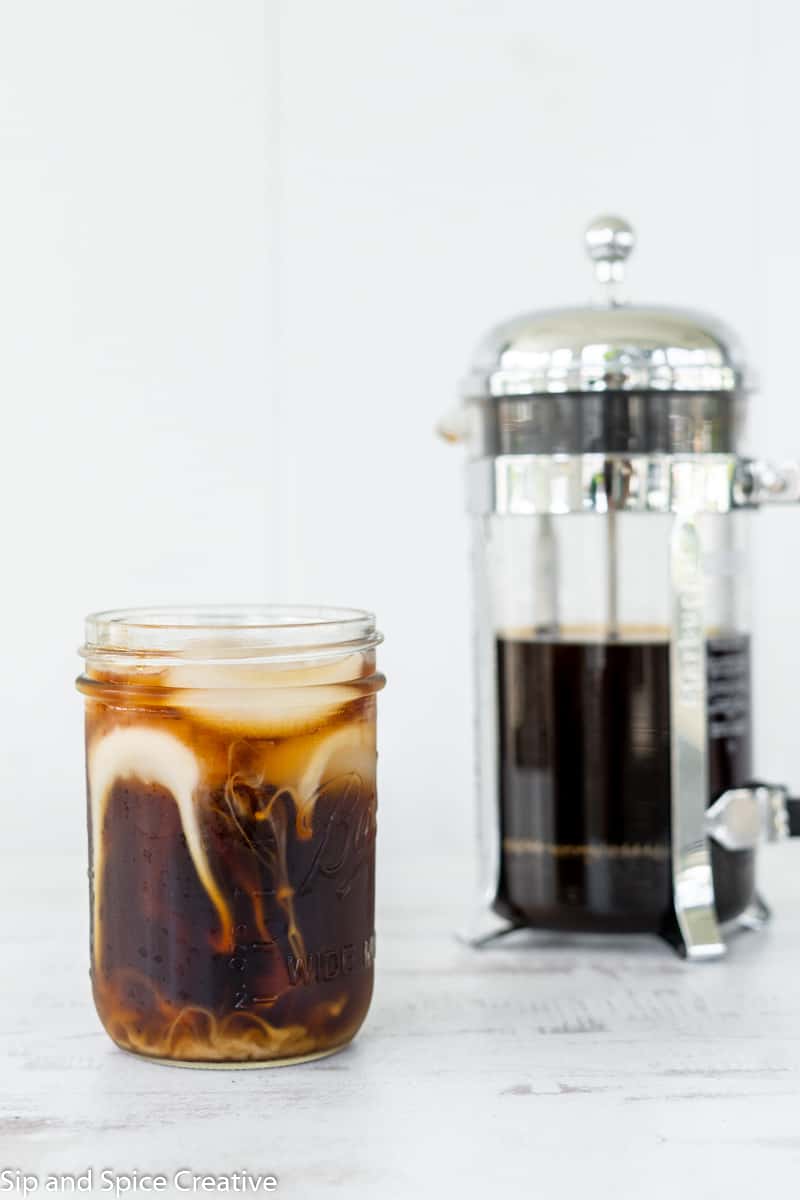
Cold brew is strong and concentrated. Dilute it with water or milk to soften the taste. Use cold milk, almond milk, or oat milk for variety. Sweeten with simple syrup, honey, or maple syrup. Stir well to mix sweeteners evenly. Add ice cubes to keep it cold longer. Adjust sweetness and dilution to your taste.
Creative Add-ins And Variations
Try adding spices like cinnamon or nutmeg for warmth. Vanilla extract adds a sweet, smooth note. Mix in a splash of flavored syrup like caramel or hazelnut. For a creamy twist, add a scoop of ice cream. Experiment with a pinch of salt to balance flavors. Serve in a glass with a straw for a fun touch.
Storage And Shelf Life
Storing cold brew correctly keeps it fresh and tasty. Knowing how long it lasts helps you avoid waste. Cold brew can stay good for days with the right care.
Proper Refrigeration
Store cold brew in a clean, airtight container. Keep it in the refrigerator at or below 40°F (4°C). Avoid leaving it out at room temperature. This slows down spoilage and keeps flavors intact. Use a glass or BPA-free plastic bottle for best results.
Signs Of Spoiled Cold Brew
Check for sour or off smells before drinking. Cloudy appearance or unusual color means it may be bad. Mold or floating particles are clear signs to discard. Taste a small sip; sour or bitter flavors mean spoilage. Always trust your senses for safety.
Credit: sipandspice.com
Troubleshooting Common Issues
Making cold brew coffee is simple, but some common issues can affect its taste and appearance. Knowing how to fix these problems helps you enjoy a better cup every time. This section covers easy ways to solve weak or bitter brews and deal with cloudiness or sediment.
Weak Or Bitter Brew
A weak cold brew often means not enough coffee or too much water. Use a stronger coffee-to-water ratio. Try coarser coffee grounds to avoid bitterness.
Bitter flavors appear if coffee steeps too long or uses very fine grounds. Shorten the brewing time or use coarser grounds. Check the water temperature; it should be cold or room temperature only.
Cloudiness And Sediment
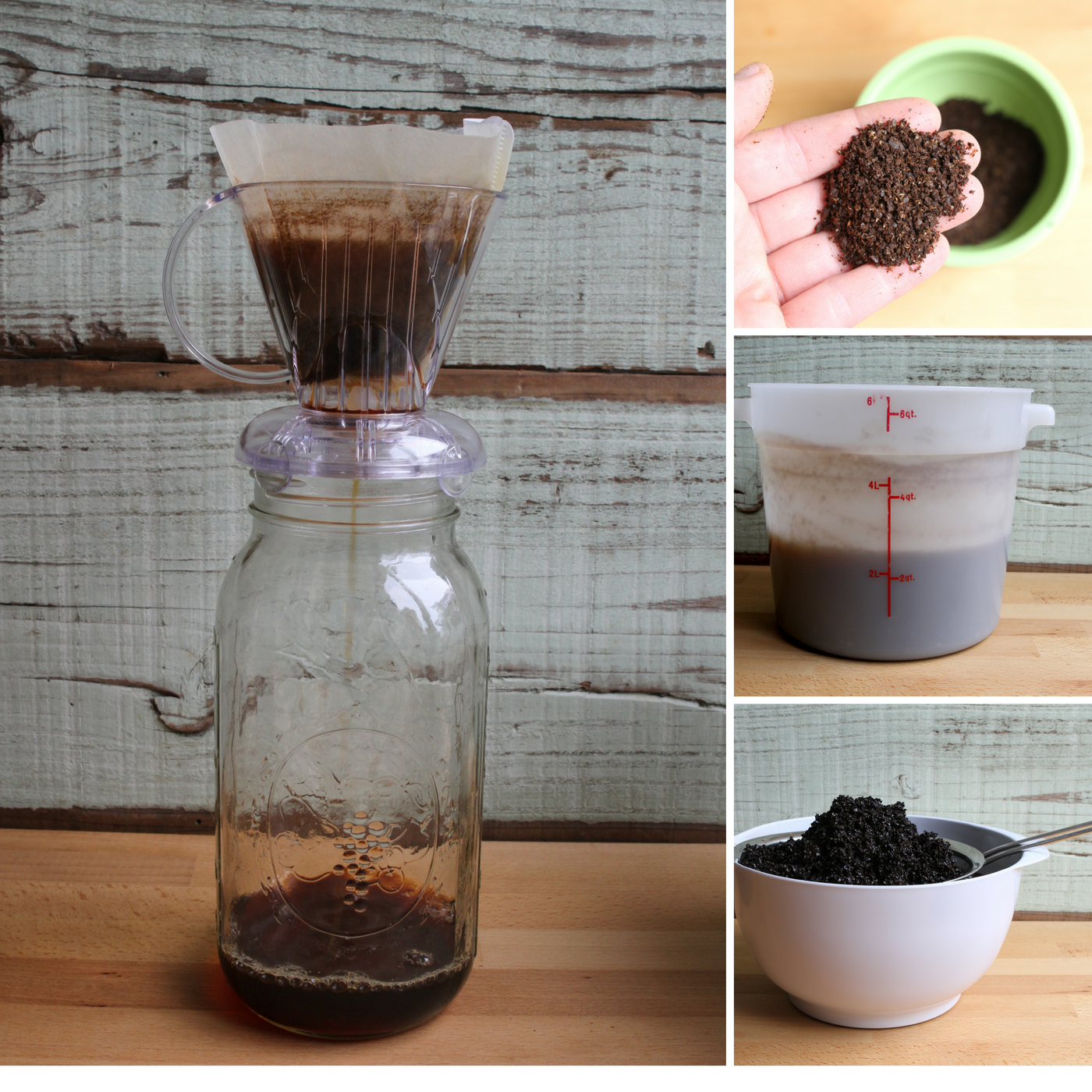
Cloudy cold brew happens from fine coffee particles in the cup. Use a fine mesh filter or coffee sock to strain the brew well. Let the brew settle in the fridge before pouring.
Sediment at the bottom is normal but can be reduced. Avoid shaking the container before serving. Use a gentle pour to keep grounds from mixing into the drink.
Credit: www.zenbelly.com
Frequently Asked Questions
What Is The Best Coffee Grind For Cold Brew?
Coarse coffee grounds are ideal for cold brew. They prevent over-extraction and create a smooth, rich flavor. Use a burr grinder for consistency.
How Long Should Cold Brew Steep?
Cold brew should steep for 12 to 24 hours in the refrigerator. This time allows full flavor extraction without bitterness.
Can I Use Hot Water For Cold Brew?
No, cold brew requires cold or room temperature water. Hot water extracts differently, making it a different coffee style.
How Do I Store Cold Brew Coffee?
Store cold brew in an airtight container in the fridge. It stays fresh for up to two weeks.
Conclusion
Cold brew coffee tastes smooth and rich without bitterness. Making it takes time but needs only a few steps. You just need coarsely ground coffee, cold water, and patience. Let it steep for 12 to 24 hours in the fridge.
Strain the coffee grounds well, and your drink is ready. Enjoy it black or add milk and sweetener. This simple process fits well into busy mornings or relaxing afternoons. Try making cold brew at home to enjoy fresh, tasty coffee anytime.
It’s easy, affordable, and satisfying.