Last Updated on August 25, 2026
Are you worried about the safety of your drinking water? You might have heard about reverse osmosis and wondered, does reverse osmosis remove bacteria from your water?
Knowing the answer is important because harmful bacteria can cause serious health problems. You’ll discover how reverse osmosis works, what it can and cannot remove, and how it can protect your family. Keep reading to find out if this popular water filtration method is the right choice for your home.
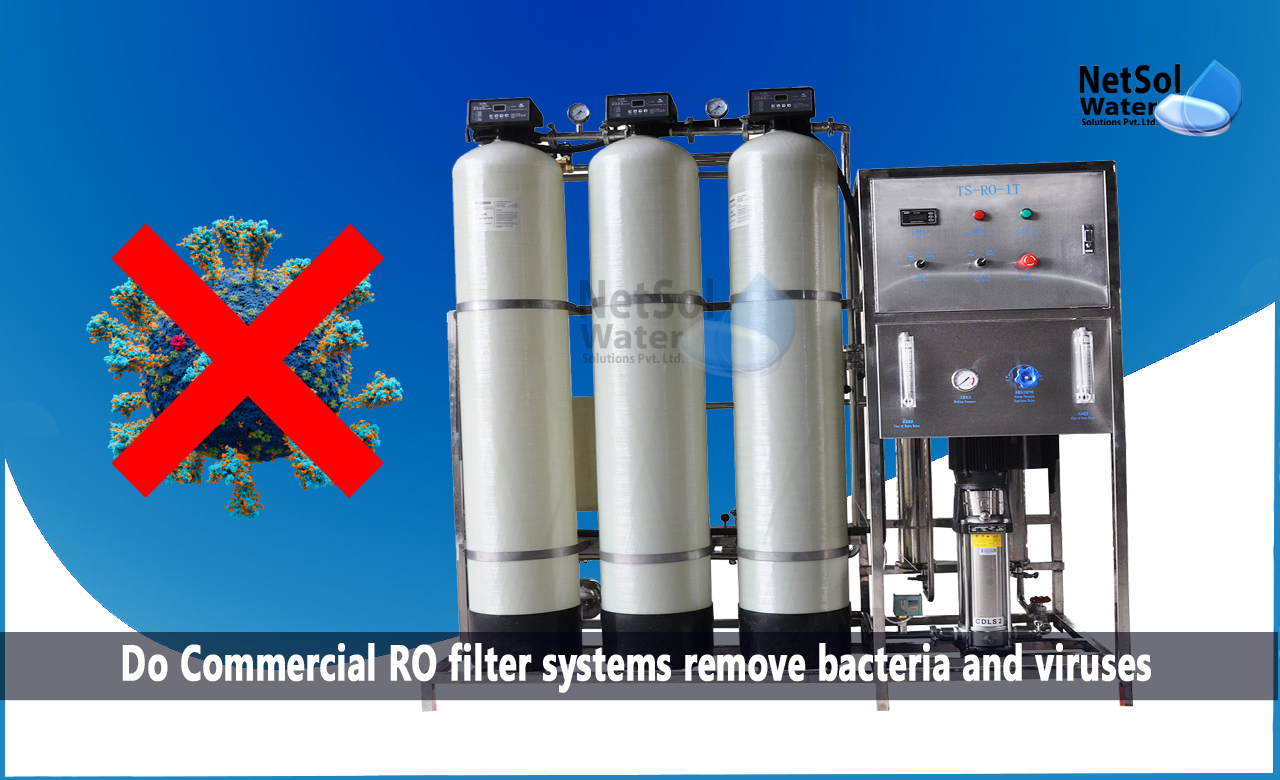
Credit: www.netsolwater.com
How Reverse Osmosis Works
Reverse osmosis is a water purification method that removes many impurities. It uses a special membrane to filter out unwanted particles. The process forces water through this membrane under pressure. Only clean water passes through, leaving contaminants behind.
This method works well to make water safer and cleaner. It is popular for home and industrial water treatment. Understanding how reverse osmosis works helps explain if it can remove bacteria.
Membrane Filtration Process
The heart of reverse osmosis is the membrane. It has tiny holes, smaller than most contaminants. Water molecules fit through, but larger particles cannot. Pressure pushes water through the membrane from one side to the other.
This pressure overcomes natural osmosis, which moves water to balance concentrations. The membrane blocks bacteria, viruses, salts, and other impurities. Clean water collects on the other side, ready for use.
Common Contaminants Removed
Reverse osmosis removes many harmful substances. It blocks bacteria and viruses that cause illness. It also filters out chemicals, heavy metals, and salts. Many dissolved solids and particles cannot pass through the membrane.
The process reduces bad tastes and odors too. It can remove chlorine and fluoride from water. This makes water safer and more pleasant to drink.
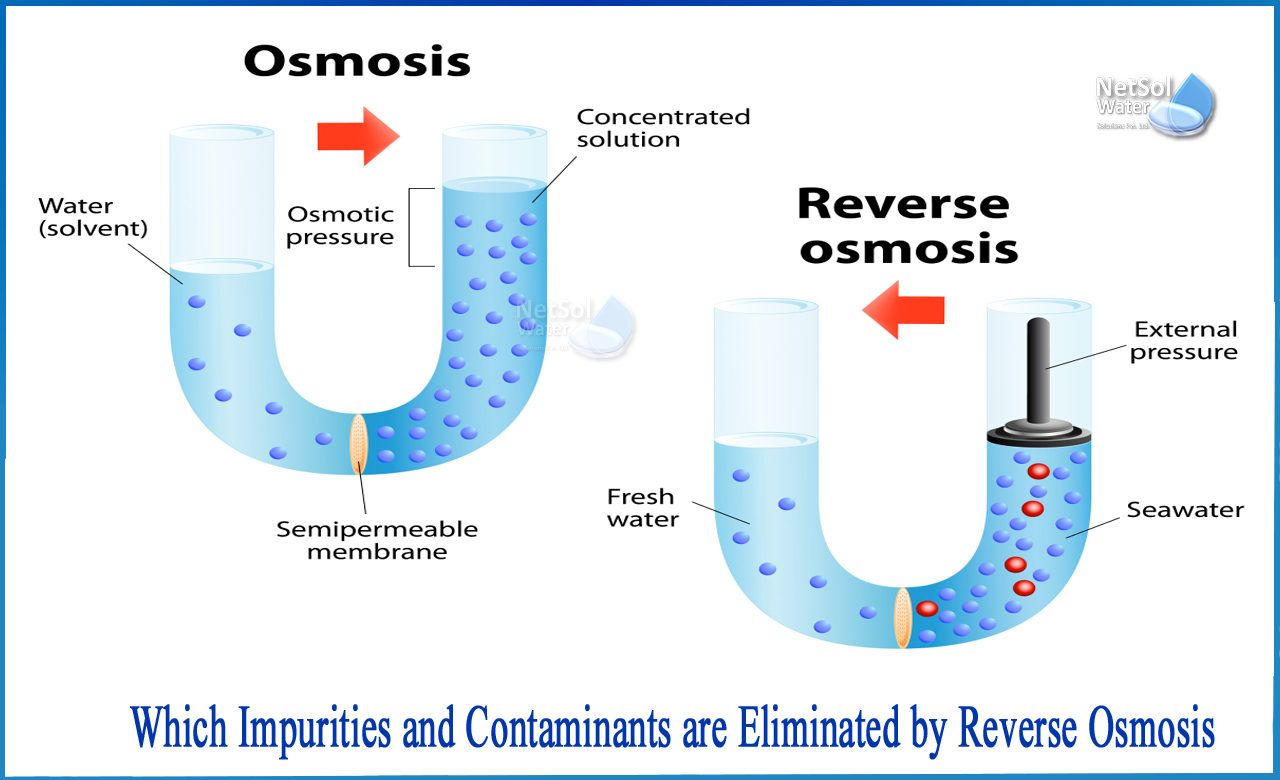
Credit: www.netsolwater.com
Bacteria And Reverse Osmosis
Bacteria in drinking water can cause health problems. People want clean, safe water at home. Reverse osmosis (RO) is a popular water filter. It uses a special membrane to clean water. This section explains how RO deals with bacteria in water.
Effectiveness Against Bacteria
Reverse osmosis membranes have very tiny pores. These pores block many bacteria from passing through. Most bacteria are larger than the pore size. RO removes up to 99% of bacteria in water. It offers strong protection against harmful germs.
RO also removes viruses and other microbes. The process forces water through the membrane under pressure. Only clean water passes, leaving bacteria behind. This makes RO systems reliable for killing bacteria risks.
Limitations In Bacterial Removal
RO membranes can get damaged or clogged. Small tears allow some bacteria to pass through. Filters need regular cleaning and replacement. Without maintenance, bacteria can grow on the membrane.
RO systems do not kill bacteria. They only block or remove them. Bacteria can still grow in storage tanks after filtering. Extra disinfection methods may be needed for total safety.
Some bacteria produce toxins that RO cannot remove. Water must be tested to ensure safety. RO is very good but not perfect against all bacteria.
Comparing Ro To Other Purification Methods
Reverse osmosis (RO) is a popular water purification method. It removes many impurities, including bacteria. Comparing RO with other purification methods helps understand its strengths and limits. Each method works differently and suits various needs. Here is a look at three common methods alongside RO.
Uv Treatment
UV treatment uses ultraviolet light to kill bacteria and viruses. It does not remove particles or chemicals. UV systems work fast and do not change water taste. They need electricity to operate. UV is effective against bacteria but does not filter out dirt or heavy metals.
Activated Carbon Filters
Activated carbon filters trap chemicals, bad tastes, and odors. They remove chlorine and some pesticides. These filters do not kill bacteria or viruses. Instead, they may trap some bacteria but not all. Carbon filters improve water taste but need regular replacement to work well.
Boiling And Chemical Disinfection
Boiling water kills bacteria, viruses, and parasites. It is simple and requires no special equipment. Chemicals like chlorine or iodine also disinfect water. Both methods do not remove particles or chemicals. Boiling changes water taste and uses fuel or electricity. Chemical disinfection may leave a taste or odor.
Factors Affecting Bacterial Removal
Removing bacteria through reverse osmosis depends on several key factors. These factors influence how effectively the system cleans the water. Understanding them helps ensure safer, cleaner drinking water.
Each part of the system and the water quality plays a role. The following sections explain the main factors affecting bacterial removal.
Membrane Quality And Maintenance
The membrane is the heart of a reverse osmosis system. Its quality determines how well it blocks bacteria. High-quality membranes have tiny pores that trap bacteria and other impurities.
Regular maintenance keeps the membrane working well. Cleaning or replacing it at the right time prevents bacterial buildup. A damaged or clogged membrane lets bacteria pass through.
System Design And Installation
Good system design ensures water flows correctly through the membrane. Proper installation avoids leaks and pressure drops. Poor design or installation can reduce the system’s ability to remove bacteria.
Pre-filters and post-filters also help by capturing larger particles and bacteria. A well-designed system balances all parts for maximum bacterial removal.
Water Source Contamination Levels
The type and amount of bacteria in the source water matter a lot. Water with heavy bacterial contamination challenges the system more. Some bacteria can be harder to remove than others.
High contamination may require additional treatment steps. Testing the water source helps select the right system and maintenance plan.
Enhancing Ro Systems For Better Purity
Enhancing reverse osmosis (RO) systems is key to achieving better water purity. While RO membranes filter many contaminants, extra steps improve their effectiveness. Careful system design and maintenance reduce bacteria and improve water safety. Simple upgrades and routine care make a big difference in water quality.
Pre-filtration Steps
Pre-filtration removes larger particles before water reaches the RO membrane. Sediment filters catch dirt, rust, and sand. Carbon filters reduce chlorine and chemicals that harm the membrane. These steps protect the RO system and boost bacteria removal. Cleaner water enters the membrane, making purification more efficient.
Post-treatment Options
Post-treatment further cleans water after RO filtration. UV light systems kill bacteria and viruses that pass through. Some setups add mineral filters to improve taste and balance pH. Disinfection methods ensure water is safe to drink. Combining RO with post-treatment creates highly pure water.
Regular Cleaning And Sanitization
Cleaning the RO system prevents bacteria buildup inside the unit. Sanitizing membranes and tanks stops biofilm growth. Regular maintenance keeps filters working properly. Ignoring cleaning risks contamination and reduces system lifespan. Follow manufacturer guidelines for scheduled cleaning and sanitizing.

Credit: www.simpurelife.com
Health Implications Of Incomplete Bacteria Removal
Incomplete removal of bacteria in water can lead to serious health problems. Bacteria in drinking water may cause infections and illnesses. Safe water must be free from harmful bacteria to protect health.
Reverse osmosis systems filter many contaminants but may not remove all bacteria. Some bacteria can pass through tiny leaks or damaged membranes. This can make water unsafe for drinking and cooking.
Potential Risks
Bacteria in water can cause stomach pain, diarrhea, and vomiting. People with weak immune systems face higher risks. Long-term exposure may lead to chronic diseases and infections. Drinking contaminated water can also spread harmful bacteria to others.
Signs Of Contaminated Water
Bad taste or strange smell can indicate bacteria in water. Cloudy or discolored water is another warning sign. Stomach problems after drinking water suggest possible contamination. Testing water regularly helps detect bacteria early and keep water safe.
Choosing The Right Purification System
Choosing the right purification system is key to safe drinking water. Different systems suit different needs. Understanding your water quality and daily use helps pick the best option. Consider factors like cost, maintenance, and ease of installation. This guide breaks down these points for clear decisions.
Assessing Water Quality Needs
Start by testing your water for bacteria, chemicals, and minerals. Some waters need strong filtration, others just basic cleaning. Knowing the exact issues helps avoid overpaying for unnecessary features. Check for common contaminants in your area. This step ensures the system you choose targets the right problems.
Cost And Maintenance Considerations
Water systems vary in price and upkeep. Reverse osmosis units often cost more upfront but provide thorough purification. Filters need regular changing to keep water safe. Balance cost with how much effort you want to spend on maintenance. Budget for replacement parts and electricity if needed.
Professional Vs. Diy Systems
Professional systems come with installation and support. They fit well in homes needing reliable water quality. DIY kits save money and suit simple needs. They require some skill and tools to install. Decide based on your comfort with setup and ongoing care.
Frequently Asked Questions
Does Reverse Osmosis Filter Out Bacteria Completely?
Yes, reverse osmosis membranes effectively remove most bacteria. The tiny pores block bacteria and other microorganisms, ensuring clean water. However, system maintenance is crucial to prevent bacterial growth in filters or storage tanks.
How Effective Is Reverse Osmosis Against Harmful Bacteria?
Reverse osmosis is highly effective in removing harmful bacteria. It eliminates up to 99% of bacteria by physically filtering them out. This makes RO systems reliable for providing safe drinking water in many households.
Can Reverse Osmosis Remove All Types Of Bacteria?
Reverse osmosis removes nearly all bacteria types due to its fine membrane. However, some viruses and smaller pathogens might pass through, so additional disinfection may be needed. Combining RO with UV treatment enhances overall water safety.
Is Reverse Osmosis Better Than Other Bacterial Filters?
Reverse osmosis is superior for bacterial removal compared to standard filters. Its membrane blocks bacteria more effectively than carbon or ceramic filters. RO systems also reduce other contaminants, offering comprehensive water purification.
Conclusion
Reverse osmosis effectively removes most bacteria from water. It uses a fine membrane that blocks harmful germs. Clean water is safer for drinking and cooking. Still, some tiny viruses might pass through the system. Adding a UV filter can increase protection.
Regular maintenance keeps the system working well. Knowing how your water is treated matters for health. Choose methods that suit your needs and budget. Clear, bacteria-free water supports a healthy lifestyle. Simple steps can improve your water quality today.