Last Updated on August 25, 2026
Are you worried about the salt content in your drinking water? You might have heard that reverse osmosis systems can help, but does reverse osmosis actually remove salt?
Understanding how this technology works can make a big difference in the quality of your water and your health. You’ll discover the truth about reverse osmosis and salt removal, so you can make the best choice for your home and family.
Keep reading to find out what really happens to salt during the purification process and why it matters to you.
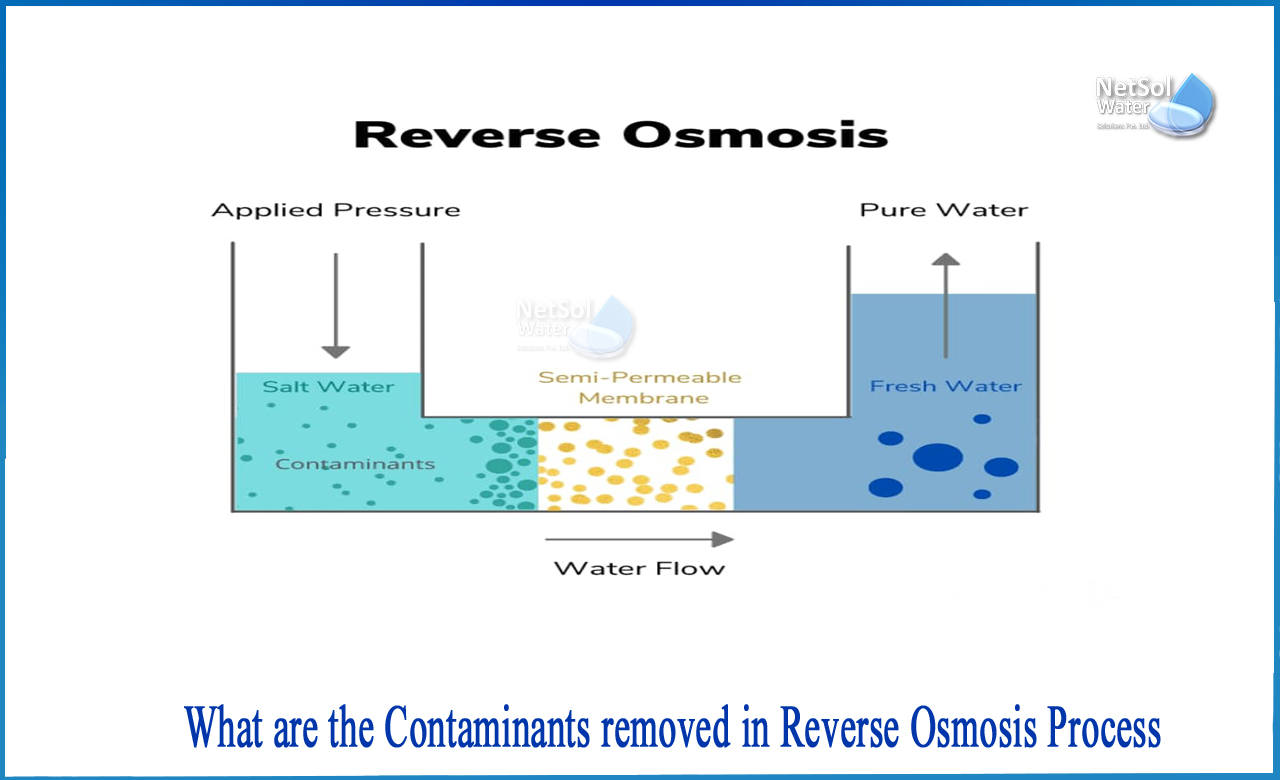
Credit: www.netsolwater.com
How Reverse Osmosis Works
Reverse osmosis is a water purification method that removes impurities, including salt. It uses a special membrane to separate clean water from contaminants. Understanding how this process works helps explain its effectiveness.
Membrane Filtration Process
The heart of reverse osmosis is the membrane. It has tiny pores that allow only water molecules to pass through. Salt and other particles are too large to fit through these pores. The membrane blocks them, keeping the water clean.
Water moves from the salty side to the clean side through this membrane. This movement happens against the natural flow, which is why it is called “reverse” osmosis.
Pressure And Flow Dynamics
Pressure plays a key role in reverse osmosis. It pushes water through the membrane. The higher the pressure, the better the process works.
Without enough pressure, water cannot pass through the membrane efficiently. The pressure forces salt and impurities to stay behind, allowing only fresh water to flow through.
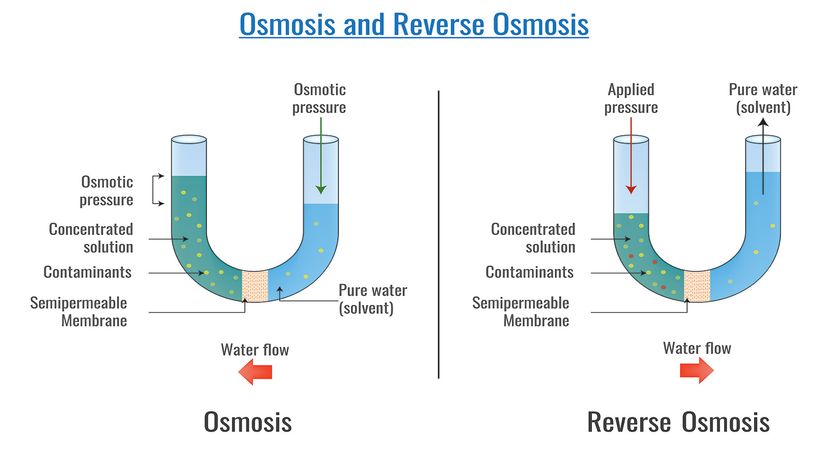
Credit: science.howstuffworks.com
Salt Removal Efficiency
Salt removal efficiency is a key factor for anyone using reverse osmosis (RO) systems. It shows how well the system can clean water by removing salt. RO systems use a special membrane to filter out salt and other impurities. This process can make salty water safe for drinking or other uses. Understanding salt removal helps choose the right RO system.
Types Of Salts Filtered
Reverse osmosis can remove many types of salts from water. Common salts include sodium chloride, calcium chloride, and magnesium sulfate. These salts dissolve easily in water and cause it to taste salty. RO membranes block these salts by allowing only water molecules to pass. This leaves the salt behind, making the water cleaner and better tasting.
Besides common salts, RO can remove some heavy metals linked to salts. These include lead and arsenic, which are harmful in drinking water. The system works well to reduce these dangerous salts too. This makes RO useful for homes and industries with salty or polluted water.
Removal Rates And Limits
Reverse osmosis systems typically remove 90% to 99% of salt from water. The exact rate depends on the system design and water pressure. Higher pressure usually means better salt removal. Membrane quality also affects how much salt gets filtered out.
There are limits to salt removal. Some very small salt molecules may pass through the membrane. Also, very salty water may need multiple RO stages to become safe. Regular maintenance keeps the system working at top salt removal rates. Without care, membrane clogging can reduce efficiency.
Factors Affecting Salt Removal
Removing salt from water using reverse osmosis depends on several key factors. These factors influence how well the system works and how pure the water becomes. Understanding them helps in choosing and maintaining the right system for clean water.
Water Pressure And Temperature
Water pressure pushes water through the membrane. Higher pressure means better salt removal. Low pressure can let salt pass through more easily.
Water temperature also matters. Warm water flows faster, improving salt removal. Cold water slows the process down and reduces efficiency.
Membrane Quality And Maintenance
The membrane is the heart of reverse osmosis. A high-quality membrane blocks more salt and impurities.
Regular cleaning and replacement keep the membrane working well. A dirty or old membrane lets salt through, lowering water quality.
Comparison With Other Methods
Reverse osmosis is a popular method to remove salt from water. Other methods also remove salt but work differently. Comparing these methods helps choose the best option for clean water.
Distillation Vs Reverse Osmosis
Distillation heats water to create steam. The steam leaves salt and impurities behind. Then, it cools and turns back into liquid. This method removes almost all salt and minerals.
Reverse osmosis pushes water through a thin membrane. The membrane blocks salt and other particles. It works without heat, using pressure instead.
Distillation uses more energy because of heating. Reverse osmosis uses less power but needs regular filter changes. Both clean salt well, but reverse osmosis is faster.
Ion Exchange And Filtration
Ion exchange swaps salt ions with harmless ions in water. It is common in water softeners to reduce hardness. This method removes some salt but not all types.
Filtration uses physical barriers to block particles. It does not remove dissolved salt effectively. Filters work best for dirt and big impurities.
Reverse osmosis removes more salt than ion exchange and filtration. It filters tiny salt molecules and many other contaminants. For salty water, reverse osmosis gives cleaner results.
Benefits Of Using Reverse Osmosis
Reverse osmosis offers many benefits for water purification. It removes harmful substances and improves water quality. This process makes water safer and better to drink.
Many people use reverse osmosis to get clean water at home. It helps reduce salt and other impurities. Clean water is important for health and daily use.
Health And Safety
Reverse osmosis removes salt and harmful chemicals from water. It also filters out bacteria and viruses. This makes the water safe to drink and use. Drinking clean water helps prevent illnesses. It protects your body from harmful substances.
Taste And Odor Improvement
Water with salt or chemicals can taste bad. Reverse osmosis removes these unwanted elements. It improves the taste and smell of water. Clean water tastes fresh and pure. Better taste encourages people to drink more water.
Common Challenges And Solutions
Reverse osmosis (RO) systems face some common challenges that affect their performance. Understanding these problems helps users maintain their systems better. Simple solutions can keep the RO system working efficiently and extend its lifespan.
Membrane Clogging
Membrane clogging is a frequent issue in RO systems. Dirt, minerals, and other particles build up on the membrane. This buildup reduces water flow and lowers salt removal efficiency. Regular cleaning or replacing the membrane solves this problem. Using pre-filters reduces particles before they reach the membrane. This step protects the membrane and keeps it cleaner longer.
Water Waste Management
RO systems produce wastewater while filtering water. Managing this wastewater is important for water conservation. Some systems waste a lot of water, which can be costly and wasteful. Installing a water-saving device helps reduce water loss. Another option is to use the wastewater for gardening or cleaning. Proper water waste management saves resources and lowers water bills.
Applications Of Reverse Osmosis
Reverse osmosis is a widely used water purification method. It removes salt and other impurities from water. This process has many practical uses across different areas. Its ability to produce clean, fresh water makes it valuable for homes and industries.
Residential Water Purification
Many homes use reverse osmosis systems for drinking water. It removes salt, chlorine, and other harmful chemicals. This improves the taste and safety of tap water. The system fits easily under kitchen sinks or in basements. It helps families have pure water without buying bottled water. It also protects against waterborne diseases by filtering bacteria and viruses.
Industrial And Commercial Use
Industries rely on reverse osmosis to treat large volumes of water. Factories use it to remove salt from seawater and wastewater. This purified water is essential for manufacturing and cooling processes. Food and beverage companies use it to ensure product quality. Hospitals and labs need ultra-pure water for tests and equipment. Reverse osmosis helps save money by recycling and reusing water.

Credit: dropconnect.com
Maintaining Your Reverse Osmosis System
Maintaining your reverse osmosis system is key to its long-term performance. A well-kept system ensures clean, safe water free from salt and other impurities. Simple care routines keep your filters working well and prevent damage. This saves money and improves water quality over time.
Regular Filter Replacement
Change filters as the manufacturer suggests. Old filters clog and reduce water flow. They also let salt and contaminants pass through. Keep a schedule to replace filters every 6 to 12 months. Use the right filters for your model. This keeps the system working at its best.
System Cleaning Tips
Clean the system parts regularly to avoid buildup. Flush the RO membrane with clean water monthly. Use mild soap and a soft cloth for the exterior. Avoid harsh chemicals that can damage the system. Keep the storage tank clean to prevent bacteria growth. Regular cleaning improves taste and system life.
Frequently Asked Questions
Does Reverse Osmosis Effectively Remove Salt From Water?
Yes, reverse osmosis removes up to 99% of salt and dissolved solids from water. It uses a semi-permeable membrane to filter out salt ions, producing clean, desalinated water suitable for drinking and cooking.
How Does Reverse Osmosis Separate Salt From Water?
Reverse osmosis forces water through a membrane that blocks salt molecules. Only pure water passes through, leaving salt and impurities behind. This process ensures effective desalination and improved water quality.
Is Reverse Osmosis Better Than Other Salt Removal Methods?
Reverse osmosis is highly efficient and reliable compared to other methods. It removes a wider range of contaminants, including salt, chemicals, and microorganisms, making it ideal for producing safe drinking water.
Can Reverse Osmosis Systems Handle Seawater Desalination?
Yes, specialized reverse osmosis systems are designed for seawater desalination. They remove high salt concentrations and produce potable water, but require higher pressure and energy than systems for brackish water.
Conclusion
Reverse osmosis effectively removes most salt from water. It uses a special filter to separate salt and impurities. This process produces clean, fresh water suitable for drinking. Many people trust reverse osmosis for better water quality. Keep in mind, regular maintenance helps the system work well.
Clean water means healthier life and peace of mind. Choosing reverse osmosis can be a smart decision for salt removal. Easy to use and reliable. Worth considering if you want pure water at home.