Last Updated on August 26, 2026
Are you confused about whether to choose distilled water or reverse osmosis water for your daily needs? You’re not alone.
Both types promise pure, clean water, but they work in very different ways. Understanding these differences can help you pick the best option for your health, appliances, or even your plants. You’ll discover what sets distilled water apart from reverse osmosis water, and which one fits your lifestyle perfectly.
Keep reading to make a confident, informed choice that benefits you and your family.
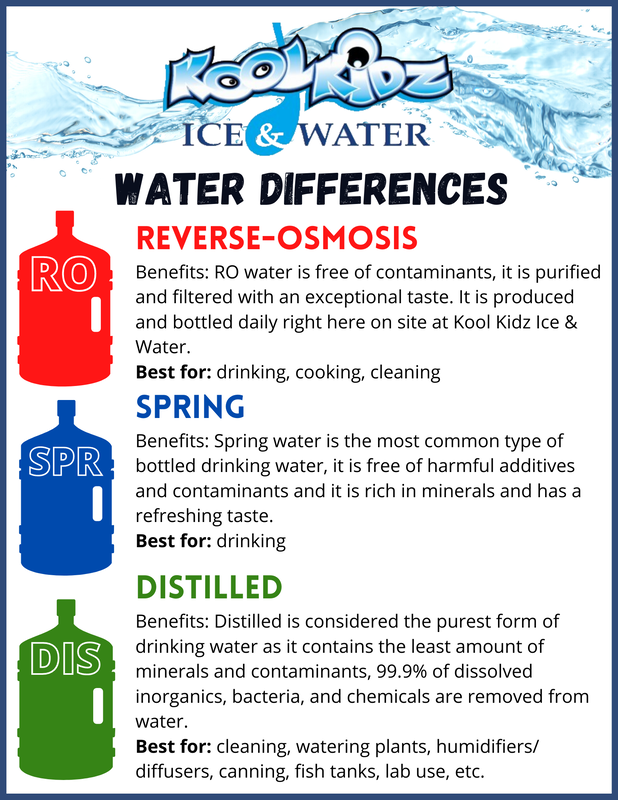
Credit: www.koolkidzice.com
What Is Distilled Water
Distilled water is a type of purified water. It is created by boiling water and collecting the steam. The steam then cools and turns back into liquid. This process removes most impurities and minerals from the water.
Because of this, distilled water is very pure. It contains almost no minerals, salts, or chemicals. People often use it for medical devices, car batteries, and laboratories. It is also safe to drink, but it tastes flat because it lacks minerals.
The process starts by heating regular water until it boils. The boiling water produces steam, leaving impurities behind. The steam rises and moves into a cooling system. The cooling turns the steam back to liquid water. This liquid is collected as distilled water.
Uses Of Distilled Water
Distilled water is useful in places needing pure water. It is common in hospitals and labs for tests. It also works well in steam irons and car batteries. People use it in aquariums to avoid mineral buildup.
Benefits Of Distilled Water
Distilled water has no minerals or chemicals. It reduces the risk of contamination from impurities. It helps prevent scale buildup in appliances. Distilled water is a clean and safe option for many tasks.
What Is Reverse Osmosis Water
Reverse osmosis water is purified water made by forcing water through a special filter. This filter removes many impurities and particles. It produces clean, clear water that tastes fresh.
The process uses pressure to push water through a thin, semi-permeable membrane. This membrane blocks contaminants like salts, chemicals, and bacteria. Only clean water passes through.
How Reverse Osmosis Works
Water is pushed through a fine filter membrane. The membrane allows only water molecules to pass. Larger particles and impurities get trapped and removed.
This process removes up to 99% of harmful substances. It can remove lead, chlorine, fluoride, and other chemicals. It also reduces bad tastes and odors.
Benefits Of Reverse Osmosis Water
Reverse osmosis water is very pure and safe. It helps protect health by removing many contaminants. It also tastes clean and fresh without strong chemicals.
This water is good for drinking, cooking, and even making coffee or tea. It can improve the flavor of food and drinks.
Common Uses Of Reverse Osmosis Water
Many homes use reverse osmosis systems for drinking water. It is common in restaurants and offices too. This water is also used in labs and medical settings.
People choose reverse osmosis water to avoid tap water impurities. It is a popular choice for safe, clean water daily.
How Distilled Water Is Made
Distilled water is made through a process that removes impurities. This process changes liquid water into vapor and then back to liquid. It is a simple but effective way to purify water.
The main goal is to separate water from contaminants. These contaminants include minerals, chemicals, and bacteria. The result is very clean water, often used in labs and medical settings.
Heating Water To Create Steam
First, water is heated in a container until it boils. Boiling turns water into steam, leaving solids and impurities behind. Only pure water vapor rises from the boiling water.
Collecting The Steam
The steam moves into a cooling area or a condenser. Here, the steam cools down and changes back into liquid water. This step captures clean water without impurities.
Cooling And Condensing The Vapor
The vapor cools as it touches cold surfaces. This cooling causes the vapor to become liquid again. The liquid collected is distilled water, free from most impurities.
Storing Distilled Water
The distilled water collects in a clean container. It stays free from minerals and chemicals found in regular water. This makes it ideal for uses needing pure water.
How Reverse Osmosis Water Is Made
Reverse osmosis water is made using a special filtration process. This process removes many impurities from water. It makes the water cleaner and safer to drink.
The process uses pressure to push water through a thin membrane. This membrane blocks contaminants like dirt, chemicals, and salts. Only clean water passes through.
Pre-filtration Stage
First, water flows through pre-filters. These filters catch large particles like sand and rust. This step protects the main membrane from damage.
High-pressure Pump
A pump pushes the water at high pressure. This pressure forces water through the membrane. It helps separate pure water from impurities.
Reverse Osmosis Membrane
The water moves through a fine membrane. This membrane has tiny holes that block contaminants. Only water molecules can pass through.
Post-filtration
After the membrane, the water goes through a post-filter. This filter removes any leftover tastes or smells. It makes the water fresh and clean.
Storage And Delivery
The clean water collects in a storage tank. From there, it is ready for use. You get fresh, purified water anytime you want.
Purity Levels Compared
Distilled water removes almost all impurities by boiling and condensing steam. Reverse osmosis water passes through a fine filter to block many contaminants but may leave some minerals. Both offer high purity but differ in how they clean water.
Understanding Purity In Distilled Water
Distilled water is created by boiling water and capturing the steam. This process removes most minerals, chemicals, and impurities. The result is very pure water, free from almost all contaminants. Distilled water has almost no dissolved solids or particles.
This high purity makes it ideal for use in laboratories and medical settings. It lacks minerals found in regular water, which some people may notice in taste. The purity level is often close to 100% clean water.
Purity Levels In Reverse Osmosis Water
Reverse osmosis (RO) water is filtered through a special membrane. This membrane blocks many impurities like salts, chemicals, and microbes. RO water usually has a purity level of 95% to 99%.
The process removes most harmful substances but leaves some minerals behind. RO systems often include extra filters to improve taste and safety. The water is clean but may contain tiny traces of minerals.
Comparing Purity: Distilled Vs. Reverse Osmosis
Distilled water generally has higher purity than RO water. It removes almost all impurities and minerals. RO water filters out most contaminants but leaves some minerals.
Both types provide very clean water, but distilled is purer. RO water retains a slight mineral content, which some prefer for taste. Choosing between them depends on the need for minerals or absolute purity.

Credit: pediaa.com
Mineral Content Differences
Mineral content varies greatly between distilled water and reverse osmosis water. This difference affects taste, health, and usage. Understanding how minerals remain or are removed is key to choosing the right water type.
Mineral Removal In Distilled Water
Distilled water is made by boiling water and collecting steam. This process removes almost all minerals and impurities. The result is pure water with nearly zero minerals. It tastes flat and lacks natural minerals like calcium and magnesium.
Mineral Retention In Reverse Osmosis Water
Reverse osmosis water passes through a fine filter membrane. This removes most minerals but not all. Some essential minerals remain in the water. This keeps a mild taste and some health benefits from minerals.
Impact Of Mineral Content On Health
Minerals in water help with body functions like bone strength and hydration. Distilled water lacks these minerals, so it may need supplementing. Reverse osmosis water provides some minerals, supporting daily mineral intake.
Taste Variations
Taste is a key factor when choosing between distilled water and reverse osmosis water. Both types have unique flavors due to their purification methods. Understanding these taste differences helps you pick water that suits your preference.
Taste Of Distilled Water
Distilled water has a very clean taste. It lacks minerals and impurities because the water is boiled and vapor collected. This process removes almost everything. Some people find distilled water flat or bland. The absence of minerals can make it taste less refreshing.
Taste Of Reverse Osmosis Water
Reverse osmosis water tastes slightly different. It filters water through a membrane, removing most contaminants but leaving some minerals behind. This gives RO water a cleaner taste but with a hint of minerals. Many find it fresher and less flat compared to distilled water.
How Minerals Affect Water Taste
Minerals like calcium and magnesium add flavor to water. Distilled water removes these minerals entirely. Reverse osmosis water keeps small amounts, which affect taste. Water with minerals often feels smoother and more natural on the palate.
Personal Preference In Water Taste
Taste varies by person. Some prefer the pure, neutral taste of distilled water. Others like the slight mineral taste in RO water. Trying both types helps find the best taste for you.

Credit: waterfilterguru.com
Health Implications
Distilled water is free of minerals, which may affect electrolyte balance if consumed regularly. Reverse osmosis water retains some minerals, supporting hydration and overall health. Both types are safe but differ in their mineral content and health effects.
Health Implications Of Distilled Water
Distilled water is very pure. It has almost no minerals or impurities. This purity can be good for some uses, like in medical settings or labs.
Drinking distilled water long-term may remove minerals from your body. Minerals like calcium and magnesium are important for health. Without them, you might feel tired or weak.
Distilled water can taste flat because it lacks minerals. Some people may not enjoy drinking it every day.
Health Implications Of Reverse Osmosis Water
Reverse osmosis (RO) water is also very clean. It removes many impurities but may keep some minerals. This makes RO water taste better than distilled water.
RO water can help reduce exposure to harmful chemicals and bacteria. This lowers the risk of water-related illnesses.
Some minerals are lost during RO filtration. Drinking RO water alone might not provide all needed minerals. A balanced diet helps to fill this gap.
Which One Is Better For Your Health?
Both types of water are safe to drink. Distilled water is best for short-term use or specific needs.
RO water suits daily drinking because it keeps some minerals. It also removes many harmful substances.
Maintaining a healthy diet is key. Water is only one part of good health.
Environmental Impact
Distilled water uses heat to remove impurities, which uses more energy. Reverse osmosis filters water through a membrane, saving energy but creating wastewater. Both methods impact the environment differently in energy use and water waste.
Energy Consumption
Distillation uses high heat to boil water and collect vapor. This process consumes a lot of electricity or fuel. Reverse osmosis relies on pressure to push water through a filter. It uses less energy than distillation but still requires power for pumps.
Overall, reverse osmosis tends to have a smaller energy footprint. Distillation’s high heat demand makes it less eco-friendly in many cases.
Water Waste
Reverse osmosis systems waste more water during filtration. For every gallon of clean water, several gallons may be discarded. Distillation captures almost all water in the process, creating very little waste.
Wasting water affects local supplies and increases environmental stress. Distilled water systems are better at conserving water, but they use more energy instead.
Carbon Footprint
Carbon footprint depends on energy source and water waste. Distillation often relies on fossil fuels, raising carbon emissions. Reverse osmosis, powered by electricity, may have lower emissions if green energy is used.
Choosing renewable energy can reduce the carbon impact for both methods. The balance between energy use and water waste shapes the total footprint.
Common Uses For Distilled Water
Distilled water has many uses in daily life and industry. It is pure water, free from minerals and impurities. This purity makes it ideal for tasks needing clean, mineral-free water. Below are some common uses for distilled water.
Medical And Laboratory Use
Distilled water is common in hospitals and labs. It helps clean instruments and prepare medicines. Its purity prevents contamination in tests and treatments.
Automotive And Industrial Use
Car batteries and cooling systems need distilled water. Minerals in regular water can cause damage. Using distilled water helps machines last longer and work better.
Household Appliances
Appliances like irons and humidifiers use distilled water. It stops mineral build-up that can clog and damage them. This keeps appliances running smoothly.
Cosmetic And Skincare Products
Many skincare products include distilled water. It ensures no extra minerals or chemicals irritate the skin. This helps keep skin clean and healthy.
Common Uses For Reverse Osmosis Water
Reverse osmosis water is very pure. It removes many impurities from tap water. People use it for many daily tasks. It is safe and clean, making it a popular choice.
This water works well in places where purity matters. Its uses range from drinking to industrial needs.
Drinking Water
Many homes use reverse osmosis water for drinking. It tastes clean and fresh. It is free from chlorine and other chemicals. This makes it healthy and safe for the family.
Cooking And Food Preparation
Pure water helps food taste better. It does not change the flavor of food. Chefs often prefer reverse osmosis water for cooking. It also helps in making coffee and tea taste pure.
Aquariums
Fish need clean water to stay healthy. Reverse osmosis water removes harmful substances. Aquarists use it to create a safe environment for fish. It also helps control water hardness and pH.
Medical And Laboratory Use
Hospitals and labs need very clean water. Reverse osmosis water meets strict purity standards. It is used for cleaning instruments and making solutions. It helps avoid contamination in tests and treatments.
Industrial Applications
Factories use reverse osmosis water in machines. It prevents scale buildup and damage. It also helps in producing electronics and pharmaceuticals. Clean water improves product quality and machine life.
Cost And Maintenance
Cost and maintenance play a big role in choosing between distilled water and reverse osmosis water. Both methods need equipment and upkeep. Knowing the expenses helps you decide what fits your budget and lifestyle.
Cost Of Distilled Water Systems
Distilled water machines often cost less upfront. They use heat to boil water and collect steam. These machines need electricity to run continuously. The price varies by size and brand.
Replacement parts like heating elements may wear out over time. This adds to maintenance costs. The process can be slow, so machines with bigger capacity cost more.
Cost Of Reverse Osmosis Systems
Reverse osmosis systems usually cost more initially. They use filters and pressure to clean water. The setup can be complex and involve professional installation.
Filters need changing every 6 to 12 months. This keeps the system working well but adds to yearly expenses. Some parts may also need occasional replacement.
Maintenance For Distilled Water Machines
Distilled water machines require regular cleaning. Minerals build up inside the boiling chamber. Cleaning prevents damage and keeps water pure.
Cleaning often means wiping and using vinegar or special solutions. This task takes time but is simple to do at home.
Maintenance For Reverse Osmosis Systems
Reverse osmosis systems need filter changes to maintain water quality. Filters trap dirt and impurities. Ignoring filter care reduces system efficiency.
Some systems have multiple filters needing separate changes. Regular checks ensure no leaks or pressure loss. Maintenance may be harder for beginners.
Frequently Asked Questions
What Is The Main Difference Between Distilled And Ro Water?
Distilled water is purified by boiling and condensation, removing almost all impurities. Reverse osmosis (RO) water is filtered through a membrane, removing most contaminants but retaining some minerals. Both provide clean water, but their purification processes differ.
Is Distilled Water Healthier Than Reverse Osmosis Water?
Neither is inherently healthier; both remove harmful contaminants. Distilled water lacks minerals, which some people find less desirable. RO water retains trace minerals, making it slightly better for taste and health. Choice depends on personal preference and specific water needs.
Can Distilled And Ro Water Be Used Interchangeably?
Yes, both can be used for drinking, cooking, and appliances. Distilled water is preferred in medical or laboratory settings due to purity. RO water is commonly used for daily consumption. Both ensure safe, clean water for most uses.
Which Water Type Is Better For Plants, Distilled Or Ro?
RO water is generally better for plants as it retains some minerals. Distilled water lacks minerals essential for plant growth. However, both can be used if supplemented with nutrients. Proper mineral balance is important for healthy plants.
Conclusion
Distilled water and reverse osmosis water both remove impurities. Distilled water uses boiling and condensation. Reverse osmosis pushes water through a filter. Each method has pros and cons for purity and taste. Choose based on your needs and preferences. Both provide cleaner water than regular tap water.
Understanding their differences helps you pick the best option. Clear, safe drinking water matters. Keep these points in mind when deciding. Simple steps for better hydration.