Last Updated on August 26, 2026
If you rely on a reverse osmosis system for clean water, keeping your RO tank spotless is key to maintaining that fresh taste and safe quality. You might not realize it, but over time, your tank can build up bacteria and sediment that affect your water’s purity.
Wondering how to clean your reverse osmosis tank quickly and effectively? This guide will walk you through simple steps you can take right now to refresh your system and ensure every drop you drink is as clean as it should be.
Keep reading to protect your health and enjoy crisp, clean water every day.
Why Clean The Ro Tank
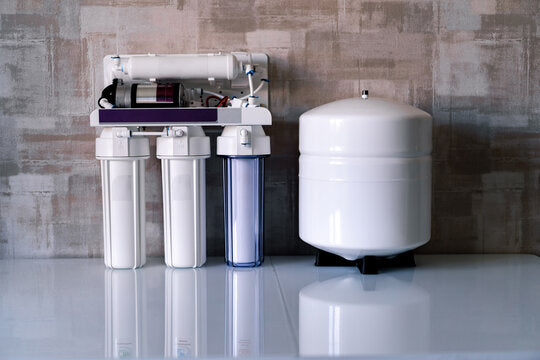
Cleaning the reverse osmosis (RO) tank is a key part of keeping your water system working well. The tank stores clean water, but over time, it can gather dirt and bacteria. This buildup can reduce water quality and affect the taste. Regular cleaning helps keep your water fresh and safe to drink.
Importance Of Regular Cleaning
Regular cleaning stops germs and mold from growing inside the tank. It also stops bad smells and strange tastes in your water. A clean tank keeps the water flow strong and steady. Cleaning helps the RO system last longer and work better. It protects your health by giving you clean water every day.
Signs Your Tank Needs Cleaning
Watch for bad smells or a sour taste in your water. If water flow slows down, the tank might be dirty. Cloudy or discolored water also signals a problem. Strange noises from the tank can mean buildup inside. Spotting these signs means it’s time to clean the tank soon.

Credit: www.youtube.com
Tools And Materials Needed
Cleaning your reverse osmosis tank needs the right tools and materials. Having these ready helps the process go smoothly. It also protects your tank and keeps your water fresh and safe. Below are the key supplies and safety steps to prepare for cleaning.
Essential Cleaning Supplies
Gather a clean bucket to hold water and cleaning solutions. Use a mild bleach or vinegar solution to sanitize the tank. Soft brushes or sponges help scrub without damage. Clean cloths or towels dry the tank after rinsing. Gloves protect your hands from chemicals and dirt. Measuring cups help mix cleaning solutions correctly. A wrench or pliers may be needed to open and close tank fittings.
Safety Precautions
Wear gloves and eye protection before starting. Work in a well-ventilated area to avoid fumes. Keep chemicals away from children and pets. Avoid mixing bleach with other cleaners to prevent harmful gases. Rinse the tank thoroughly to remove all cleaning agents. Dispose of cleaning water safely to protect the environment. Follow manufacturer instructions for all tools and supplies used.
Preparing The Tank For Cleaning
Preparing your reverse osmosis tank for cleaning is an important first step. It helps avoid spills and keeps the process safe. Taking time to prepare ensures the cleaning works well.
Proper preparation also protects your system’s parts from damage. Follow the simple steps below before cleaning the tank.
Shutting Off Water Supply
Start by turning off the water supply to the reverse osmosis system. This stops more water from filling the tank while you clean. Locate the valve near the system and close it tightly. Double-check to make sure no water is flowing into the tank.
Draining The Tank
Next, drain all water from the tank. Open the faucet connected to the reverse osmosis system. Let the water run until the tank feels empty. You may hear air as it empties. This step clears old water and prepares the tank for cleaning.

Credit: www.youtube.com
Step-by-step Cleaning Process
Cleaning your reverse osmosis tank is important for fresh water and system health. Follow these clear steps to clean your tank safely and well. Each step helps remove dirt and germs inside the tank. Keep your water safe with regular cleaning.
Removing The Tank
Start by turning off the water supply to the system. Next, release the pressure in the tank by opening the faucet. Disconnect the tank from the water line carefully. Place the tank on a clean surface for easy cleaning.
Cleaning The Interior
Open the tank cap or valve to access inside. Use a soft cloth or sponge with mild soap. Gently scrub the inside walls to remove dirt and buildup. Rinse the tank thoroughly with clean water to remove soap.
Sanitizing The Tank
Prepare a sanitizing solution with one teaspoon of bleach in one gallon of water. Pour the solution inside the tank and close the cap. Shake the tank gently to spread the sanitizer. Let it sit for 5 to 10 minutes. Rinse the tank well with clean water until no bleach smell remains.
Reassembling And Refilling
After cleaning the reverse osmosis tank, reassembling and refilling it is the next step. This process restores the tank to its working state. Proper reassembly ensures clean water flow and prevents leaks. Refilling and pressurizing prepare the tank to supply water efficiently again.
Reattaching The Tank
Start by carefully placing the tank back to its position. Connect the tank’s outlet to the system’s tubing tightly. Check all connections to avoid leaks. Use your hands to tighten fittings, no tools needed. Make sure the tank sits firmly and does not wobble.
Refilling And Pressurizing
Open the water supply slowly to fill the tank. Watch for leaks during filling. Close the system valve once the tank is full. Pressurize the tank by checking the air valve on top. Use a pressure gauge if available. The ideal pressure is usually 7 to 8 psi. Adjust the pressure by adding or releasing air gently.
Maintaining Your Ro System
Maintaining your reverse osmosis (RO) system keeps it working well and extends its life. Clean tanks and filters prevent bad tastes and bacteria growth. Regular care means better water quality every day. Simple steps can avoid costly repairs and replacements.
Focus on inspecting your system often and planning cleanings ahead. These habits save time and keep your water fresh and safe.
Regular Inspection Tips
Check your RO tank for leaks or cracks monthly. Look for any dirt or buildup around the tank and filters. Listen for unusual sounds when water fills the tank. Smell the water to detect any strange odors. Test the water taste; if it changes, clean the system. Replace filters as the manufacturer suggests. Keep an eye on water pressure to ensure proper flow.
Scheduling Future Cleanings
Set a cleaning schedule every 6 to 12 months. Mark the date on a calendar or phone reminder. Clean the RO tank and system parts as instructed in the manual. Keep records of each cleaning for reference. Contact a professional if unsure about cleaning steps. Regular cleaning prevents buildup and keeps water pure. Stick to the schedule for best results.
Credit: www.awesomewaterfilters.com.au
Frequently Asked Questions
How Often Should I Clean My Reverse Osmosis Tank?
You should clean your reverse osmosis tank every 6 to 12 months. Regular cleaning prevents bacterial growth and maintains water quality. It ensures the system works efficiently and extends the tank’s lifespan. Follow manufacturer guidelines for best results.
What Materials Do I Need To Clean The Ro Tank?
To clean the RO tank, you need mild soap, white vinegar or bleach, a clean cloth, and water. Use food-safe disinfectants to avoid contamination. Avoid harsh chemicals that can damage the tank or affect water taste.
Can I Clean The Ro Tank Without Professional Help?
Yes, you can clean the RO tank yourself by following proper steps. Turn off the system, drain the tank, sanitize it with a mild disinfectant, rinse thoroughly, and then refill. Always refer to your system’s manual for specific instructions.
How Do I Know If My Ro Tank Needs Cleaning?
Signs your RO tank needs cleaning include foul taste, odor, or discoloration in water. Reduced water pressure or slow filling can also indicate buildup inside the tank. Regular inspection helps maintain water quality and system efficiency.
Conclusion
Cleaning your reverse osmosis tank keeps water fresh and safe. Regular care stops buildup and extends tank life. Use gentle cleaners and follow simple steps carefully. Avoid harsh chemicals that might damage the system. Check the tank often to catch issues early.
Clean tanks help your water taste better too. Small efforts now save big costs later. Keep your system working well with easy maintenance. Clean water is healthy water. Take time to care for your reverse osmosis tank today.