Last Updated on August 26, 2026
Are you worried about the quality of your drinking water? You want a solution that’s safe, effective, and proven to protect your health.
That’s where NSF Certified Reverse Osmosis Systems come in. These systems don’t just filter water—they guarantee it meets strict safety and performance standards. Imagine drinking crystal-clear water, free from harmful contaminants, right from your tap. Keep reading to discover how choosing an NSF certified system can give you peace of mind and healthier water every day.

Credit: www.apecwater.com
What Is Nsf Certification?
NSF certification is a mark of trust for water treatment products. It shows that a product meets strict safety and quality standards. Many people choose NSF certified reverse osmosis systems to ensure their water is clean and safe to drink. This certification comes from a well-known independent organization called NSF International.
NSF International tests and inspects products to confirm they perform as claimed. This helps consumers pick reliable water filters. The certification also means the product materials do not leach harmful chemicals into the water.
Certification Process
The certification process starts with product testing in labs. Experts check the filter’s ability to remove contaminants. They also test the product for durability and safety.
After testing, NSF inspects the manufacturing facility. They ensure production meets strict quality controls. Regular follow-up checks keep the certification valid over time.
Importance For Water Filters
NSF certification gives confidence in water filter performance. It ensures the system removes specific harmful substances. Consumers can trust the water they drink is cleaner and safer.
This certification also prevents false claims by manufacturers. It helps buyers avoid low-quality or unsafe filters. Choosing an NSF certified system means better protection for your family’s health.
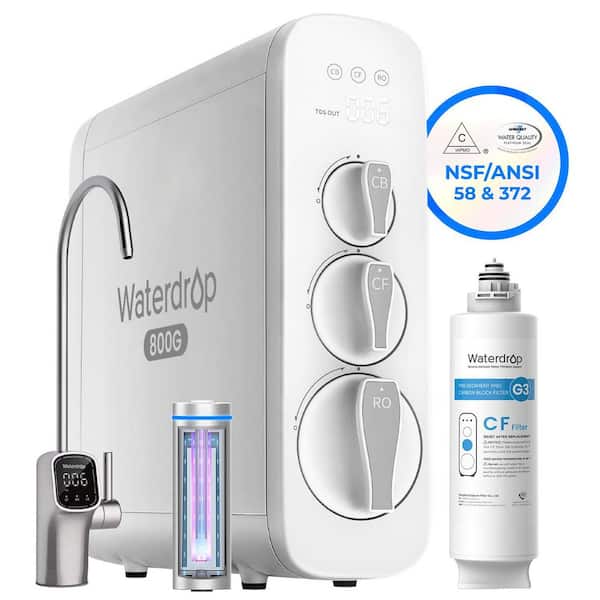
Credit: www.homedepot.com
How Reverse Osmosis Works
Reverse osmosis is a popular method to clean water. It removes many impurities and makes water safe to drink. Understanding how it works helps you trust the system and its benefits.
Filtration Stages
The process has several filtration stages. First, water passes through a pre-filter. This removes large particles like dirt and rust. Next, water moves to a carbon filter. This step reduces chlorine and bad tastes. After these filters, water reaches the main part: the membrane.
Membrane Function
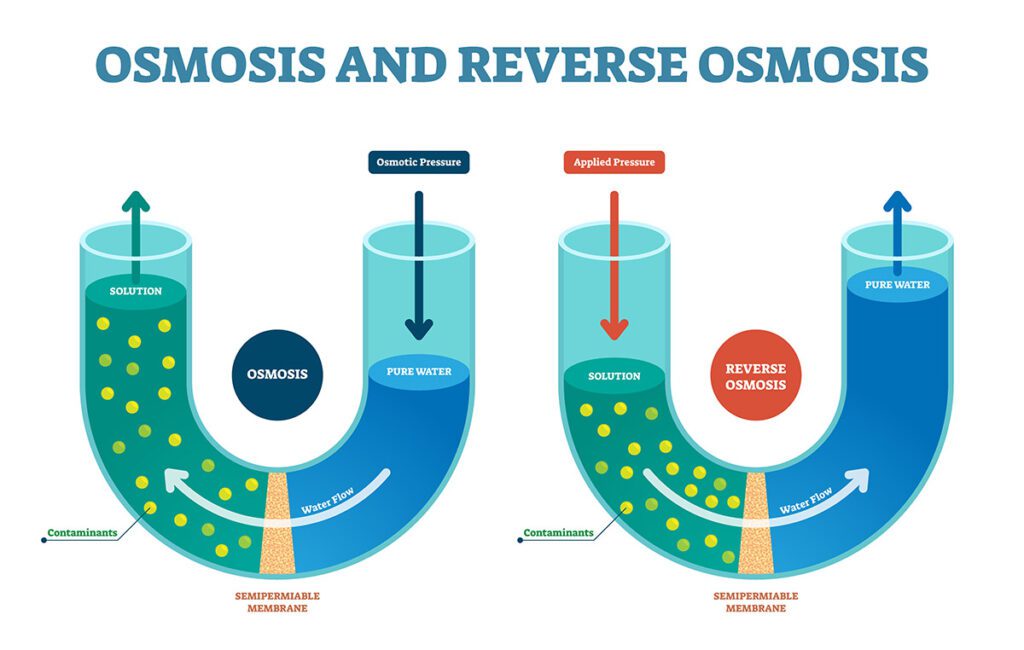
The membrane is the heart of reverse osmosis. It has tiny holes that let only water molecules pass. Bigger particles like salts, bacteria, and chemicals cannot get through. This makes the water very pure. Clean water collects on one side, and waste water goes down the drain.
Benefits Of Nsf Certified Systems
NSF certified reverse osmosis systems offer many benefits that improve water quality and safety. These systems pass strict tests to meet high standards. Choosing an NSF certified system means choosing clean and safe water for your home.
Ensured Water Quality
NSF certification guarantees that the system removes harmful contaminants. It filters out chlorine, lead, and other impurities. This process improves taste and odor. You get fresh, clean water every time.
Safety Standards
NSF certified systems meet strict safety rules. They do not add harmful chemicals to your water. The materials used are safe and non-toxic. This protects your health and your family’s well-being.
Long-term Reliability
NSF certification tests how well the system works over time. Certified systems maintain performance without losing efficiency. They last longer and need less maintenance. This saves money and ensures dependable water quality.
Key Features To Look For
Choosing an NSF certified reverse osmosis system means ensuring clean, safe water. Key features help you find a system that works well for your needs. Pay attention to important details that affect performance and convenience.
Filtration Capacity
Filtration capacity shows how much water the system can clean daily. Higher capacity means more clean water for your home. Check the gallons per day (GPD) rating. It should match your family’s water use. A system with low capacity might not meet your needs.
Filter Lifespan
Filter lifespan tells how long each filter lasts before replacement. Longer lifespan means fewer changes and less cost. Look for systems with clear filter life indicators. Some models alert you when it’s time to replace filters. Regular filter changes keep water pure and safe.
Installation Requirements
Installation can be simple or complex. Some systems fit under the sink, others need more space. Check if you need extra tools or professional help. Easy installation saves time and money. Make sure the system fits your kitchen layout and plumbing.
Top Nsf Certified Reverse Osmosis Models
Choosing the right NSF certified reverse osmosis system ensures safe and clean water. These systems remove impurities, providing fresh water for drinking and cooking. Certified models meet strict standards for performance and safety. Here are some top options for both home and commercial use.
Home Use Systems
Home NSF certified reverse osmosis systems fit under the sink or on the countertop. They remove chlorine, lead, and other harmful substances. These models offer easy installation and low maintenance. Many include multiple filter stages for better purification. Compact designs work well in small kitchens. They provide pure water for drinking, cooking, and making coffee or tea.
Commercial Options
Commercial NSF certified reverse osmosis systems handle larger water volumes. They serve offices, restaurants, and small factories. These systems are built for durability and high performance. Many have advanced features like automatic flushing and pressure control. They ensure consistent water quality throughout the day. Maintenance is simple to keep the system running smoothly.
Maintenance Tips For Pure Water
Maintaining an NSF certified reverse osmosis system keeps your water clean and safe. Simple care extends the life of the system. It also ensures pure, fresh water for your home or office. Follow easy steps to keep your system running smoothly.
Filter Replacement Schedule
Replace filters regularly to maintain water quality. Check the manufacturer’s guide for exact timing. Most filters need changing every 6 to 12 months. A clogged filter reduces water flow and taste. Mark your calendar to avoid delays.
System Cleaning
Clean the system to prevent build-up of dirt and bacteria. Use mild soap and water for external parts. Sanitize the internal parts once or twice a year. Follow the instructions carefully to avoid damage. Clean systems work better and last longer.
Troubleshooting Common Issues
Watch for leaks or strange noises. Low water pressure may mean a blocked filter. Cloudy water can signal a filter problem. Reset the system if it stops working. Contact support if problems persist after simple fixes.
Cost Vs. Value Of Certified Systems
Choosing an NSF certified reverse osmosis system means weighing cost against value. These systems might seem costly upfront. Yet, their long-term benefits often justify the price. Understanding initial costs, ongoing expenses, and health advantages helps make a smart choice.
Initial Investment
NSF certified systems usually cost more than non-certified ones. This higher price covers quality materials and strict testing. Buying a certified system is an investment in safety. It means the product meets high standards for water purity.
Operating Expenses
Operating costs include filter replacements and water use. Certified systems use filters that last longer, saving money. They also reduce waste water, which lowers bills. Regular maintenance keeps the system working well and extends its life.
Health Benefits
These systems remove harmful contaminants effectively. They protect your family from bacteria and chemicals. Clean water supports better health and fewer illnesses. The value of safe drinking water is hard to measure but very real.
Credit: realh2osolutions.com
Environmental Impact Of Ro Systems
Reverse osmosis (RO) systems offer clean and safe drinking water. Yet, their environmental impact deserves attention. Understanding this impact helps users make better choices. The focus lies on water use and sustainable practices. Both affect how eco-friendly RO systems truly are.
Water Wastage Concerns
RO systems typically waste more water than they produce. For every gallon of clean water, several gallons may go down the drain. This water loss raises concerns about resource use. Wasting water adds stress to local water supplies. It also increases water bills for households and businesses.
Efforts exist to reduce this waste. Some modern RO systems recycle or reuse wastewater. Choosing efficient models can lower water wastage significantly. Users can check certification labels to find these systems.
Sustainable Practices
Many manufacturers now focus on greener RO technology. They design systems that use less water and energy. Using NSF certified RO systems ensures safety and quality. These systems meet strict environmental and health standards.
Simple habits help improve sustainability. Regular system maintenance keeps RO units working well. Proper disposal of filters and membranes prevents pollution. Combining RO systems with rainwater harvesting or greywater use cuts down fresh water demand. These small steps support a healthier environment.
Frequently Asked Questions
What Does Nsf Certified Mean For Reverse Osmosis Systems?
NSF certification ensures the system meets strict safety and quality standards. It guarantees effective removal of contaminants. This certification assures users of reliable water purification and compliance with health regulations.
Why Choose Nsf Certified Reverse Osmosis Systems?
Choosing NSF certified systems guarantees water safety and high filtration performance. These systems are rigorously tested for contaminant removal. They provide peace of mind through verified quality and durability.
How Often Should Nsf Certified Ro Systems Be Maintained?
Maintenance is typically required every 6 to 12 months. Regular filter replacement keeps water clean and system efficient. Proper upkeep extends system lifespan and maintains certification standards.
Do Nsf Certified Ro Systems Remove All Contaminants?
They remove most common contaminants like chlorine, lead, and bacteria. However, some specific pollutants may require additional filters. Always check the system’s certification details for exact filtration capabilities.
Conclusion
NSF certified reverse osmosis systems ensure clean and safe water. They remove many harmful impurities effectively. Choosing a certified system means trusting tested quality. These units help protect your family’s health daily. Easy to install and maintain, they fit most homes.
Clean water supports better health and peace of mind. Investing in a reliable system brings long-term benefits. Clear, fresh water is just a tap away. Consider NSF certification as a key factor for safety. Simple, smart choice for pure drinking water at home.