Last Updated on August 26, 2026
Are you curious about how your Reverse Osmosis (RO) system actually works to give you clean, safe water? Understanding the role of the permeate in your RO system is key to unlocking better water quality for your home.
Imagine having water so pure it tastes fresh every time you take a sip. This article will guide you through what permeate is, why it matters, and how it impacts your daily water use. Keep reading to discover how knowing about permeate can help you make smarter choices for your health and your family’s well-being.

Credit: www.lenntech.com
What Is Permeate In Ro Systems
Permeate in RO systems is the clean water produced by the filtration process. Reverse Osmosis (RO) separates impurities from water. The water that passes through the RO membrane is called permeate. It is free from most contaminants and safe to use.
Understanding permeate helps to see how RO systems work. It shows the difference between treated water and waste water. This section explains the role and importance of permeate in RO systems.
What Does Permeate Mean?
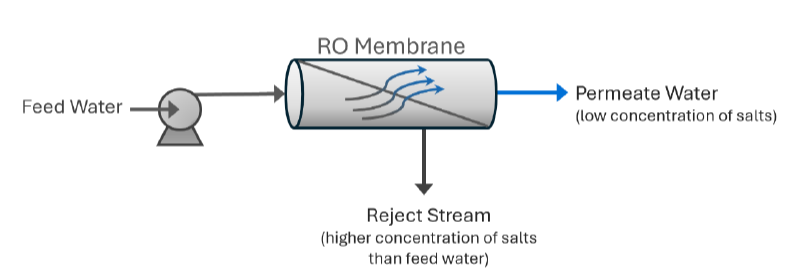
Permeate is the filtered water that passes through the RO membrane. It is the pure water separated from harmful substances. This water is free from salts, chemicals, and bacteria. Permeate is the main product you want from an RO system.
How Is Permeate Produced?
Water enters the RO system under pressure. The membrane blocks contaminants and allows only clean water through. This clean water is the permeate. The leftover water with impurities is called concentrate or brine.
Why Is Permeate Important?
Permeate provides safe and clean drinking water. It reduces health risks linked to dirty water. It also improves the taste and smell of water. Many homes and industries depend on permeate for daily use.
Credit: puretecwater.com
How Ro Systems Work
Reverse osmosis (RO) systems clean water by removing unwanted substances. These systems use a special process to filter water at the molecular level. The goal is to give you fresh, safe drinking water. Understanding how RO systems work helps you see their value in daily life.
Membrane Filtration Process
The heart of an RO system is its membrane. This membrane has tiny pores that block impurities. Water pressure pushes water through the membrane. Clean water passes through, while contaminants stay behind. This process removes salts, chemicals, and other particles. The membrane acts like a fine sieve for water molecules.
Stages Of Water Purification
RO systems purify water in several steps. First, a pre-filter removes dirt and large particles. Next, water moves to the RO membrane for deep filtration. Then, a post-filter improves taste and removes odors. Each stage helps make water cleaner and safer. Together, they ensure high-quality water for drinking and cooking.
Benefits Of Permeate Water
Permeate water from an RO system offers many benefits. It is clean and safe for daily use. This water type removes harmful substances and improves overall water quality. People can enjoy better health and taste with permeate water.
Understanding these benefits helps users appreciate the value of RO systems. Clean water supports a healthy lifestyle and enhances everyday living.
Health Advantages
Permeate water is free from harmful chemicals and impurities. It removes bacteria, viruses, and heavy metals effectively. Drinking clean water reduces risks of waterborne diseases. It supports better digestion and hydration. Safe water helps children grow strong and adults stay healthy.
Taste And Odor Improvement
Permeate water tastes fresh and pure. It lacks the chlorine or sulfur smell found in tap water. The removal of minerals and contaminants makes water more pleasant. Better taste encourages people to drink more water daily. This leads to improved health and well-being.
Factors Affecting Permeate Quality
Permeate quality is key in a Permeate RO System. It affects water taste, safety, and usability. Several factors influence this quality. Understanding them helps maintain the system’s efficiency. This section explores important factors that impact permeate quality.
Feed Water Characteristics
The quality of feed water directly affects the permeate. High levels of salts, minerals, and chemicals make filtration harder. Turbidity or suspended solids can clog membranes quickly. The presence of organic matter may cause fouling. Checking feed water regularly ensures better permeate quality.
Membrane Condition
Membranes play a crucial role in filtering contaminants. Over time, membranes can wear out or get damaged. Fouling and scaling reduce their effectiveness. Regular cleaning and timely replacement keep membranes working well. A healthy membrane means cleaner, safer permeate water.
Operating Pressure
Pressure drives the water through the membrane. Too low pressure results in poor filtration. Too high pressure may damage the membrane. Maintaining the correct operating pressure ensures optimal performance. It helps produce high-quality permeate consistently.
Maximizing Water Efficiency
Maximizing water efficiency is key for any Permeate RO system user. Saving water helps reduce costs and supports the environment. Using water smartly also improves the system’s performance. Small changes in daily use can lead to big savings.
Reducing Water Waste
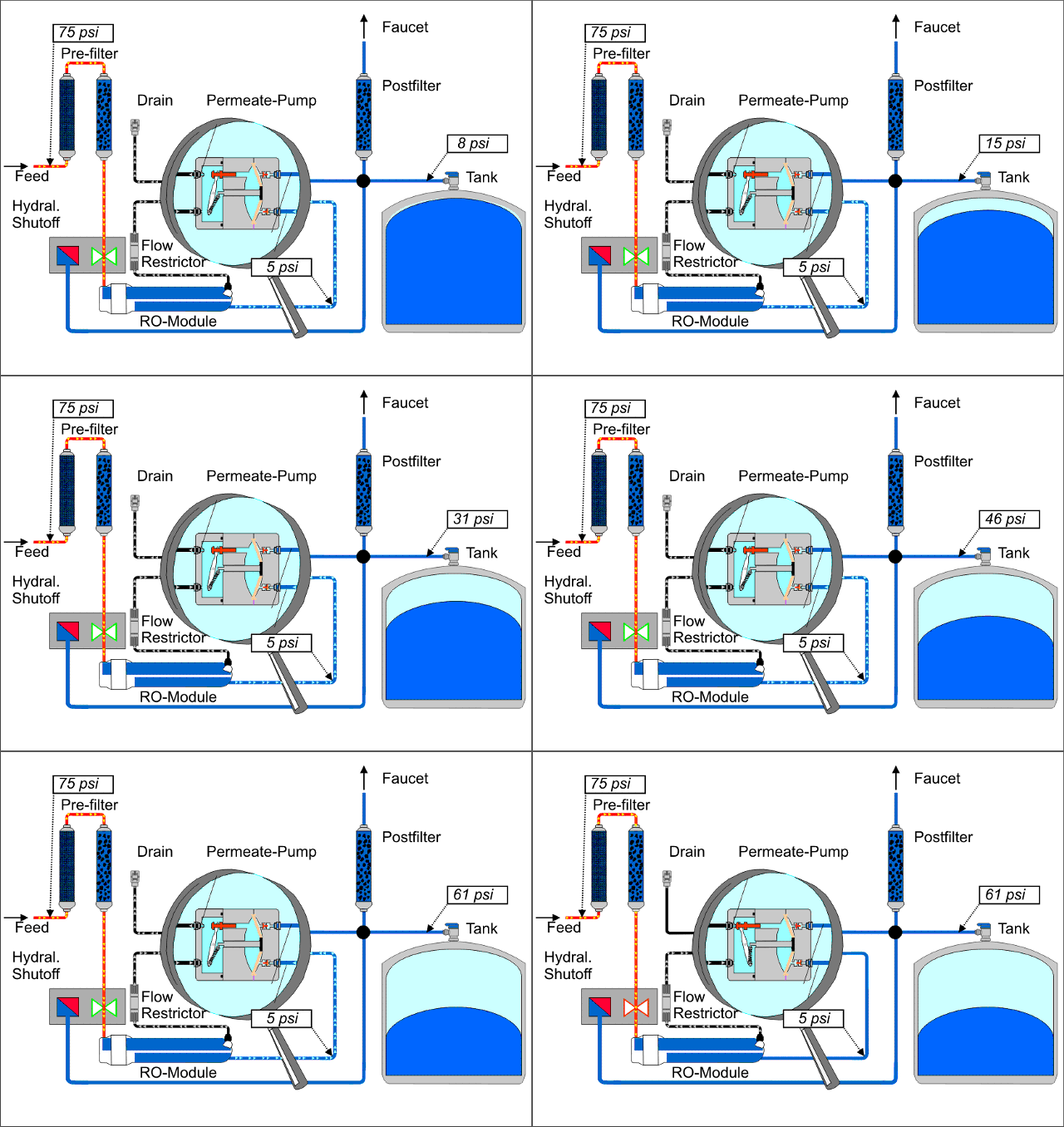
Water waste occurs when the system flushes more water than needed. Adjusting the flow rate can cut down wasted water. Use a flow restrictor to control water use. Collect reject water for other household tasks. Simple habits, like turning off taps, also save water.
Optimizing System Settings
Check pressure levels regularly to keep the system efficient. Set the right pressure to balance water quality and usage. Use automatic shut-off valves to stop water flow when storage is full. Proper settings ensure the system works well without wasting water.
Regular Maintenance
Clean filters and membranes to avoid blockages. Dirty parts reduce water efficiency and system lifespan. Replace filters on time to maintain good water flow. Check for leaks often and fix them quickly. Regular care keeps the system running smoothly and saves water.
Credit: www.purewaterproducts.com
Common Issues And Troubleshooting
Permeate RO systems face some common problems during use. These problems can reduce water quality and flow. Knowing the issues helps keep the system running well. Simple checks and fixes often solve these problems quickly.
Low Permeate Flow
Low permeate flow means the system produces less purified water. This can happen due to clogged filters or old membranes. Check the pre-filters first. Replace them if dirty. Also, inspect the membrane for damage or wear. Low water pressure can also reduce flow. Make sure the feed water pressure is adequate.
Membrane Fouling
Membrane fouling occurs when particles block the membrane pores. Dirt, minerals, and bacteria cause fouling. This lowers water quality and flow rate. Regular cleaning of the membrane helps prevent fouling. Use cleaning solutions designed for RO membranes. Avoid harsh chemicals that can damage the membrane.
Pressure Drops
Pressure drops reduce the system’s efficiency. They often occur in the feed water line or inside filters. Check for leaks or blockages in the pipes. Clean or replace clogged filters. Monitor pressure gauges to detect drops early. Maintaining proper pressure keeps the system working well.
Choosing The Right Ro System
Choosing the right Permeate RO system takes careful thought. The right system fits your water needs and budget. It also saves energy and works efficiently. Consider a few key factors to find the best fit for your home or business.
Capacity Considerations
Check how much water the RO system can produce daily. Match the capacity to your household size or business demand. A small system may not meet high water needs. A large system wastes energy and money if underused.
Energy Consumption
Energy use affects your electricity bill and environmental impact. Choose systems with low power consumption. Some RO systems use energy-saving technology. This keeps costs down without losing water quality.
Cost Factors
Consider both upfront and running costs. The initial price includes purchase and installation. Running costs cover filters, maintenance, and electricity. Balance cost with performance and durability for the best value.
Future Trends In Ro Technology
The future of Reverse Osmosis (RO) technology holds exciting changes. These changes aim to make water purification easier, faster, and more efficient. Innovations focus on improving the membranes and adding smart systems for better control. These trends will help save water and energy, making RO systems more eco-friendly and affordable.
Advanced Membranes
New membranes improve water flow and filter smaller particles. They last longer and resist damage from chemicals. These membranes reduce waste by allowing more water to pass through. They also need less cleaning, cutting maintenance time. The improved design helps remove more impurities, making water safer.
Smart Monitoring Systems
Smart systems track water quality and system performance in real time. They send alerts if filters need replacement or if problems arise. These systems help users save energy by optimizing operation. Remote monitoring allows easy control from smartphones or computers. This technology ensures consistent water quality and reduces downtime.
Frequently Asked Questions
What Is A Permeate Ro System?
A Permeate RO System is a water purification setup that produces clean, filtered water. It removes contaminants using reverse osmosis membranes. This system ensures high-quality drinking water by filtering out impurities and harmful substances effectively and efficiently.
How Does A Permeate Ro System Work?
The system forces water through a semi-permeable membrane. It blocks contaminants and allows only pure water to pass. This process removes dissolved salts, bacteria, and chemicals, providing safe and clean water for drinking or industrial use.
What Are The Benefits Of A Permeate Ro System?
It delivers highly purified water with minimal contaminants. The system improves water taste, odor, and safety. It also reduces waterborne diseases, supports health, and is eco-friendly by minimizing plastic bottle use.
Where Is Permeate Ro System Commonly Used?
It is widely used in homes, offices, and industries. It suits drinking water purification, food processing, pharmaceuticals, and laboratories. The system is ideal wherever clean, contaminant-free water is essential.
Conclusion
Permeate RO systems provide clean and safe water every day. They remove impurities and improve water taste. These systems save money by reducing bottled water use. Easy maintenance keeps them running smoothly for years. Choosing the right system helps protect your health.
Clean water supports a better life for all. Consider a permeate RO system for your home or business. Clear, pure water is always within reach.