Last Updated on September 15, 2026
Have you ever wondered how your countertop RO system keeps your drinking water pure and fresh? The secret lies in how it rejects unwanted water—removing impurities you don’t want in your glass.
Understanding this process can help you appreciate the technology working silently in your kitchen and ensure you get the cleanest water possible. Keep reading to discover exactly how your countertop RO system filters out contaminants and delivers safe, great-tasting water every time.
Credit: www.homedepot.com
Ro System Basics
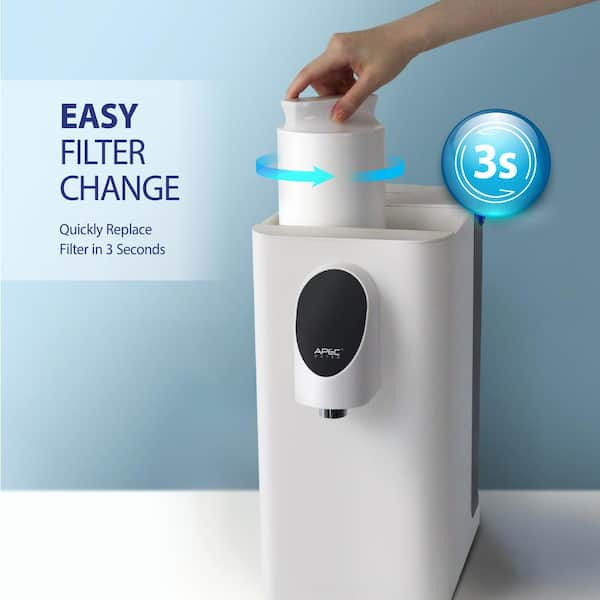
Understanding the basics of a countertop reverse osmosis (RO) system helps you see how it cleans water. These systems remove many impurities, making water safer and better tasting. The process is simple but very effective. Below, we explore the key parts and how the RO membrane works.
Key Components
An RO system has several main parts. First is the pre-filter. It removes dirt and larger particles to protect the membrane. Next is the RO membrane. This is the heart of the system where most impurities are filtered out. After that, a post-filter cleans the water again before you use it. Lastly, a storage tank holds clean water ready for drinking. These components work together to reject unwanted substances.
How Ro Membranes Work
The RO membrane is a thin, semi-permeable sheet. It lets water molecules pass but blocks most contaminants. Water is pushed through the membrane under pressure. The membrane traps salts, bacteria, and chemicals. Clean water flows out on one side. The rejected water, containing impurities, flushes away. This process removes up to 99% of harmful substances. The result is fresh, pure water for your home.
Water Rejection Process
The water rejection process is key to how countertop RO systems clean water. It removes harmful particles and lets clean water pass through. This process relies on special parts and forces working together.
Role Of Membrane Pores
The membrane has tiny pores that act like a filter. These pores are very small, so only water molecules can pass. Larger particles like salts, dirt, and bacteria get stuck. This keeps the water safe and pure.
Pressure And Flow Dynamics
Pressure pushes water through the membrane. It helps force clean water through the tiny pores. The dirty water moves away as waste. This flow keeps the system working well and stops clogging.
Common Contaminants Removed
Countertop RO systems clean water by removing many common contaminants. These systems use a special membrane that blocks unwanted particles. The water that passes through is pure and safe to drink. Understanding which contaminants are removed helps you trust your water’s quality.
Dissolved Solids
Dissolved solids include minerals like calcium and magnesium. These solids can make water hard and affect taste. The RO membrane filters out these solids by size. This process softens water and improves its flavor.
Chemical Impurities
Chemicals such as chlorine and pesticides can be in tap water. These chemicals may cause health problems if consumed. The RO membrane removes many harmful chemicals. It helps make water cleaner and safer for families.
Microorganisms
Bacteria, viruses, and other germs can contaminate water sources. These microorganisms cause illnesses if ingested. RO systems block these tiny invaders effectively. Clean water from RO protects your health.

Credit: bluevua.com
Factors Influencing Rejection Efficiency
Rejection efficiency is key to how well countertop RO systems clean water. It shows how much unwanted material the system removes. Several factors affect this efficiency. Understanding these helps keep the system working well and water pure.
Each factor plays a role in the system’s ability to reject contaminants. Some factors relate to the water itself, others to the system parts or how it runs. Knowing these details helps users maintain better water quality.
Water Quality
Water quality affects rejection efficiency a lot. High levels of salts or chemicals make it harder for the membrane to filter out impurities. Turbid or dirty water can clog the membrane quickly. Cleaner water allows better filtration and longer membrane life.
Membrane Condition
The membrane is the heart of the RO system. Its condition directly impacts rejection rates. A new, well-maintained membrane blocks more contaminants. Over time, membranes wear out or get fouled, reducing efficiency. Regular cleaning and timely replacement keep it effective.
Operating Pressure
Operating pressure drives water through the membrane. Higher pressure pushes more water, improving rejection efficiency. Low pressure may let contaminants pass through. Systems need the right pressure to balance flow and filtration quality.
Advantages Of Countertop Ro Systems
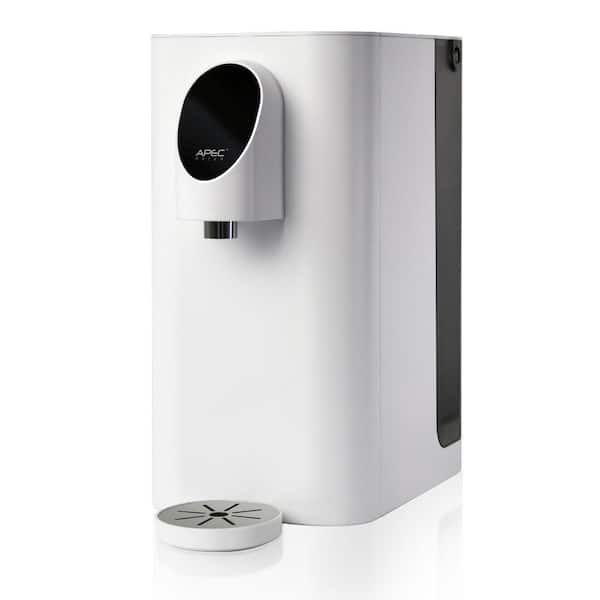
Countertop RO systems offer many benefits that make water purification simple and effective. These systems fit on your kitchen counter and clean water using reverse osmosis technology. They remove impurities and reject waste water, giving you safe drinking water at home. Their design and function bring unique advantages for daily use.
Portability
Countertop RO systems are compact and lightweight. You can move them easily from one place to another. They do not need permanent installation, which suits renters and travelers. Take clean water with you on trips or use the system in different rooms. Portability adds convenience and flexibility to your water purification.
Ease Of Installation
These systems do not require complex plumbing or tools. Most models connect directly to your faucet in minutes. No need for a plumber or drilling holes in your sink. The simple setup saves time and effort. Easy installation means anyone can start using clean water quickly.
Cost-effectiveness
Countertop RO systems cost less than under-sink or whole-house systems. They use less space and fewer parts. Maintenance and filter replacement are affordable and easy. You save money on installation and repairs. This makes them a budget-friendly choice for clean water.
Maintenance Tips For Optimal Performance
Maintaining your countertop RO system ensures it works well and lasts longer. Proper care keeps water clean and tasting fresh. Simple steps can prevent common problems and save money on repairs.
Regular Filter Replacement
Filters trap dirt and impurities from water. Over time, they get clogged and stop working well. Change filters every 6 to 12 months. Follow the manufacturer’s guide for exact timing. Clean filters help water flow smoothly and improve taste.
Membrane Cleaning
The RO membrane removes tiny particles and harmful substances. It needs cleaning to avoid buildup and blockages. Use a mild cleaning solution recommended by the brand. Clean the membrane once a year or when water flow slows. A clean membrane keeps water pure and safe.
Monitoring Water Quality
Check water quality regularly with a TDS meter or test kit. High total dissolved solids (TDS) show the system is not filtering well. Test water every few months to catch problems early. Good water quality means your RO system works perfectly.
Common Myths About Ro Water Rejection
Many people have doubts about how countertop RO systems reject water. Some common myths confuse users. These myths can make people hesitate to use RO water systems. Understanding the truth helps to trust and use RO systems better.
Wastewater Concerns
Some believe RO systems waste too much water. They think the rejected water is useless and thrown away. The truth is, this water still has some minerals and can be used for cleaning or watering plants. Modern RO systems have improved to reduce water waste. The rejected water is part of the filtering process that keeps your drinking water clean.
Mineral Removal Effects
There is a myth that RO water is harmful because it removes all minerals. People worry that losing minerals makes water unhealthy. RO systems do remove some minerals, but most minerals come from food, not water. Removing minerals helps stop harmful chemicals and metals from entering your body. You still get minerals from a balanced diet, so RO water is safe and healthy to drink.
Credit: www.homedepot.com
Frequently Asked Questions
How Do Countertop Ro Systems Reject Water?
Countertop RO systems use a semipermeable membrane to filter water. They apply pressure to push water through, leaving impurities behind. The rejected water carries contaminants away, ensuring clean drinking water.
Why Is Water Rejected In Ro Systems?
Water is rejected to remove dissolved solids and contaminants. The RO membrane blocks impurities but allows pure water to pass. Rejected water contains concentrated pollutants, improving overall water quality.
What Happens To Rejected Water In Countertop Ro Units?
Rejected water is discharged as wastewater, carrying filtered impurities. This prevents contaminants from mixing with clean water. Proper disposal maintains system efficiency and hygiene.
Can Rejected Water From Ro Be Reused?
Usually, rejected water is high in contaminants and not ideal for drinking. It can be reused for non-potable purposes like cleaning or gardening, conserving water resources effectively.
Conclusion
Countertop RO systems clean water by pushing it through a special filter. This filter blocks bad stuff like dirt, chemicals, and salt. Clean water goes through, but the dirty water gets pushed away. This process helps provide safe water for drinking and cooking.
These systems fit on your counter and save space. They work quietly and need little care. Knowing how they reject water helps you choose the right system for your home. Clean water is important, and countertop RO systems make it easy to get.