Last Updated on September 15, 2026
Are you confused about which water filter to choose for your home—Reverse Osmosis or Carbon Filter? You’re not alone.
Both promise cleaner, safer water, but they work in very different ways. Choosing the right one can affect the taste, health benefits, and even the cost of your water. You’ll discover how each filter works, what they remove from your water, and which one fits your needs best.
Keep reading to make a smart choice that protects your health and saves you money.
Reverse Osmosis Basics
Reverse osmosis is a popular water purification method. It removes many types of contaminants effectively. The process uses a special filter to clean water.
This section explains the basics of reverse osmosis. Learn how it works, its parts, and where it is used most.
How Reverse Osmosis Works
Reverse osmosis pushes water through a thin, semi-permeable membrane. This membrane blocks impurities and lets clean water pass. Pressure helps move water from a high to low concentration area. It removes salts, chemicals, and other harmful substances.
Key Components
The system has several important parts. First, a pre-filter removes large particles. Next, the reverse osmosis membrane filters out tiny contaminants. A post-filter improves taste and removes any leftover impurities. A storage tank holds clean water until needed. Some systems include a pump to increase pressure and efficiency.
Common Applications
Reverse osmosis is used in homes and industries. Many households install it for drinking water. It also helps in food and beverage production. Some hospitals use it to purify water for medical use. It works well wherever clean, safe water is needed.
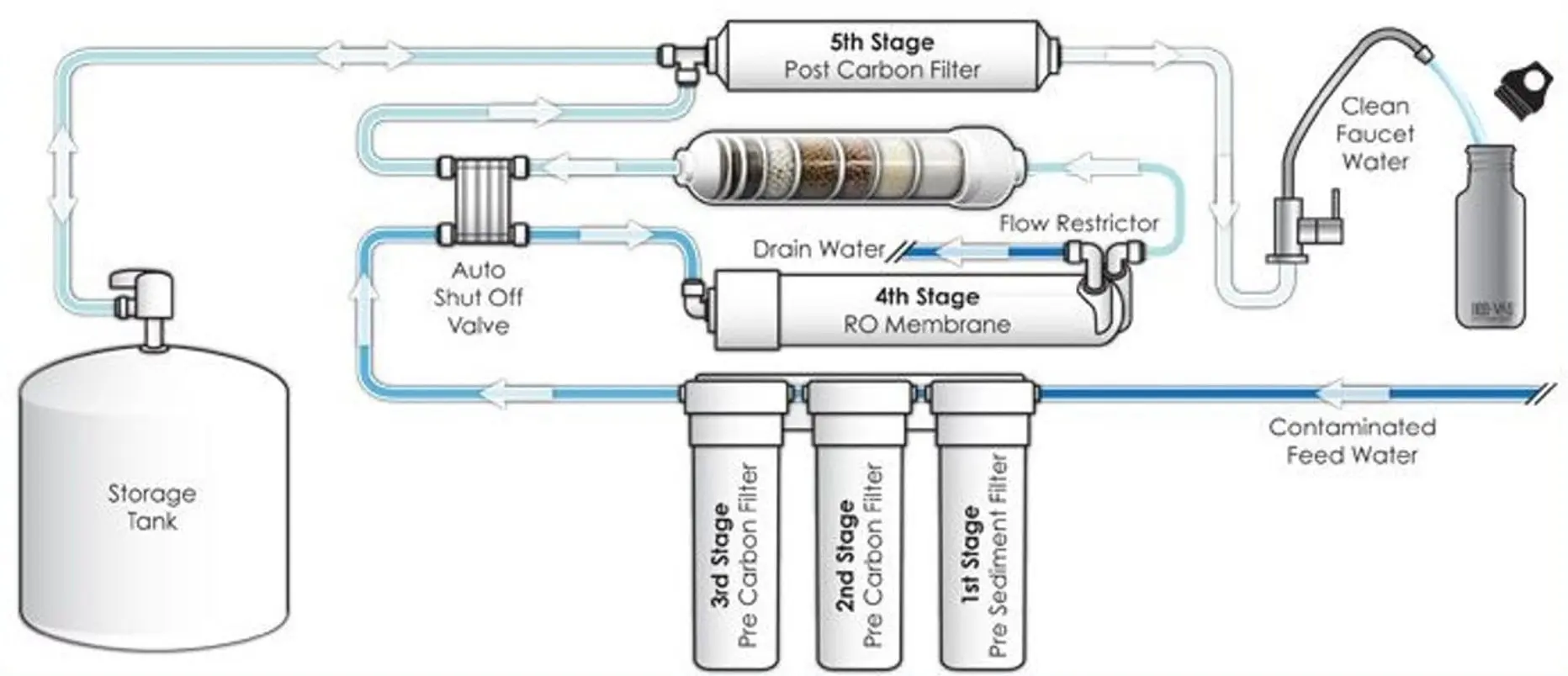
Credit: paulbunyanplumbing.com
Carbon Filter Essentials
Carbon filters play a key role in water purification. They remove impurities that affect taste and safety. Understanding carbon filter basics helps in choosing the right system for clean water.
These filters use a natural process to trap contaminants. They work well for common household needs. Let’s explore how they function, their types, and where they are used.
Filtration Process
Carbon filters clean water by adsorption. Water passes through carbon material. Harmful chemicals stick to the surface of the carbon. This process removes chlorine, odors, and some pesticides. It does not remove dissolved salts or heavy metals well.
Types Of Carbon Filters
There are several types of carbon filters. Granular activated carbon (GAC) is common in home systems. It has loose carbon particles. Carbon block filters are denser and more effective at removing fine particles. They block more contaminants than GAC filters. Both types improve water taste and smell.
Typical Uses
Carbon filters are popular in homes and offices. They improve tap water quality by removing chlorine. Many pitchers and faucet attachments use carbon filters. Some whole-house systems include carbon filters for better water throughout the home. They work best for treating water with organic compounds and chlorine.
Purification Effectiveness
Purification effectiveness is a key factor in choosing between reverse osmosis and carbon filters. Each method cleans water differently and affects water quality in unique ways. Understanding how well each removes impurities helps you pick the right system for your needs.
Contaminants Removed
Reverse osmosis removes a wide range of contaminants. It filters out dissolved salts, heavy metals, and many chemicals. Bacteria and viruses also get blocked by its fine membrane. Carbon filters mainly remove chlorine, pesticides, and bad odors. They work well for organic compounds but do not remove dissolved solids or microbes.
Water Quality Impact
Reverse osmosis produces very pure water by stripping most impurities. This can lead to softer water with fewer minerals. Carbon filters improve water quality by reducing chlorine and harmful chemicals. They keep beneficial minerals in the water, which some people prefer for health reasons. Both systems improve safety but in different ways.
Taste And Odor Improvement
Reverse osmosis often removes tastes and odors caused by chemicals and minerals. It can make water taste very clean but sometimes flat. Carbon filters excel at removing chlorine taste and unpleasant smells. They enhance the water’s natural flavor by keeping minerals intact. Choosing depends on your taste preference and water source.

Credit: www.watersmartsystems.com
Installation And Maintenance
Installation and maintenance play a big role in choosing between reverse osmosis and carbon filters. Both systems clean water well but need different care and setup. Understanding these details helps pick the right option for your home and lifestyle.
Setup Requirements
Reverse osmosis systems need more space under the sink. They require a water line connection and a drain for wastewater. Installation can take one to two hours. Carbon filters are simpler to install. Most attach directly to the faucet or fit in-line with the water pipe. Setup usually takes less than an hour.
Filter Replacement
Reverse osmosis filters need changing every 6 to 12 months. The membrane may last up to 2 years. Carbon filters usually last 3 to 6 months. Both filters require regular replacement to keep water pure. Neglecting this can reduce water quality and damage the system.
Cost Considerations
Reverse osmosis systems cost more upfront. Installation and replacement parts add to expenses. Carbon filters are cheaper to buy and maintain. They have lower replacement costs. Consider long-term expenses and water needs before deciding.
Environmental And Health Factors
Choosing between reverse osmosis and carbon filters involves thinking about health and the environment. Both clean water but do it in different ways. Understanding these differences helps make a smart choice for your home and the planet.
Water Waste And Efficiency
Reverse osmosis systems use more water. They waste some during filtering. For every gallon of clean water, several gallons may be lost.
Carbon filters use water more efficiently. They do not waste water during the process. This makes them better for areas with water shortages.
Health Benefits
Reverse osmosis removes many harmful substances. It filters out bacteria, viruses, and chemicals. This results in very pure water.
Carbon filters remove chlorine and some chemicals. They improve taste and odor. They do not remove all bacteria or viruses.
Potential Drawbacks
Reverse osmosis can remove minerals that the body needs. This may affect water taste and health over time.
Carbon filters may allow some contaminants to pass. They need regular replacement to stay effective.

Credit: brownsplumbing.ca
Choosing The Right System
Choosing the right water filtration system can be tricky. Both reverse osmosis and carbon filters offer clear benefits. Knowing what fits your needs makes the decision easier. Consider your household size, budget, and long-term goals before buying.
Household Needs
Think about the number of people in your home. Larger families use more water daily. Reverse osmosis systems remove more impurities, good for many users. Carbon filters improve taste and remove chlorine. For small households, a carbon filter may suffice. For bigger homes, reverse osmosis works better.
Budget Constraints
Cost plays a big role in choosing a system. Reverse osmosis systems usually cost more upfront. Carbon filters are cheaper to buy and install. Maintenance costs for reverse osmosis can be higher. Carbon filters need less frequent replacements. Pick a system that fits your wallet comfortably.
Long-term Value
Think about how long the system will last. Reverse osmosis systems offer thorough cleaning over time. They may save money on bottled water. Carbon filters improve water taste and remove some contaminants. They are easier to maintain. Choose a system that offers value for your lifestyle.
Frequently Asked Questions
What Is The Main Difference Between Reverse Osmosis And Carbon Filter?
Reverse osmosis uses a membrane to remove contaminants, while carbon filters use activated charcoal to absorb impurities. RO removes more dissolved solids, while carbon filters mainly improve taste and odor. Both serve different purification needs.
Which System Removes More Contaminants Effectively?
Reverse osmosis removes a wider range of contaminants, including heavy metals and salts. Carbon filters mainly target chlorine and organic compounds. RO is generally more thorough for purification.
Are Carbon Filters Better For Improving Water Taste?
Yes, carbon filters excel at removing chlorine and odors, enhancing water taste. Reverse osmosis may strip minerals, sometimes affecting flavor.
How Often Should I Replace Each Filter Type?
Carbon filters usually need replacement every 3-6 months. Reverse osmosis membranes last 2-3 years but pre-filters change more often. Maintenance frequency depends on water quality.
Conclusion
Choosing between reverse osmosis and carbon filters depends on your water needs. Reverse osmosis removes more impurities but uses more water. Carbon filters improve taste and reduce chlorine easily. Both offer cleaner water but work differently. Think about what matters most: thorough purification or basic filtering.
Either way, clean water improves health and taste. Make a choice that fits your budget and water quality. Clear water is always worth the effort.