Last Updated on September 15, 2026
Are you curious about how a reverse osmosis system works to give you clean, pure water right at your tap? Understanding the reverse osmosis system diagram can make a big difference in how you maintain your water filter and ensure the best quality water for your home.
This simple guide will walk you through each part of the system, showing you how they work together to remove impurities. By the end, you’ll feel confident about your water system and know exactly what’s happening behind the scenes. Let’s dive into the details and unlock the secrets of your reverse osmosis system!
How Reverse Osmosis Works
Understanding how a reverse osmosis system works helps you see why it is effective. This system cleans water by removing many impurities. It uses a special process to separate clean water from contaminants. The process involves several steps and parts that work together.
Basic Process Of Filtration
Water enters the system and passes through a pre-filter. This filter removes large particles like dirt and rust. Then, water moves to the main filtering stage. Here, the system uses pressure to push water through a fine membrane. The membrane blocks many impurities, allowing only clean water through.
Role Of Membranes
The membrane is the key part of the system. It has tiny pores that trap bacteria, salts, and other pollutants. Only water molecules can pass through these pores. This makes the water safe and clean. The membrane’s quality affects how well the system works.
Flow Of Water Through The System
Water flows in a set path during filtration. First, it enters the pre-filter to remove large particles. Next, it reaches the membrane under pressure. Clean water passes through the membrane into a storage tank. Wastewater, containing the filtered-out impurities, leaves the system. This flow ensures clean water is ready to use.
Credit: www.h2odistributors.com
Key Components In The Diagram
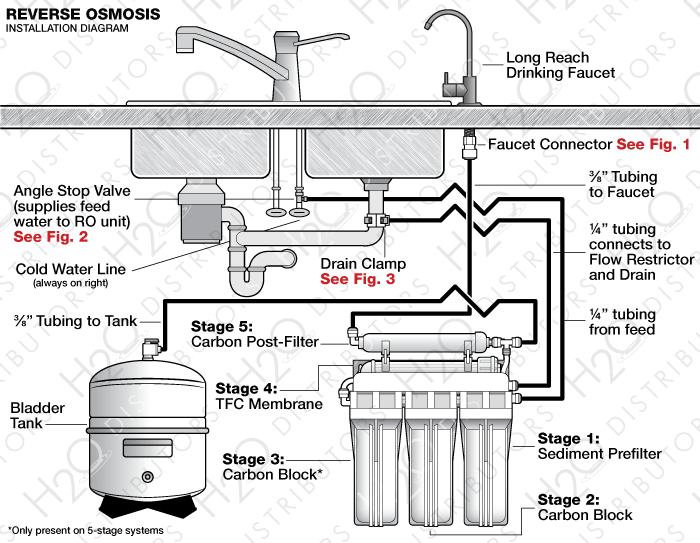
The key components in a reverse osmosis system diagram show how water flows and gets cleaned. Each part plays a role in removing impurities from water. Understanding these parts helps you know how the system works and what to check for maintenance.
The system starts with pre-filters. Water passes through these first to remove larger particles. Then, the water moves to the RO membrane, the core part that filters tiny contaminants. After that, post-filters polish the water for better taste. Clean water stores in a tank, ready for use. Finally, some parts handle waste water and control flow.
Pre-filters And Their Functions
Pre-filters remove dirt, sand, and rust from water. They protect the RO membrane from damage. Usually, these filters include a sediment filter and a carbon filter. Sediment filters catch large particles. Carbon filters reduce chlorine and odors. Clean water reaches the membrane without harmful debris.
Ro Membrane Details
The RO membrane is the heart of the system. It removes up to 99% of dissolved salts and impurities. The membrane has tiny pores that let only water molecules pass. Contaminants like lead, arsenic, and fluoride get blocked. This makes water safe and clean for drinking.
Post-filters Explained
Post-filters improve water taste and smell. They remove any remaining odors or flavors. Common post-filters use activated carbon. This step ensures water is fresh and pleasant. It also removes any small particles left after the membrane.
Storage Tank Purpose
The storage tank holds purified water. It keeps water ready for use anytime. Without the tank, water flow would be slow. The tank helps maintain steady water pressure at your faucet. It also prevents the system from running constantly.
Drain Line And Flow Restrictor
The drain line carries away rejected water with impurities. This waste water does not enter your faucet. The flow restrictor controls water flow through the membrane. It keeps pressure balanced inside the system. This helps the membrane work efficiently and last longer.
Types Of Reverse Osmosis Systems
Reverse osmosis (RO) systems clean water by removing impurities. Different types suit different needs. Each system has unique features and uses. Understanding these types helps pick the right one for your home or office.
Under-sink Systems
Under-sink RO systems fit beneath kitchen sinks. They connect directly to the water supply. These systems filter water for drinking and cooking. They save space and are easy to install. Maintenance is simple and involves changing filters regularly.
Whole House Systems
Whole house RO systems filter water for the entire home. They connect to the main water line. These systems provide clean water to all faucets and appliances. They improve water quality for showers, laundry, and more. Installation requires more space and professional help.
Portable Ro Units
Portable RO units are small and easy to move. They work well for travelers and small apartments. These systems do not need permanent installation. You can use them with bottles or small tanks. They offer clean water anywhere, anytime.
Installation Steps
Installing a reverse osmosis system needs careful steps. Each part must connect properly to work well. This guide breaks down the main steps for easy installation.
Preparing The Water Supply
Start by turning off the main water valve. Find a suitable spot near your sink for the system. Clean the area to avoid dust or dirt. Attach the feed water adapter to the cold water pipe. Tighten all connections to stop leaks.
Connecting Filters And Membrane
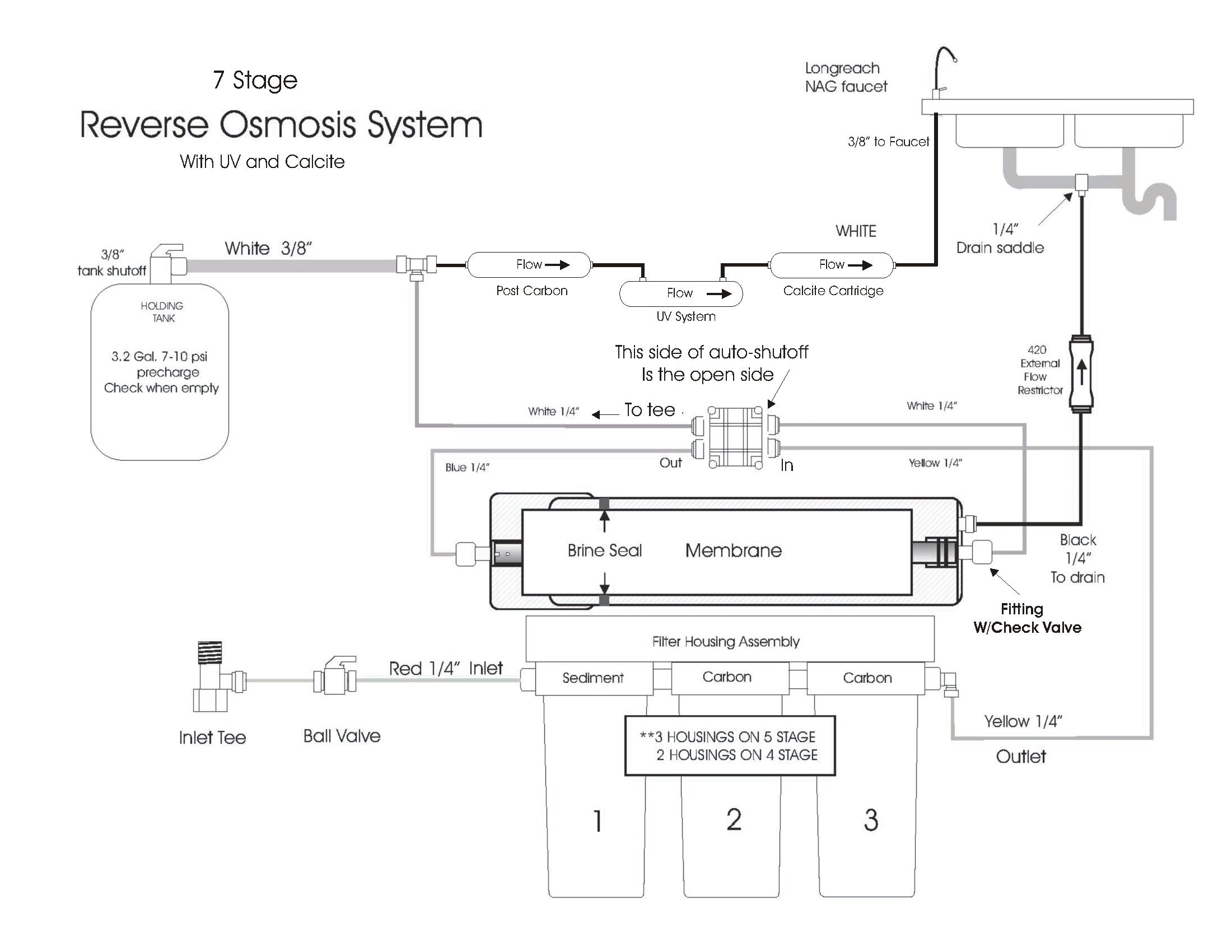
Open the system casing to place the filters. Insert the sediment filter first, then the carbon filter. Push the reverse osmosis membrane into its housing. Secure all filters and membrane firmly. Connect tubing between each filter in correct order.
Setting Up Storage And Faucet
Attach the storage tank to the system’s outlet. Tighten the tank valve to control water flow. Install the dedicated faucet on your sink or countertop. Connect tubing from the system to the faucet. Check all connections for leaks before turning on the water.
Maintenance Tips
Maintaining your reverse osmosis system is key to clean, safe water. Regular care keeps the system working well. It also extends the life of parts like filters and membranes. Follow simple steps to avoid problems and enjoy fresh water daily.
Filter Replacement Schedule
Replace filters on time to keep water pure. Most systems need filter changes every 6 to 12 months. Check the user manual for exact timing. Old filters can clog and reduce water flow. Fresh filters remove more impurities and improve taste.
Membrane Care
The RO membrane removes tiny particles from water. It lasts 2 to 3 years with proper care. Avoid harsh chemicals that can damage the membrane. Flush the system regularly to clear away buildup. Keep water pressure steady to protect the membrane.
Troubleshooting Common Issues
Low water flow may mean a clogged filter or low pressure. Strange taste or odor can indicate filter or membrane issues. Check all connections for leaks or loose parts. Reset the system if it stops working. Replace parts as needed to restore performance.
Credit: www.reverseosmosis.com
Benefits Of Reverse Osmosis
Reverse osmosis systems offer many benefits for homes and businesses. They provide clean, safe water by removing impurities and harmful substances. These systems improve water quality, support better health, and save money over time. Understanding these benefits helps you decide if a reverse osmosis system is right for you.
Improved Water Quality
Reverse osmosis removes contaminants like chlorine, lead, and bacteria. It also reduces dissolved salts and chemicals that affect taste and smell. This process delivers clear, fresh water. It helps protect appliances by preventing scale buildup. Cleaner water means better drinking, cooking, and cleaning experiences.
Health Advantages
Drinking water free from harmful chemicals supports overall health. Reverse osmosis lowers risks from toxins and pollutants. It removes fluoride and nitrates that may cause health issues. The system filters out germs that cause illness. Safe water promotes hydration and well-being for all family members.
Cost Efficiency Over Time
Reverse osmosis systems reduce the need for bottled water. This cuts down plastic waste and saves money. Maintenance costs are low compared to buying clean water regularly. The system extends appliance life by protecting from mineral damage. Investing in reverse osmosis pays off with long-term savings.
Common Misconceptions
Many people have wrong ideas about reverse osmosis systems. These misunderstandings can stop them from using clean water technology. Clearing up these myths helps users make smart choices. Below are some common misconceptions explained clearly.
Water Wastage Concerns
People often think reverse osmosis wastes too much water. Yes, some water leaves as waste. But modern systems use less water than before. Some models recycle waste water for other uses. This reduces overall water loss. Regular maintenance also helps save water.
Mineral Removal Effects
Another myth is that reverse osmosis removes all good minerals. It does filter out many minerals. But most minerals come from a balanced diet, not just water. Some systems add minerals back into the water. This keeps water healthy and fresh-tasting.
System Lifespan Myths
Many think reverse osmosis systems break quickly. The truth: well-maintained systems last many years. Filters need changing on schedule to work well. Cleaning the system also protects parts. This keeps water pure and system strong for a long time.

Credit: www.researchgate.net
Frequently Asked Questions
What Is A Reverse Osmosis System Diagram?
A reverse osmosis system diagram visually explains the water purification process. It shows each component’s role, from pre-filters to the membrane and storage tank. This helps users understand how water is filtered and purified efficiently.
How Does A Reverse Osmosis System Work?
Water passes through multiple filters, including a semi-permeable membrane. The membrane removes contaminants and impurities. Clean water is collected in a storage tank, while waste water is flushed away. This process ensures high-quality purified water.
What Are The Main Parts In The Diagram?
Key parts include the sediment filter, carbon filter, RO membrane, storage tank, and faucet. Each part has a specific function to remove different contaminants. Together, they ensure thorough water purification.
Why Is The Ro Membrane Important In The System?
The RO membrane is the core filter. It blocks dissolved salts, chemicals, and bacteria. It allows only pure water molecules to pass through. This ensures the highest water purity and safety.
Conclusion
A reverse osmosis system cleans water by pushing it through a filter. This process removes many impurities and makes water safer to drink. The diagram shows each part and how they work together. Understanding the system helps you see why it is effective.
Clean water is important for health and daily use. This simple system offers a reliable way to get purified water at home. Keep the system maintained to ensure it works well for a long time. Clear water, clear benefits.