Last Updated on September 15, 2026
Thinking about installing a whole house reverse osmosis system? You’re probably wondering about the cost and whether it’s worth the investment.
Clean, pure water for every faucet in your home sounds great, but understanding the price can be confusing. This guide breaks down everything you need to know about whole house reverse osmosis cost—so you can make a smart choice for your home and family.
Keep reading to discover what affects the price and how to get the best value for your money.
Factors Influencing Cost
The cost of a whole house reverse osmosis system varies widely. Several important factors affect the final price. Understanding these can help you plan your budget better.
System Size And Capacity
The size of the system directly impacts the cost. Larger homes need bigger systems to filter more water. Higher capacity units use more materials and parts. This increases the price. Smaller systems cost less but may not meet all household needs.
Installation Complexity
Installation can vary in difficulty and time. Complex plumbing or hard-to-reach areas raise labor costs. If your home needs extra work, expect higher installation fees. Simple installations with easy access are cheaper and faster.
Water Quality And Pre-treatment
Water quality affects the system type and cost. Poor water may need extra pre-treatment like sediment filters or water softeners. These add to the overall expense. Cleaner water usually requires less treatment and costs less.
Brand And Features
Different brands offer various features and build quality. Well-known brands often charge more for reliability and support. Extra features like smart monitoring or faster filtration increase cost. Basic models are cheaper but may lack advanced functions.

Credit: www.reverseosmosis.com
Average Price Range
Understanding the average price range of whole house reverse osmosis systems helps plan your budget. Prices vary based on system capacity, brand, and features. This section breaks down costs into three categories for easier comparison.
Entry-level Systems
Entry-level whole house reverse osmosis systems cost between $800 and $1,500. These units suit small homes or limited budgets. They offer basic filtration and moderate water output. Installation might require professional help, adding to the cost.
Mid-range Options
Mid-range systems range from $1,500 to $3,000. These models provide better filtration and higher capacity. They often include advanced filters and easier maintenance. Homes with moderate water needs find these systems reliable and efficient.
High-end Solutions
High-end whole house reverse osmosis systems cost $3,000 and above. They deliver superior water quality and large capacity. These units feature smart controls and longer-lasting filters. Ideal for large families or homes with high water usage.
Installation Expenses
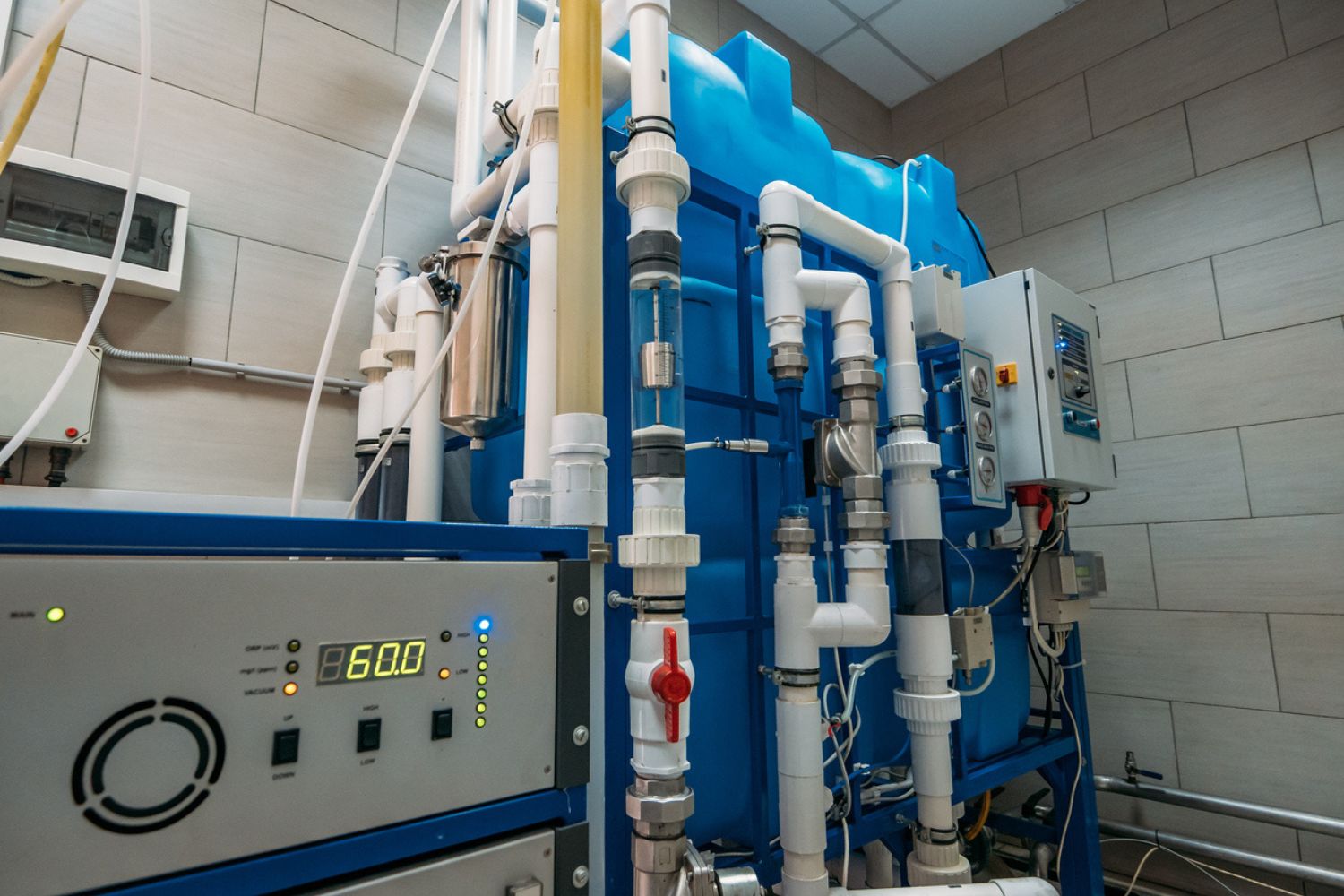
Installing a whole house reverse osmosis system involves certain costs. These expenses vary depending on how you choose to install the system. Understanding these costs helps you plan your budget better.
Diy Vs Professional Installation
Choosing between DIY and professional installation affects your total cost. Doing it yourself saves money on labor fees. Yet, it requires some plumbing skills and tools. Mistakes during installation can cause leaks or damage. Hiring a professional ensures proper setup and avoids errors. Professionals charge fees based on job complexity and location. This fee is an important part of the total installation cost.
Additional Plumbing Needs
Some homes need extra plumbing work for the system. Adding pipes or connectors increases installation expenses. Older homes often require updates to plumbing systems. These changes make sure the reverse osmosis system works well. Plumbing upgrades may include pressure regulators or shut-off valves. Each addition raises the total installation price.
Permits And Inspections
Local rules may require permits for water system installations. Obtaining permits has a cost, which varies by area. Inspections confirm the system meets safety and quality standards. Inspectors may charge fees for their services. Skipping permits or inspections can lead to fines or repairs. Including these costs ensures a smooth installation process.
Credit: www.bobvila.com
Maintenance And Operating Costs
Maintaining a whole house reverse osmosis system involves ongoing costs. These costs include filter changes, energy use, and water waste. Understanding these expenses helps plan your budget better. It also ensures the system works efficiently for years.
Filter Replacement Frequency
Filters need replacing regularly to keep water clean. Pre-filters usually last 3 to 6 months. The RO membrane can last 2 to 3 years. Post-filters often need changing every 6 to 12 months. Skipping replacements can reduce water quality and damage the system.
Energy Consumption
Reverse osmosis systems use electricity to work. The energy cost depends on system size and usage. Whole house systems may use more power than under-sink units. Some models have energy-saving features to lower costs. Check the power rating before buying a system.
Water Waste And Efficiency
RO systems waste some water during filtration. Typically, 3 to 4 gallons waste for every gallon filtered. Newer systems improve water efficiency. Some models recycle wastewater to reduce waste. Knowing water waste helps manage your water bills and conservation efforts.
Ways To Save Money
Saving money on a whole house reverse osmosis system is possible with smart choices. Small steps can reduce costs without losing quality or performance. Focus on important areas like system size, maintenance, and deals. These tips help you get clean water at a lower price.
Choosing The Right System Size
Select a system that fits your household size and water needs. Avoid buying larger units than necessary. Bigger systems cost more to buy and run. Calculate your daily water use before deciding. A properly sized system saves money on upfront and operating costs.
Regular Maintenance Tips
Keep your system clean and well-maintained to avoid costly repairs. Change filters on time to keep water flow steady. Check for leaks and fix them quickly. Regular care extends the life of your system. It also keeps it working efficiently, lowering energy bills.
Comparing Quotes And Warranties
Get multiple price quotes from different sellers before buying. Compare the cost, features, and warranty terms carefully. A good warranty protects your investment and reduces future expenses. Choose a system with reliable customer service. This prevents extra costs from unexpected problems.
Utilizing Rebates And Incentives
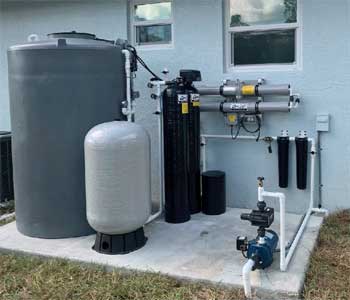
Search for local or state rebates on water filtration systems. Some programs offer discounts for installing eco-friendly equipment. Check if your utility company provides incentives for clean water solutions. These offers can cut the initial price significantly. Always ask about available rebates before purchase.
Credit: modernize.com
Long-term Benefits
Choosing a whole house reverse osmosis system offers benefits that grow over time. The initial cost may seem high. Still, the long-term advantages make it a smart investment for many homeowners. Cleaner water, better health, and savings on bottled water add up over the years.
Improved Water Quality
Reverse osmosis removes many impurities from water. It filters out chemicals, heavy metals, and sediments. This process delivers clear, fresh-tasting water throughout your home. You get better water for drinking, cooking, and bathing. The system helps protect plumbing and appliances from buildup and damage.
Health Advantages
Cleaner water means fewer contaminants that can harm health. Removing chlorine and other chemicals reduces skin irritation. Drinking pure water supports digestion and hydration. Families with children or sensitive health conditions benefit the most. The system helps reduce exposure to harmful substances daily.
Cost Savings Over Time
Buying bottled water adds up fast. A reverse osmosis system cuts this expense significantly. It lowers plumbing repairs by preventing scale and corrosion. The system also reduces the need for water softeners or filters. Over time, these savings cover the initial installation cost and more.
Frequently Asked Questions
How Much Does Whole House Reverse Osmosis Cost?
The cost typically ranges from $2,000 to $10,000. It depends on system size, installation complexity, and water quality. Higher-end models with advanced features cost more. Installation fees vary by location and plumber rates.
What Factors Affect Whole House Reverse Osmosis Price?
System capacity, brand, and filtration stages impact price. Installation complexity and plumbing modifications also raise costs. Pre-filters and maintenance expenses add to the total. Water hardness and sediment levels influence the system choice.
Is Whole House Reverse Osmosis Worth The Investment?
Yes, it provides clean, purified water throughout your home. It removes contaminants better than standard filters. This protects plumbing and improves water taste. Long-term health benefits and reduced bottled water use justify costs.
How Often Does A Whole House Ro System Need Maintenance?
Most systems require filter changes every 6 to 12 months. Membrane replacements occur every 2 to 3 years. Regular maintenance ensures optimal performance and water quality. Skipping maintenance may reduce system lifespan and effectiveness.
Conclusion
Whole house reverse osmosis systems offer clean water for your entire home. The initial cost may seem high, but benefits last for years. You save money by avoiding bottled water and reduce health risks. Installation and maintenance costs vary by system type and water quality.
Choosing the right system depends on your budget and water needs. Clean water improves your family’s health and daily life. Think carefully about long-term savings and water purity before deciding. A well-chosen system brings peace of mind and better water every day.