Last Updated on September 15, 2026
Have you ever wondered how you can get pure, clean water right from your tap? Reverse osmosis might be the secret behind it.
This simple yet powerful process removes impurities and delivers fresh water for you and your family. You’ll discover exactly how reverse osmosis works and why it could be the best choice for improving your water quality. Keep reading to unlock the science that makes your water safer and tastier every day.
Basics Of Reverse Osmosis
Reverse osmosis is a popular method to purify water. It removes impurities by pushing water through a special filter. This process provides clean, safe water for drinking and other uses.
Understanding the basics helps to see how this technology works. It involves simple steps and key parts that work together. Let’s explore what reverse osmosis is and what makes it function well.
What Is Reverse Osmosis?
Reverse osmosis is a water treatment process. It forces water through a thin, semipermeable membrane. The membrane blocks contaminants like salts, bacteria, and chemicals. Clean water passes through, leaving impurities behind.
This process works by applying pressure to the water. It pushes water from a high concentration side to a low concentration side. This is the opposite of natural osmosis, hence the name “reverse osmosis.”
Key Components Of Ro Systems
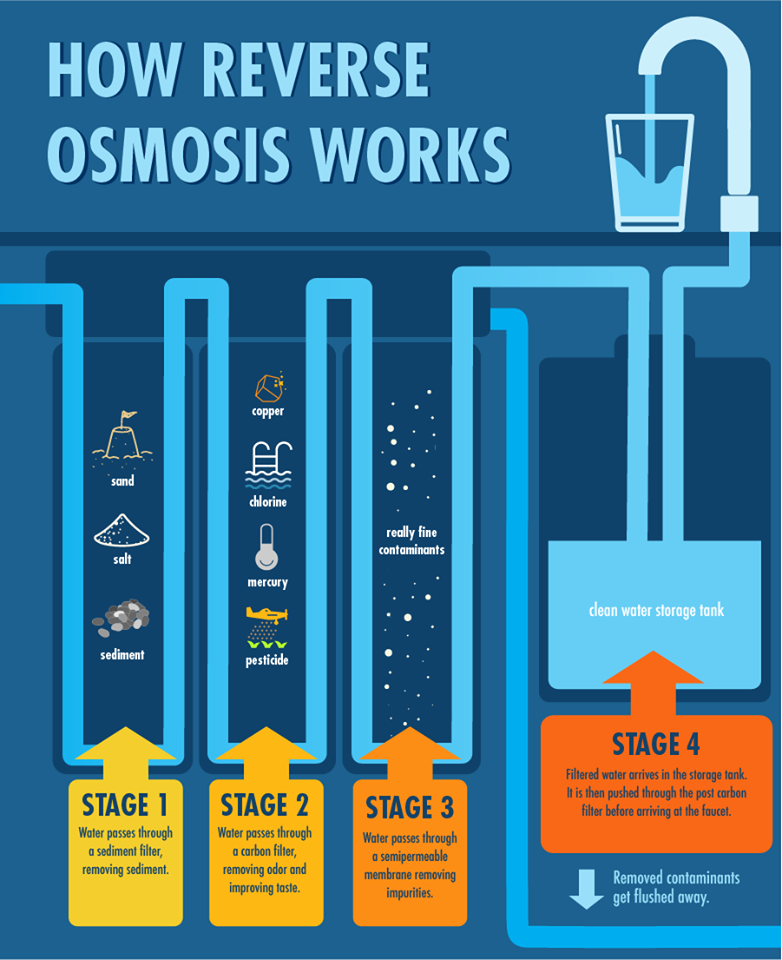
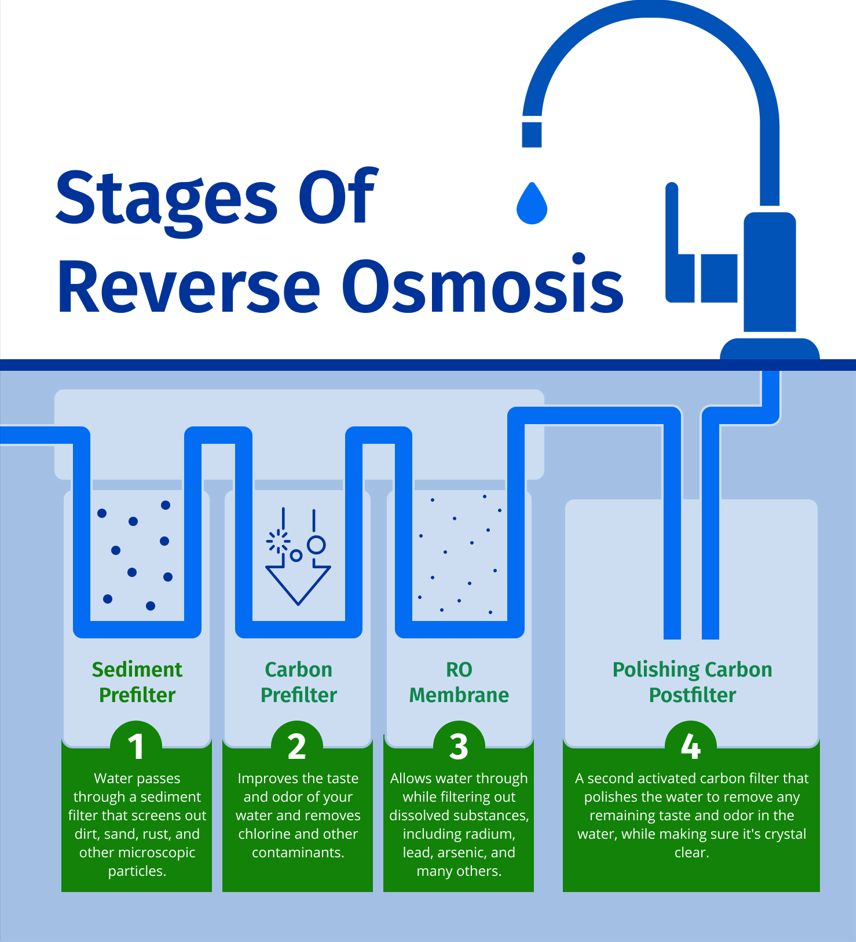
An RO system has several important parts. First, there is a pre-filter that removes dirt and large particles. This protects the main membrane from damage.
The heart of the system is the RO membrane. It filters out tiny contaminants and impurities. Then a post-filter cleans the water further for better taste and safety.
A storage tank holds the purified water. A valve controls the water flow for easy access. These components work together to provide clean water efficiently.
The Science Behind Reverse Osmosis
Understanding the science behind reverse osmosis helps explain how it cleans water. This process uses natural principles but in a unique way. It removes impurities by pushing water through a special barrier. The result is clean, safe drinking water.
Reverse osmosis relies on several key scientific ideas. These include osmosis, membranes, and pressure. Each plays an important role in how the system works.
Osmosis Vs. Reverse Osmosis
Osmosis is a natural process. Water moves from a low salt area to a high salt area through a membrane. This balances the salt levels on both sides. Reverse osmosis flips this process. It forces water from a high salt area to a low salt area. This removes salt and other impurities from the water.
Role Of Semi-permeable Membranes
The semi-permeable membrane is the heart of reverse osmosis. It acts like a filter. It lets water molecules pass but blocks larger particles. These include salts, bacteria, and other contaminants. The membrane keeps harmful substances out while allowing clean water through.
Pressure And Water Flow
Pressure pushes water through the membrane. It must be strong enough to overcome natural osmosis. This pressure forces water from dirty to clean side. Clean water collects on the other side. Impurities stay behind and are flushed away. The right pressure ensures efficient cleaning.
Step-by-step Process
The reverse osmosis process cleans water through several clear steps. Each step removes different impurities. Understanding this helps explain why reverse osmosis is so effective.
Pre-filtration Stages
Water first passes through pre-filters. These remove large particles like dirt and rust. A sediment filter clears out sand and dust. A carbon filter then removes chlorine and odors. These steps protect the main membrane from damage.
Membrane Filtration
Water is pushed through a special membrane. This membrane has tiny holes that block contaminants. Only pure water molecules pass through. Salts, bacteria, and chemicals stay behind. This is the heart of the reverse osmosis process.
Post-filtration And Storage
After the membrane, water goes through a final filter. This filter polishes the water for better taste. Then, clean water stores in a tank. A valve releases water when you need it. This keeps water fresh and ready.
Benefits Of Reverse Osmosis Water
Reverse osmosis water offers many benefits for everyday use. It provides clean, fresh water that tastes better and smells fresher. The process removes harmful substances, making water safer to drink. People often choose reverse osmosis for its purity and health advantages.
Improved Taste And Odor
Reverse osmosis removes chlorine and other chemicals. These substances often cause bad taste and smell. The water becomes crisp and clean. Drinking water feels more refreshing and enjoyable. Cooking with this water also enhances food flavor.
Removal Of Contaminants
The reverse osmosis filter blocks many impurities. It removes bacteria, viruses, and heavy metals. Harmful chemicals like lead, arsenic, and fluoride are filtered out. This makes water much safer for the whole family. The system also reduces sediments and dirt.
Health Advantages
Clean water supports better health and hydration. Removing contaminants lowers the risk of illness. Reverse osmosis water helps protect the immune system. It is free from harmful substances that can cause diseases. Drinking pure water daily promotes overall well-being.
Common Applications
Reverse osmosis is a popular water purification method. It uses a special membrane to remove impurities. This process finds use in many areas. Below, we explore common applications of reverse osmosis.
Residential Use
Many homes use reverse osmosis for clean drinking water. It removes chlorine, lead, and other harmful substances. People install RO systems under sinks or as whole-house filters. The result is safer and better-tasting water. This system also helps reduce waterborne diseases.
Industrial And Commercial
Factories and businesses need pure water for various tasks. Reverse osmosis cleans water used in manufacturing and food processing. It protects machines from damage caused by minerals. RO water also improves product quality. Many commercial buildings use RO for drinking water stations.
Medical And Laboratory
Hospitals and labs require very pure water. Reverse osmosis removes bacteria, viruses, and chemicals. It is essential for dialysis machines and lab tests. Clean water ensures accurate results and patient safety. RO systems meet strict health and safety standards in these settings.
Credit: www.culligannation.com
Maintaining Ro Systems
Maintaining reverse osmosis (RO) systems keeps water clean and safe. Proper care helps the system last longer. It also ensures the water tastes fresh and pure. Regular upkeep stops problems before they start. Simple steps can keep your RO system running well.
Regular Filter Replacement
Filters trap dirt and impurities. Over time, filters get clogged and less effective. Replace filters every 6 to 12 months. Follow the manufacturer’s guide for timing. Use quality filters made for your system. This keeps water flowing and clean.
Cleaning And Sanitizing
Cleaning removes germs and buildup inside the system. Sanitize the tank and pipes once a year. Use mild cleaning solutions safe for RO systems. Rinse parts well to avoid leftover chemicals. Clean systems produce better tasting water.
Troubleshooting Tips
Watch for slow water flow or strange tastes. Check for leaks around pipes and fittings. Listen for unusual noises from the system. Reset the system by turning it off and on. Call a technician if problems persist.
Limitations And Considerations
Reverse osmosis is a popular water filtration method. It removes many impurities and makes water safer to drink. Despite its benefits, this system has some limits and things to think about. Understanding these can help you decide if reverse osmosis fits your needs.
Water Wastage Issues
Reverse osmosis systems waste some water during filtering. For every gallon of clean water, several gallons are discarded. This wastewater goes down the drain. It may increase water bills and affect the environment. Some systems recycle this water, but not all do.
Mineral Removal Concerns
Reverse osmosis removes not only harmful substances but also good minerals. Minerals like calcium and magnesium are taken out. Drinking water without these minerals may affect taste and health. Some people add minerals back to improve water quality.
Cost And Installation Factors
Installing a reverse osmosis system can be expensive. Costs include the unit, plumbing, and maintenance. Filters and membranes need regular replacement. Professional installation may be required. This adds to the total cost and effort.

Credit: advancedwaterinc.com
Future Trends In Ro Technology
Reverse osmosis (RO) technology continues to evolve. New trends focus on making the process more efficient and smarter. These changes aim to reduce energy use, improve water quality, and make systems easier to manage. Understanding these future trends helps us see how RO will meet growing water needs.
Energy Efficiency Improvements
RO systems use a lot of energy to push water through membranes. New designs lower this energy demand. Advances include better pumps and pressure recovery devices. These changes cut energy waste. They make water purification cheaper and greener.
Advanced Membrane Materials
Membranes filter out impurities in RO systems. Researchers develop new materials that last longer and filter better. These membranes resist fouling and allow water to pass faster. This means less cleaning and less energy use. The result is cleaner water with less effort.
Integration With Smart Systems
Smart technology is joining RO systems. Sensors monitor water quality and system health in real time. Automated controls adjust pressure and flow for best performance. This reduces downtime and maintenance costs. Smart systems make RO easier to operate and more reliable.
Credit: www.water-doctor.com
Frequently Asked Questions
What Is Reverse Osmosis In Water Purification?
Reverse osmosis is a water filtration process that removes contaminants. It uses a semi-permeable membrane to block impurities and allow clean water through.
How Does Reverse Osmosis Membrane Work?
The membrane filters water by letting only water molecules pass. It blocks larger particles, such as salts, bacteria, and chemicals, ensuring pure water output.
What Are The Benefits Of Reverse Osmosis Systems?
Reverse osmosis systems provide clean, safe, and great-tasting water. They effectively remove harmful substances like lead, chlorine, and nitrates, improving water quality.
Can Reverse Osmosis Remove All Water Contaminants?
Reverse osmosis removes most contaminants, including dissolved salts and microbes. However, it may not eliminate all chemicals like some pesticides or volatile organic compounds.
Conclusion
Reverse osmosis cleans water by pushing it through a special filter. It removes many harmful substances, making water safer to drink. The process uses pressure to separate pure water from impurities. It works quietly and without chemicals. Many homes and businesses use reverse osmosis for better water quality.
Understanding how it works helps you choose the right water system. Clean water supports health and daily life. Simple, effective, and reliable—reverse osmosis is a smart choice for fresh water.