Last Updated on September 17, 2026
Have you ever wondered which milk creates the perfect foam for your coffee or latte? The right milk foam can transform your drink from ordinary to café-quality in seconds.
Whether you want silky smooth foam or a rich, creamy texture, knowing what milk foams best is the secret to mastering your favorite beverages at home. Keep reading, and you’ll discover the simple choices that make all the difference in your cup.

Credit: perfectdailygrind.com
Types Of Milk For Frothing
Milk choice plays a big role in creating the perfect foam. Different types of milk react differently to steaming and frothing. Knowing these differences helps you pick the best milk for your coffee drinks. Here is a breakdown of common milk types used for frothing.
Whole Milk
Whole milk contains about 3.5% fat. The fat helps create a creamy, rich foam. It produces smooth, dense bubbles that last longer. The taste is fuller and sweeter, which enhances coffee flavors. Baristas often prefer whole milk for lattes and cappuccinos.
Skim Milk
Skim milk has nearly no fat, only protein and water. This makes it froth into light, airy foam with bigger bubbles. The foam feels lighter but less creamy. It is a good choice for those watching fat intake. Skim milk foam is less stable but still works well for many drinks.
Non-dairy Alternatives
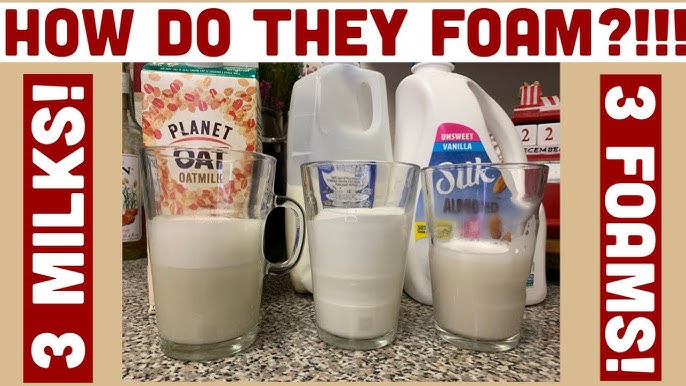
Non-dairy milks like almond, soy, oat, and coconut vary in frothing ability. Soy and oat milk froth better because of their protein content. Almond and coconut milk create lighter foams but can be less stable. Some brands add stabilizers to improve froth quality. Non-dairy options suit vegan diets and lactose intolerance.
Organic Vs. Regular Milk
Organic milk comes from cows fed organic feed without synthetic chemicals. Regular milk comes from conventional farming. Both types froth similarly if fat content is the same. Organic milk may taste fresher or sweeter to some people. Choosing organic is more about farming practices than frothing quality.
Credit: www.youtube.com
Milk Composition And Foam Quality
Milk is not just a liquid; it has many parts that affect how well it foams. The way milk foams depends on its proteins, fats, and sugars. Each part plays a role in creating smooth, creamy foam or weak, flat bubbles.
Understanding milk’s makeup helps choose the best milk for frothing. Different types of milk have different amounts of these components. This affects how thick and stable the foam will be.
Role Of Proteins
Proteins in milk help form foam by trapping air. Casein and whey are the main proteins. Whey proteins are especially good at making strong bubbles. They surround air pockets and keep them stable.
More protein means better foam. Skim milk has more proteins than whole milk. That’s why skim milk often foams better and lasts longer.
Impact Of Fat Content
Fat in milk makes the foam creamy but can also weigh it down. Whole milk has high fat, which creates rich, soft foam. But too much fat breaks bubbles quickly.
Low-fat milk balances creaminess and foam stability. It creates foam that holds shape without being too heavy or flat.
Effect Of Sugar And Lactose
Sugar and lactose add sweetness but affect foam too. High sugar content can make foam less stable. Sugars interfere with the proteins that hold bubbles.
Milk with less sugar tends to foam better. This is why some baristas prefer fresh, plain milk for frothing.
Temperature And Frothing
Temperature plays a key role in making good milk foam. Frothing milk requires the right heat to create smooth, creamy bubbles. Too cold, and the milk won’t foam well. Too hot, and it can spoil the texture and taste. Understanding the right temperature helps achieve the perfect foam for your coffee.
Ideal Milk Temperature
The best milk temperature for frothing is between 140°F and 155°F (60°C to 68°C). This range creates stable foam with a velvety texture. It also brings out the natural sweetness of the milk. Staying within this range prevents burning or scalding the milk.
Overheating Consequences
Heating milk above 160°F (71°C) breaks down proteins needed for foam. This causes large bubbles and a thin, watery texture. The milk may taste burnt or bitter too. Overheated milk loses its creamy feel and becomes hard to froth.
Temperature Tips For Different Milks
Dairy milk froths best at the ideal temperature range. Whole milk creates rich foam, while skim milk forms lighter foam. Plant-based milks like almond or oat need slightly lower heat. Heat them to around 130°F to 140°F (54°C to 60°C) for better foam and flavor.
Frothing Techniques
Frothing milk brings a creamy texture to coffee and other drinks. It changes milk into light, airy foam. Different tools create different foam styles. Knowing each method helps choose the best for your taste and setup.
Steam Wand Method
The steam wand on espresso machines produces thick, velvety foam. It uses hot steam to heat and aerate milk quickly. Hold the wand just below the surface. This creates small bubbles and smooth texture. It works best with whole or 2% milk.
Handheld Frother
A handheld frother is a small battery-powered tool. It spins a whisk to mix air into milk. It is easy to use and clean. Froth hot or cold milk in seconds. Ideal for small batches and quick use.
Electric Frother
Electric frothers heat and froth milk automatically. Just pour milk, press a button, and wait. They create consistent foam with less effort. Some have temperature controls for perfect heat. Great for busy mornings or beginners.
Manual Frothing Tools
Manual tools include French presses or milk frothing pitchers. Pump the plunger up and down to add air. It takes more time but offers control. You can make foam anywhere, no power needed. Best for those who enjoy hands-on preparation.
Troubleshooting Common Frothing Issues
Frothing milk can sometimes be tricky. Many face issues that affect the foam’s quality. Knowing how to fix these problems helps create better foam every time. This section covers common frothing problems and how to solve them quickly.
Foam Too Thin Or Flat
Thin foam often means not enough air mixed in. Use cold, fresh milk for better results. Warm the milk just before frothing. Move the frother slowly to add more air. Avoid overfilling the pitcher. Clean the frother regularly to prevent clogs.
Foam Too Stiff Or Dry
Stiff foam feels rough and dry. It happens when too much air enters the milk. Lower the frothing speed or time. Use milk with higher fat content for creamier foam. Stop frothing as soon as foam forms. Stir gently to soften the foam.
Milk Not Frothing At All
No foam means the milk proteins are not working. Use fresh milk, not old or spoiled. Try whole or 2% milk for better froth. Avoid plant-based milks with low protein. Check the frother for damage or dirt. Heat the milk properly before frothing.
Enhancing Froth For Latte Art
Enhancing froth for latte art takes more than just steaming milk. The quality of foam and how you handle it shapes your design. Smooth, creamy froth blends well with espresso. It helps create clear, sharp patterns on the coffee surface.
Milk Texture And Consistency
Good milk foam should be silky and dense. Tiny bubbles give a smooth texture. Avoid large, airy bubbles that break easily. Whole milk creates richer froth, but low-fat milk works too. Cold milk foams better because it has more proteins. Heat milk slowly to keep the texture creamy. Overheating can make foam dry and rough.
Pouring Techniques
Pouring affects the look of your latte art. Start with a steady, slow pour to mix milk and espresso. Move the pitcher closer to the cup as you pour. This helps foam stay on top. Use wrist movements to draw shapes. Practice makes the patterns clearer and sharper. Pouring too fast or too high breaks the design.
Tools For Latte Art
A good steaming pitcher is key. Choose one with a sharp spout for control. A thermometer helps keep the milk at the right temperature. A clean steam wand creates better foam. Some baristas use toothpicks or etching tools for detailed designs. Clean tools improve the quality of your froth and art.
Milk Storage And Froth Quality
Milk storage plays a key role in froth quality. Fresh, well-stored milk creates better foam. Poor storage can change milk’s texture and taste. These changes affect how well milk foams in coffee or espresso drinks.
Freshness Impact
Fresh milk produces thicker, creamier foam. As milk gets older, proteins break down. This reduces the milk’s ability to trap air. Foam becomes thin and weak. Use milk within its expiration date for best froth.
Proper Storage Tips
Keep milk cold at all times. Store milk in the main fridge area, not the door. Avoid temperature changes that spoil milk faster. Close the milk container tightly to stop odors and bacteria. Always use a clean container if transferring milk.
Using Milk Leftovers
Leftover milk can still foam but less well. Avoid milk that smells sour or looks curdled. Slightly older milk may work for cooking but not frothing. For best foam, use fresh milk every time. Don’t mix fresh milk with old milk for frothing.

Credit: www.descaler.co.uk
Frequently Asked Questions
Which Milk Froths The Best For Coffee?
Whole milk froths best due to its balanced fat and protein content. It creates creamy, stable foam ideal for lattes and cappuccinos. Low-fat and skim milk also foam well but produce lighter, less creamy foam.
Does Plant-based Milk Foam As Well As Dairy?
Some plant-based milks like oat and soy foam well because of their protein content. Almond and coconut milks tend to produce less stable foam. Barista versions of plant milks are formulated specifically to improve frothing quality.
How Does Milk Temperature Affect Foam Quality?
Milk foams best between 140°F and 160°F (60°C-70°C). Warmer milk creates richer, more stable foam. Overheating above 160°F can scald milk, reducing foam quality and taste.
Can Skim Milk Produce Good Foam?
Yes, skim milk produces light and airy foam due to higher protein and no fat. However, its foam lacks the creaminess and richness of whole milk foam.
Conclusion
Milk type matters a lot for good foam. Whole milk makes creamy, thick foam. Skim milk creates light, airy bubbles. Plant-based milks vary; oat milk foams nicely. Baristas often choose milk by foam style. Experiment to find what suits your taste.
Frothing temperature and technique also affect results. Perfect foam adds joy to your coffee. Keep trying and enjoy your drinks more. Foam quality can make your coffee special. Simple steps lead to better foam every time.