Last Updated on September 19, 2026
Have you ever wondered what makes your electric kettle heat water so quickly? Understanding how an electric kettle works can help you appreciate this simple yet powerful kitchen tool.
You’ll discover the clever technology behind the scenes and why it’s designed to save you time and effort. By the end, you’ll see your kettle in a whole new light—and maybe even use it more efficiently. Ready to uncover the secret?
Let’s dive in.
Credit: gb.readly.com
Electric Kettle Basics
An electric kettle is a popular kitchen tool. It heats water quickly and safely. Understanding how it works helps you choose the right one. The basics are simple and easy to follow.
This device uses electricity to boil water fast. It switches off automatically once the water reaches boiling point. This feature prevents overheating and saves energy.
Key Components
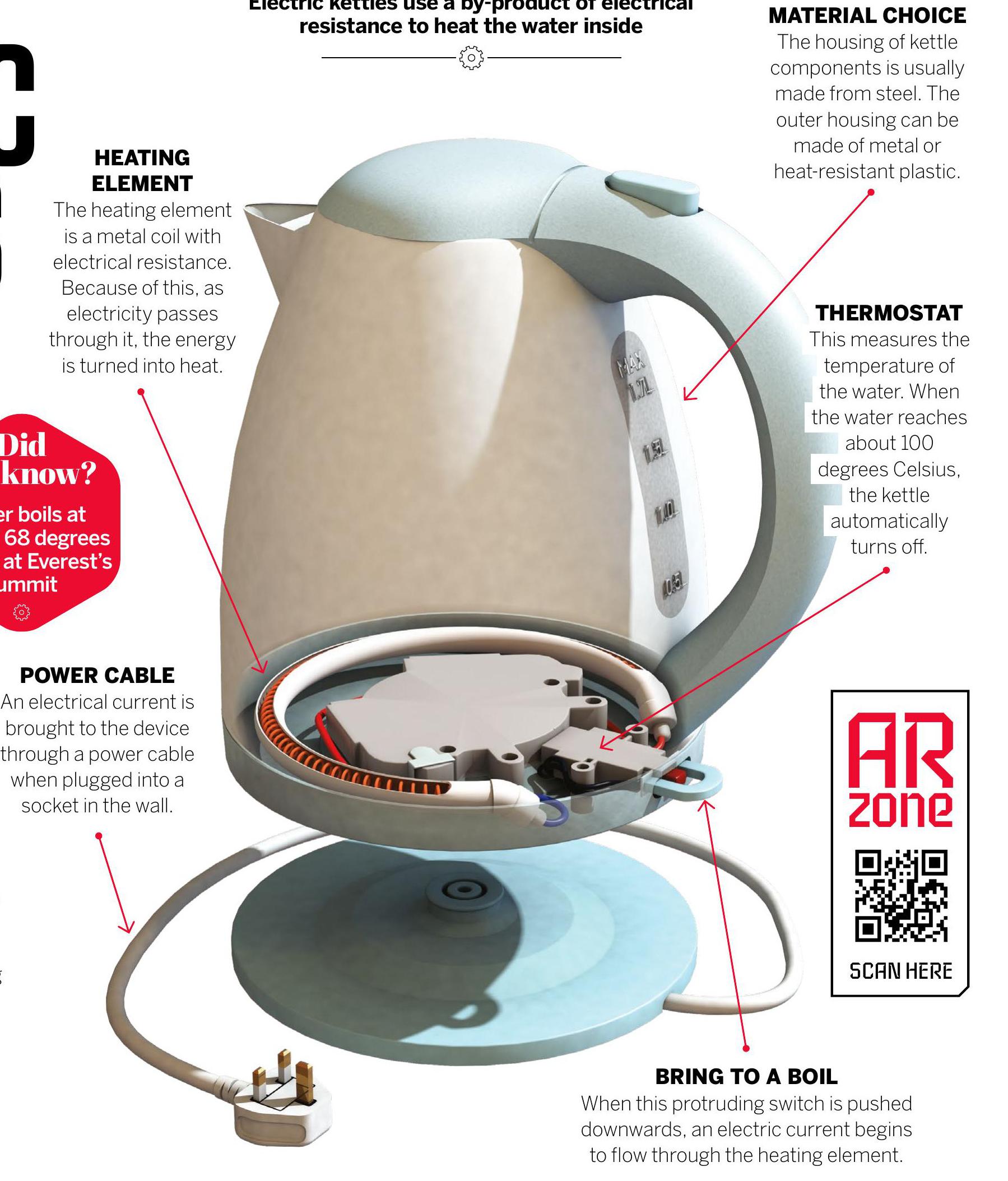
An electric kettle has a few main parts. The heating element heats the water. It is usually hidden inside the base or at the bottom.
The kettle body holds water. It can be made of plastic, glass, or metal. The lid covers the kettle and keeps heat inside.
The power base connects to the electricity supply. It usually has a cord and a switch. The thermostat controls the temperature and turns the kettle off when done.
Types Of Electric Kettles
There are several types of electric kettles. Basic models only boil water. Some have temperature controls for different drinks.
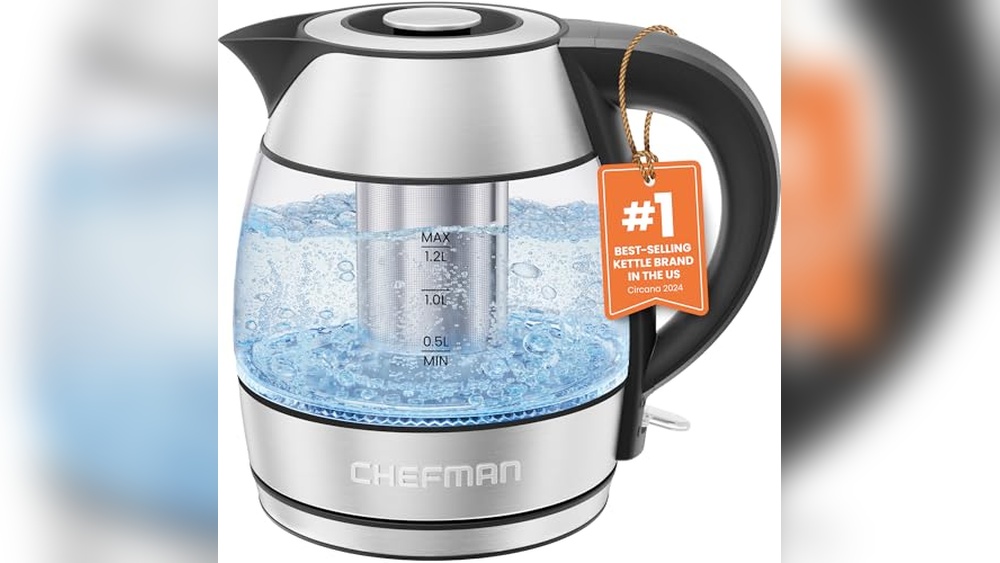
Travel kettles are small and lightweight. They are easy to carry and use on the go. Glass kettles show the water inside as it boils.
Stainless steel kettles are durable and stylish. They keep water hot longer. Some kettles have extra features like keep warm functions or water level indicators.
Heating Mechanism
The heating mechanism is the key part of an electric kettle. It changes electricity into heat. This heat warms the water inside the kettle quickly. Understanding this process helps you see how the kettle works so fast.
The mechanism uses a special part called the heating element. This part touches the water or sits just below the kettle’s base. It heats up when the kettle is plugged in and switched on.
Role Of The Heating Element
The heating element is a metal coil or plate inside the kettle. It is made of a material that heats up easily when electricity passes through it. This element transfers heat directly to the water.
It is designed to be safe and durable. The element heats the water evenly. This means the water boils faster and uses less energy.
How Electricity Generates Heat
Electricity flows through the heating element as an electric current. The metal inside resists this flow. This resistance causes the metal to get hot.
The heat moves from the element to the water. The water temperature rises until it boils. This process happens quickly because the element is very close to the water.
Temperature Control
Temperature control is key to how an electric kettle works. It ensures water heats to the right degree without wasting energy or causing danger. This control system uses simple parts to keep the process safe and efficient.
Thermostat Functions
The thermostat inside the kettle senses water temperature. It sends signals to the heating element to turn on or off. When water reaches the set temperature, the thermostat stops the heat. This prevents water from boiling too long or overheating.
The thermostat keeps water at a steady, safe temperature. It helps save energy by shutting off the heat at the right time. This also protects the kettle from damage caused by too much heat.
Automatic Shut-off Feature
The automatic shut-off is a safety feature. It works with the thermostat to stop heating once water boils. This prevents the kettle from running dry and overheating.
This feature uses a sensor to detect steam or temperature changes. Once the water boils, it triggers the kettle to turn off. It keeps the kettle safe and avoids accidents in the kitchen.
Safety Features
Safety features in electric kettles protect users and extend the appliance’s life. These features prevent accidents and make boiling water simple and safe. Understanding these safety measures helps users feel confident using their kettles.
Boil-dry Protection
Boil-dry protection stops the kettle from heating when there is no water inside. This feature prevents damage to the heating element. It also avoids dangerous overheating that could cause fires. The kettle turns off automatically if it detects empty conditions.
Lid Lock And Cool-touch Design
The lid lock keeps the lid tightly closed during boiling. It stops hot water from spilling out accidentally. The cool-touch design keeps the kettle’s outer surface safe to touch. This design lowers the risk of burns, especially for children. Together, these features make the kettle safer to use every day.
Energy Efficiency
Energy efficiency is an important factor when choosing how to boil water. Electric kettles heat water quickly and use less electricity than some other methods. They convert most of the electricity into heat directly inside the kettle. This process wastes less energy and saves money on bills.
Comparison With Traditional Methods
Boiling water on a stove uses more energy. The heat escapes around the pot, warming the air. This wastes energy and takes longer to boil water. Microwaves heat water unevenly and can waste power. Electric kettles use a heating element that touches the water. This direct contact makes heating faster and more efficient.
Tips For Saving Energy
Only boil the water you need. Avoid overfilling the kettle. Use the kettle’s water level marks to measure. Keep the kettle clean to improve heating speed. Descale regularly to remove mineral build-up. Turn off the kettle as soon as water boils. These simple steps help reduce energy use and save money.
Credit: www.youtube.com
Maintenance And Care
Maintaining and caring for your electric kettle keeps it working well for a long time. Regular care prevents build-up inside the kettle. It also helps keep the water tasting fresh. Simple steps can make a big difference.
Descaling Techniques
Mineral deposits build up inside the kettle over time. Descaling removes these hard deposits. Use white vinegar or lemon juice for descaling. Fill the kettle halfway with water. Add equal parts vinegar or lemon juice. Boil the mixture and let it sit for 20 minutes. Rinse the kettle thoroughly with clean water. Repeat if deposits remain. Descale your kettle every few weeks for best results.
Cleaning Tips
Clean the outside and inside regularly. Use a soft cloth with mild soap for the exterior. Avoid harsh chemicals that can damage the surface. Rinse the inside with clean water after each use. Dry the kettle completely before storing. Remove the lid and clean it too. Check the spout and filter for any blockages. Keeping the kettle clean ensures better performance and taste.

Credit: www.youtube.com
Frequently Asked Questions
How Does An Electric Kettle Heat Water Quickly?
An electric kettle uses a hidden heating element to warm water fast. This element converts electricity into heat efficiently. It heats water directly, reducing energy loss and speeding up boiling time compared to stovetop kettles.
What Safety Features Do Electric Kettles Have?
Most electric kettles include automatic shut-off when water boils. They also have boil-dry protection to prevent damage if empty. These features ensure safe operation and prevent accidents during use.
Why Is An Electric Kettle More Energy-efficient?
Electric kettles heat only the water inside, using direct contact with the heating element. This targeted heating uses less energy than boiling water on a stove, making it more efficient and eco-friendly.
Can Electric Kettles Boil Water Without Electricity?
No, electric kettles require electricity to power the heating element. Without electricity, they cannot heat or boil water.
Conclusion
Electric kettles heat water quickly using a metal coil inside. The coil warms up when electricity passes through it. Water reaches boiling point fast, saving time. Auto shut-off keeps the kettle safe and prevents overheating. This simple design makes electric kettles easy to use and efficient.
Knowing how they work helps you appreciate their value. A perfect tool for tea, coffee, and cooking needs. Simple, fast, and reliable—that’s how electric kettles serve us every day.