Last Updated on August 27, 2026
Stock pots are deep and designed for large-volume cooking, while saucepans are smaller and used for sauces and small dishes. Choosing the right cookware is essential for efficient cooking.
Stock pots and saucepans serve different purposes in the kitchen. Stock pots, often large and deep, are ideal for making soups, stews, and broths. They accommodate large quantities of liquid and ingredients. Saucepans, on the other hand, are smaller with high sides, perfect for making sauces, boiling eggs, or heating small portions.
They offer versatility but are not suitable for large-volume cooking. Understanding the differences helps in selecting the right tool for your culinary needs, ensuring better results and a smoother cooking experience. Both are staples in a well-equipped kitchen.

Credit: madeincookware.com
Introduction To Kitchen Essentials
Every kitchen needs the right tools to create delicious meals. Two essential cookware items are the stock pot and the saucepan. Understanding the differences helps you choose the right one.
Stock Pots And Saucepans
Stock pots and saucepans look similar but serve different purposes. A stock pot is large and deep, ideal for soups and broths. A saucepan is smaller and great for sauces and small portions.
Here is a table to highlight key differences:
| Feature | Stock Pot | Saucepan |
|---|---|---|
| Size | Large | Small to Medium |
| Depth | Deep | Shallow |
| Uses | Soups, Broths, Stews | Sauces, Small Portions |
Importance Of Choosing The Right Cookware
Choosing the right cookware can improve your cooking experience. The right pot or pan ensures even cooking and better flavors.
- Stock pots are perfect for large batches and slow cooking.
- Saucepans are ideal for quick cooking and delicate sauces.
Use the right tool for the job to save time and effort. This choice also affects the quality of your meals.
Investing in the right cookware is essential for every kitchen. It makes a big difference in your cooking results.
The Basics Of Stock Pots
Stock pots are essential in any kitchen. They are versatile and useful for many cooking tasks. Knowing how to use them can improve your culinary skills. Let’s explore their design, functionality, and ideal uses.
Design And Functionality
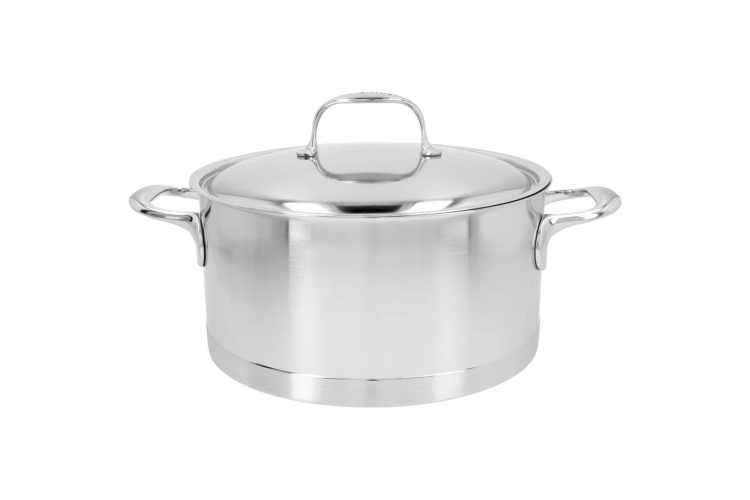
Stock pots usually have a large capacity. They come with tall sides and a wide base. This design helps distribute heat evenly. Most stock pots have lids to trap heat and moisture.
Materials for stock pots vary. Stainless steel is common due to its durability. Some stock pots have an aluminum core for better heat distribution. Others might have non-stick coatings for easy cleaning. Handles are often sturdy and heat-resistant.
The design of a stock pot makes it perfect for cooking large quantities. It can handle soups, stews, and broths. The tall sides prevent spills during boiling.
Ideal Uses In The Kitchen
Stock pots are perfect for making broth or stock. The large size allows for simmering bones and vegetables. This creates a flavorful base for many dishes.
They’re also great for boiling pasta or potatoes. The wide base helps cook evenly. You can also use them for steaming vegetables. Simply add a steamer basket and some water.
Making chili or stew? Stock pots are ideal. They can hold many ingredients and cook them slowly. This ensures flavors meld together perfectly. You can even use them for deep-frying in large batches.
Here’s a quick comparison table for clarity:
| Feature | Stock Pot |
|---|---|
| Capacity | Large |
| Design | Tall sides, wide base |
| Material | Stainless steel, aluminum core |
| Common Uses | Broth, pasta, stews, deep-frying |
Understanding Saucepans
Saucepans are essential tools in any kitchen. They are versatile and easy to use. Saucepans are perfect for cooking a variety of dishes. Understanding their key features and uses can help you choose the right one.
Key Features
Saucepans usually have a long handle. This makes them easy to maneuver. They often come with a lid to help retain heat and moisture. The base is flat for even heat distribution. Most saucepans are made from stainless steel, aluminum, or non-stick materials.
| Feature | Details |
|---|---|
| Handle | Long, heat-resistant |
| Lid | Often included, helps retain heat |
| Base | Flat, even heat distribution |
| Materials | Stainless steel, aluminum, non-stick |
Culinary Applications
Saucepans are great for boiling water. You can also use them to make sauces. They are ideal for reheating food. A saucepan is perfect for simmering soups and stews. They are also useful for cooking grains like rice or quinoa.
- Boiling water
- Making sauces
- Reheating food
- Simmering soups and stews
- Cooking grains
Choose a saucepan with a sturdy handle. Ensure it has a well-fitting lid. This will make cooking easier and more efficient.

Credit: www.quora.com
Comparative Analysis
Choosing between a stock pot and a saucepan depends on several factors. Each has unique features that suit different cooking needs. This comparative analysis will help you understand their differences.
Size And Capacity
A stock pot is generally larger. It ranges from 6 to 20 quarts. This makes it ideal for cooking large batches of soups or stews. A saucepan is smaller, usually between 1 to 4 quarts. It’s perfect for sauces, reheating leftovers, or boiling eggs.
| Cookware | Typical Size Range | Ideal For |
|---|---|---|
| Stock Pot | 6 to 20 quarts | Large batches, soups, stews |
| Saucepan | 1 to 4 quarts | Sauces, reheating, boiling |
Heat Distribution
Both cookware items should offer good heat distribution. A stock pot usually has a thick base. This helps in even heat distribution, reducing the risk of burning. A saucepan often has a thinner base. It heats up quickly but may not distribute heat as evenly.
Versatility
A stock pot is versatile for multiple cooking tasks. You can use it for boiling pasta, making large stews, or even preparing stocks. A saucepan is also versatile but in a different way. It’s great for making sauces, melting butter, and cooking small portions.
- Stock Pot: Boiling, stewing, making stocks
- Saucepan: Sauces, melting butter, small portions
Materials And Durability
Choosing between a stock pot and a saucepan involves understanding their materials and durability. The right material impacts cooking performance and the longevity of your cookware. Let’s explore the common materials and how they affect cooking.
Common Materials Used
Both stock pots and saucepans come in a variety of materials. Here are some common ones:
| Material | Stock Pot | Saucepan |
|---|---|---|
| Stainless Steel | ✅ | ✅ |
| Aluminum | ✅ | ✅ |
| Copper | ✅ | ✅ |
| Non-Stick | ❌ | ✅ |
Impact On Cooking Performance
Each material affects how your food cooks. Here’s a breakdown:
- Stainless Steel: Durable, resists rust, heats evenly.
- Aluminum: Heats quickly, lightweight, can warp over time.
- Copper: Excellent heat conductivity, requires maintenance, can be expensive.
- Non-Stick: Easy to clean, great for delicate foods, can scratch easily.
Stainless steel is versatile for both stock pots and saucepans. Aluminum heats fast but may warp. Copper offers superior heat control but needs care. Non-stick is ideal for saucepans, not for stock pots.
Ease Of Use And Maintenance
The ease of use and maintenance of cookware is crucial for every kitchen. Both stock pots and saucepans offer unique benefits. Let’s explore their cleaning, care, and appliance compatibility.
Cleaning And Care
Stock pots are usually larger, which can make cleaning challenging. Most are dishwasher safe but check the manufacturer’s instructions. Hand-washing is recommended for non-stick coatings.
Saucepans are typically smaller and easier to clean. Many are dishwasher safe. For stubborn stains, a baking soda paste works wonders.
Compatibility With Kitchen Appliances
Stock pots are versatile and work on various stovetops. They fit in large ovens for slow-cooking recipes. Make sure they are compatible with your stovetop type.
Saucepans are also versatile. They can be used on most stovetops. They fit in smaller ovens for baking recipes. Always check the base for stovetop compatibility.
| Feature | Stock Pot | Saucepan |
|---|---|---|
| Cleaning | Can be challenging due to size | Generally easier due to smaller size |
| Dishwasher Safe | Mostly, but check instructions | Mostly, but check instructions |
| Stovetop Compatibility | Versatile across various types | Versatile across various types |
| Oven Use | Fits in large ovens | Fits in smaller ovens |
Making The Right Choice
Choosing between a stock pot and a saucepan can be challenging. Each has its own set of advantages. The right choice depends on your cooking needs and preferences.
Factors To Consider
When deciding, consider these important factors:
- Size: Stock pots are generally larger. Saucepans are smaller and more versatile.
- Material: Both come in stainless steel, aluminum, and non-stick options.
- Cooking Methods: Stock pots are best for large batches. Saucepans are good for smaller quantities.
- Storage: Stock pots take up more space. Saucepans fit easily in smaller cabinets.
- Cost: Generally, stock pots are more expensive. Saucepans are more budget-friendly.
Recommendations Based On Cooking Needs
Different cooking needs require different tools. Here are some recommendations:
| Cooking Need | Recommended Tool |
|---|---|
| Making Soup | Stock Pot |
| Boiling Pasta | Stock Pot |
| Simmering Sauce | Saucepan |
| Cooking Rice | Saucepan |
| Steaming Vegetables | Saucepan with Steamer Insert |
Stock pots and saucepans each have unique benefits. Understanding your needs helps you choose wisely.
Expert Tips And Tricks
Choosing between a stock pot and a saucepan can be tricky. Each has its unique uses and benefits. Understanding the right tips and tricks can enhance your cooking experience. Let’s explore some expert advice to make the best out of these kitchen essentials.
Enhancing Your Cooking Experience
A stock pot is ideal for large batches of soups and stews. Its large size allows for even cooking and reduces the need for frequent stirring. Use it to make flavorful broths or boil pasta for a big family dinner.
A saucepan is perfect for smaller portions. It excels in making sauces, heating leftovers, or boiling eggs. Its smaller size makes it easier to handle and quicker to heat up. Choose a non-stick saucepan for easy cleaning.
| Feature | Stock Pot | Saucepan |
|---|---|---|
| Size | Large | Small to Medium |
| Best For | Soups, Stews, Broths | Sauces, Boiling Eggs, Heating Leftovers |
| Heating Time | Longer | Shorter |
| Cleaning | More Effort | Less Effort (Non-stick) |
Avoiding Common Mistakes
Don’t use a stock pot for small tasks. It will waste energy and time. Always match the pot size to the cooking task.
- Avoid overcrowding the stock pot. It needs space to cook evenly.
- Don’t skip stirring. Even large pots need occasional stirring for even heat.
- Use the right lid. A tight-fitting lid retains moisture and flavor.
For saucepans, avoid using metal utensils. They can scratch non-stick surfaces. Use wooden or silicone utensils instead.
- Do not overheat. High heat can damage non-stick coatings.
- Avoid rapid temperature changes. Let the saucepan cool before washing.
- Clean gently. Use a soft sponge to avoid scratches.
By following these expert tips, you can maximize the use of your stock pot and saucepan. Enhance your cooking and avoid common mistakes easily.
Credit: www.cozymeal.com
Frequently Asked Questions
What Is A Stock Pot Used For?
A stock pot is used for boiling or simmering large quantities of liquid. It is ideal for making soups, stocks, and stews.
What Is A Saucepan Used For?
A saucepan is used for cooking smaller quantities of food. It is perfect for sauces, heating liquids, and cooking grains.
Can You Use A Stock Pot As A Saucepan?
Yes, you can use a stock pot as a saucepan, but it may be too large. A saucepan is more suitable for smaller tasks.
What Is The Difference Between A Stock Pot And A Saucepan?
The main difference is size and purpose. A stock pot is larger for boiling and simmering, while a saucepan is smaller for precise cooking.
Conclusion
Choosing between a stock pot and a saucepan depends on your cooking needs. Stock pots are ideal for large batches. Saucepans excel at smaller, precise tasks. Both are essential kitchen tools. Consider your cooking habits to make the best choice.
Happy cooking!