Last Updated on September 26, 2026
Are you confused about whether to buy a food processor or a blender? You’re not alone.
Both appliances look similar and promise to make your kitchen tasks easier. But knowing the key differences can save you time, money, and frustration. Imagine effortlessly chopping vegetables or whipping up smoothies with the right tool in your hands. This guide will help you understand exactly what each appliance does best, so you can choose the one that fits your cooking style perfectly.
Keep reading to discover how to make your kitchen work smarter, not harder.
Food Processor Basics
A food processor is a kitchen tool that helps with many cooking tasks. It uses a motor and sharp blades to cut, chop, and mix ingredients quickly. This appliance saves time and effort, making food preparation easier and faster.
Food processors come in different sizes and styles. They are useful for both simple and complex recipes. Understanding the basics helps to choose the right model and use it well.
Key Functions
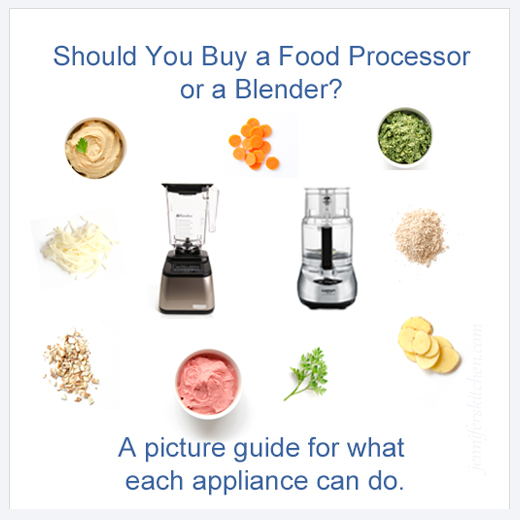
Food processors chop vegetables into small pieces. They can slice fruits and cut nuts. They also mix dough for bread or cookies. Some models shred cheese or carrots. You can puree soups or sauces smoothly. The machine works fast and evenly.
Common Attachments
Most food processors include a chopping blade. Some have slicing discs for thin cuts. Grating discs shred cheese and vegetables. Dough blades help mix and knead dough. Whisk attachments beat eggs and cream. Bowls come in various sizes for different tasks.
Ideal Uses
Use a food processor to prepare salads quickly. It works well for making dips and spreads. It can chop herbs or garlic finely. Dough mixing is easier with this tool. It also helps in making pie crusts and pastries. The processor handles tough ingredients efficiently.
Blender Essentials
A blender is a common kitchen tool for many tasks. It uses fast-spinning blades to mix and chop food quickly. Blenders are helpful for making smooth liquids and purees. They work well with fruits, vegetables, and ice.
Understanding the basics of blenders helps you choose the right one. Each blender has special features and uses. Knowing these can improve your cooking and save time.
Core Features
Blenders have a few key parts. A powerful motor turns the blades inside a container. The container holds food or liquids to be blended. Most containers are made of plastic or glass. Controls let you choose the speed or preset programs. Some blenders have pulse options for short bursts of power. Safety locks keep the blender from running if not assembled correctly.
Types Of Blenders
There are different kinds of blenders for various needs. Countertop blenders are the most common type. They handle larger amounts of food and have multiple speeds. Personal blenders are smaller and ideal for single servings. Immersion blenders are handheld and blend food right in the pot or bowl. High-speed blenders offer more power and can crush ice and nuts easily.
Typical Applications
Blenders are great for smoothies and milkshakes. They quickly mix fruits, yogurt, and ice into smooth drinks. Soups and sauces also benefit from blender use. They create creamy textures without lumps. Some use blenders to crush ice for cold drinks. Blenders can even chop soft vegetables or make baby food. They are less useful for heavy dough or hard chopping tasks.
Performance Comparison
Understanding the performance of food processors and blenders helps you pick the right kitchen tool. Both appliances serve different purposes but sometimes overlap. Knowing their strengths clarifies which one suits your cooking style best.
Speed And Power
Blenders typically run at higher speeds than food processors. They use powerful motors to crush ice and blend liquids quickly. Food processors operate at lower speeds but have more torque. This helps them chop and knead tougher ingredients without overheating.
Texture And Consistency
Blenders create smooth and creamy textures ideal for soups and smoothies. Food processors offer more control for chopping, shredding, and slicing. They deliver chunkier textures perfect for salads and dough preparation. Each appliance shapes your food in a distinct way.
Capacity Differences
Food processors usually have larger bowls for handling more ingredients. Blenders tend to have smaller containers focused on liquids. The bigger capacity of food processors suits meal prep and bulk tasks better. Blenders work well for quick, single-serve drinks and sauces.
Credit: www.marex.no
Versatility In The Kitchen
Versatility in the kitchen means having tools that handle many tasks. Food processors and blenders are both useful, but they serve different purposes. Knowing their strengths helps you choose the right one for your cooking needs.
Chopping And Slicing
Food processors excel at chopping and slicing vegetables, fruits, and nuts quickly. They use sharp blades and various discs to create even slices or chunks. Blenders cannot chop well because their blades are fixed and designed to spin fast. Food processors save time when preparing salads or meal ingredients.
Pureeing And Blending
Blenders work best for pureeing and blending liquids and soft foods. They create smooth textures for soups, smoothies, and sauces. Food processors can puree, but blenders give a finer, creamier result. Blenders handle liquids better because of their design and sealed containers.
Specialized Tasks
Food processors perform specialized tasks like kneading dough and shredding cheese. They come with attachments made for different functions. Blenders focus more on mixing and emulsifying liquids. Choosing between them depends on what tasks you do most in the kitchen.
Ease Of Use And Cleaning
Ease of use and cleaning are important when choosing between a food processor and a blender. Both tools save time but differ in how simple they are to handle. Understanding these differences helps you pick the right one for your kitchen needs.
Assembly And Operation
Food processors have several parts like blades, discs, and bowls. Putting them together takes a few extra steps. Blenders usually have fewer pieces: a jar, lid, and base. This makes blenders quicker to assemble. Operating a food processor often means using different speed settings for chopping or slicing. Blenders usually have one or two speed options and a pulse button. Both appliances start with a simple button press, but food processors need more attention to set up.
Maintenance Tips
Cleaning a food processor can be tricky due to many parts. Detaching blades and discs for washing is important to avoid damage. Blenders have fewer parts to clean, which saves effort. Both devices often allow parts to go in the dishwasher. Wiping the base with a damp cloth keeps it clean. Regular cleaning stops food smells and stains. Dry all pieces before storing to prevent rust or mold.
Storage Considerations
Food processors take more space because of their larger bowls and accessories. Some models come with storage boxes for blades and discs to keep them safe. Blenders are usually smaller and easier to fit in kitchen cabinets. Cord length and shape affect where you can store these appliances. Keeping all parts together helps avoid losing small pieces. Choose a spot that is dry and easy to reach for daily use.
Price And Value
Price plays a big role in choosing between a food processor and a blender. Each appliance offers different value based on cost, quality, and how long it lasts. Understanding these factors helps buyers pick the right tool for their kitchen needs.
Cost Range
Food processors usually cost more than blenders. Basic blenders start around $30. High-end blenders can go over $500. Food processors often start near $50 and reach $600 or more. Prices depend on brand, size, and features.
Durability And Warranty
Food processors have sturdy parts for tough jobs. They often last longer with proper care. Blenders can wear out faster if used for thick mixtures. Many brands offer warranties from one to five years. Longer warranties show confidence in product quality.
Long-term Investment
Buying a food processor may save money on kitchen tasks. It handles chopping, slicing, and mixing in one device. Blenders excel at smoothies and liquids but have fewer functions. Choose the appliance that fits your cooking style best.
Choosing Based On Lifestyle
Choosing a food processor or blender depends a lot on your lifestyle. Think about how you cook, the space you have, and your budget. These factors help you pick the right tool for your kitchen. Each appliance has its strengths. Picking one that fits your daily needs saves time and effort.
Cooking Habits
Your cooking style affects which appliance suits you best. If you prepare many meals with fresh vegetables, a food processor is handy. It chops, slices, and grates quickly. For smoothies, soups, or sauces, a blender works well. Blenders are good at making liquids smooth. Choose based on the types of meals you cook most often.
Space Availability
Kitchen size matters when choosing between a blender and a food processor. Food processors tend to be larger and heavier. Blenders usually take up less counter space. Small kitchens benefit from compact appliances. Measure your available space before buying. Pick a model that fits comfortably and stores easily.
Budget Constraints
Price is a key factor in your decision. Food processors often cost more than blenders. Basic blenders can be affordable and still effective. More advanced food processors add features but raise the price. Set a budget before shopping. Find an appliance that meets needs without overspending.

Credit: nutritionrefined.com
Top Picks And Recommendations
Choosing the right kitchen tool saves time and effort. Food processors and blenders serve different purposes. Knowing the best options helps you pick the right one for your needs. Here are top picks and recommendations for food processors, blenders, and combination models.
Best Food Processors
Food processors handle chopping, slicing, and dough making well. The Cuisinart DFP-14BCNY offers a powerful motor and large capacity. It works fast for big batches. The Hamilton Beach 10-Cup model is great for small kitchens. It is easy to use and clean. Both models come with multiple blades for various tasks.
Best Blenders
Blenders excel at smoothies, soups, and purees. The Ninja Professional Blender blends tough ingredients smoothly. It has a strong motor and large pitcher. The NutriBullet Pro is compact and perfect for single servings. It blends fruits and vegetables quickly. These blenders are easy to operate and clean.
Combination Models
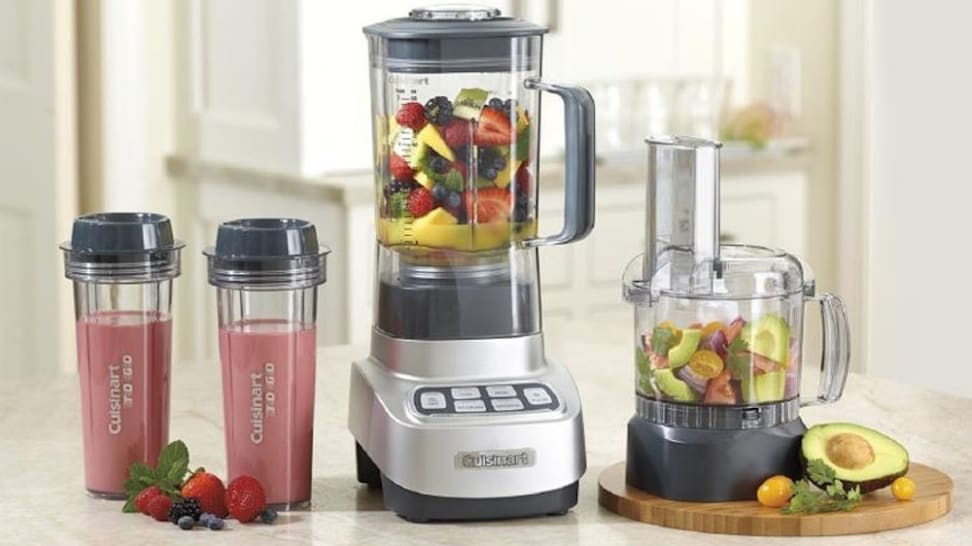
Combination models offer both blending and processing functions. The Ninja Foodi Power Blender has multiple attachments. It can chop, blend, and crush ice. The Breville BFP800XL provides precise control with variable speeds. It is versatile for many recipes. These models save space and money by doing two jobs.
Credit: www.reviewed.com
Frequently Asked Questions
What Is The Main Difference Between A Food Processor And Blender?
A food processor chops, slices, and mixes solid foods. A blender liquefies and purees ingredients, mainly liquids. Food processors handle thicker, chunkier textures. Blenders focus on smooth, liquid blends like smoothies and soups.
Can A Blender Replace A Food Processor?
A blender cannot fully replace a food processor. Blenders excel at liquids but struggle with thick dough or chunky chopping. Food processors offer versatile cutting, shredding, and kneading functions that blenders lack.
Which Appliance Is Better For Making Dough?
A food processor is better for making dough. It has dough blades and powerful motors for kneading. Blenders are not designed for thick, heavy dough and may damage the motor.
Are Food Processors Good For Smoothies?
Food processors can make smoothies but are less efficient. Blenders create smoother, creamier textures ideal for drinks. Food processors work best for chunky or coarse blends, not liquid-heavy smoothies.
Conclusion
Choosing between a food processor and a blender depends on your cooking needs. A food processor handles chopping, slicing, and mixing well. A blender works best for liquids and smooth textures. Both appliances save time and effort in the kitchen.
Think about what dishes you make often. This helps pick the right tool. Using the right machine makes cooking easier and more fun. Keep these differences in mind when buying kitchen gadgets. Simple steps lead to better meals every day.