Last Updated on September 26, 2026
Are you wondering how to puree food quickly and easily? Whether you’re preparing meals for a baby, someone with swallowing difficulties, or just want to create smooth sauces, mastering the art of pureeing can make a big difference.
You’ll discover simple steps and handy tips that will help you turn any food into a perfect, creamy texture. Keep reading, and you’ll learn how to make pureeing a breeze every time.
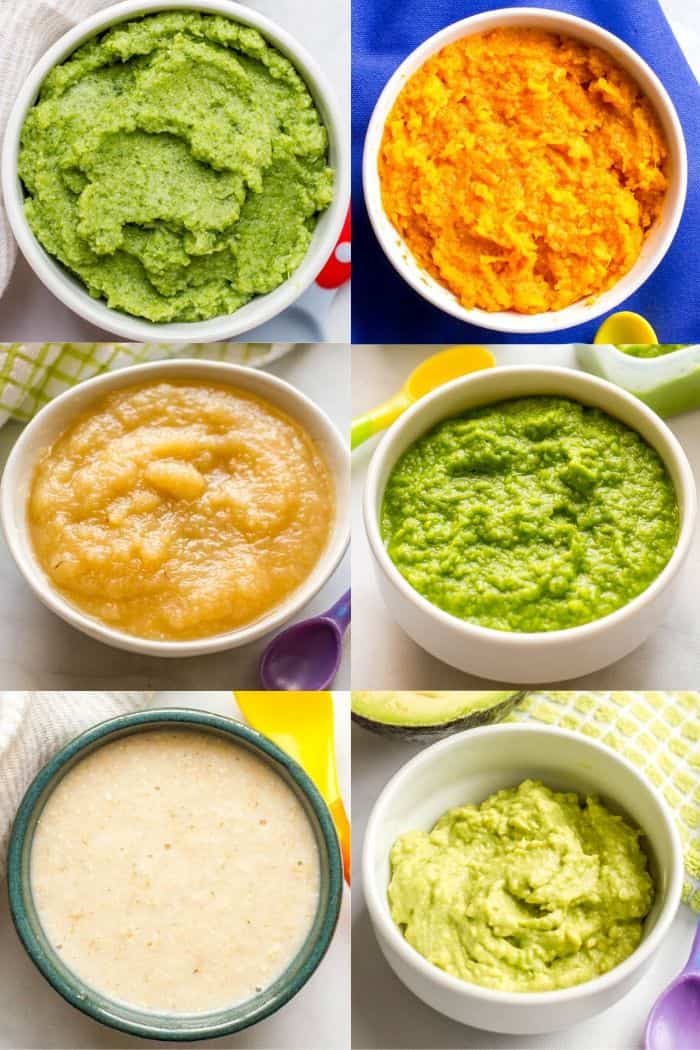
Credit: www.familyfoodonthetable.com
Choosing The Right Ingredients
Choosing the right ingredients is key to making smooth, tasty purees. The texture and flavor depend on what you select. Freshness matters a lot. Pick ingredients that are ripe and ready to use. Fresh foods blend better and taste sweeter. Some foods are easier to puree than others.
Best Foods For Pureeing
Soft fruits like bananas, peaches, and berries puree very well. Cooked vegetables such as carrots, peas, and sweet potatoes are also great. These foods break down easily and create smooth textures. Avoid tough or fibrous foods. Hard raw vegetables can be gritty and hard to blend. Use tender, ripe, or cooked ingredients for the best results.
Preparing Ingredients Properly
Wash all fruits and vegetables thoroughly before use. Peel skins that are thick or bitter to improve texture. Cut ingredients into small, even pieces to help blending. Cook harder vegetables until soft before pureeing. Remove seeds or pits from fruits to avoid lumps. Proper prep ensures a smooth, creamy puree every time.
Tools For Perfect Puree
Pureeing food requires the right tools to get a smooth, creamy texture. The choice of tool depends on the type of food and the texture you want. Using the right device saves time and effort. Here are the best tools for perfect puree.
Blenders And Food Processors
Blenders and food processors are common tools for pureeing. They work well for fruits, vegetables, and cooked foods. Blenders create very smooth purees quickly. Food processors handle thicker mixtures with ease. Pulse settings help control the texture. Clean-up is usually easy with both.
Handheld Immersion Blenders
Handheld immersion blenders are small and easy to use. They fit directly into pots or bowls. This tool is perfect for hot soups or sauces. It offers good control over puree thickness. Immersion blenders are simple to clean and store. They work well for small to medium batches.
Alternative Tools
Other tools can puree food too. A potato masher works for softer foods but leaves some texture. A sieve or food mill creates very fine purees. These tools take more time and effort. They are helpful if you don’t have electric devices. Choose based on your food and patience level.
Step-by-step Pureeing Process
Pureeing food is simple when done step-by-step. It changes solid ingredients into smooth, soft textures. This process is great for baby food, soups, sauces, and more. Follow these clear steps to make perfect purees every time.
Cooking Ingredients For Softness
Start by cooking ingredients until very soft. Boiling, steaming, or roasting works well. Soft food blends easier and creates a smooth texture. Avoid overcooking to keep flavor and nutrients. Test softness with a fork; it should mash easily.
Blending Techniques
Choose a blender, food processor, or hand blender. Add cooked ingredients in small batches. Start blending at low speed, then increase gradually. Stop and scrape sides to blend evenly. Add liquid like water or broth to help blend.
Adjusting Texture And Consistency
Check the puree’s thickness after blending. Add more liquid for thinner, smoother texture. For thicker purees, blend less or add less liquid. Taste and adjust seasoning if needed. Aim for a creamy, even consistency with no lumps.
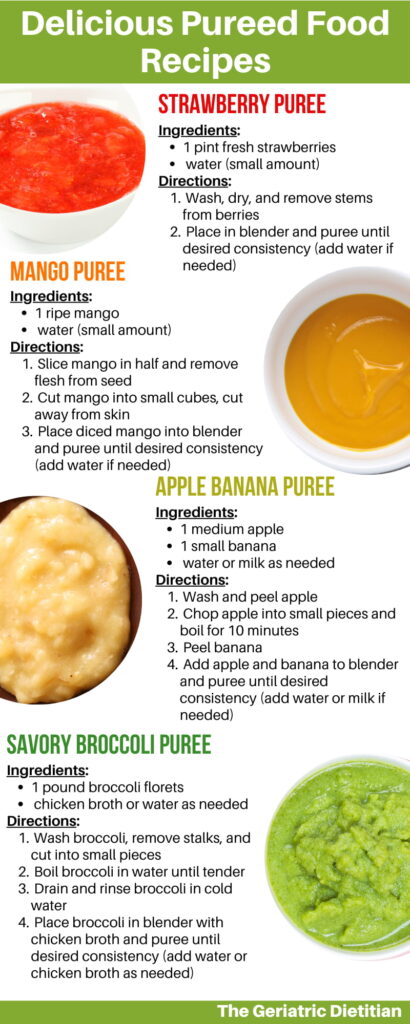
Credit: thegeriatricdietitian.com
Tips For Smooth Purees
Creating a smooth puree requires some simple techniques. Following these tips will help you get a creamy and even texture every time. Small details can make a big difference in the final result.
Adding Liquids Gradually
Start by adding small amounts of liquid to your food. Use water, broth, or milk depending on the recipe. Adding liquid slowly prevents the puree from becoming too thin. It also helps control the texture better. Blend a little, then add more if needed.
Straining For Extra Smoothness
After blending, push the puree through a fine sieve or cheesecloth. This step removes any lumps or fibers that might remain. Straining creates a silky texture, especially for baby food or soups. Use a spoon to press the puree through the sieve gently.
Avoiding Common Mistakes
Do not overfill the blender or food processor. Overfilling can cause uneven blending. Avoid adding too much liquid at once. Too much liquid makes the puree watery. Blend in small batches for the best results. Stop and scrape the sides often to blend everything evenly.
Using And Storing Pureed Food
Pureed food is soft and smooth, making it easy to eat and digest. Using and storing pureed food correctly keeps it fresh and tasty. It also helps avoid waste and saves time. Below are some tips on serving, storing, and reheating pureed food effectively.
Serving Suggestions
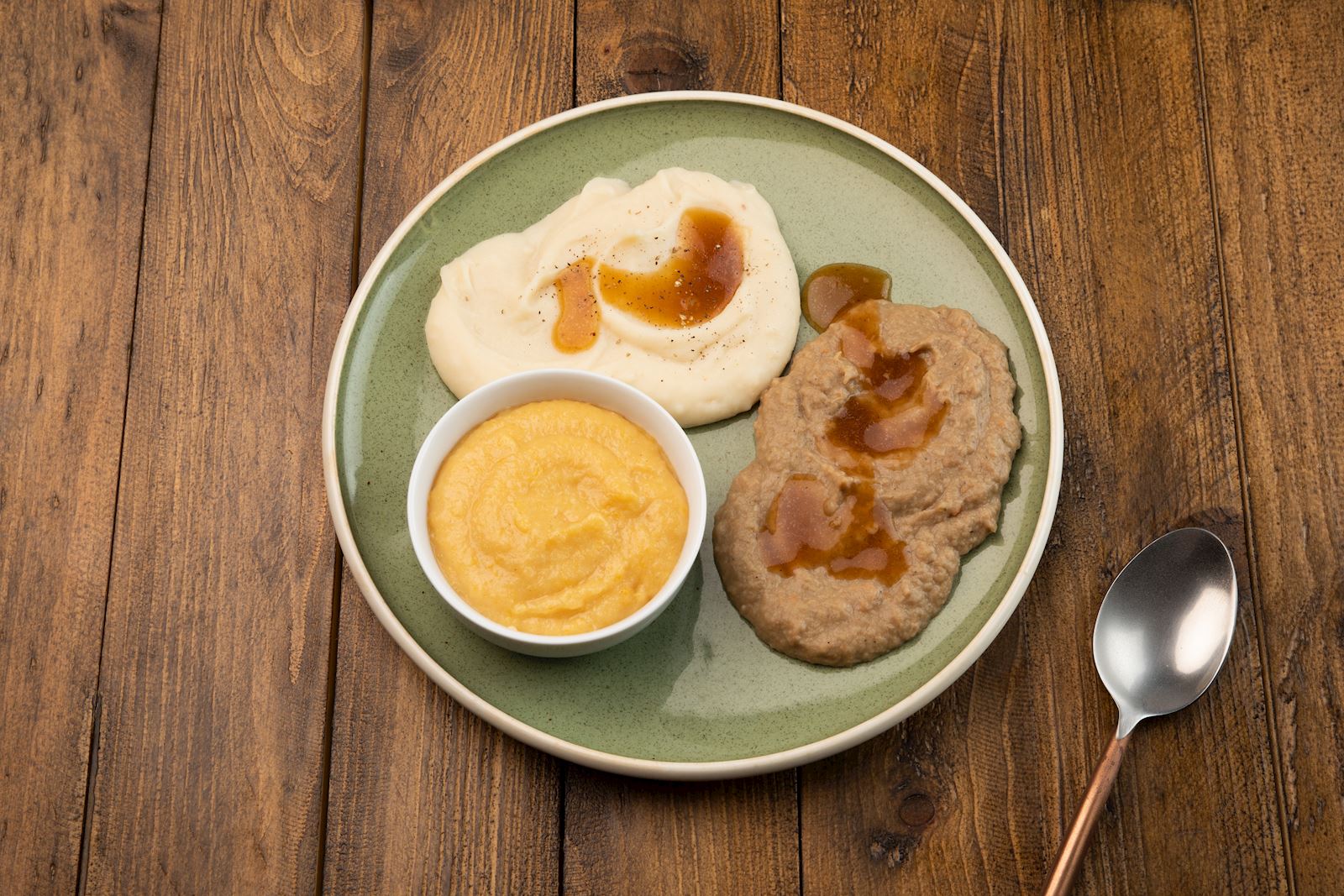
Pureed food can be served in many ways. Use small bowls or plates to keep portions manageable. Add a little broth or sauce to change texture and flavor. Serve purees warm, but not hot, for the best taste. Garnish with herbs or a drizzle of olive oil for extra appeal. Offer pureed food with soft sides like bread or mashed potatoes.
Storage Methods And Shelf Life
Store pureed food in airtight containers to keep it fresh. Use glass or BPA-free plastic containers with tight lids. Label containers with the date to track freshness. Refrigerate purees for up to 3 days only. For longer storage, freeze pureed food in small portions. Use freezer-safe bags or trays to avoid freezer burn. Most frozen purees last about 1 to 3 months.
Reheating Tips
Reheat pureed food gently to keep texture smooth. Use a microwave or stovetop on low heat. Stir often to avoid hot spots and burning. Add a small amount of water or broth if the puree is too thick. Check temperature before serving to avoid burns. Do not reheat pureed food more than once. Always discard leftovers that have been reheated already.
Credit: www.momsmeals.com
Frequently Asked Questions
What Equipment Is Best For Pureeing Food At Home?
A blender or food processor is ideal for pureeing food. They create smooth textures quickly. For small amounts, an immersion blender works well. Choose equipment based on quantity and texture preference.
How Do You Puree Food Safely For Babies?
Cook food until soft before pureeing to ensure safety. Avoid adding salt or sugar. Use clean utensils and equipment. Puree to a smooth, lump-free consistency. Always test temperature before feeding your baby.
Can You Puree Frozen Foods Directly?
It’s best to thaw frozen foods before pureeing. Thawing softens the food, making it easier to blend smoothly. Pureeing frozen items can strain your equipment and yield uneven textures.
What Liquids Are Ideal For Thinning Purees?
Use water, broth, or milk to thin purees. Add liquids gradually to reach desired consistency. Avoid using oils or heavy creams for baby purees. Liquids help achieve smoothness without altering taste significantly.
Conclusion
Pureeing food is simple with the right tools and steps. Start by cooking ingredients until soft. Use a blender, food processor, or hand masher to puree. Add liquids slowly for the right texture. Taste and adjust seasoning as needed. Pureed food suits babies, the elderly, and those with swallowing difficulties.
Practice makes perfect, so try different foods and methods. Enjoy smooth, delicious meals made your way.