Last Updated on September 26, 2026
Are you confused about whether to choose a food chopper or a food processor for your kitchen? You’re not alone.
Both tools promise to make your cooking faster and easier, but they work in very different ways. Knowing which one fits your needs can save you time, money, and frustration. Keep reading, and by the end, you’ll clearly understand how each works and which one will be your perfect kitchen companion.
Your cooking routine is about to get a whole lot simpler.
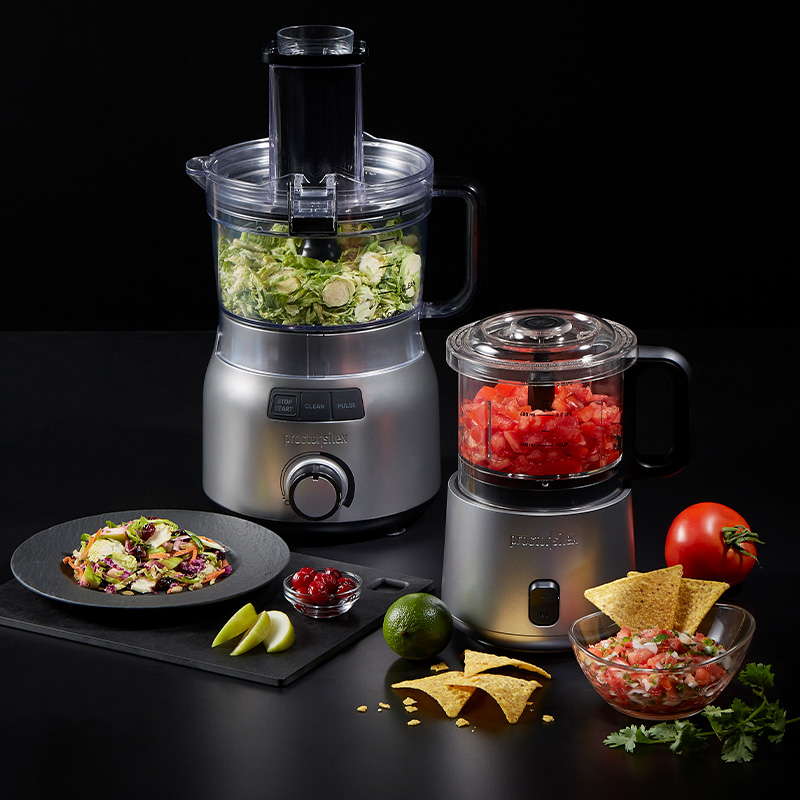
Credit: www.proctorsilex.com
Key Features Compared
Understanding the key features of food choppers and food processors helps you pick the best kitchen tool. These appliances serve similar purposes but differ in design and performance. Comparing size, blade types, and power clarifies their strengths. This guide breaks down these aspects clearly.
Size And Capacity
Food choppers are compact and fit small kitchens. They usually hold 2 to 4 cups of food. Ideal for small tasks like chopping herbs or nuts. Food processors are larger with bowls from 7 to 14 cups. Great for bigger jobs like mixing dough or shredding vegetables. Size affects storage and the amount you can prepare at once.
Blade Types And Functions
Food choppers use simple, fixed blades. These blades chop food into small pieces quickly. Limited to basic chopping and mincing. Food processors have various blades and discs. They slice, shred, dice, and knead dough too. Versatile tools for many cooking needs. Blade variety makes processors more flexible in the kitchen.
Power And Speed Settings
Food choppers have lower power motors, around 200-400 watts. They run at one or two speeds. Suitable for light tasks with soft foods. Food processors offer higher power, often 600 watts or more. Multiple speed settings and pulse options. This control helps handle tough ingredients and precise textures. More power means faster and smoother processing.
Common Uses
Food choppers and food processors help in many kitchen tasks. Both save time and effort. They make cooking easier and faster. Understanding their common uses helps choose the right tool.
Chopping And Mincing
Food choppers are great for quick chopping. They work well with vegetables and nuts. Food processors handle large amounts of food. They mince meat and herbs evenly. Both tools speed up meal prep.
Mixing And Blending
Food processors mix ingredients smoothly. They blend soups, sauces, and dips easily. Food choppers can blend small batches. They are good for simple tasks. Use the processor for thicker mixtures.
Dough Kneading And Slicing
Food processors can knead dough quickly. They save effort in bread and pastry making. Food choppers do not knead dough. Processors also slice fruits and vegetables. Choppers focus on chopping tasks only.
Ease Of Use And Maintenance
Ease of use and maintenance play a big role in choosing between a food chopper and a food processor. These tools help prepare meals faster, but their daily handling matters a lot. A simple device saves time and effort, making cooking more enjoyable. Maintenance also affects how long the tool lasts and stays clean in the kitchen.
Assembly And Operation
Food choppers usually have fewer parts. This makes them quick to put together and easy to start. Most models work with a simple pull or push mechanism. Food processors come with more pieces. They need to be assembled carefully before use. Learning to operate a food processor can take a little time. Buttons and settings control different speeds and functions. Beginners might find choppers simpler and faster for small tasks.
Cleaning And Storage
Cleaning food choppers is fast because of their small size. Most parts can be rinsed or placed in a dishwasher. Food processors have many blades and attachments. These parts need careful washing to avoid damage. Some food processors have dishwasher-safe parts, but manual cleaning is often needed. Storage space is another factor. Food choppers are compact and fit easily in cabinets. Food processors require more room due to their size and accessories. Choosing a tool with easy cleaning and storage keeps your kitchen tidy.
Cost And Value
Choosing between a food chopper and a food processor often depends on cost and value. Both tools help in the kitchen but vary in price and features. Understanding these differences can help you pick the right one for your needs and budget.
Price Range
Food choppers are usually less expensive. They cost between $15 and $50. These are small and simple devices. Food processors cost more. Their price ranges from $50 to over $300. They offer more power and features. The price depends on size, brand, and functions. A food chopper is good for basic chopping. Food processors suit those who want more tasks done.
Durability And Warranty
Food processors tend to be more durable. They are built with stronger motors and parts. Many brands offer warranties from one to three years. Food choppers are less durable but easier to replace. Their warranties are usually shorter, around six months to one year. Investing in a food processor may save money long-term. It handles frequent and tough use better. Choose based on how often and hard you plan to use it.
Which One Fits Your Kitchen?
Choosing between a food chopper and a food processor depends on your kitchen space and cooking habits. Both tools help with food preparation but serve different purposes. Understanding your needs helps pick the right one.
Small Kitchen Needs
Space is tight in small kitchens. A food chopper is compact and easy to store. It takes less room on the counter. This tool handles basic chopping and dicing well. Perfect for quick tasks without clutter.
Frequent Cooking And Meal Prep
Cooking often means more chopping and mixing. A food processor offers more power and options. It can chop, slice, shred, and knead dough. This saves time and effort for meal prep. Ideal for people who cook many meals weekly.
Specialty Cooking Requirements
Some recipes need specific food cuts or textures. A food processor has multiple blades and settings. It can create smooth purees or thin slices easily. Great for baking, sauces, and complex dishes. A chopper may not meet these detailed needs.

Credit: www.acekool.vip

Credit: www.youtube.com
Frequently Asked Questions
What Is The Main Difference Between A Food Chopper And Processor?
A food chopper is compact and ideal for small tasks. A food processor is larger and handles diverse, complex food prep.
Which Appliance Is Better For Chopping Vegetables Quickly?
A food chopper is better for quick vegetable chopping due to its simple, efficient design and smaller size.
Can A Food Processor Replace A Food Chopper Completely?
Yes, a food processor can replace a chopper but is bulkier and more expensive.
Are Food Choppers Easier To Clean Than Food Processors?
Food choppers are easier to clean because of fewer parts and simpler construction.
Conclusion
Choosing between a food chopper and a food processor depends on your needs. Food choppers work well for small tasks like chopping herbs or nuts. Food processors handle bigger jobs like slicing and mixing dough. Both save time and effort in the kitchen.
Think about the types of meals you cook most often. Simple chopping or complex food prep? Either tool can make cooking easier. Pick the one that fits your style and space. Cooking becomes more fun with the right kitchen helper.