Last Updated on September 26, 2026
Cleaning your food processor might seem like a chore, but it doesn’t have to be. If you want your kitchen tool to work perfectly every time and last longer, knowing the right way to clean it is key.
You’ll discover simple steps that save you time and effort, and keep your food processor fresh and ready for your next cooking adventure. Ready to make cleaning quick and easy? Keep reading to find out how you can do it like a pro.
Disassemble The Parts
Disassembling the parts of your food processor is the first step to clean it properly. Taking it apart helps reach every corner and remove hidden food bits. This step makes the cleaning process faster and more effective.
Food processors have different parts that fit together tightly. Separate these parts carefully to avoid damage. Knowing how to disassemble the machine safely is important for a thorough clean.
Remove The Lid And Pusher
Start by lifting the lid off the bowl. The lid often has a feed tube and a pusher. Take out the pusher to clean it separately. These pieces usually come off easily without force.
Detach The Bowl From The Base
Turn the bowl counterclockwise or press the release button to unlock it. Lift the bowl away from the motor base. Avoid pulling too hard to prevent breaking any parts.
Take Out The Blades Carefully
Remove the blades with caution to avoid cuts. Hold the blade by the center hub, not the sharp edges. Lift the blade straight up and place it on a safe surface.
Separate The Accessories
Food processors often come with discs and additional attachments. Remove each disc carefully by lifting or twisting. Wash these smaller parts separately to clean food remains well.

Credit: www.youtube.com
Rinse Removable Components
Rinsing removable components is an important step in cleaning your food processor. It removes leftover food bits and prevents smells. Start by taking off all parts that come apart easily. This includes the bowl, lid, blades, and any attachments.
Rinse each piece under warm water to clear out food particles. Use your hands or a soft cloth to help remove stuck-on bits. Avoid using very hot water as it can damage plastic parts.
Remove Large Food Pieces
Look closely for any large chunks of food. These can block the drain or cause bad smells. Rinse these pieces away gently with water. You can use a soft brush to clean corners and hard-to-reach spots.
Use Mild Soap For Tough Residue
Sometimes, food residue sticks stubbornly to the components. Add a drop of mild dish soap to warm water. Use a sponge or cloth to wash each part carefully. Rinse thoroughly to remove all soap traces.
Handle Blades With Care
Blades are sharp and need careful rinsing. Hold the blade by the center, not the edges. Rinse under running water and wipe with a soft cloth if needed. Never scrub blades with rough materials to avoid dulling them.
Dry Components Properly
After rinsing, dry each piece well. Use a clean towel or air dry on a rack. Make sure parts are completely dry before reassembling. This prevents mold and keeps your food processor fresh.
Soak In Warm Soapy Water
Soaking your food processor parts in warm soapy water is a simple step. It loosens stuck food bits and grease. This method saves time and effort when cleaning.
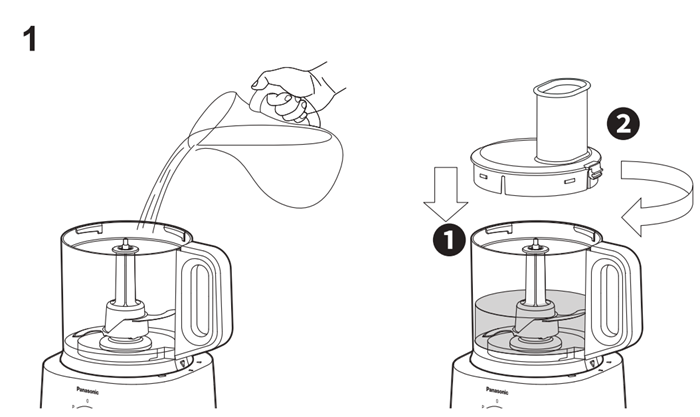
Fill a large bowl or the sink with warm water. Add a few drops of mild dish soap. Mix the water until it is sudsy and ready.
Remove all detachable parts from the food processor. Place the blades, bowl, and lid in the soapy water. Let them soak for 10 to 15 minutes. This softens dried food and makes scrubbing easier.
Choosing The Right Soap
Select a gentle dish soap that cuts grease well. Avoid harsh chemicals that can damage plastic parts. A mild soap keeps your food processor safe and clean.
Water Temperature Tips
Use warm water, not hot or boiling. Hot water can warp plastic pieces. Warm water loosens grime without harming parts.
How Long To Soak
Soak for about 10 to 15 minutes. This time is enough to break down food residue. Do not soak too long to avoid damage.
Handling Blades Safely
Be careful with sharp blades when soaking and cleaning. Use a brush or sponge to avoid cuts. Handle blades gently to keep them sharp.
Clean The Blades Carefully
Cleaning the blades of your food processor is very important. The blades do the hard work, so they get dirty fast. Cleaning them carefully keeps them sharp and safe to use. It also stops old food from mixing with fresh ingredients. Follow these simple steps to clean the blades well and keep your processor in top shape.
Unplug And Remove The Blades
Always unplug the food processor before cleaning. This prevents accidents. Take out the blade carefully by holding the center part. Avoid touching the sharp edges directly. Use a cloth or gloves for better grip and safety.
Soak The Blades In Warm Soapy Water
Fill a bowl with warm water and dish soap. Soak the blades for 10 to 15 minutes. This loosens stuck food and grease. Do not use hot water as it can dull the blades.
Use A Soft Brush To Clean
Gently scrub the blades using a soft brush. A toothbrush works well. Clean around the edges and hard-to-reach spots. Avoid using abrasive pads that can scratch the metal.
Rinse And Dry Thoroughly
Rinse the blades under running water to remove soap. Dry them completely with a clean towel. Leaving blades wet can cause rust. Store blades in a dry place to keep them sharp.
Wipe The Base Unit
The base unit of your food processor holds the motor and controls. It should never be submerged in water. Dirt and spills can build up on the surface, making it look dirty and possibly affecting performance. Regular cleaning keeps it safe and working well.
Cleaning the base unit is simple. A quick wipe removes dust, food particles, and stains. This step prevents bad smells and sticky spots. It also helps the buttons and dials stay clean and easy to use.
Unplug The Food Processor
Always unplug the base before cleaning. This stops any chance of electric shock. Safety is the first step in cleaning any kitchen appliance.
Use A Damp Cloth
Moisten a soft cloth with warm water. Wring it out well to avoid drips. Gently wipe the entire base unit surface. Focus on areas with visible dirt or spills.
Avoid Harsh Chemicals
Do not use strong cleaners or abrasive pads. These can damage the surface and buttons. Mild soap or a gentle dish detergent works best.
Dry The Base Unit
After wiping, use a dry cloth to remove moisture. This keeps water from entering the motor area. Let it air dry completely before next use.
Use A Brush For Crevices
Cleaning a food processor well means reaching every corner. Small crevices hold bits of food and germs. Using a brush helps clean these hidden areas. It removes stuck particles that a cloth or sponge can’t reach. This step keeps the processor fresh and safe for your next meal.
Choose The Right Brush
Pick a brush with soft but firm bristles. A small brush works best for tight spots. Toothbrushes or specialty kitchen brushes are ideal. Avoid brushes with hard bristles that can scratch the surface.
Focus On Blades And Seals
Brush around blades carefully to clear food crumbs. Clean the seals where the bowl meets the lid. These spots trap moisture and food residue easily. Gentle brushing prevents damage to delicate parts.
Use Warm Soapy Water
Dip the brush in warm, soapy water for better cleaning. Soap breaks down grease and food particles. Rinse the brush often to keep it clean. This keeps the crevices free from buildup.
Dry Thoroughly After Cleaning
After brushing, dry all parts well with a cloth. Moisture left in crevices can cause mold or rust. Air drying in a clean space works too. Ensure every corner is dry before reassembling.
Dry All Parts Thoroughly
Drying all parts of your food processor after washing is very important. Water left on the parts can cause rust or mold. It can also make the machine smell bad. Taking the time to dry each piece well keeps your food processor safe and clean for the next use.
Use a clean towel or air dry the parts completely. Avoid putting the parts back together if they are still wet. This simple step helps your food processor last longer and work better every time.
Use A Clean, Dry Towel
Choose a soft, clean towel to dry each part. Wipe every corner and crevice carefully. This removes moisture that can hide in small spaces. A dry towel also stops water spots from forming.
Air Dry For Best Results
Place the parts on a drying rack or clean surface. Let them air dry fully before storing or reassembling. Air drying helps remove hidden moisture that towels might miss. It is a natural way to keep parts dry and fresh.
Check For Hidden Moisture
Look carefully at blades and lids for water drops. Use a towel or cloth to wipe any wet spots. Even small amounts of moisture can cause damage over time. Make sure every part feels dry before putting it away.
Reassemble And Store Properly
After cleaning your food processor, it is important to reassemble and store it properly. This keeps the parts safe and ready for the next use. Proper storage also helps the appliance last longer and stay clean.
Check All Parts Before Reassembling
Make sure every piece is dry before putting it back together. Wet parts can cause mold or rust. Look for cracks or damage on blades and containers. Replace any broken parts to keep the processor working well.
Assemble Carefully And Securely
Fit each part into its correct place gently. Do not force pieces together. The blades should lock in safely. The lid and bowl must align and snap shut. Proper assembly avoids leaks and ensures safety.
Choose The Right Storage Spot
Store your food processor in a dry, cool place. Avoid spots near heat or moisture. Keep it away from direct sunlight. This prevents damage and keeps the appliance clean for longer.
Store Accessories Neatly
Keep blades and small parts in a safe container. Avoid loose pieces that can get lost or damaged. Organize all accessories together for easy access. This saves time when you need to use the processor again.
Tips For Maintaining Cleanliness
Keeping your food processor clean helps it last longer. It also keeps your food safe and tasty. Simple habits make cleaning easier and faster every time you use the machine.
Follow these easy tips to keep your food processor fresh and spotless. A clean processor works better and looks good too.
Separate Parts Immediately After Use
Take apart the blade, bowl, and lid right after cooking. This stops food from drying and sticking. It makes washing parts much easier and quicker.
Use Warm Soapy Water For Washing
Wash all removable parts with warm water and mild soap. Avoid strong detergents that can damage the plastic. Use a soft sponge to clean safely without scratching.
Clean The Base With A Damp Cloth
Never soak the motor base in water. Wipe it gently with a damp cloth. Remove any food splashes or spills to keep it neat and working well.
Dry Parts Thoroughly Before Reassembling
Dry each part completely before putting the processor back together. Wet parts can cause mold and bad smells. Use a clean towel or air dry on a rack.
Sharpen Or Replace Blades Regularly
Dull blades cut poorly and trap food particles. Check blades often and sharpen or replace them as needed. Sharp blades help keep the processor cleaner and safer.
Store In A Dry, Dust-free Place
Store your food processor covered or inside a cabinet. Dust and moisture can damage parts or cause rust. A clean storage spot keeps the machine ready for use.

Credit: dianesfoodblog.com
Avoiding Common Cleaning Mistakes
Cleaning a food processor is simple, but many make common mistakes. These errors can damage the appliance or leave it dirty. Avoiding these mistakes saves time and keeps your food processor safe.
Not Unplugging The Food Processor
Always unplug the food processor before cleaning. It stops any risk of electric shock. Also, it prevents the blades from turning accidentally. Safety first.
Ignoring The Blades’ Sharpness
Blades are very sharp and can cut skin easily. Use a brush or cloth to clean them carefully. Avoid touching blades directly with your hands.
Using Harsh Cleaners Or Scrubbers
Harsh chemicals and rough scrubbers can damage parts. Use mild dish soap and soft sponges. This keeps your food processor looking new longer.
Not Disassembling Properly
Take apart all removable pieces before washing. Food can hide in small parts and cause bad smells. Clean every piece well to avoid bacteria.
Soaking The Motor Base
Never soak the motor base in water. It can ruin the motor. Clean it only with a damp cloth to remove dirt and spills.
Credit: help.na.panasonic.com
Frequently Asked Questions
How Often Should I Clean My Food Processor?
Clean your food processor after every use to prevent residue buildup. Regular cleaning maintains hygiene and prolongs the appliance’s lifespan.
Can I Put Food Processor Parts In The Dishwasher?
Most detachable parts are dishwasher-safe, but always check the manufacturer’s instructions. Hand wash the motor base to avoid damage.
What Is The Best Way To Clean Stuck-on Food?
Soak removable parts in warm, soapy water for 10-15 minutes. Use a soft brush to gently remove stuck food without scratching.
How Do I Clean The Food Processor Blade Safely?
Handle blades carefully to avoid cuts. Use a brush or cloth with soap and water, then dry thoroughly before reassembling.
Conclusion
Cleaning your food processor keeps it safe and working well. Always unplug before cleaning to stay safe. Wash all parts with warm, soapy water. Use a brush to reach small spots. Dry parts fully to avoid rust. Regular cleaning stops food smells and buildup.
A clean processor makes cooking easier and faster. Take a few minutes after each use. Your kitchen tool will last longer and stay fresh. Simple steps, better results.