Last Updated on June 6, 2026
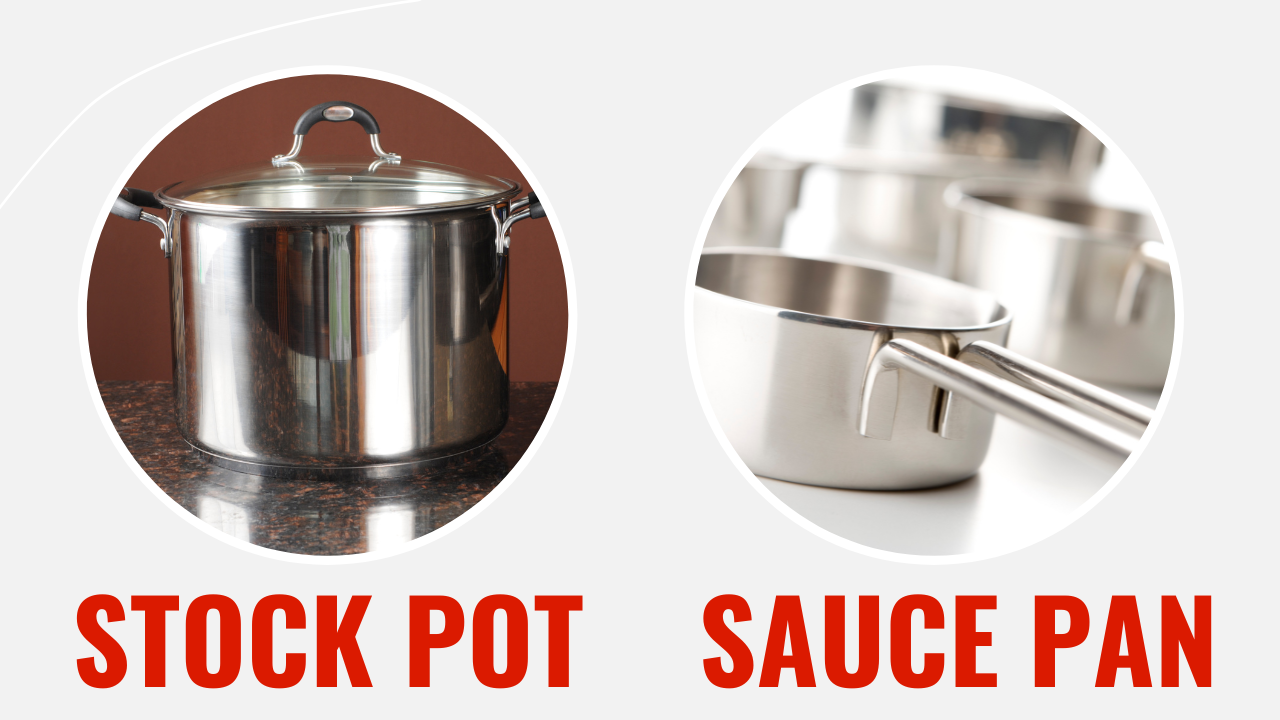
A stock pot is larger and taller, ideal for making soups and broths. A saucepan is smaller, perfect for sauces and small dishes.
Choosing the right cookware can make a significant difference in your culinary endeavors. Stock pots and saucepans serve distinct purposes in the kitchen. Stock pots are typically large, with tall sides, designed to hold substantial volumes of liquid. They are perfect for making soups, stews, and broths.
Saucepans, on the other hand, are smaller with shorter sides, making them ideal for cooking sauces, boiling eggs, or reheating leftovers. Understanding these differences helps you select the right tool for your cooking needs, ensuring better results and a more efficient kitchen experience.
Introduction To Kitchen Essentials
Every kitchen needs the right tools to prepare delicious meals. Pots and pans are among the most essential kitchen tools. Understanding their differences can help you cook better and more efficiently.
The Role Of Pots And Pans
Pots and pans serve different purposes in cooking. A stock pot is large and deep. It is perfect for making soups, stews, and boiling pasta. A saucepan is smaller and often used for sauces and reheating food.
The shape and size of these cookware items affect their use. A stock pot’s depth allows it to hold more liquid. This makes it ideal for long-simmering recipes. On the other hand, a saucepan’s smaller size makes it easier to handle. It is great for quick tasks like melting butter or heating milk.
Choosing The Right Cookware
Choosing the right cookware can make cooking easier. Here are some tips to help you decide:
- Consider the type of dishes you cook often.
- Think about the quantity of food you usually prepare.
- Look for durable materials like stainless steel.
- Check if the cookware is suitable for your stove type.
- Make sure it is easy to clean.
Here is a simple table to compare a stock pot and a saucepan:
| Feature | Stock Pot | Saucepan |
|---|---|---|
| Size | Large and deep | Small to medium |
| Best for | Soups, stews, boiling pasta | Sauces, reheating food |
| Material | Stainless steel, aluminum | Stainless steel, non-stick |
| Handle type | Sturdy, often two handles | Single long handle |
Credit: www.culinarydepotinc.com
Stock Pot Essentials
The stock pot is a staple in every kitchen. It’s perfect for cooking large batches of food. Understanding its essentials will help you use it effectively.
Design And Functionality
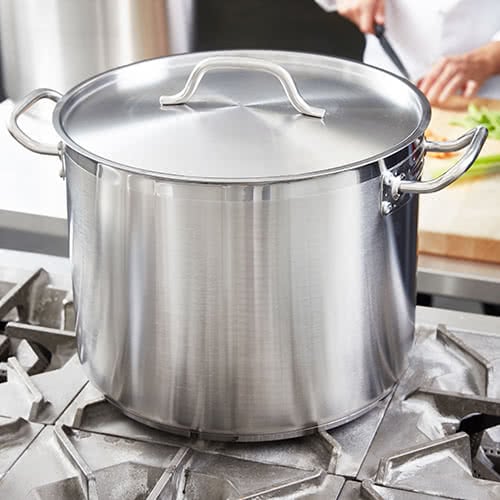
A stock pot has a tall, cylindrical shape. Its high sides help retain heat and moisture. This design is ideal for simmering liquids.
| Feature | Description |
|---|---|
| Material | Usually made of stainless steel or aluminum |
| Capacity | Ranges from 6 to 20 quarts |
| Handles | Two sturdy side handles for easy lifting |
| Lid | Tight-fitting lid to lock in moisture |
Stock pots often feature a thick bottom. This ensures even heat distribution.
Common Uses In The Kitchen
Stock pots are versatile. They are perfect for cooking large quantities. Here are some common uses:
- Making stocks and broths: Ideal for simmering bones and vegetables.
- Cooking pasta: The large capacity is great for boiling pasta.
- Steaming vegetables: Use a steamer insert for this purpose.
- Preparing soups: Perfect for large batches of soup.
- Boiling seafood: Great for crab, lobster, or shrimp boils.
These uses showcase the stock pot’s versatility. It can handle various cooking tasks with ease.
Saucepan Secrets
The saucepan is a kitchen essential. It’s a versatile tool for many recipes. Whether boiling, simmering, or frying, the saucepan handles it all. Let’s dive into the secrets of this amazing cookware.
Key Features
Saucepans come in various sizes and materials. They often have a long handle and a lid. The deep sides help contain liquids, while the flat bottom ensures even heating.
| Feature | Benefit |
|---|---|
| Long Handle | Easy to grip and move |
| Deep Sides | Holds more liquid |
| Flat Bottom | Distributes heat evenly |
| Lid | Traps heat and moisture |
Versatility In Cooking
Saucepans are perfect for boiling pasta or simmering sauces. They are also great for making soups and stews. The lid helps retain flavors and moisture.
- Boil pasta, rice, and vegetables
- Simmer sauces and soups
- Fry small portions
Thanks to their design and materials, they can handle high heat. This makes them ideal for searing meats and other high-heat tasks.
In short, the saucepan is a true kitchen hero. It makes cooking easier and more enjoyable.
Credit: www.webstaurantstore.com
Comparing Sizes And Capacities
Understanding the differences between a stock pot and a saucepan involves examining their sizes and capacities. Both kitchen tools serve unique purposes, but their volume and impact on cooking methods set them apart.
Volume Comparisons
The stock pot typically has a larger volume. It often ranges from 8 to 20 quarts. This makes it ideal for cooking large batches of soups, stews, and broths.
In contrast, a saucepan usually holds between 1 to 4 quarts. This size is perfect for making sauces, boiling eggs, or preparing small portions.
| Cookware | Typical Volume | Best Uses |
|---|---|---|
| Stock Pot | 8-20 quarts | Soups, Stews, Broths |
| Saucepan | 1-4 quarts | Sauces, Boiling Eggs, Small Portions |
Impact On Cooking Methods
The size of a stock pot allows for even heat distribution. This is essential for long-cooking recipes. The large surface area also helps in reducing liquids faster.
On the other hand, a saucepan has a narrower base. This design is perfect for simmering and reducing sauces. The smaller size allows for quicker heating and more precise temperature control.
- Stock Pot: Even heat distribution, ideal for large recipes.
- Saucepan: Quick heating, precise temperature control.
By understanding these differences, you can choose the right tool for your cooking needs.
Material Matters
Understanding the materials used in cookware is essential. It affects how food cooks and tastes. Two key pieces of cookware are the stock pot and the saucepan. They may seem similar, but their materials can be quite different.
Common Materials Used
Both stock pots and saucepans come in various materials. Each material has its own benefits and drawbacks. Here are the most common materials you will find:
- Stainless Steel: Durable, non-reactive, and easy to clean.
- Aluminum: Lightweight, heats up quickly, but can react with acidic foods.
- Copper: Excellent heat conductor, but needs regular maintenance.
- Cast Iron: Retains heat well, ideal for slow cooking, but heavy.
How Material Affects Cooking
The material of your cookware affects cooking performance. Different materials distribute and retain heat differently. This can change how your food cooks. Here’s a closer look:
| Material | Heat Conduction | Heat Retention | Best Uses |
|---|---|---|---|
| Stainless Steel | Moderate | Moderate | Boiling, simmering, sauces |
| Aluminum | Excellent | Poor | Quick heating, frying |
| Copper | Excellent | Moderate | Precise temperature control |
| Cast Iron | Poor | Excellent | Slow cooking, braising |
Choosing the right material for your stock pot or saucepan is crucial. It impacts the final outcome of your dish. Stainless steel is versatile and easy to maintain. Aluminum is great for quick heating but not for acidic foods. Copper offers precise control but requires upkeep. Cast iron is excellent for slow cooking but can be heavy.
Heat Distribution And Retention
Understanding the difference between a stock pot and a saucepan involves knowing their heat distribution and heat retention properties. These aspects affect cooking performance and food quality.
Understanding Heat Dynamics
Stock pots are generally larger and made with thicker materials. This ensures even heat distribution across the entire pot. They are perfect for slow-cooking stews and soups. The thick base prevents hotspots, ensuring food cooks evenly.
Saucepans, on the other hand, often feature thinner walls. They heat up and cool down quickly. This makes them ideal for tasks requiring precise temperature control, like making sauces or boiling water. The quick heat response helps in delicate cooking tasks.
Choosing Based On Heat Needs
Consider what you are cooking. If you need to cook large quantities, a stock pot is best. It retains heat well, making it suitable for long cooking times. The even heat distribution ensures your dish cooks uniformly.
For smaller, quicker tasks, a saucepan is more efficient. Its quick heating and cooling are perfect for tasks needing frequent temperature adjustments. This makes it a versatile tool in the kitchen.
| Feature | Stock Pot | Saucepan |
|---|---|---|
| Heat Distribution | Even and consistent | Quick and responsive |
| Heat Retention | High | Low |
| Ideal for | Large quantities, slow-cooking | Small quantities, precise cooking |
Each type of cookware has its unique benefits. Understanding these can help you choose the right tool for your culinary needs.
Ease Of Use And Maintenance
Understanding the ease of use and maintenance of kitchen tools can save time. Let’s explore how stock pots and saucepans differ in this regard.
Handling And Weight
Stock pots are generally larger and heavier than saucepans. This makes them harder to lift and move. They often have two handles for better grip. Saucepan sizes vary, and they usually have one long handle. This makes saucepans easier to maneuver, especially when stirring or pouring. Both types come in various materials, but lighter models are easier to handle.
Cleaning And Care
Cleaning a stock pot can be more challenging due to its size. Some stock pots are dishwasher safe, but many need hand washing. Their larger surface area can trap food particles. Saucepan cleaning is usually simpler. Most saucepans are dishwasher safe, and their smaller size makes them easier to scrub by hand. Non-stick surfaces in both types can reduce cleaning time. But they need gentle care to avoid damage.
| Aspect | Stock Pot | Saucepan |
|---|---|---|
| Weight | Heavier | Lighter |
| Handles | Two | One |
| Cleaning | More effort | Less effort |
| Dishwasher Safe | Varies | Usually |
Choosing between a stock pot and a saucepan often depends on your cooking needs. Assess the ease of use and maintenance to make the best decision for your kitchen.
Credit: www.quora.com
Making The Right Choice
Choosing between a stock pot and a saucepan can be challenging. Both have unique uses and benefits. Knowing the difference helps in making the right choice. This guide will help you understand what to consider before buying.
Considerations For Purchase
Before you buy, think about your cooking needs. Here are some considerations:
- Size: Stock pots are larger. Saucepans are smaller.
- Usage: Stock pots are for soups and large meals. Saucepans are for sauces and smaller dishes.
- Material: Both come in stainless steel, aluminum, and non-stick.
- Heat Distribution: Thick bottoms distribute heat evenly.
- Cleaning: Non-stick is easier to clean. Stainless steel is more durable.
Recommendations For Beginners And Pros
Beginners should start with a medium saucepan. It’s versatile and easy to handle.
Pros may need both. A stock pot for large batches and a saucepan for delicate sauces.
| Type | Best For | Recommendation |
|---|---|---|
| Stock Pot | Soups, Stews, Large Meals | Pros |
| Saucepan | Sauces, Small Dishes | Beginners & Pros |
Choose the right tool for your cooking needs. This ensures better results and a great cooking experience.
Frequently Asked Questions
What Is A Stock Pot Used For?
A stock pot is ideal for making large quantities of soups, stocks, and broths. Its tall, narrow design helps retain moisture and flavor. Perfect for boiling pasta and simmering stews.
How Is A Saucepan Different?
A saucepan has a smaller capacity and shorter sides compared to a stock pot. It’s great for making sauces, heating liquids, and cooking smaller portions.
Can I Use A Stock Pot As A Saucepan?
While you can use a stock pot for some saucepan tasks, it’s not ideal. Stock pots are bulkier and may not provide the same control.
Which Is Better For Cooking Pasta?
Both can be used, but a stock pot is better for cooking large quantities of pasta. It provides ample space and allows pasta to cook evenly.
Conclusion
Choosing between a stock pot and a saucepan depends on your cooking needs. Stock pots are ideal for large quantities. Saucepans work best for smaller portions and precise cooking. Understanding their differences ensures better results in your kitchen. So, next time you cook, pick the right tool for the job.