Last Updated on September 26, 2026
Are you tired of spending too much time chopping vegetables for your coleslaw? What if you could make a fresh, crunchy coleslaw in just minutes?
Using a food processor can transform this classic side dish from a slow, messy task into a quick, easy, and fun experience. You’ll discover simple steps to create perfect coleslaw every time, saving you effort while impressing your family and friends.
Ready to make your coleslaw game easier and tastier? Keep reading!
Choosing Fresh Ingredients
Choosing fresh ingredients is key for making tasty coleslaw with a food processor. Freshness affects flavor and texture. Crisp vegetables make every bite enjoyable. Using fresh herbs adds bright, natural notes. Simple steps help pick the best produce. This guide shows how to select fresh cabbage, vegetables, and herbs for your coleslaw.
Selecting The Best Cabbage
Choose cabbage with firm, tight leaves. Avoid heads that feel soft or have brown spots. Green cabbage is classic for coleslaw. Red cabbage adds color and a slightly sweet taste. Look for a fresh smell. Fresh cabbage should not smell sour or musty. Store cabbage in a cool place before processing.
Picking Complementary Vegetables
Carrots are popular for sweetness and crunch. Pick carrots that are firm and bright orange. Avoid carrots with cracks or soft spots. Add bell peppers for color and mild flavor. Choose peppers that are shiny and free from wrinkles. Celery adds a fresh, crisp texture. Make sure celery stalks are firm and not dry.
Fresh Herbs And Add-ins
Fresh herbs lift the flavor of coleslaw. Parsley, dill, and chives work well. Select herbs that look green and lively. Wilted or yellowing herbs should be avoided. For a twist, try fresh basil or cilantro. Add-ins like green onions add sharpness. Always rinse herbs and dry them before adding.

Credit: thehealthyfoodie.com
Prepping With A Food Processor
Preparing coleslaw with a food processor saves time and effort. It helps chop and shred vegetables quickly. Using a food processor ensures even cuts and a consistent texture. This section explains how to prep coleslaw using a food processor properly.
Setting Up Your Processor
Start by placing the food processor on a clean, flat surface. Make sure all parts are dry and correctly assembled. Attach the slicing or shredding blade depending on your preference. Secure the lid tightly before turning it on. Keep the power cord away from water and sharp edges.
Slicing And Shredding Techniques
Use the slicing blade for thin cabbage slices. The shredding blade works well for finer cuts. Cut vegetables into pieces that fit the feed tube. Push the vegetables gently through the chute using the pusher. Avoid forcing the food to prevent damage to the machine.
Avoiding Overprocessing
Pulse the processor in short bursts to control texture. Stop and check the vegetables frequently. Overprocessing makes the cabbage mushy and less crunchy. Aim for uniform pieces that hold their shape. Clean the processor immediately after use to keep it in good condition.
Crafting The Dressing
Crafting the dressing is a key step in making coleslaw with a food processor. The dressing binds the ingredients and gives the salad its flavor. It should be smooth and mix well with the shredded vegetables. The right dressing can make your coleslaw fresh, tasty, and perfect for any meal.
Balancing Flavors
Good coleslaw dressing balances sweet, sour, and salty tastes. Too much vinegar makes it sharp. Too much sugar makes it too sweet. Salt enhances other flavors and adds depth. Taste as you mix and adjust to your liking. This balance keeps the salad fresh and inviting.
Creamy Vs. Vinegar-based Options
Creamy dressings use mayonnaise or yogurt for a soft texture. They add richness and mild flavor. Vinegar-based dressings are lighter and tangy. They use ingredients like apple cider or white vinegar. Choose creamy for a smooth taste. Pick vinegar-based for a zesty bite.
Incorporating Mustard And Sweeteners
Mustard adds a mild heat and sharpness. It helps blend the dressing and keeps it thick. Sweeteners like honey, sugar, or maple syrup balance the sour taste. Add small amounts and taste often. These ingredients create a well-rounded, delicious dressing for your coleslaw.
Mixing And Combining
Mixing and combining coleslaw ingredients using a food processor saves time and effort. It helps blend flavors and textures evenly. This step is key to achieving a delicious, balanced salad. Careful mixing ensures each bite tastes fresh and crisp.
Achieving Even Coating
Pour the dressing slowly over the shredded vegetables in the food processor bowl. Pulse a few times to spread the dressing evenly. Avoid over-mixing to keep the cabbage crunchy. Stop and scrape the sides to mix all parts well. This method coats every piece without making the slaw soggy.
Adjusting Texture And Taste
Check the coleslaw’s texture after the first mix. Add more dressing or a pinch of salt if needed. Use the pulse function for better control over mixing. For a creamier slaw, add mayonnaise or yogurt little by little. Taste often to find the perfect balance of flavors.
Chilling For Crispness
Place the coleslaw in the refrigerator after mixing. Cooling helps the flavors meld and enhances crunch. Chill for at least 30 minutes before serving. Stir gently once more before plating. The cold temperature keeps the slaw fresh and tasty longer.
Serving Suggestions
Serving coleslaw made with a food processor is simple and fun. It adds freshness and crunch to many meals. This section shares ideas to enjoy your coleslaw in different ways.
Try these tips to make your coleslaw the star of your meal or a perfect side dish.
Pairing With Main Dishes
Coleslaw goes well with grilled meats like chicken or ribs. It adds a cool, crisp contrast to smoky flavors. Serve it alongside fish tacos for a fresh, tangy bite. It also pairs nicely with sandwiches and burgers. The creamy texture balances spicy or rich foods.
Creative Presentation Ideas
Serve coleslaw in small cups for parties or picnics. Layer it in clear jars for a colorful look. Add chopped herbs or sliced radishes on top for extra color. Use lettuce leaves as cups to hold the coleslaw. These ideas make your dish more inviting and fun.
Storing Leftovers
Keep leftover coleslaw in an airtight container. Store it in the fridge to keep it fresh and crunchy. Use it within two days for the best taste. Stir before serving again to mix any settled dressing. Avoid freezing coleslaw, as it changes texture and flavor.

Credit: www.youtube.com
Tips For Perfect Coleslaw
Making perfect coleslaw is simple with the right tips. Small details can change the taste and texture a lot. Use these tips to get fresh, crunchy, and tasty coleslaw every time. A food processor helps speed up the work but needs careful use.
Avoiding Soggy Slaw
Water from cabbage can make coleslaw soggy. Start by slicing the cabbage thinly. Then, sprinkle salt and let it sit for 10 minutes. The salt draws out extra water. After that, squeeze the cabbage gently to remove moisture. Do not skip this step for crisp slaw. Use a paper towel to soak extra liquid if needed.
Enhancing Crunch And Flavor
Use a mix of cabbage types for more crunch and color. Add shredded carrots and thinly sliced onions for flavor. A splash of vinegar or lemon juice adds a fresh, tangy taste. Mix mayonnaise and mustard for a creamy dressing. Season with salt and pepper to taste. Chill the coleslaw for at least 30 minutes before serving. This helps flavors blend well.
Using The Food Processor Efficiently
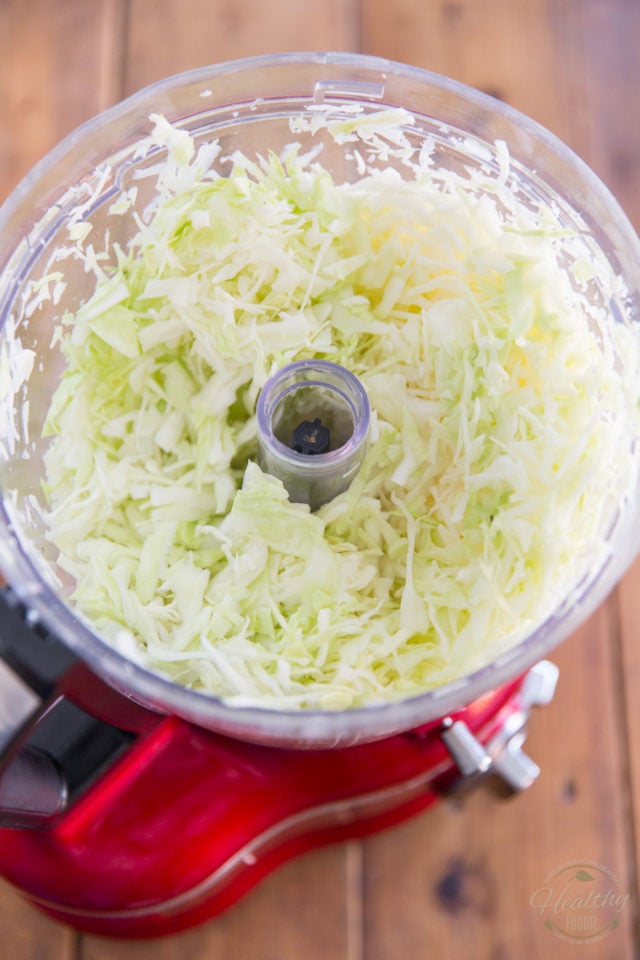
Choose the right blade for slicing, usually the shredding disc. Cut cabbage into chunks that fit your food processor bowl. Pulse in short bursts to avoid over-processing. Check the texture often to keep pieces crisp. Clean the bowl and blades quickly after use. This prevents leftover smells and keeps the machine ready for next use.
Credit: thehealthyfoodie.com
Frequently Asked Questions
How Do I Make Coleslaw With A Food Processor?
To make coleslaw with a food processor, shred cabbage and carrots using the shredding blade. Mix with dressing and season. This method saves time and ensures uniform texture for a crisp, delicious coleslaw.
What Food Processor Blade Is Best For Coleslaw?
Use the shredding or slicing blade for coleslaw. It finely shreds cabbage and vegetables evenly. Avoid using the chopping blade to prevent mushy texture.
Can I Control Coleslaw Texture With A Food Processor?
Yes, you can control texture by pulsing the shredder blade. Short pulses create coarser shreds, while longer shredding results in finer pieces. This lets you customize coleslaw to your preference easily.
Is Food Processor Coleslaw Healthier Than Store-bought?
Homemade food processor coleslaw is often fresher and has fewer preservatives. You control ingredients, making it healthier by adjusting sugar, salt, and dressing types.
Conclusion
Making coleslaw with a food processor saves time and effort. It chops vegetables evenly and quickly. This method keeps the salad fresh and crisp. You can easily adjust ingredients to your taste. Perfect for picnics, barbecues, or quick meals. Give it a try and enjoy a simple, tasty side dish.
The food processor makes coleslaw fun and easy to prepare. Enjoy the crunchy, creamy flavors in every bite.