Last Updated on September 26, 2026
Do you find grating cheese by hand slow and messy? Shredding cheese in your food processor can save you time and effort, giving you perfectly shredded cheese in seconds.
Whether you’re making pizza, tacos, or a cheesy casserole, this quick trick will change the way you cook. Keep reading, and you’ll discover simple steps to get the best results every time, plus tips to avoid common mistakes. Your kitchen routine is about to get a whole lot easier!
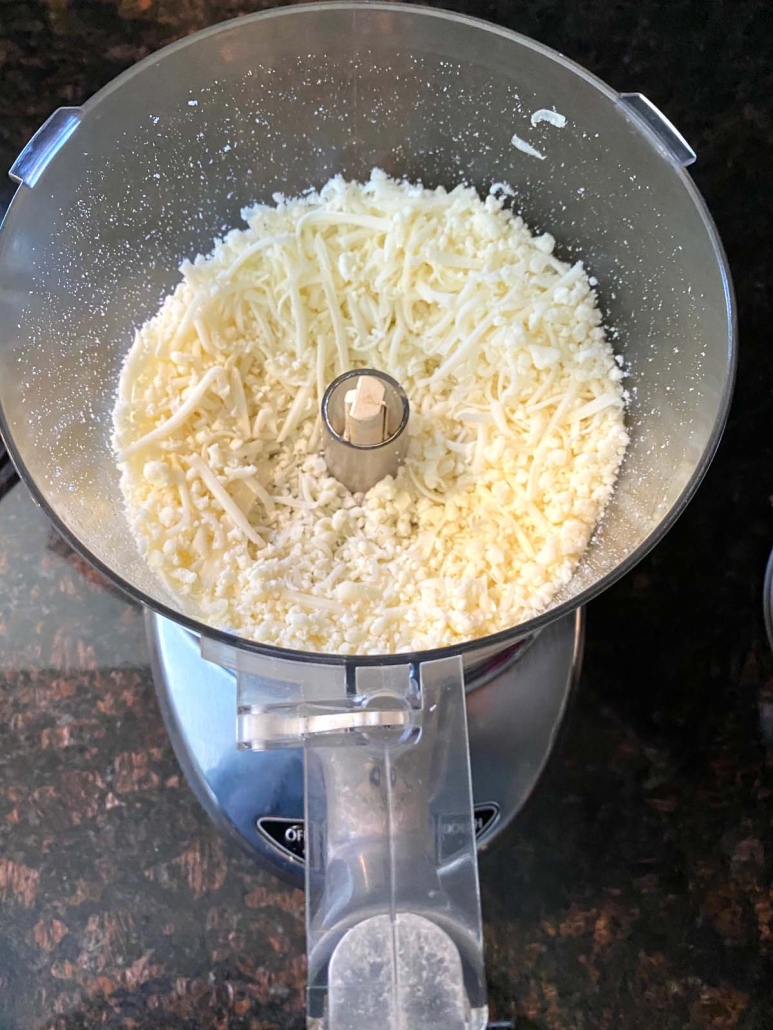
Credit: www.melaniecooks.com
Benefits Of Using A Food Processor
Using a food processor to shred cheese offers many benefits. It makes the task faster and easier. The machine provides a uniform texture every time. It also keeps your kitchen cleaner. These advantages improve your cooking experience.
Time-saving Advantages
A food processor shreds cheese quickly. It takes seconds instead of minutes. This saves time for other cooking tasks. No need to spend long hours preparing ingredients. Perfect for busy days or last-minute meals.
Consistent Cheese Texture
The food processor creates even cheese shreds. Each piece has the same size and shape. This helps cheese melt evenly in dishes. It improves the look and taste of your food. No more uneven chunks or clumps.
Less Mess And Effort
Shredding cheese by hand can be messy. Cheese sticks to hands and utensils. A food processor keeps fingers clean and safe. It reduces cheese bits spread on counters. Cleanup is easier and faster after cooking.
Choosing The Right Cheese
Choosing the right cheese is key to shredding success in a food processor. The texture and type of cheese affect shredding ease and final results. Picking the best cheese type helps avoid clumping and mess. It also ensures smooth, even shreds for your dishes.
Best Cheese Types For Shredding
Hard and semi-hard cheeses work best in a food processor. Cheddar, mozzarella, and Swiss shred easily and hold shape. These cheeses have firm textures that cut cleanly without sticking. Parmesan and Gouda also shred well, adding flavor and texture to meals.
Avoiding Overly Soft Cheeses
Soft cheeses like brie, cream cheese, or fresh mozzarella do not shred well. They tend to clump and become mushy in the processor. These cheeses are better sliced or spread instead of shredded. Choose firmer cheeses for best shredding results.
Using Block Cheese Vs Pre-shredded
Block cheese usually shreds better than pre-shredded cheese. Pre-shredded cheese contains anti-caking agents that can affect texture. Block cheese stays fresher longer and melts more evenly. Cutting cheese from a block gives control over shred size and quality.
Preparing Cheese For Shredding
Preparing cheese for shredding ensures smooth and even results. Proper prep helps the food processor work better. It also prevents the cheese from sticking or clumping.
Follow a few simple steps to get the cheese ready for shredding. These steps make the process fast and easy.
Chilling Cheese Before Processing
Cold cheese is easier to shred. Soft cheese can become mushy if not chilled. Place the cheese in the fridge for at least 30 minutes. This firms up the cheese. It helps the blades cut cleanly without squishing the cheese.
Cutting Cheese Into Manageable Pieces
Large blocks of cheese can overload the food processor. Cut the cheese into smaller chunks before shredding. Pieces about one to two inches work best. This allows the machine to shred evenly. It also reduces strain on the motor.
Removing Packaging And Unwanted Parts
Remove all plastic wrap or foil before shredding. Check for any rind or tough edges. Some cheeses have thick rinds that don’t shred well. Cut off these parts to avoid damaging the blades. Clean cheese pieces shred more smoothly and taste better.

Credit: www.youtube.com
Step-by-step Shredding Process
Shredding cheese in a food processor saves time and effort. It helps create even, fine shreds perfect for cooking or topping dishes. Follow these simple steps to shred cheese quickly and safely.
Setting Up The Food Processor
First, place the food processor on a clean, flat surface. Attach the bowl securely to the base. Make sure the lid fits tightly to avoid spills. Plug in the machine and check that all parts are dry and clean.
Selecting The Shredding Blade
Choose the shredding blade that matches your desired cheese size. Most food processors come with multiple blades. Use the medium shredder for common cheese sizes. Insert the blade carefully into the bowl, locking it in place.
Processing Cheese Safely And Efficiently
Cut cheese into small blocks that fit inside the processor chute. Do not overfill the bowl to avoid jamming. Hold the lid firmly and pulse the machine in short bursts. Stop and check the cheese shreds often. Remove the shredded cheese immediately to keep it fresh.
Tips For Perfect Shredded Cheese
Shredding cheese in a food processor saves time and effort. Getting perfect shredded cheese takes a few simple steps. These tips help avoid common problems. Follow them for fluffy, even cheese every time.
Avoiding Clumps And Sticking
Cold cheese shreds better. Chill the cheese in the fridge or freezer for 15 minutes. Avoid moisture on the cheese surface. Wipe it dry if needed. Use a dry food processor bowl and blade. Shred in short bursts to prevent overheating.
Shredding Different Cheese Textures
Soft cheeses like mozzarella need gentle handling. Cut them into smaller blocks before shredding. Hard cheeses like Parmesan work well cold and firm. Avoid shredding very fresh cheeses that are too soft. Adjust shredding speed depending on cheese firmness.
Storing Shredded Cheese Properly
Store shredded cheese in an airtight container or zip-top bag. Add a small paper towel to absorb moisture. Keep it in the coldest part of the fridge. Use shredded cheese within a week for best taste. Freeze shredded cheese for longer storage. Thaw in the fridge before use.
Common Mistakes To Avoid
Shredding cheese in a food processor is quick and easy. Yet, certain mistakes can ruin the texture and flavor. Avoid these common errors to get perfect shredded cheese every time. Small steps make a big difference.
Over-processing Cheese
Running the food processor too long turns cheese into a paste. Stop shredding as soon as the cheese pieces form. Over-processing causes clumps and melts the cheese. Short pulses work best for an even shred.
Using Dull Blades
Dull blades tear cheese instead of cutting it cleanly. This results in uneven shreds and can damage the machine. Keep blades sharp by cleaning and drying them after each use. Sharp blades give smooth and consistent cheese shreds.
Ignoring Food Processor Capacity
Overfilling the bowl jams the machine and produces uneven shreds. Work in small batches for best results. Follow your food processor’s capacity guidelines for smooth operation. Avoid crowding the bowl to shred cheese evenly and quickly.
Creative Uses For Shredded Cheese
Shredded cheese from a food processor makes cooking easier and faster. It blends well into many dishes. The soft texture melts quickly and spreads evenly. This gives meals a rich, creamy taste and a nice look. Using shredded cheese opens many tasty options in your kitchen.
Topping Pizzas And Salads
Sprinkle shredded cheese on hot pizzas for a gooey finish. It melts evenly over toppings and crust. For salads, add a handful of shredded cheese. It gives a fresh, salty flavor and a colorful touch. Cheese makes salads more filling and tasty.
Incorporating Into Sauces And Dips
Shredded cheese mixes smoothly into sauces and dips. It melts fast and thickens the mixture. Use it in creamy pasta sauces or spicy cheese dips. The cheese adds richness and a smooth texture. It improves taste without extra effort.
Baking With Shredded Cheese
Use shredded cheese in baking breads, muffins, or casseroles. It melts inside, making each bite soft and flavorful. Cheese on top forms a crispy, golden crust. Baking with shredded cheese adds a delicious twist to simple recipes. It makes baked goods more exciting and tasty.

Credit: www.youtube.com
Frequently Asked Questions
How Do You Shred Cheese In A Food Processor?
Cut cheese into small cubes and place them in the processor bowl. Use the shredding disc attachment and pulse until shredded evenly. Avoid over-processing to prevent cheese from turning into a paste.
What Types Of Cheese Can Be Shredded In A Processor?
Hard and semi-hard cheeses like cheddar, mozzarella, and gouda work best. Soft cheeses may not shred well and can clog the processor. Always chill the cheese before shredding for better results.
Can You Shred Frozen Cheese In A Food Processor?
Yes, slightly frozen cheese shreds better and reduces clumping. Freeze cheese for about 30 minutes before shredding. Avoid completely frozen or room temperature cheese for optimal texture.
How To Clean A Food Processor After Shredding Cheese?
Disassemble the parts immediately after use. Wash with warm, soapy water or place dishwasher-safe parts in the dishwasher. Dry thoroughly to prevent odor and residue build-up.
Conclusion
Shredding cheese in a food processor saves time and effort. It creates even, consistent pieces for cooking or snacking. This method works well for many cheese types. Cleaning the processor is simple and quick. Try this easy step to make meal prep smoother.
You will enjoy perfectly shredded cheese every time. Give your kitchen a helpful tool that really works. Simple, fast, and effective—what more could you want?