Last Updated on September 26, 2026
Are you tired of spending too much time chopping vegetables by hand? Imagine cutting your prep time in half while still getting perfectly chopped veggies every time.
Using a food processor can make this task quick, easy, and even fun. You’ll discover simple tips and tricks to chop veggies quickly and efficiently with your food processor. Say goodbye to uneven pieces and sore hands—your kitchen routine is about to get a major upgrade.
Keep reading to unlock the secrets to faster, cleaner, and better chopping!
Benefits Of Using A Food Processor
Using a food processor to chop veggies brings many benefits to your kitchen. It saves time, delivers even cuts, and offers many uses beyond chopping. This tool helps make cooking easier and faster. Many home cooks find it a helpful addition.
Speed And Efficiency
A food processor chops vegetables much faster than doing it by hand. It can process large amounts in seconds. This means less time spent on prep work. It helps you move quickly from chopping to cooking.
Consistent Results
The food processor cuts vegetables evenly every time. This helps food cook evenly and look better on the plate. No more uneven pieces or guessing the size. It gives a neat and professional result.
Versatility In The Kitchen
Chopping is just one task a food processor can do. It can slice, dice, shred, and even mix ingredients. This makes it useful for many recipes. It reduces the need for multiple tools, saving space and effort.
Choosing The Right Food Processor
Choosing the right food processor makes chopping vegetables easier and faster. It saves time and effort in the kitchen. A good food processor fits your needs and kitchen space. This guide helps you pick the best one for your cooking style.
Size And Capacity
Food processors come in many sizes. Small ones hold about 3 cups of food. They work well for small families or simple tasks. Larger models hold up to 14 cups or more. They suit big families and large meal prep. Choose a size that matches your cooking habits.
Blade Types And Attachments
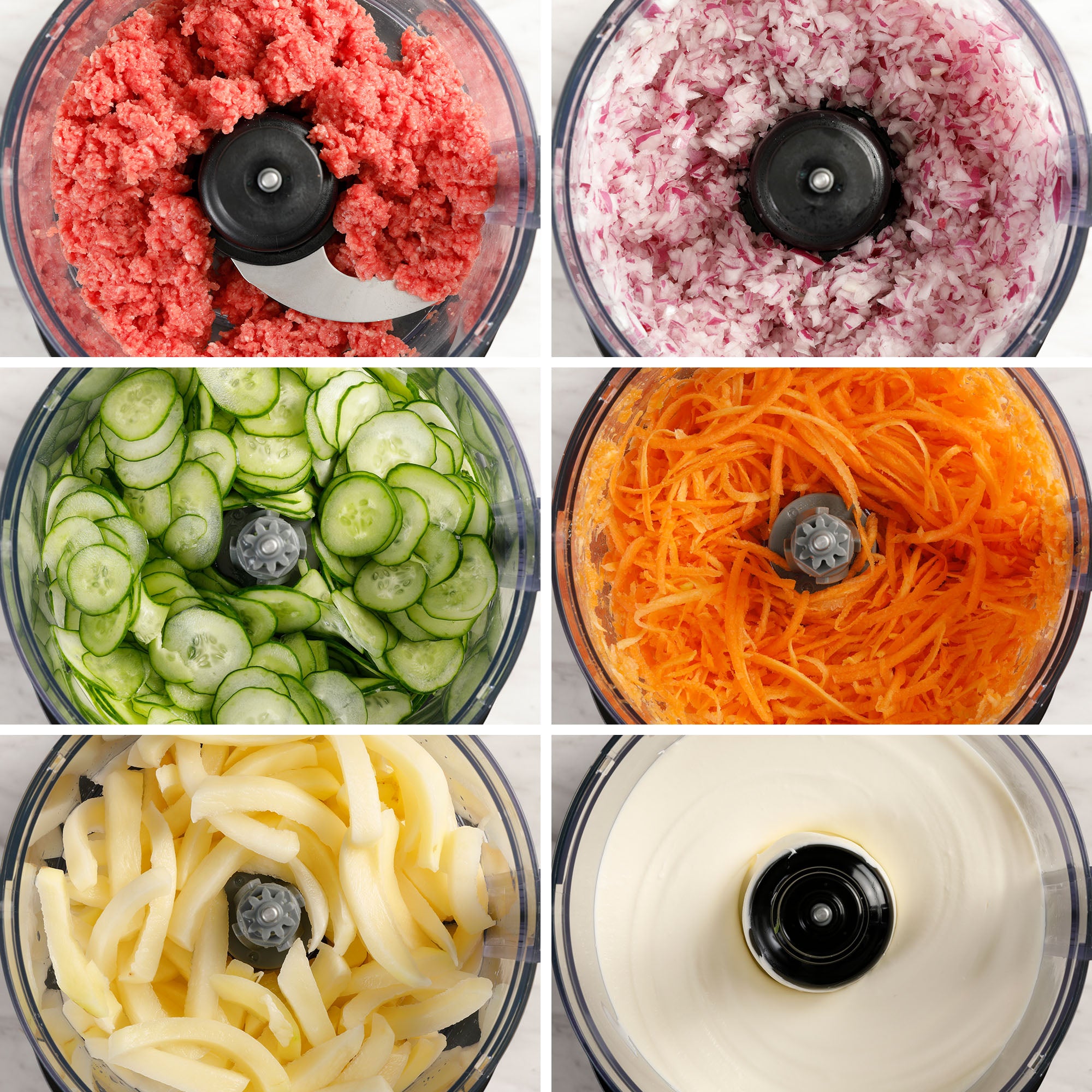
Blades cut, chop, slice, and shred vegetables. Most food processors have a sharp S-shaped blade for chopping. Some include discs for slicing and shredding. Extra attachments like dough blades help with baking. Pick a model with blades that fit your needs.
Power And Performance
Power affects how well a food processor works. Low power models struggle with hard vegetables. High power processors handle tough chopping easily. Look for a motor with at least 400 watts. It provides smooth and fast performance. Consistent power means less waiting and better results.
Preparing Veggies For Processing
Preparing vegetables before placing them in the food processor saves time and improves results. This step ensures the veggies chop evenly and safely. Proper preparation also protects the machine from damage. Follow these simple steps to get your veggies ready for processing.
Washing And Peeling
Start by washing the vegetables under cold running water. This removes dirt, bacteria, and pesticides. Use a vegetable brush for firm-skinned veggies. Peeling is important for some vegetables like carrots and potatoes. It removes tough skin that can affect texture and taste.
Cutting Into Manageable Pieces
Cut large vegetables into smaller chunks. This helps the food processor blades reach all parts evenly. Pieces about 1 to 2 inches work best. Avoid overfilling the processor bowl to prevent uneven chopping. Smaller pieces also reduce the risk of motor strain.
Removing Seeds And Stems
Remove seeds from tomatoes, peppers, and cucumbers. Seeds can add bitterness and affect texture. Stems and tough cores from broccoli or cauliflower also need removal. These parts may cause uneven chopping or damage blades. Clean, seedless veggies give better results.
Credit: shop.panasonic.com
Techniques For Chopping Veggies
Chopping vegetables in a food processor saves time and effort. Using the right techniques helps achieve the perfect texture. This section explains key methods for chopping veggies efficiently and evenly.
Pulse Vs Continuous Processing
Pulsing uses short bursts to chop vegetables. It gives more control over the size and prevents over-chopping. Continuous processing runs the blade non-stop. It chops faster but can turn veggies into mush. Use pulsing for chunky pieces and continuous for fine chopping.
Avoiding Overprocessing
Overprocessing makes vegetables too soft or watery. Stop the processor often to check the texture. Shake the bowl between pulses to separate pieces. Remove the lid carefully and stir if needed. Proper timing keeps the veggies fresh and crisp.
Layering Ingredients Properly
Place harder veggies at the bottom near the blade. Softer ones go on top to avoid crushing. Cut large pieces into smaller chunks before adding. Layering helps the processor chop evenly. It prevents uneven texture and saves processing time.
Tips For Cleaning And Maintenance
Keeping your food processor clean is key for great chopping results. Good cleaning and care help your machine last longer. It also keeps your food fresh and safe.
Disassembling And Washing
Take the food processor apart carefully. Remove the bowl, lid, and blades. Wash all parts with warm, soapy water. Use a soft brush for hard-to-reach spots. Avoid soaking the motor base. Dry each piece well before putting it back.
Preventing Odors
Food bits can cause bad smells if left inside. Clean your processor right after use. Use lemon juice or baking soda to freshen parts. Wipe the motor base with a damp cloth. Keep the lid open after cleaning to air dry.
Storing Blades Safely
Blades are sharp and must be stored with care. Wrap them in a cloth or use a blade guard. Store blades separately from other parts. Keep them in a dry place to avoid rust. Safe storage protects you and keeps blades sharp longer.

Credit: www.youtube.com
Recipes To Try With Chopped Veggies
Chopped veggies from a food processor save time and effort in the kitchen. They make cooking easier and faster. You can create many tasty dishes using these chopped vegetables. These recipes add flavor and nutrition to your meals.
Salsas And Dips
Fresh salsas and dips taste better with finely chopped veggies. Tomatoes, onions, and peppers blend well for a quick salsa. Add some cilantro and lime juice for extra zest. Veggie dips like hummus can include chopped carrots or cucumbers. These dips are great for snacks or parties.
Soups And Stews
Chopped vegetables cook evenly in soups and stews. Use carrots, celery, onions, and garlic for a rich base. They melt into the broth, adding depth and flavor. Soups become more colorful and healthy with mixed veggies. Stews benefit from chopped potatoes and peppers for texture.
Veggie Patties And Fritters
Veggie patties and fritters are simple to make with chopped veggies. Combine zucchini, carrots, and onions for tasty patties. Mix them with eggs and breadcrumbs to hold together. Fry or bake until golden brown and crisp. Serve as snacks or main dishes with sauces.
Common Mistakes To Avoid
Chopping vegetables in a food processor saves time and effort. Still, some common mistakes can cause problems. Avoid these errors to get the best results and keep your machine safe.
Overloading The Bowl
Putting too many vegetables in the bowl can stop the blades from moving freely. The motor may overheat or struggle. Chop in small batches instead. This helps the food process evenly and prevents damage.
Ignoring Safety Precautions
Always follow safety steps when using a food processor. Keep fingers away from the blades. Make sure the lid is locked before starting. Unplug the machine before cleaning or changing parts. These habits prevent injuries and accidents.
Using The Wrong Blade
Food processors have different blades for different tasks. Using the wrong blade can give poor results or damage the veggies. Use the chopping blade for chopping. Avoid using slicing blades for chopping tasks. Check your manual to find the right blade for the job.

Credit: www.luvele.com
Frequently Asked Questions
How Do I Chop Veggies In A Food Processor?
To chop veggies, cut them into chunks, place in the bowl, and pulse until desired size. Use short pulses to avoid over-processing.
Which Vegetables Are Best For Food Processor Chopping?
Firm vegetables like carrots, celery, onions, and peppers chop well. Avoid very soft or leafy veggies as they can become mushy.
Can I Chop Frozen Vegetables In A Food Processor?
Yes, but slightly thaw frozen vegetables first. This prevents excess moisture and ensures even chopping without clumping.
How Do I Prevent Veggies From Turning Mushy?
Use short pulse bursts instead of continuous running. Check texture frequently and stop when you reach the desired chop size.
Conclusion
Chopping veggies in a food processor saves time and effort. It gives you even pieces for better cooking. You can prepare salads, soups, and sauces quickly. Just cut veggies to fit and pulse a few times. Clean-up is simple and fast, too.
This tool helps make cooking easier and more fun. Try it for your next meal prep. You will enjoy the speed and ease it brings. Cooking becomes less stressful and more enjoyable this way.