Last Updated on September 27, 2026
Have you ever wondered what really happens inside a juicer when you press that button? Understanding how a juicer works can change the way you enjoy your fresh juices and help you choose the right one for your kitchen.
Whether you want to boost your health or simply love the taste of fresh fruit and vegetable juices, knowing the process behind it can make a big difference. Keep reading, and you’ll discover the simple science and clever design that turns whole fruits and veggies into the refreshing drink you love.
Juicer Types
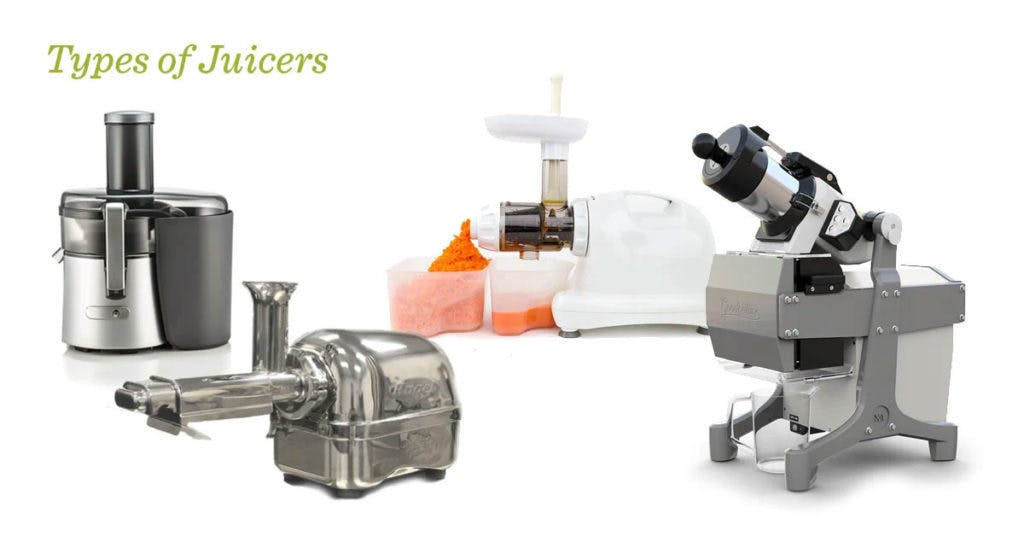
Juicers come in different types, each working in its own way. Knowing the types helps you pick the right one. Each juicer has unique features. Some work fast, others keep more nutrients. Let’s explore the main juicer types.
Centrifugal Juicers
Centrifugal juicers use a fast spinning blade. The blade cuts fruit and vegetables into small pieces. Then, a filter separates juice from pulp. These juicers work quickly and are easy to use. They are good for hard fruits and vegetables. Some nutrients may be lost due to heat from spinning.
Masticating Juicers
Masticating juicers crush and press fruits slowly. This method keeps more juice and nutrients. It works well with leafy greens and soft fruits. These juicers make juice with less foam and more flavor. The process is slower but gives higher juice quality.
Triturating Juicers
Triturating juicers use two gears to crush produce. They grind fruits and vegetables finely. This type extracts the most juice and nutrients. It handles tough greens and seeds well. Triturating juicers are quieter but cost more. They are ideal for serious juice lovers.
Manual Juicers
Manual juicers use hand power to extract juice. They are simple and need no electricity. These juicers work best for citrus fruits. They are easy to clean and portable. Manual juicers are perfect for small amounts of juice.
Credit: www.goodnature.com
Juicing Process
The juicing process turns fresh fruits and vegetables into liquid form. It helps extract nutrients and flavors easily. Understanding this process shows how juicers work efficiently.
Preparation Of Fruits And Vegetables
First, wash fruits and vegetables well to remove dirt and pesticides. Cut them into small pieces. Remove large seeds, pits, or tough skins. This step helps the juicer work smoothly. Proper preparation avoids clogging and damage.
Extraction Mechanism
The juicer crushes or grinds the produce to release juice. Some use fast spinning blades to shred the food quickly. Others press slowly to squeeze out juice without heat. This step separates juice from the solid parts. It preserves most nutrients and flavors.
Separation Of Juice And Pulp
The machine filters pulp from the juice. A fine mesh or strainer catches solid bits. Juice flows through, leaving pulp behind. Some juicers collect pulp separately for later use. This process creates smooth, fresh juice ready to drink.
Key Components
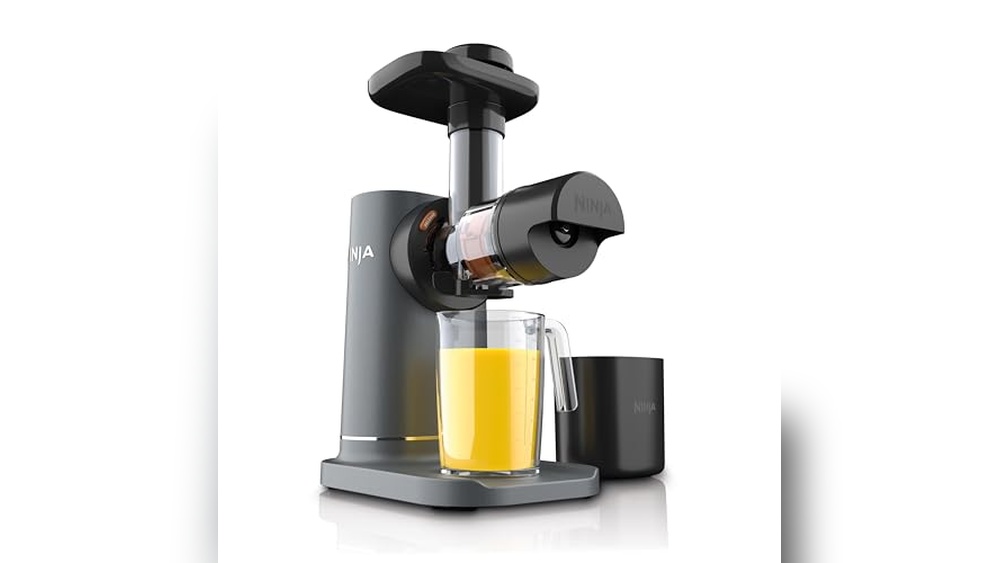
Understanding the key parts of a juicer helps you see how it works. Each part has a special job. Together, they turn fruits and vegetables into fresh juice.
Feeding Chute
The feeding chute is where you put fruits and veggies. It guides food into the machine safely. The size of the chute can vary. A wider chute means less cutting before juicing.
Blade Or Auger
The blade or auger breaks down the food. Blades spin fast and chop ingredients quickly. Augers crush and press food slowly. This part extracts the juice from the pulp.
Filter Or Strainer
The filter or strainer separates juice from pulp. It catches the solid bits while letting juice pass. A fine filter means smoother juice. Some filters can be removed for easy cleaning.
Juice And Pulp Containers
Juicers have two containers. One collects the fresh juice. The other gathers the leftover pulp. This keeps the process clean and organized. You can reuse or compost the pulp.
Factors Affecting Juice Quality
Juice quality depends on many factors during the juicing process. These factors decide the taste, texture, and nutrition of the juice. Understanding these helps in choosing the right juicer and technique. Three main aspects affect juice quality the most.
Speed And Heat Generation
Juicers work at different speeds. High-speed juicers spin fast and can produce heat. Heat can damage some nutrients in fruits and vegetables. Low-speed juicers work slowly, producing less heat. This keeps more vitamins and minerals safe. Slower speed usually means better juice quality.
Oxidation And Nutrient Retention
Juice meets air during extraction. This process is called oxidation. Oxidation can cause the juice to lose nutrients quickly. It also changes the color and taste. Juicers that reduce air exposure help keep juice fresh longer. Less oxidation means more vitamins stay in the juice.
Pulp Content And Texture
Juice can have different amounts of pulp. Some people like smooth juice with less pulp. Others prefer juice that is thick and full of fiber. The juicer type affects pulp content and texture. Masticating juicers keep more pulp, while centrifugal juicers remove most of it. Choosing the right pulp level improves your juice experience.
Maintenance Tips
Keeping your juicer in good shape helps it work well for a long time. Regular care stops parts from wearing out too fast. Simple steps can keep your juicer clean and safe to use. Follow these tips to enjoy fresh juice every day.
Cleaning Procedures
Clean the juicer right after use. Rinse all removable parts under warm water. Use a soft brush to remove pulp and juice residue. Avoid harsh cleaners that can damage the machine. Dry parts fully before putting them back together. This prevents mold and keeps the juicer fresh.
Parts Replacement
Check for worn or broken parts regularly. Replace dull blades and cracked containers. Using damaged parts can reduce juice quality. Keep a set of spare parts handy. Follow the manufacturer’s instructions for fitting new pieces. This helps your juicer work like new.
Storage Recommendations
Store your juicer in a dry place. Avoid spots with high heat or moisture. Cover the machine to keep dust away. Make sure all parts are dry before storage. Proper storage stops rust and electrical issues. Ready for the next juice session every time.
:max_bytes(150000):strip_icc()/JuicerinAction-b422480f4ab74024b9165b2a2d8db42a.jpg)
Credit: www.seriouseats.com
Benefits Of Fresh Juice
Fresh juice offers many health benefits. It gives your body a natural boost. Drinking fresh juice helps you feel energized and healthy. It is an easy way to add more fruits and vegetables to your diet. Fresh juice also tastes great and can be a fun drink to enjoy every day.
Nutrient Boost
Fresh juice contains vitamins and minerals from fruits and vegetables. Juicing releases nutrients in a form your body can absorb quickly. It helps you get more vitamins like vitamin C, A, and potassium. Drinking fresh juice supports your immune system and overall health. It is a simple way to improve your nutrient intake.
Hydration And Detox
Juice is mostly water, which helps keep you hydrated. Staying hydrated is important for energy and clear skin. Fresh juice also helps flush out toxins from your body. It supports your liver and kidneys in removing waste. Drinking juice can refresh your body and mind.
Flavor And Variety
Juicing allows you to try many fruit and vegetable combinations. You can mix sweet and tart flavors for a tasty drink. Fresh juice adds variety to your daily diet. It makes eating healthy more fun and enjoyable. You can discover new flavors with every glass of juice.

Credit: www.huromslowjuicer.co.nz
Frequently Asked Questions
How Does A Juicer Extract Juice From Fruits?
A juicer uses a spinning blade or pressing mechanism to crush fruits. It separates juice from pulp efficiently, providing fresh liquid.
What Types Of Juicers Are Best For Leafy Greens?
Masticating juicers are ideal for leafy greens. They crush and press slowly, maximizing juice yield and preserving nutrients.
Can A Juicer Handle Hard Vegetables Effectively?
Yes, many juicers can process hard vegetables like carrots. Centrifugal juicers use high-speed blades to break them down quickly.
How Do Juicers Preserve Nutrients In Juice?
Juicers minimize heat and oxidation during extraction. This helps retain vitamins, enzymes, and antioxidants for healthier juice.
Conclusion
A juicer works by extracting juice from fruits and vegetables quickly. It separates the liquid from the pulp using spinning or pressing action. This process helps you enjoy fresh, healthy drinks at home. Understanding how it works makes choosing the right juicer easier.
Juicing can boost your daily intake of vitamins and minerals. Simple steps create fresh juice without much effort. Now, you know the basics behind juicers and their benefits. Give juicing a try for a tasty and nutritious drink.