Last Updated on July 9, 2026
If you use a meat slicer regularly, keeping it clean is essential—not just for safety, but for the best-tasting cuts every time. But how do you clean a meat slicer properly without risking injury or missing hidden spots?
You might think it’s a hassle, but with the right steps, it’s easier than you expect. You’ll discover simple, effective ways to clean your meat slicer quickly and thoroughly. Stick with me, and you’ll keep your slicer sharp, safe, and ready to deliver perfect slices every time.

Credit: www.braher.com
Preparing The Meat Slicer
Cleaning a meat slicer starts with good preparation. Proper steps ensure safety and a thorough clean. You must handle the slicer carefully to avoid accidents and damage.
Preparation makes the cleaning faster and more effective. It also keeps the slicer in good condition for longer use.
Unplugging And Disassembling
First, unplug the meat slicer from the power source. This prevents any accidental start during cleaning. Safety comes first.
Next, remove all detachable parts. These include the blade guard, food carriage, and thickness control knob. Use a screwdriver if needed. Handle the blade with care to avoid cuts.
Disassemble the slicer carefully and place parts on a clean surface. This makes cleaning easier and reaches all areas.
Gathering Cleaning Supplies
Prepare all cleaning tools before starting. Use warm water, mild dish soap, and a clean cloth or sponge. Avoid harsh chemicals that can damage the slicer or food safety.
Have a soft brush for hard-to-reach areas and a towel for drying. Use food-safe sanitizer to kill bacteria. Proper supplies make the cleaning process smooth and safe.
Cleaning The Blade
Cleaning the blade of a meat slicer is essential for safe food preparation. A clean blade prevents bacteria buildup and keeps meat fresh. Regular cleaning also helps the slicer work smoothly and last longer.
Removing Food Residue
Start by unplugging the slicer for safety. Use a soft cloth or brush to wipe off leftover meat bits. Pay close attention to the blade edges and crevices. Remove all visible food particles to avoid contamination.
Using Safe Cleaning Agents
Choose mild soap or a food-safe cleaner. Avoid harsh chemicals that can damage the blade. Apply the cleaner with a damp cloth or sponge. Gently scrub the blade and surrounding parts. Rinse thoroughly with warm water to remove soap.
Drying The Blade Properly
Use a clean, dry cloth to wipe the blade completely. Ensure no water remains to stop rust formation. Let the blade air dry for a few minutes if needed. Proper drying keeps the blade sharp and safe to use.
Cleaning Other Parts
Cleaning a meat slicer means more than just washing the blade. Other parts also need attention. Dirt and food bits can hide in small spaces. Keeping these areas clean helps the slicer work well. It also stops germs from growing.
Wiping The Carriage And Guard
The carriage moves the meat toward the blade. Wipe it with a damp cloth. Use warm, soapy water for best results. Be sure to clean the guard too. This part protects your hands from the blade. Remove any meat scraps or juice. Dry both parts with a clean towel. This prevents rust and keeps the slicer safe.
Cleaning The Thickness Knob And Base
The thickness knob controls how thick slices are. Wipe it carefully with a cloth. Use a little soap if needed. The base holds the slicer steady. It can catch crumbs and spills. Clean the base with a damp cloth. Dry it well to stop rust. Regular cleaning keeps the slicer working smoothly.
Sanitizing The Slicer
Sanitizing the meat slicer is a key step in keeping it safe and clean. It stops bacteria from growing and spreading. A clean slicer means safer food and better taste.
Sanitizing is more than just washing. It uses special solutions to kill germs. These solutions must be safe for food contact and work well on slicers.
Choosing The Right Sanitizer
Pick a sanitizer approved for food equipment. Look for EPA-registered or food-safe labels. Common choices include chlorine, quaternary ammonium, and iodine solutions.
Check the sanitizer’s instructions for proper use and dilution. Too strong can harm the slicer. Too weak may not kill germs.
Applying And Rinsing
Apply sanitizer after cleaning the slicer with soap and water. Use a clean cloth or spray bottle to cover all surfaces. Pay close attention to blades and hard-to-reach areas.
Let the sanitizer sit for the time stated on the label. This ensures all germs die. Rinse the slicer with clean water if needed. Wipe dry with a clean cloth before use.
Reassembling And Maintenance
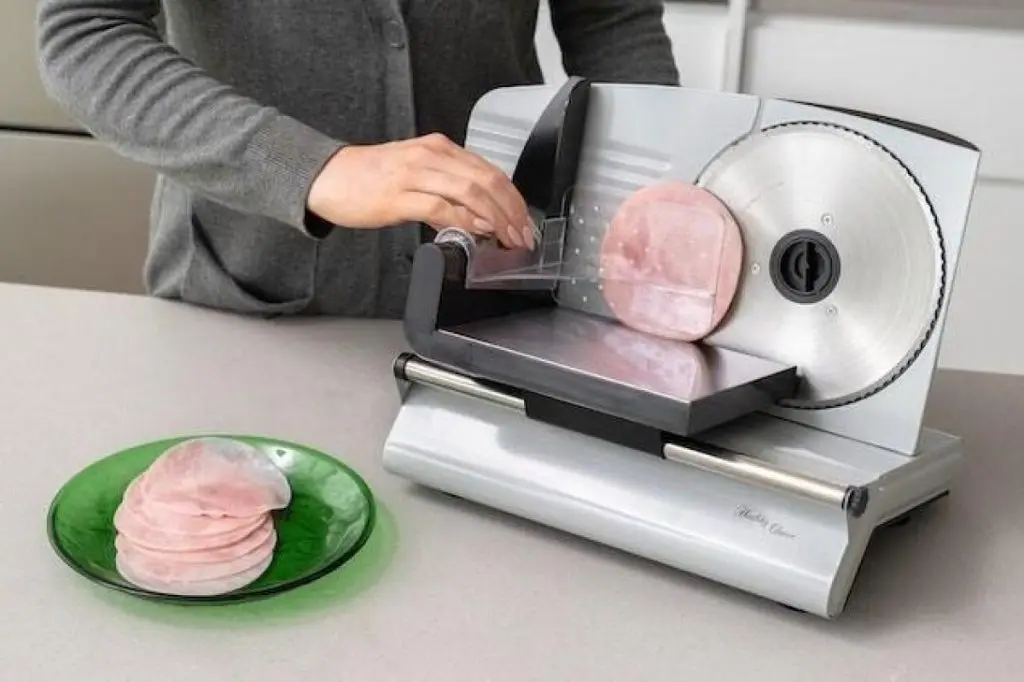
Cleaning a meat slicer is only half the job. Reassembling and maintaining it properly keeps it safe and sharp. This section guides you through putting the slicer back together, sharpening the blade, and regular care tips. Follow these steps to extend the slicer’s life and keep it working well.
Putting The Slicer Back Together
Start by drying all parts completely. Moisture can cause rust and damage.
Attach the blade carefully, ensuring it sits in the right place. Tighten the screws firmly but do not over-tighten.
Reinstall the food carriage and guard. Make sure they move smoothly without wobbling.
Check the thickness dial and other controls. They should turn easily and lock securely.
Sharpening The Blade
A sharp blade cuts better and is safer to use. Use the slicer’s built-in sharpener if it has one.
Turn on the slicer and engage the sharpener. Move the blade slowly through the sharpening stones.
Do this a few times, then wipe the blade clean. Test the blade by slicing a piece of meat.
Sharpen the blade regularly, depending on how often you use the slicer.
Regular Maintenance Tips
Clean the slicer after every use to prevent bacteria growth. Use warm soapy water and a soft cloth.
Lubricate moving parts with food-safe oil. This keeps them moving smoothly and prevents wear.
Inspect the blade and screws weekly. Tighten loose parts and replace damaged ones immediately.
Store the slicer in a dry place. Cover it to protect from dust and dirt.
Credit: www.vevor.com
Safety Tips During Cleaning
Cleaning a meat slicer needs care and attention. Safety is very important to avoid injuries and accidents. Follow clear steps to keep yourself safe during the cleaning process. Protect your hands and prevent electric shocks by handling the slicer properly.
Handling The Blade Safely
The blade is very sharp. Always wear cut-resistant gloves before touching it. Never use bare hands to clean near the blade. Remove the blade if your slicer allows it for easier cleaning. Use a soft cloth or brush to clean the blade surface. Move slowly and carefully to avoid cuts. Keep your fingers away from the blade edge at all times.
Avoiding Electrical Hazards
Unplug the meat slicer before cleaning to stop electric shocks. Do not let water or cleaning liquid enter the motor area. Use a damp cloth, not a wet one, to wipe the slicer. Avoid spraying cleaners directly on the machine. Dry all parts fully before plugging it back in. Check the power cord for damage regularly to stay safe.

Credit: www.youtube.com
Frequently Asked Questions
How Often Should You Clean A Meat Slicer?
Clean your meat slicer after every use to prevent bacteria buildup. Regular cleaning maintains hygiene and extends slicer life.
What Cleaning Tools Do You Need For A Meat Slicer?
Use warm soapy water, a soft cloth, and a sanitizing solution. Avoid abrasive tools to protect the slicer’s blade and surfaces.
Can You Clean A Meat Slicer With Dishwasher?
No, do not use a dishwasher. Hand wash parts carefully to avoid damage and ensure thorough cleaning.
How Do You Safely Clean The Slicer Blade?
Always unplug the slicer first. Use a cloth soaked in sanitizer to wipe the blade gently and avoid injury.
Conclusion
Cleaning a meat slicer keeps it safe and working well. Always unplug the machine before starting. Use warm, soapy water to wash all parts. Wipe the blade carefully to avoid cuts. Dry everything completely to stop rust and germs. Regular cleaning saves time and prevents food contamination.
Keep your slicer clean for fresh, tasty food every time. Simple steps make a big difference in kitchen safety. Stay consistent with cleaning to protect your family’s health. Easy habits lead to a cleaner, safer kitchen.