Last Updated on September 30, 2026
Have you ever wished you could enjoy your favorite fruits anytime, without worrying about them spoiling? Dehydrating fruit is a simple, effective way to preserve their natural sweetness and nutrients.
Whether you want a healthy snack, ingredients for recipes, or a way to reduce food waste, knowing how to dehydrate fruit can make a big difference. In this guide, you’ll discover easy steps to turn fresh fruit into delicious, long-lasting treats.
Ready to unlock the secret to tasty, shelf-stable fruit? Let’s dive in.
Benefits Of Dehydrating Fruit
Dehydrating fruit is a smart way to keep it fresh longer and enjoy its natural flavors anytime. This process removes moisture, which helps stop spoilage and preserves the fruit. It also keeps many of the fruit’s nutrients intact. Dried fruit is easy to store and carry, making it a great choice for snacks.
Longer Shelf Life
Removing water from fruit stops bacteria and mold from growing. This extends the fruit’s shelf life by weeks or even months. You can store dried fruit without worrying about quick spoilage. It is perfect for saving seasonal fruits and using them later.
Nutrient Retention
Dehydrating fruit keeps most vitamins and minerals. The drying process uses low heat, which helps protect nutrients. You still get the fruit’s natural goodness even after drying. It is a healthy option compared to many processed snacks.
Convenient Snack Options
Dried fruit is easy to carry and eat anywhere. It does not need refrigeration and takes up little space. You can add it to meals or enjoy it alone. This makes dried fruit a practical and tasty snack for busy days.
Choosing The Right Fruit
Choosing the right fruit is the first step in successful dehydration. The fruit you pick affects taste, texture, and drying time. Some fruits dry well and keep their flavor. Others can turn mushy or lose taste.
Choosing fresh, ripe fruit helps make tasty dried snacks. Think about the fruit’s water content and sugar level. These factors change how the fruit dries and tastes later.
Best Fruits For Dehydration
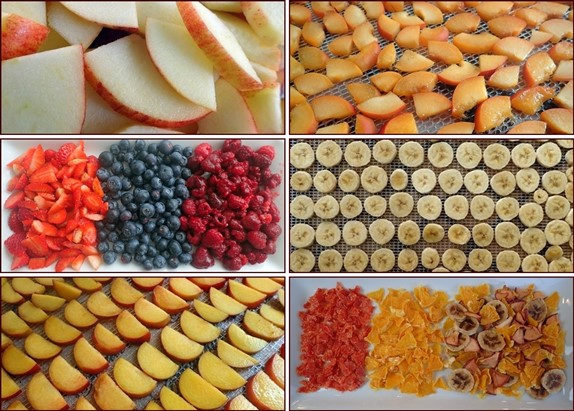
Apples and pears are great for drying. They keep a nice texture and sweet flavor. Bananas dry into chewy, sweet slices. Berries like strawberries and blueberries dry quickly but may need careful handling.
Mangoes and pineapples dry into flavorful, chewy treats. Peaches and apricots also work well. Citrus fruits are less common but can be dried as thin slices for zest.
Ripeness And Quality Tips
Choose fruit that is ripe but firm. Overripe fruit can become mushy when dried. Avoid bruised or damaged pieces. These spoil easily and taste bad after drying.
Wash fruit thoroughly before drying. Remove seeds, pits, and stems. Cut fruit into even pieces for quick, even drying. Uniform slices help keep drying time consistent.
Preparation Techniques
Proper preparation of fruit is key for successful dehydration. It helps the fruit dry evenly and last longer. You must follow simple steps before drying.
These steps include cleaning, cutting, and sometimes treating the fruit. Careful preparation keeps the fruit safe and tasty.
Washing And Peeling
Start by washing fruit thoroughly under cold water. This removes dirt, chemicals, and germs. Use a soft brush for fruits with thick skins.
Peeling depends on the fruit type. Some fruits dry better without skin, like apples or peaches. Others, like berries, keep their skin on.
Slicing For Even Drying
Cut fruit into uniform slices or pieces. Thin pieces dry faster and more evenly. About 1/4 inch thick works well for most fruits.
Try to keep all slices the same size. This stops some pieces from drying too fast or staying moist.
Pretreatment Methods
Pretreating fruit helps prevent browning and keeps flavor fresh. Soaking in lemon juice or a vinegar solution works well.
Blanching certain fruits in hot water for a short time can also help. It stops enzymes that cause spoilage.
Dehydration Methods
Dehydrating fruit removes moisture to preserve it for longer use. Several methods exist to dry fruit, each with unique steps and benefits. Choosing the right method depends on your tools and time available. Below are common ways to dehydrate fruit effectively.
Using A Food Dehydrator
A food dehydrator is a popular tool for drying fruit evenly and quickly. It uses low heat and airflow to remove moisture. Slice fruit thin and place it on trays without overlapping. Set the temperature to 125°F to 135°F (52°C to 57°C). Drying time varies from 6 to 12 hours depending on fruit type. Check fruit regularly to avoid over-drying. This method keeps flavor and nutrients intact.
Oven Drying Tips
An oven can dry fruit if you do not have a dehydrator. Use the lowest temperature setting, usually around 140°F (60°C). Place fruit slices on a baking sheet lined with parchment paper. Keep the oven door slightly open to allow moisture to escape. Turn the fruit pieces every hour for even drying. Drying times range from 4 to 10 hours. Watch closely to prevent burning or cooking the fruit.
Sun Drying Basics
Sun drying is the oldest way to dry fruit using natural heat. Choose a hot, dry day with low humidity. Arrange thin fruit slices on a clean screen or tray. Cover with cheesecloth to protect from insects. Place the trays in direct sunlight, turning fruit daily. This method can take several days to dry fruit completely. Sun drying works best for fruits like grapes, apricots, and tomatoes.
Drying Times And Temperatures
Drying times and temperatures play a big role in dehydrating fruit successfully. Each fruit type needs specific heat and time to dry well. Too hot or too long can spoil texture and taste. Too cool or too short can leave fruit moist. Understanding these basics helps you get the best results every time.
Temperature Guidelines
Set your dehydrator between 125°F and 140°F for most fruits. Soft fruits like berries dry well at 125°F. Firmer fruits like apples or pears work better at 135°F to 140°F. Avoid temperatures above 150°F. High heat can cook fruit instead of drying it. Keep the temperature steady for even drying.
Checking For Doneness
Check fruit after the minimum drying time. Slice a piece and feel its texture. Dry fruit should be leathery or crisp, not sticky or wet. Some fruits, like apples, bend without breaking. Others, like berries, shrink and become firm. Let fruit cool before storing to avoid moisture buildup.
:max_bytes(150000):strip_icc()/EatingWell_Dehydrating_Guide_All_366-fcacfe5bb344468ba10418e6a6562e66.jpg)
Credit: www.eatingwell.com
Storing Dehydrated Fruit
Storing dehydrated fruit properly keeps it fresh and tasty for longer. Moisture and air can spoil dried fruit quickly. Protecting the fruit from these elements helps maintain its flavor and texture. Proper storage also prevents insects and mold from developing. Follow simple steps to keep your dehydrated fruit safe and delicious.
Packaging Options
Use airtight containers for storing dried fruit. Glass jars with tight lids work well. Vacuum-sealed bags are another good choice. Plastic containers with secure lids also help. Avoid using bags that can tear easily. Keep packaging clean and dry before use.
Storage Conditions
Store dried fruit in a cool, dark place. Avoid direct sunlight or warm areas. Heat can cause fruit to lose flavor and color. Humidity must be low to prevent mold growth. A pantry or cupboard is ideal for storage. Keep fruit away from strong odors.
Shelf Life Expectations
Properly stored dried fruit lasts 6 to 12 months. Some fruits may keep longer if sealed well. Check fruit regularly for signs of spoilage. Look for mold, off smells, or sticky texture. Use older fruit first to avoid waste. Label containers with the date of drying.
Creative Snack Ideas
Dehydrated fruit is more than a healthy snack. It can inspire many tasty treats. These creative ideas make eating fruit fun and easy. Perfect for school, work, or outdoor adventures.
Trail Mix Combinations
Mix dried fruits like apricots, apples, and cranberries with nuts. Add seeds such as pumpkin or sunflower for crunch. Toss in some dark chocolate chips for a sweet touch. This mix is easy to carry and fills you up fast.
Fruit Leather Recipes
Puree your favorite fruits into a smooth blend. Spread the mix thin on a baking sheet. Dry it in the oven or dehydrator until it peels easily. Cut into strips for a chewy, natural fruit snack. Try mixing berries and mango for extra flavor.
Using Dehydrated Fruit In Meals
Add chopped dried fruits to oatmeal or yogurt. Sprinkle them over salads for a sweet twist. Mix them into baked goods like muffins or bread. They add taste and texture without extra sugar. Perfect for boosting your daily fruit intake.
Credit: www.backpackingchef.com
Troubleshooting Common Issues
Dehydrating fruit can be simple, but some common issues may appear. These problems can stop your fruit from drying well or cause spoilage. Troubleshooting helps keep fruit tasty and safe. Below are tips to fix common problems during dehydration.
Preventing Mold And Spoilage
Mold grows if fruit stays wet too long. Make sure fruit slices are thin and even for quick drying. Avoid stacking pieces close together. Use a clean tray and dry fruit at the right temperature.
Check fruit often. If you see moisture or soft spots, dry longer. Store dried fruit in airtight containers. Keep it in a cool, dry place to stop mold growth.
Avoiding Sticky Or Tough Fruit
Fruit can become sticky if not fully dry. Dry fruit until it feels leathery but not wet. Overdrying makes fruit tough and hard. Find the balance by testing pieces every hour near the end.
Cut fruit into even slices. Thinner pieces dry faster and stay soft. For sticky fruit, try sprinkling a little lemon juice before drying. This helps keep fruit from sticking together.
Adjusting For Humidity
High humidity slows drying and causes spoilage. Use a dehydrator with good airflow. Dry fruit in a dry room, not a kitchen with steam or moisture.
Check drying times and add extra hours if air feels damp. Turn fruit slices regularly to let air reach all sides. Drying in low humidity gives the best results.

Credit: brodandtaylor.com
Frequently Asked Questions
What Fruits Are Best For Dehydration?
Fruits like apples, bananas, strawberries, and mangoes dehydrate well. Choose ripe, fresh fruits for best texture and flavor after drying.
How Long Does It Take To Dehydrate Fruit?
Drying time varies from 6 to 24 hours. It depends on fruit type, thickness, and dehydration method used.
Do You Need To Pre-treat Fruits Before Dehydrating?
Yes, pre-treating like blanching or using lemon juice prevents browning and preserves color and nutrients.
Can Dehydrated Fruit Be Stored At Room Temperature?
Yes, store dried fruit in airtight containers away from light and heat. Proper storage keeps fruit fresh for months.
Conclusion
Dehydrating fruit is a simple way to enjoy snacks longer. It saves money and reduces waste. You only need a few tools to start. Drying fruit keeps its flavor and nutrients well. Store your dried fruit in airtight containers. Try different fruits to find your favorite taste.
This method suits busy people and healthy eaters alike. Enjoy homemade dried fruit anytime, anywhere.