Last Updated on September 30, 2026
Are you looking for a simple way to preserve your peppers and enjoy their flavor all year round? Learning how to dehydrate peppers is easier than you think, and it can save you money while boosting your cooking options.
Imagine having a stash of spicy, sweet, or smoky peppers ready whenever you want, without worrying about them going bad. In this guide, you’ll discover straightforward steps to dry your peppers perfectly at home. Keep reading, and you’ll unlock a skill that makes your kitchen more versatile and your meals more exciting.
Credit: growagoodlife.com
Choosing The Right Peppers
Choosing the right peppers is the first step in successful dehydration. Not all peppers dry well or taste good after drying. Picking the right type and ripeness ensures better flavor and texture. This section helps you understand which peppers work best and how to select fresh ones.
Types Ideal For Drying
Some peppers dry better than others. Hot peppers like jalapeños, cayenne, and habanero dry well. They keep their heat and flavor after drying. Sweet peppers such as bell peppers also work but lose some sweetness. Thin-walled peppers dry faster than thick-walled ones. Small peppers dry more evenly and quickly.
Freshness And Ripeness Tips
Pick peppers that are fresh and firm. Avoid soft spots or wrinkles. Ripe peppers have the best flavor for drying. Bright colors show ripeness, like red, yellow, or orange. Green peppers can dry but taste less sweet. Wash peppers well and dry them before dehydrating. Use peppers soon after picking for best results.
Preparing Peppers For Dehydration
Preparing peppers for dehydration is the first step to preserve their flavor and texture. Proper preparation helps peppers dry evenly and last longer. Taking time to clean and cut peppers correctly improves the final product.
Washing And Cleaning
Start by rinsing peppers under cool running water. Remove dirt and any chemicals on the skin. Use your hands to rub the surface gently. Dry peppers with a clean towel or paper towel. Clean peppers dry better during dehydration.
Slicing Techniques
Slice peppers into uniform pieces to ensure even drying. Thin slices, about ¼ inch thick, work best. Cut larger peppers into rings or strips. Smaller peppers can be halved or quartered. Keep slices similar in size for consistent results.
Removing Seeds And Stems
Cut off the stem of each pepper carefully. Remove all seeds to avoid bitterness in dried peppers. Use a small knife or your fingers to scoop out seeds. Removing seeds also helps peppers dry faster and more evenly.
Drying Methods
Drying peppers is a great way to preserve their flavor and heat for months. Several drying methods work well, each with simple steps and tools. Choosing the right method depends on your time, space, and equipment. Here are three popular ways to dry peppers effectively.
Using A Dehydrator
A dehydrator is the easiest and fastest method to dry peppers. Slice peppers evenly to help them dry uniformly. Spread the slices in a single layer on the dehydrator trays. Set the temperature to 125°F (52°C) for best results. Drying usually takes 8 to 12 hours. Check the peppers often to avoid over-drying. Dehydrated peppers should be brittle and break easily.
Oven Drying Tips
An oven can dry peppers if you do not have a dehydrator. Preheat the oven to its lowest setting, around 140°F (60°C). Place sliced peppers on a baking sheet lined with parchment paper. Keep the oven door slightly open to let moisture escape. Turn the peppers every 30 minutes for even drying. It may take 6 to 10 hours. Oven drying requires patience and close attention.
Sun Drying Considerations
Sun drying is a natural and energy-saving way to dry peppers. Choose a hot, dry day with little humidity. Place whole or sliced peppers on a clean screen or tray. Cover them with a thin cloth to protect from insects. Turn peppers regularly to dry all sides. Sun drying can take several days. Bring peppers indoors at night to avoid moisture.
Drying Times And Temperatures
Drying peppers requires careful control of time and temperature. These factors affect the quality and flavor of the dried peppers. Setting the right temperature avoids burning or under-drying. Knowing how long to dry peppers helps keep their color and taste intact.
Optimal Temperature Settings
Set the dehydrator temperature between 125°F and 135°F. This range works best for most pepper types. Too high a temperature can cook the peppers, not dry them. Too low, and drying takes too long, risking spoilage. Keep the temperature steady for even drying.
Estimated Drying Durations
Drying peppers usually takes 6 to 12 hours. Small or thin peppers dry faster, around 6 to 8 hours. Larger or thicker peppers need 10 to 12 hours. Check peppers after 6 hours to avoid over-drying. Peppers should feel dry and brittle when done.
Testing For Proper Dryness
Testing for proper dryness is an important step in dehydrating peppers. It helps avoid mold and spoilage. Properly dried peppers last longer and keep their flavor. You can test dryness using simple methods at home.
Texture Checks
Feel the peppers carefully. They should be crisp and brittle. Bend a piece; it should snap easily. If it bends or feels soft, it needs more drying time. Dry peppers often feel lightweight and thin.
Moisture Indicators
Look closely for any damp spots or moisture inside. Moisture can cause mold later. Check both the outside and inside parts. Dry peppers have no sticky or wet areas. If you find moisture, dry the peppers longer.
Credit: www.growforagecookferment.com
Storing Dehydrated Peppers
Storing dehydrated peppers properly keeps their flavor and texture fresh for a long time. Proper storage also protects them from moisture and pests. Dry peppers can last months or even years when stored right.
Best Containers
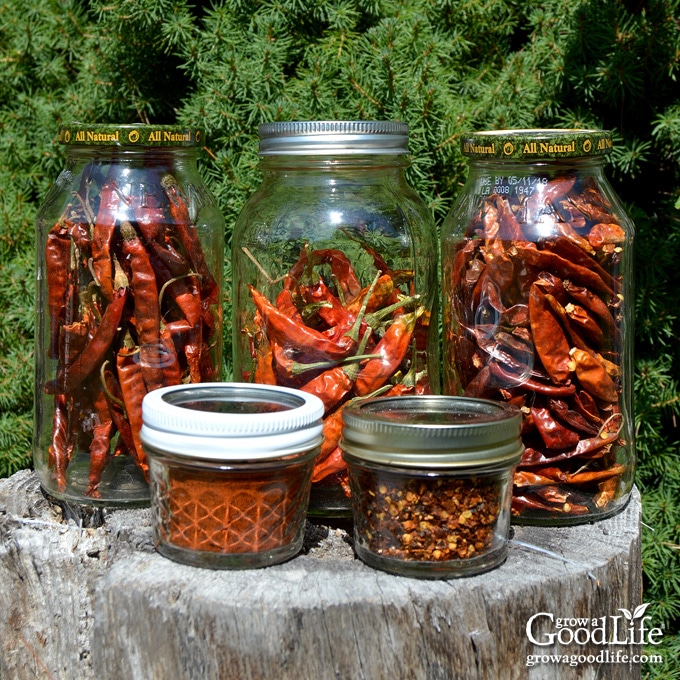
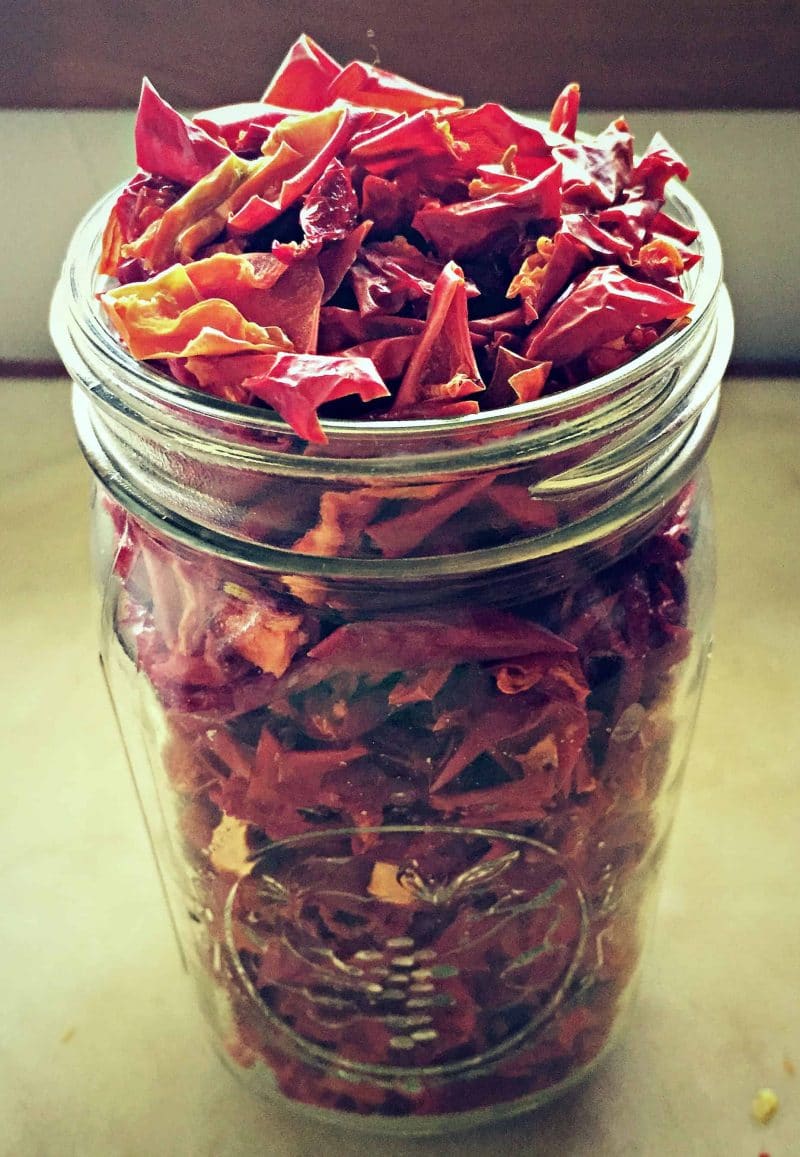
Use airtight containers to keep peppers dry and fresh. Glass jars with tight lids work well. Plastic containers with seals also protect from air and moisture. Avoid containers that let air in or let moisture build up. Vacuum-sealed bags are excellent for long-term storage. Store containers in a cool, dark place to keep peppers flavorful.
Shelf Life And Conditions
Dehydrated peppers can last 6 to 12 months on the shelf. Cooler temperatures slow down flavor loss. Keep peppers away from heat, light, and humidity. High humidity can cause mold growth and spoilage. Check peppers regularly for signs of moisture or pests. Using dry peppers within the first year gives the best taste and quality.
Using Dehydrated Peppers In Cooking
Dehydrated peppers offer a great way to enjoy bold flavors all year round. These dried peppers add heat and depth to many dishes. They are easy to store and last much longer than fresh peppers.
Using dehydrated peppers in cooking brings out a rich, smoky taste. They work well in soups, stews, sauces, and spice blends. Knowing how to prepare them properly makes a big difference in your recipes.
Rehydration Tips
Soak dehydrated peppers in warm water for 15 to 30 minutes. This softens them and brings back their texture. Drain before adding to your dish to avoid extra water.
For a stronger flavor, use the soaking water in your recipe. Strain it to remove any seeds or bits. This adds an extra layer of spice and color.
Flavor Enhancements
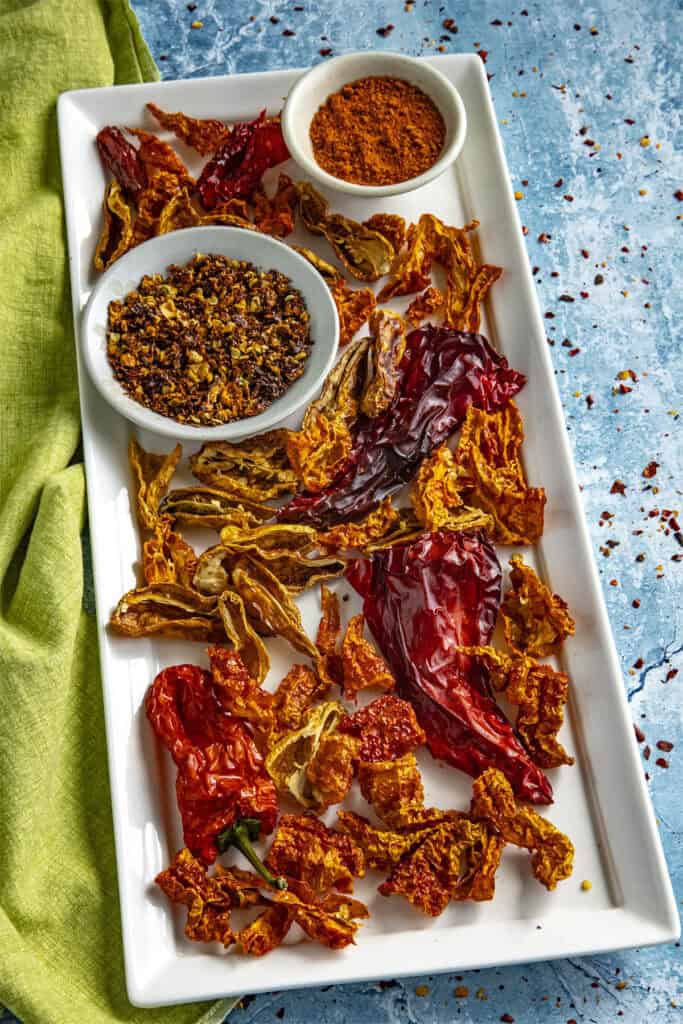
Grind dried peppers into powder for a quick spice boost. Mix with salt, garlic, or herbs to create your own seasoning blend.
Toast whole dehydrated peppers lightly before using. This step enhances their smoky aroma. It works great in chili, tacos, and marinades.
Troubleshooting Common Issues
Dehydrating peppers is simple but can have issues. These problems may affect taste and safety. Knowing common issues helps fix them fast. This section covers key problems and solutions.
Mold Prevention
Mold grows if peppers stay wet too long. Dry peppers completely before storing. Use a dehydrator or oven at low heat. Store peppers in airtight containers. Keep containers in a cool, dry place. Check peppers often for any mold signs. Remove moldy peppers immediately to protect others.
Avoiding Overdrying
Overdrying makes peppers brittle and loses flavor. Dry peppers until they snap but do not crumble. Check peppers every hour near the end. Remove peppers from heat once dry enough. Store in sealed jars or bags to keep moisture out. Proper drying keeps peppers tasty and ready for use.
Credit: www.chilipeppermadness.com
Frequently Asked Questions
How Long Does It Take To Dehydrate Peppers?
Dehydrating peppers usually takes 8 to 12 hours. Time varies by pepper size and drying method. Check peppers periodically for dryness and crispness.
What Is The Best Method To Dehydrate Peppers?
The best methods are using a food dehydrator or oven. Both provide consistent heat and airflow for even drying. Avoid microwave drying to preserve flavor and texture.
Can I Dehydrate Spicy Peppers Safely?
Yes, but handle spicy peppers with gloves. Avoid touching your face or eyes. Proper ventilation prevents irritation from pepper fumes during drying.
How Should Dehydrated Peppers Be Stored?
Store dried peppers in airtight containers. Keep them in a cool, dark place to maintain flavor and shelf life. Proper storage prevents moisture and mold.
Conclusion
Dehydrating peppers saves them for many months. It keeps their flavor strong and fresh. You only need a few tools to start. Drying peppers is simple and fun to do. Store them in a cool, dry place. Use dried peppers to add taste to your meals.
This method helps reduce food waste too. Try dehydrating peppers to enjoy their spicy taste anytime.