Last Updated on September 30, 2026
Are you thinking about using a dehydrator but worried it might spike your electricity bill? You’re not alone.
Many people wonder if these handy kitchen gadgets consume a lot of power. Understanding how much electricity a dehydrator uses can help you make smarter choices for your home and budget. Keep reading to discover the truth about dehydrators and energy use – you might be surprised by what you learn!
How Dehydrators Work
Understanding how dehydrators work helps explain their electricity use. These devices remove water from food by using heat and airflow. This drying process preserves food and reduces its weight. It also extends shelf life without chemicals.
The design of dehydrators focuses on efficient drying. Each part plays a role in removing moisture. This makes the process steady and controlled.
Basic Mechanism
Dehydrators use a low heat source to warm the air. This warm air moves over the food trays. It picks up moisture from the food’s surface. Then, the moist air exits the machine, leaving dry food behind.
The heat level is usually gentle, between 95°F and 160°F. This range dries food without cooking it. A fan helps spread the warm air evenly. This speeds up drying and prevents spoilage.
Common Features
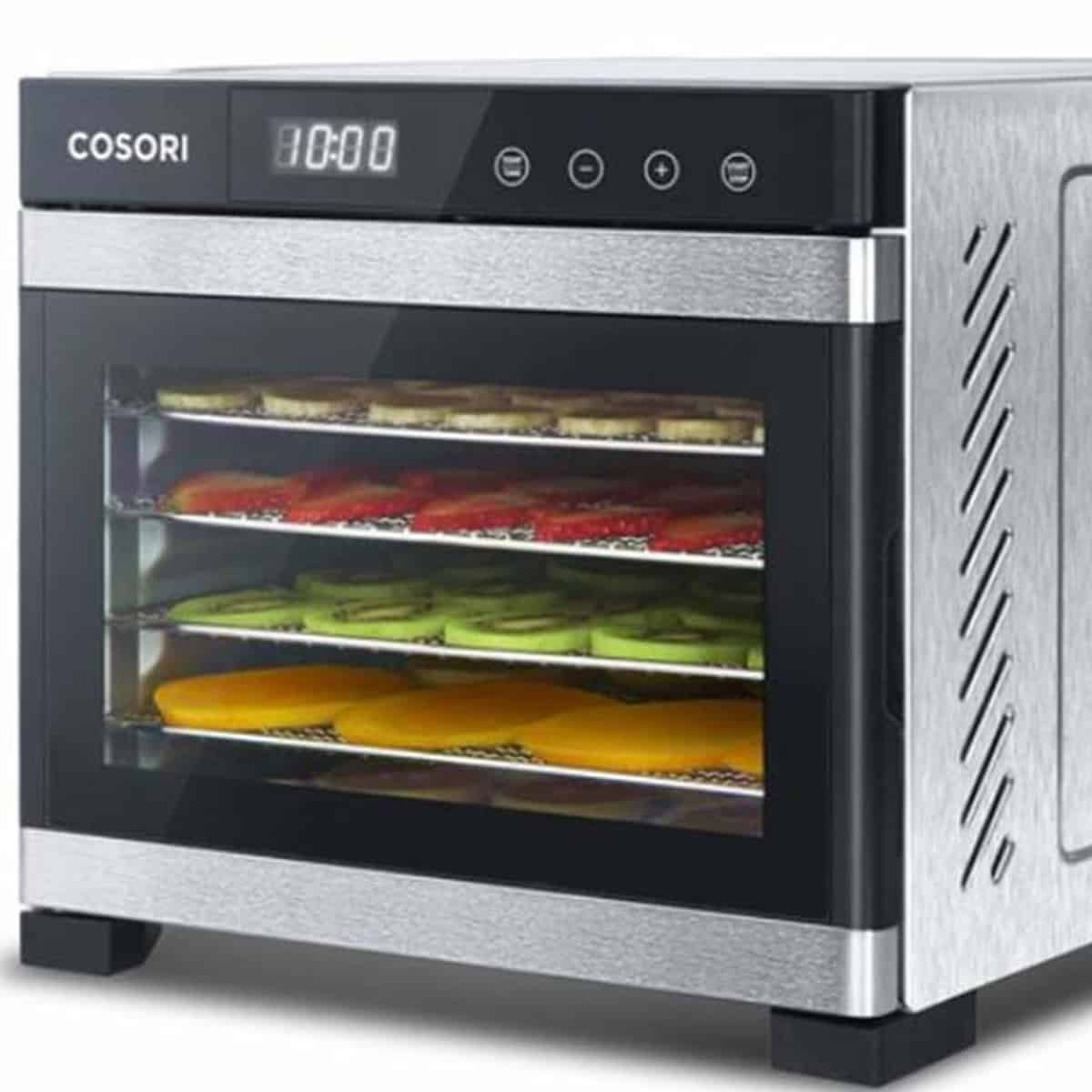
Most dehydrators have multiple trays for drying several items at once. These trays allow air to flow freely around each piece of food. Temperature controls let users adjust heat to suit different foods.
Many models include timers to stop the process after set hours. This avoids wasting electricity and over-drying food. The compact design helps conserve energy during operation.
Electricity Consumption Levels
Understanding the electricity consumption levels of dehydrators helps in managing energy bills. It also shows how efficient these appliances are. Dehydrators do use electricity, but the amount varies by model and use.
Knowing the average wattage and usage patterns is key to estimating energy use. This knowledge helps in choosing a machine that fits your needs without wasting power.
Average Wattage
Most food dehydrators use between 300 and 600 watts. Smaller units tend to use less power, around 300 watts. Larger or commercial models can go up to 600 watts or more. The wattage directly affects how fast the dehydrator works. Higher wattage means quicker drying but more electricity used per hour.
Usage Patterns
Dehydrators run for several hours to dry food properly. Typical drying time ranges from 4 to 12 hours. Longer drying times increase total electricity use. Many users run dehydrators overnight to save time. Using a timer can help control energy consumption. Running the machine only when needed reduces electricity bills.
Comparing Energy Use
Understanding how much electricity dehydrators use helps choose the best kitchen tool. Comparing their energy use with other appliances shows their efficiency. This section looks at how dehydrators perform against ovens and microwaves.
Dehydrators Vs Ovens
Ovens usually use more electricity than dehydrators. They heat a larger space and reach higher temperatures. Dehydrators work at lower heat levels over longer times. This means they use less power overall. Ovens can waste energy by heating the whole kitchen. Dehydrators keep heat focused inside the machine. This focused heating saves energy during drying.
Dehydrators Vs Microwaves
Microwaves heat food quickly and use bursts of energy. They consume less electricity for short tasks. But they are not designed for drying food. Dehydrators run for hours but use low power continuously. This steady energy use is efficient for dehydration. Microwaves are better for reheating, not drying. Dehydrators save electricity by working at lower temperatures for longer.

Credit: www.amazon.com
Factors Influencing Energy Use
Dehydrators use electricity to remove moisture from food. The amount of energy they consume varies. Several factors affect how much electricity a dehydrator uses. Understanding these helps you manage energy costs better. These factors include the size and capacity of the machine, temperature settings, and how long it runs.
Size And Capacity
Larger dehydrators need more power to run. More trays mean more food can dry at once. This increases energy use. Smaller models use less electricity but dry smaller batches. Choose a size that fits your needs to save energy.
Temperature Settings
Higher temperatures consume more electricity. Dehydrators set at low heat use less energy. Different foods need different temperatures. Adjust settings to match the food type. This avoids wasting electricity on unnecessary heat.
Duration Of Use
The longer a dehydrator runs, the more electricity it uses. Drying times vary by food type and thickness. Thick or wet foods need more time to dry. Monitor progress and stop the machine once food is dry. This reduces energy waste.
Energy-saving Tips
Saving energy while using a dehydrator helps reduce electricity bills. Small changes in how you use the machine make a big difference. Follow these tips to make your dehydrator more efficient and eco-friendly.
Optimal Loading
Fill the trays without overcrowding. Air needs space to flow freely around food. Proper loading speeds up drying and uses less energy. Avoid stacking too many layers. It slows the process and wastes power.
Proper Maintenance
Keep the dehydrator clean and dust-free. Clean trays and fans regularly for better airflow. Check the door seal for tight closure. A good seal stops heat from escaping. Well-maintained machines run smoothly and save energy.
Using Timers And Settings
Use the timer to avoid over-drying. Set the temperature according to food type. Lower temperatures save electricity and protect nutrients. Turn off the dehydrator as soon as drying finishes. Smart use of settings cuts power use effectively.
Eco-friendly Dehydrator Models
Eco-friendly dehydrator models help reduce electricity use. They offer smart features that save energy and lower bills. These models suit people who want to dry food without wasting power. Choosing an eco-friendly dehydrator is a step toward a greener lifestyle.
Energy-efficient Designs
Energy-efficient dehydrators use less power to run. They have better insulation to keep heat inside. This lowers electricity consumption during drying. Many models use fans that move air smartly. This spreads heat evenly and saves energy. Some units turn off automatically when done. This prevents wasting electricity after drying finishes.
Solar-powered Options
Solar-powered dehydrators use sunlight to dry food. They need no electricity from the grid. These models work best outdoors in sunny places. Solar power cuts energy bills to zero. They are great for eco-conscious users. Solar dehydrators can be simple and easy to use. They dry fruits, vegetables, and herbs naturally.
Calculating Cost Of Operation
Calculating the cost of running a dehydrator helps you know its impact on your electricity bill. This section breaks down how to estimate the electricity use and compare costs over time. Understanding these factors helps you decide if a dehydrator fits your budget.
Electricity use varies by model and usage time. Tracking this helps avoid surprises in bills. Let’s explore how to estimate the cost and compare it to other appliances.
Estimating Electricity Bills
Check the power rating on your dehydrator, usually in watts. Multiply watts by hours used daily. This gives daily energy use in watt-hours.
Convert watt-hours to kilowatt-hours by dividing by 1,000. Most electric companies charge per kilowatt-hour (kWh). Multiply kWh by your local rate to find daily cost.
For example, a 500-watt dehydrator running 5 hours uses 2.5 kWh. If your rate is $0.12 per kWh, the daily cost is about 30 cents.
Cost Comparison Over Time
Multiply daily cost by the number of days you use the dehydrator each month. This shows monthly expense. Compare it to other kitchen tools like ovens or slow cookers.
Dehydrators often use less power than ovens. Over time, this saves money. Running a dehydrator several times a week may add only a few dollars to your bill.
Knowing these numbers helps balance cost and benefits. It also guides you in choosing energy-efficient models.
Credit: www.thepurposefulpantry.com
Credit: www.vevor.com
Frequently Asked Questions
Do Food Dehydrators Consume A Lot Of Electricity?
Food dehydrators use moderate electricity, typically between 300-1000 watts. Their energy use depends on size, temperature, and drying time. They are generally more energy-efficient than ovens for drying food.
How Much Electricity Does A Dehydrator Use Daily?
A dehydrator running 8-12 hours may consume 2-5 kWh daily. Usage varies by model and settings. Compared to other appliances, this is relatively low and cost-effective for drying foods.
Can Using A Dehydrator Increase My Electric Bill Significantly?
Using a dehydrator occasionally causes only a small increase in your electric bill. Its energy use is minimal compared to heating or cooking appliances used for longer periods.
Are Electric Dehydrators More Energy-efficient Than Ovens?
Yes, dehydrators are more energy-efficient than ovens for drying. They use lower temperatures and specialized airflow, reducing electricity consumption while preserving food nutrients better.
Conclusion
Dehydrators use electricity, but not as much as some think. They run on low power over a long time. This means they are energy-efficient for drying food. Choosing the right model helps save even more electricity. Using a dehydrator can be an easy way to preserve food at home.
Small changes in use can reduce your electricity bill. Drying food this way is both simple and cost-friendly.