Last Updated on September 30, 2026
If you’ve ever wondered how to make your ground meat last longer without losing its flavor, dehydrating ground meat is the answer. Imagine having a ready supply of protein that stays fresh for months, saves space, and is perfect for quick meals or outdoor adventures.
You’ll discover simple steps to dehydrate ground meat safely and effectively. By the end, you’ll feel confident turning your fresh meat into a long-lasting, delicious pantry staple. Ready to transform your cooking and storage game? Let’s dive in!
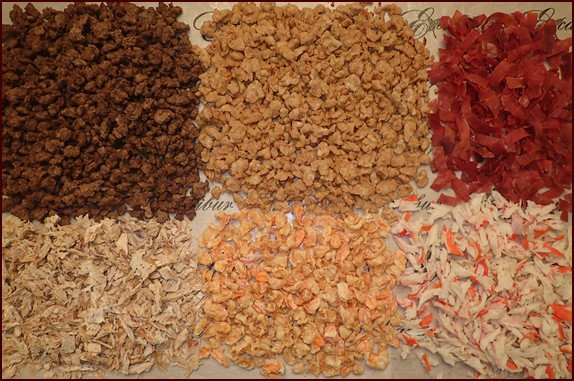
Credit: www.backpackingchef.com
Benefits Of Dehydrating Ground Meat
Dehydrating ground meat is a smart way to preserve it. This method removes moisture, which helps stop bacteria growth. It makes ground meat last longer and keeps its flavor. Many people find it useful for storage and cooking.
The benefits go beyond just keeping meat fresh. Dehydrated ground meat is easy to use and keeps most of its nutrients. It fits well into busy lifestyles and outdoor activities.
Extended Shelf Life
Dehydrating ground meat extends its shelf life significantly. Removing water prevents spoilage and mold growth. This method helps meat last for months or even years. It reduces food waste and saves money.
Convenient Snack Options
Dehydrated ground meat is lightweight and easy to carry. It makes a great snack for hiking and camping trips. No need to cook it again; just rehydrate or eat as is. Perfect for quick meals or emergency food supplies.
Nutrient Retention
Dehydrating meat keeps most nutrients intact. Protein and minerals remain, supporting a healthy diet. The low heat used helps preserve vitamins better than other methods. This way, you get nutrition and taste together.
Choosing The Right Meat
Choosing the right meat is the first step to successful dehydrating. The type of meat affects taste, texture, and shelf life. Selecting the proper cut ensures better results and less waste.
Lean Vs. Fatty Meat
Lean meat works best for dehydrating. It dries faster and lasts longer. Fatty meat holds oils that can spoil quickly. This causes bad smells and shorter storage time. Choose cuts like sirloin, round, or chicken breast. Avoid ground meat with high fat content. Trim extra fat before dehydrating.
Quality And Freshness Tips
Use fresh meat to keep flavors clean and safe. Check the color; it should be bright and even. Smell the meat to detect any sour or strong odors. Buy meat from trusted sources or stores. Freeze the meat briefly to kill parasites before drying. Always handle meat with clean hands and tools. Freshness improves the final taste and texture.
Preparing Meat For Dehydration
Preparing meat for dehydration is the first step to tasty, long-lasting dried meat. Proper preparation ensures good flavor and safe storage. It also helps the meat dry evenly and keeps it fresh for a long time.
Grinding And Seasoning
Start by selecting fresh ground meat with some fat. Fat adds flavor but too much slows drying. Use lean ground beef, turkey, or pork for best results.
Mix the meat gently with your choice of seasonings. Salt is important as it helps preserve the meat. Add spices like pepper, garlic powder, or onion powder for taste.
Do not overwork the meat. Too much mixing can make it tough after drying. Keep the mixture loose and even for better drying.
Food Safety Practices
Keep everything clean to avoid bacteria. Wash your hands, tools, and surfaces before and after handling meat.
Use fresh meat and keep it cold before drying. Bacteria grow fast at room temperature. Chill or freeze meat until ready to prepare.
Use a food thermometer to check meat temperature. Heat meat to at least 160°F (71°C) before dehydrating to kill germs.
Dry meat quickly and store it in airtight containers. Store dried meat in a cool, dry place to keep it safe.
:max_bytes(150000):strip_icc()/dehydrated-ground-beef-jerky-recipe-4121037-Step-Hero-1-df045a58c8b24056a1997610f7e7a51a.jpg)
Credit: www.thespruceeats.com
Dehydration Methods
Dehydrating ground meat preserves it for long storage and easy use. Different methods suit different needs and equipment. Each method has steps to ensure safety and good flavor. Choose the right method for your kitchen and climate.
Using A Food Dehydrator
A food dehydrator offers steady heat and good air flow. Spread ground meat thinly on dehydrator trays. Set the temperature between 140°F and 160°F. Drying time varies but usually takes 6 to 12 hours. Check meat for dryness by breaking a piece. It should snap or crumble easily. This method keeps nutrients and flavor well.
Oven Drying Techniques
Use your oven if you don’t have a dehydrator. Set the oven to its lowest temperature, around 170°F. Place ground meat on wire racks or baking sheets. Leave the oven door slightly open for air circulation. Stir or flip the meat every hour. Drying can take 4 to 8 hours. Watch closely to avoid overcooking or burning.
Sun Drying Considerations
Sun drying is the most natural method but needs warm, dry weather. Spread ground meat thinly on clean trays or screens. Cover with a fine mesh to keep insects away. Place trays where they get direct sunlight and good air flow. Turn the meat regularly for even drying. This process can take several days. Only use this method in safe, clean environments.
Optimal Temperature And Time
Dehydrating ground meat requires careful control of temperature and time. These factors ensure the meat dries evenly and stays safe to eat. Using the right settings helps keep the texture good and prevents spoilage. Knowing how to check the meat during drying helps avoid over or under drying. Follow simple guidelines to get the best results every time.
Recommended Settings
Set your dehydrator between 145°F and 155°F for ground meat. This range kills bacteria and dries the meat well. Drying time varies from 6 to 10 hours depending on the meat’s thickness. Spread the meat thin and even for faster drying. Do not rush by increasing temperature above 160°F. High heat can cook the meat instead of drying it.
Checking For Doneness
Check the meat after 6 hours. It should feel dry and firm but still slightly flexible. Break a piece to see if it is dry inside. If it breaks easily and has no wet spots, it is done. If the meat is sticky or soft, continue drying. Check every 30 minutes to avoid over drying. Properly dried meat stores longer and tastes better.

Credit: nomadskitchen.ca
Storing Dehydrated Meat
Storing dehydrated ground meat correctly keeps it fresh and safe for a long time. Proper storage protects the meat from moisture, air, and pests. This helps keep the flavor and texture intact. Careful packing and choosing the right place to store the meat are key steps.
Packaging Options
Use airtight containers or vacuum-sealed bags to store dehydrated meat. These options block air and moisture. Glass jars with tight lids work well too. Avoid plastic bags that are not sealed tightly. Label packages with the date to track storage time.
Storage Environment
Store dehydrated meat in a cool, dark, and dry place. Heat and sunlight can spoil the meat faster. A pantry or cupboard away from heat sources is ideal. Keep the storage area clean and free from pests. Proper temperature and humidity control extend shelf life.
Rehydrating And Using Dehydrated Meat
Dehydrated ground meat offers a lightweight, long-lasting option for meals. Proper rehydration brings back its texture and flavor. Using it in recipes can save time and reduce waste. Knowing how to rehydrate and use this meat is key for tasty dishes.
Rehydration Tips
Use warm water for faster soaking. Cover the meat fully with water or broth. Let it sit for 15 to 30 minutes. Stir occasionally to separate chunks. Drain excess liquid if needed. Avoid boiling, as it can toughen the meat. Adjust water amount based on recipe needs.
Recipe Ideas For Snacks And Meals
Try adding rehydrated meat to tacos or pasta sauces. Mix it with cheese and spices for savory snacks. Use in soups or stews for extra protein. Combine with vegetables for a quick stir-fry. Create meat patties or burgers for easy meals. The options are flexible and simple.
Troubleshooting Common Issues
Dehydrating ground meat can be a great way to preserve food. Sometimes, issues arise that affect safety, texture, or taste. Knowing how to fix these problems helps keep your meat tasty and safe.
Avoiding Spoilage
Spoilage happens when bacteria grow on the meat. Always use fresh ground meat before drying. Keep your dehydrator clean to stop germs from spreading. Dry meat evenly by spreading it in a thin layer. Check the temperature; it should be at least 160°F (71°C) to kill bacteria. Store dried meat in airtight containers to keep moisture out. Use dry, cool places for storage to prevent mold.
Texture And Flavor Fixes
Meat can turn tough or dry if dehydrated too long. Cut drying time by checking meat often. Use smaller pieces for faster, even drying. Add seasoning before drying to boost flavor. If meat tastes bland, try marinating before drying. Keep meat covered to avoid dust or odors. Rehydrate dried meat carefully by soaking in water before cooking.
Frequently Asked Questions
How Do You Prepare Ground Meat For Dehydrating?
To prepare ground meat, cook it thoroughly and drain excess fat. Break meat into small pieces for even drying. Spread evenly on dehydrator trays to ensure consistent dehydration and prevent spoilage.
What Temperature Is Best For Dehydrating Ground Meat?
Set the dehydrator to 160°F (71°C) to safely dry ground meat. This temperature kills bacteria and removes moisture, ensuring preservation and food safety.
How Long Does It Take To Dehydrate Ground Meat?
Dehydrating ground meat usually takes 6 to 12 hours. Time varies based on thickness, moisture content, and dehydrator efficiency. Check for dry, brittle texture before storing.
Can Dehydrated Ground Meat Be Stored Long-term?
Yes, dehydrated ground meat can be stored 6 to 12 months. Keep it in airtight containers in a cool, dark place to maintain freshness and prevent spoilage.
Conclusion
Dehydrating ground meat saves space and extends shelf life. It keeps the meat safe and easy to store. You can use it for many meals, like soups and stews. The process is simple and does not need special tools. Try drying small batches first to see what works best.
This method helps reduce waste and saves money too. Enjoy having ready-to-use meat on hand anytime you cook.