Last Updated on October 2, 2026
Have you ever wondered if using a dishwasher really helps save water? You might think washing dishes by hand uses less water, but the truth could surprise you.
Understanding how dishwashers impact your water use can help you make smarter choices for your home and the environment. Keep reading to discover facts that could change the way you clean your dishes—and save you money on your water bill.
Credit: www.thecooldown.com
Water Use In Dishwashing
Water use in dishwashing plays a big role in home water bills and conservation. Choosing the best method helps save water and energy. Understanding how much water each method uses can guide better choices. This section explores water use in hand washing and dishwashers.
Hand Washing Vs Dishwasher
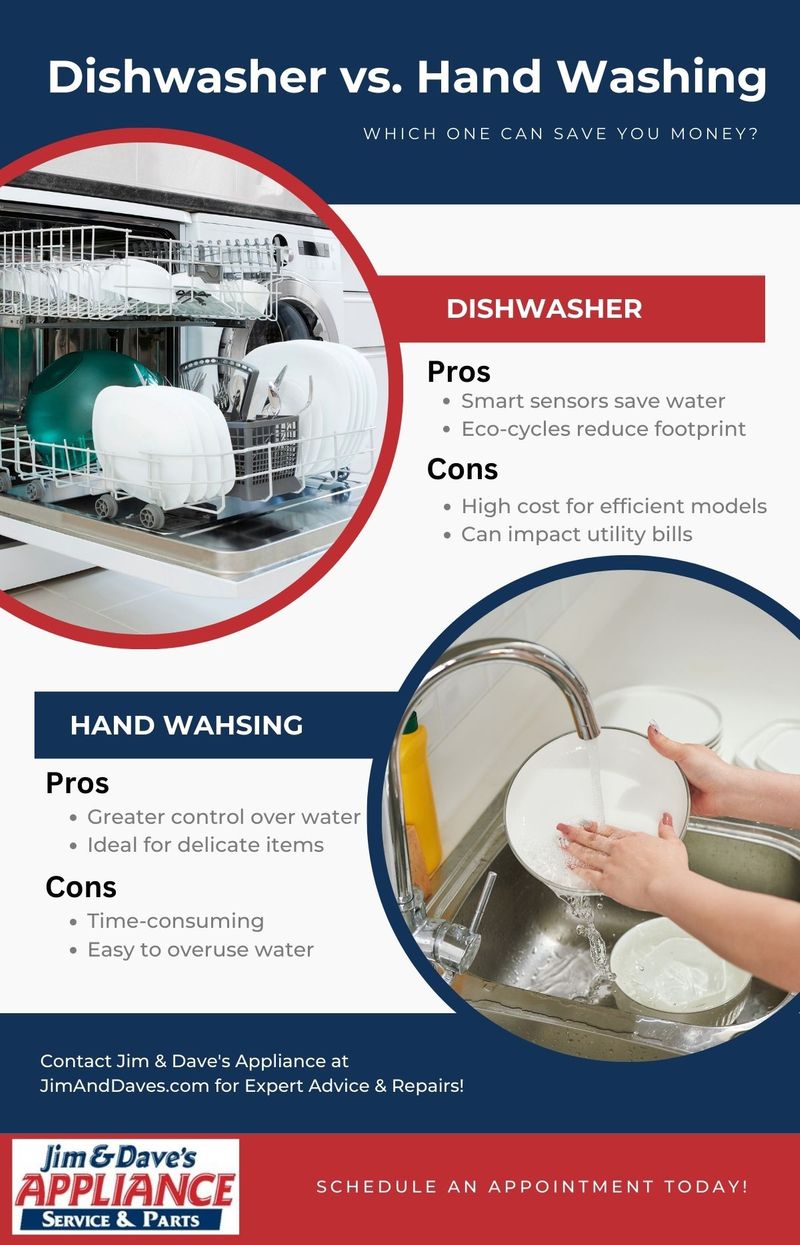
Hand washing dishes uses more water than many think. Running water while scrubbing wastes lots of liters. People often leave the tap open, which adds up fast. Dishwashers use water more efficiently by recycling some water inside. They clean many dishes at once without extra water waste. Small loads in dishwashers can waste water, though. Full loads maximize water savings with dishwashers.
Average Water Consumption
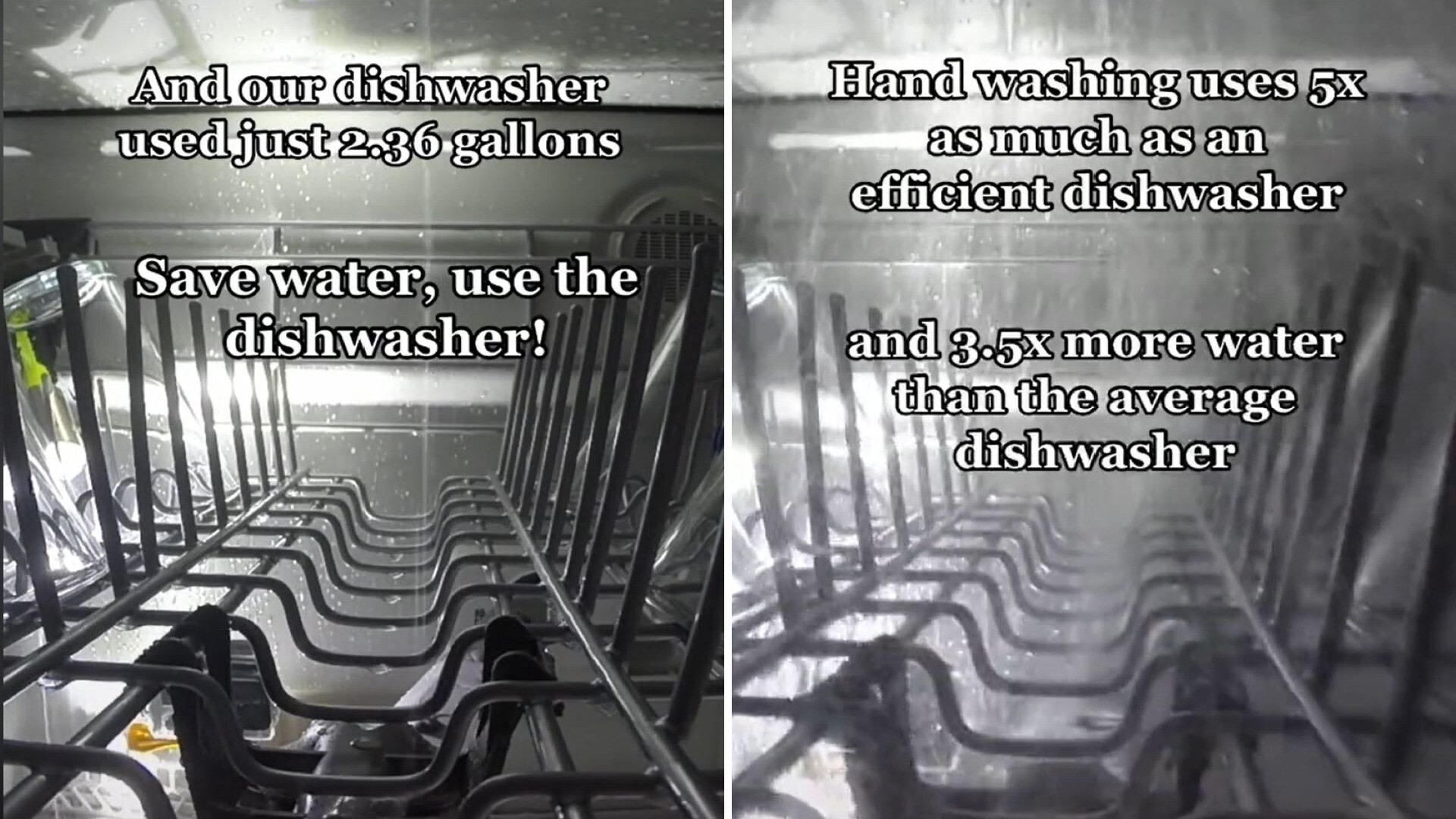
Hand washing a full sink of dishes uses about 27 gallons of water. Using a dishwasher on a full load uses around 3 to 5 gallons. Newer dishwasher models use less water than older ones. The average dishwasher uses less water per cycle than hand washing. Water use depends on how dishes are washed, not just the method. Saving water means using the right amount for the job.
Factors Affecting Water Use
Water use changes with the number of dishes and dirt level. Rinsing dishes before loading the dishwasher can waste water. Using eco or quick wash settings reduces water use in dishwashers. Older dishwashers often use more water than new energy-efficient models. Hand washing water use depends on how carefully taps are managed. Choosing water-saving habits lowers water waste in dishwashing.
:max_bytes(150000):strip_icc()/GettyImages-1223392819-a1218eae1b1c4360aeea0d9b240edb3c.jpg)
Credit: www.arloren.com
Efficiency Of Modern Dishwashers
Modern dishwashers use technology to clean dishes efficiently. They save water and energy compared to older models. These machines are designed to reduce waste while still giving clean results. Understanding their features helps you see how they conserve resources.
Energy Star Ratings
Energy Star labels show a dishwasher’s efficiency. Models with this rating use less water and power. They meet strict standards set by experts. Choosing an Energy Star dishwasher means saving water each cycle.
Water-saving Technologies
Many dishwashers have special systems to use less water. Sensors detect how dirty the dishes are. The machine adjusts water use based on this. Some models recycle rinse water for other cycles. These technologies reduce overall water consumption.
Cycle Options And Water Use
Dishwashers offer different cycles for various needs. Quick or light wash cycles use less water than heavy cycles. Eco-friendly cycles run longer but save water and energy. Picking the right cycle helps control water use effectively.
Environmental Impact
Dishwashers impact the environment in several ways. Understanding this impact helps in making better choices. The main areas to consider are water use, energy consumption, and wastewater management. Each affects the environment differently but is important to know.
Water Conservation Benefits
Dishwashers use water more efficiently than hand washing. They spray water at high pressure to clean dishes well. This method uses less water in total. Modern dishwashers use about 3-5 gallons per cycle. Hand washing can use up to 20 gallons. Saving water helps reduce stress on local water supplies. It also lowers energy used to heat water.
Energy Use And Carbon Footprint
Dishwashers need electricity to run. They also heat water to clean dishes properly. Efficient models use less energy than older ones. Using less energy means fewer greenhouse gases are released. Energy-efficient dishwashers help reduce your carbon footprint. Running a full load maximizes energy and water use. Avoid partial loads to save energy and water.
Wastewater Considerations
Dishwashers produce wastewater that goes to treatment plants. This water contains food particles and detergent residues. Modern machines use filters to reduce solid waste in water. Proper wastewater treatment removes harmful substances before release. Using eco-friendly detergents lowers water pollution risks. Careful use of dishwashers supports healthier water systems.
Credit: www.jimanddaves.com
Tips To Maximize Water Savings
Saving water with your dishwasher is possible with smart habits. Small changes can make a big difference. Follow these tips to use less water and keep dishes clean.
Loading The Dishwasher Correctly
Place dishes with space between them. Avoid overloading. Water flows better, cleaning more effectively. Large items should not block spray arms. Position plates and bowls facing the water jets. This helps remove food without extra water.
Choosing The Right Cycle
Select shorter cycles for lightly soiled dishes. Use eco or water-saving modes if available. These cycles use less water and energy. Avoid heavy cycles unless necessary. They consume more water and electricity. Match the cycle to your dish load.
Maintenance For Efficiency
Clean the dishwasher filter regularly. A clogged filter reduces water flow. Check spray arms for blockages. Clear holes let water spray freely. Run the dishwasher empty with a cleaning agent monthly. This keeps the machine working well and saves water.
Common Misconceptions
Many people have wrong ideas about dishwashers and water use. These myths can lead to wrong choices about cleaning dishes. Clearing up these wrong ideas helps people save water and energy.
Pre-rinsing Dishes
Some believe dishes must be rinsed before loading the dishwasher. This uses a lot of water unnecessarily. Modern dishwashers clean well without pre-rinsing. Skipping this step saves water and time. Food particles can be removed by the dishwasher itself.
Dishwasher Water Use Myths
People often think dishwashers use more water than hand washing. New dishwashers use less water per cycle than washing by hand. Efficient models use around three to five gallons per load. Older dishwashers use more, but still less than hand washing. Using a full load maximizes water savings.
Hand Washing Efficiency
Hand washing dishes can waste a lot of water. Running the tap continuously uses more water than a dishwasher. Washing dishes in a filled sink or basin saves water. Many people underestimate water use during hand washing. Dishwashers clean dishes with less water and heat energy.
Frequently Asked Questions
How Much Water Does A Dishwasher Save?
A dishwasher uses about 3-5 gallons of water per cycle. Hand washing can use up to 27 gallons. So, dishwashers save significant water, especially when fully loaded.
Are Dishwashers More Water-efficient Than Hand Washing?
Yes, modern dishwashers use less water than hand washing. They clean efficiently with less water and energy. This makes them eco-friendly and cost-effective.
Does Using A Dishwasher Reduce Household Water Bills?
Using a dishwasher can lower water bills. It consumes less water per wash than hand washing. Efficient models maximize water savings and reduce utility costs.
How Does Dishwasher Load Affect Water Usage?
A full dishwasher load maximizes water efficiency. Running half-empty loads wastes water and energy. Always fill your dishwasher before running it to save water.
Conclusion
Dishwashers often use less water than hand washing. They clean many dishes at once, saving water overall. Using full loads helps reduce water waste. Choosing an energy-efficient model can save even more. Small steps make a big difference for water use.
Think about your habits to save water daily. Dishwashers can help protect our planet’s water supply. Save water. Save energy. Save time. It’s a smart choice for many homes.